
Market Report · July 31, 2026

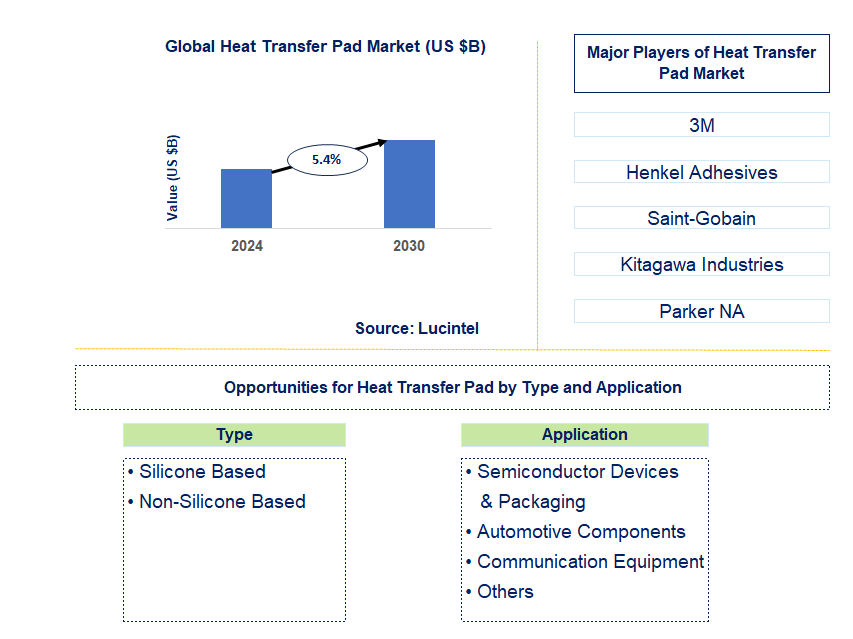
Key data points: The growth forecast = 5.4% annually for the next 6 years. Scroll below to get more insights. This market report covers trends, opportunities, and forecast in the global heat transfer pad market to 2030 by type (silicone based and non-silicone based), application (semiconductor devices & packaging, automotive components, communication equipment, and others), and region (North America, Europe, Asia Pacific, and the Rest of the World)
We'll send your sample report shortly.
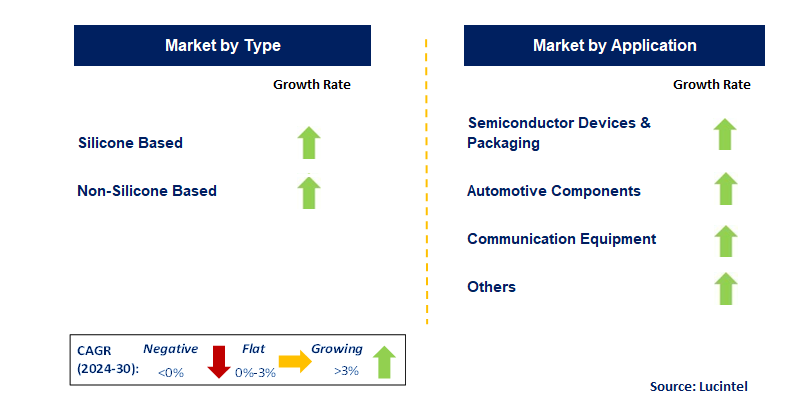
• Lucintel forecasts that, within the type category, silicone-based is expected to witness a higher growth over the forecast period.
• Within the application category, semiconductor device & packaging is expected to witness the highest growth.
• In terms of regions, APAC is expected to witness the highest growth over the forecast period. A more than 150-page report is developed to help in your business decisions.
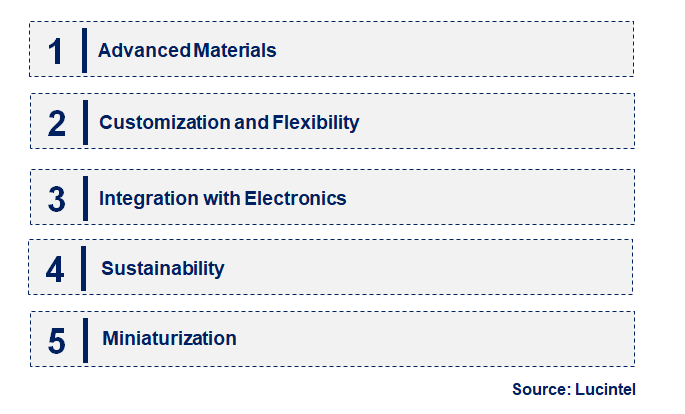
• Advanced Materials: The use of high-conductivity materials, such as graphene and advanced silicones, is increasing. These materials offer superior thermal performance and efficiency, making heat transfer pads more effective in demanding applications.
• Customization and Flexibility: There is a growing trend toward customizable heat transfer pads tailored to specific needs. This includes variations in size, shape, and material properties to optimize thermal management for different applications.
• Integration with Electronics: Heat transfer pads are being integrated into electronic systems for better thermal management. This includes developments in pads that cater to high-density electronics, ensuring reliability and performance in compact devices.
• Sustainability: The market is shifting toward eco-friendly materials, including recyclable and biodegradable options. This trend addresses environmental concerns and aligns with global demands for sustainable products.
• Miniaturization: As devices become more compact, there is a push for thinner, more flexible heat transfer pads. These innovations aim to fit into smaller spaces while maintaining high thermal performance. These trends are transforming the heat transfer pad market by enhancing material performance, customization, and integration with technology, while also addressing sustainability and miniaturization. They are driving innovation and creating more efficient and adaptable thermal management solutions.
• Enhanced Thermal Conductivity Materials: Innovations include the development of new materials, such as graphene composites and advanced silicones with improved thermal conductivity. These materials provide more effective heat management, making pads suitable for high-performance applications.
• Customizable Solutions: Manufacturers are increasingly offering customizable heat transfer pads. This allows for tailored solutions that meet specific application requirements, such as varying thicknesses, shapes, and thermal properties, enhancing overall performance.
• Advanced Manufacturing Techniques: New manufacturing processes, such as precision molding and high-speed production methods, are improving the quality and reducing the cost of heat transfer pads. These techniques ensure better consistency and performance.
• Eco-Friendly Materials: The industry is focusing on sustainability by developing heat transfer pads from recyclable or biodegradable materials. This trend addresses environmental concerns and aligns with the demand for greener products.
• Integration with Smart Technologies: Heat transfer pads are being integrated with smart technologies, including sensors for real-time monitoring. This integration allows for adaptive thermal management and enhances system efficiency. These developments are driving improvements in heat transfer pad performance, customization, manufacturing efficiency, sustainability, and technological integration. They are contributing to more effective and versatile thermal management solutions across various applications.
• Expansion into Emerging Markets: Growing demand in emerging markets for electronics and automotive applications presents opportunities. Companies can capture market share by offering affordable, high-performance heat transfer pads tailored to these regions.
• Development of Advanced Materials: Investing in the development of high-conductivity and sustainable materials can provide a competitive edge. Innovations in materials like graphene and biodegradable options can attract new customers and meet evolving industry demands.
• Customization and Application-Specific Solutions: Providing customized heat transfer pads for specific applications, such as high-density electronics or automotive components, can open new market segments and address diverse customer needs.
• Integration with Smart Technologies: Leveraging advancements in smart technologies, such as real-time monitoring and adaptive thermal management systems, can enhance the functionality of heat transfer pads. This trend provides opportunities for innovation and improved product performance.
• Focus on Sustainability: Developing and promoting eco-friendly heat transfer pads aligns with growing regulatory requirements and consumer preferences for sustainable products. This focus can enhance market appeal and compliance with environmental standards. These strategic growth opportunities highlight the potential for expansion and innovation in the heat transfer pad market. By focusing on emerging markets, advanced materials, customization, smart technologies, and sustainability, companies can drive growth and enhance their competitive position.
• Technological Advancements: Innovations in materials and manufacturing processes enhance thermal performance and product efficiency. Advanced materials like graphene and phase change materials are driving improvements in heat management.
• Growing Electronics and Automotive Markets: Increased demand for electronic devices and automotive components boosts the need for effective thermal management solutions. This trend drives the growth of the heat transfer pad market.
• Customization Demand: Rising requirements for customized heat transfer solutions across different applications encourage innovation and expansion in the market. Customizable pads meet specific needs and enhance performance.
• Sustainability Trends: Growing environmental concerns and regulatory requirements for sustainable products drive the development of eco-friendly heat transfer pads. This trend aligns with consumer preferences and regulatory standards.
• Integration with Smart Technologies: The integration of heat transfer pads with smart technologies, such as sensors and real-time monitoring, enhances their functionality and appeal. This technological advancement drives market growth. Challenges in the heat transfer pad market are:
• High Material Costs: The cost of advanced materials like graphene and phase change materials can be high, impacting the overall price of heat transfer pads. This cost challenge affects market affordability and competition.
• Regulatory Compliance: Meeting diverse regulatory requirements for materials and manufacturing processes can be complex and costly. Compliance with environmental and safety standards poses challenges for manufacturers.
• Market Saturation: The increasing number of players and products in the heat transfer pad market can lead to saturation, making it difficult for companies to differentiate their offerings and maintain market share. These drivers and challenges shape the heat transfer pad market by influencing growth opportunities and posing obstacles. Technological advancements, market demand, and sustainability trends drive growth, while high material costs, regulatory compliance, and market saturation present challenges. Understanding these factors is essential for navigating the market effectively.
• 3M
• Henkel Adhesives
• Saint-Gobain
• Kitagawa Industries
• Parker NA
• Boyd Corporation
• Laird Technologies
• Silicone Based
• Non-Silicone Based
• Semiconductor Devices & Packaging
• Automotive Components
• Communication Equipment
• Others
• North America
• Europe
• Asia Pacific
• The Rest of the World
• United States: In the U.S., developments focus on integrating advanced materials like graphene and improved silicone composites. Companies are emphasizing higher thermal conductivity and durability for applications in the electronics and automotive sectors. Enhanced manufacturing techniques are also improving product consistency and reducing costs.
• China: China is advancing in cost-effective heat transfer pad production with innovations in mass production techniques and material processing. Developments include the use of alternative materials to reduce costs while maintaining performance, catering to the growing demand in consumer electronics and automotive industries.
• Germany: Germany is leading in high-performance heat transfer pads, utilizing advanced composites and phase change materials. Recent innovations target precision engineering for high-tech applications such as aerospace and automotive, with a focus on enhanced thermal management and reliability.
• India: In India, the focus is on increasing local production capabilities and reducing costs. Recent developments include using locally sourced materials and improved manufacturing processes, aiming to meet the rising demand in the electronics sector while keeping products affordable.
• Japan: Japan is making strides in developing ultra-thin, flexible heat transfer pads using advanced polymers and high-conductivity materials like graphene. Innovations are aimed at improving thermal management in compact electronic devices and enhancing overall performance.


• 3M
• Henkel Adhesives
• Saint-Gobain
• Kitagawa Industries
• Parker NA
• Boyd Corporation
• Laird Technologies Q5. Which heat transfer pad market segment will be the largest in the future? Answer: Lucintel forecasts that silicone-based is expected to witness a higher growth over the forecast period. Q6. In the heat transfer pad market, which region is expected to be the largest in the next 5 years? Answer: APAC is expected to witness the highest growth over the forecast period. Q7. Do we receive customization in this report? Answer: Yes, Lucintel provides 10% customization without any additional cost.


Choose a license that fits your team. Instant PDF delivery.
Prices exclude taxes. Instant delivery. Custom licensing available on request.
Market Report · July 31, 2026
Market Report · July 31, 2026
Market Report · July 31, 2026
Trusted partner for strategic intelligence and business growth


Receive a complimentary market analysis tailored to your industry. Our analysts will identify key growth opportunities and competitive dynamics specific to your business.

Market size, growth rate, and key trend analysis for your specific sector.

Top competitor positioning and market share analysis.

Strategic recommendations backed by data-driven insights.
Get curated market intelligence and competitive moves straight to your inbox.
By subscribing, you agree to receive our monthly insights. Unsubscribe anytime.
Receive a complimentary market analysis tailored to your industry. Our analysts will identify key growth opportunities and competitive dynamics specific to your business.
Market size, growth rate, and key trend analysis for your specific sector.
Top competitor positioning and market share analysis.
Strategic recommendations backed by data-driven insights.
Get curated market intelligence, emerging trends, and competitive moves straight to your inbox each month.
By subscribing, you agree to receive our monthly insights. Unsubscribe anytime.
We'll send your sample report shortly.