
Market Report · July 29, 2026

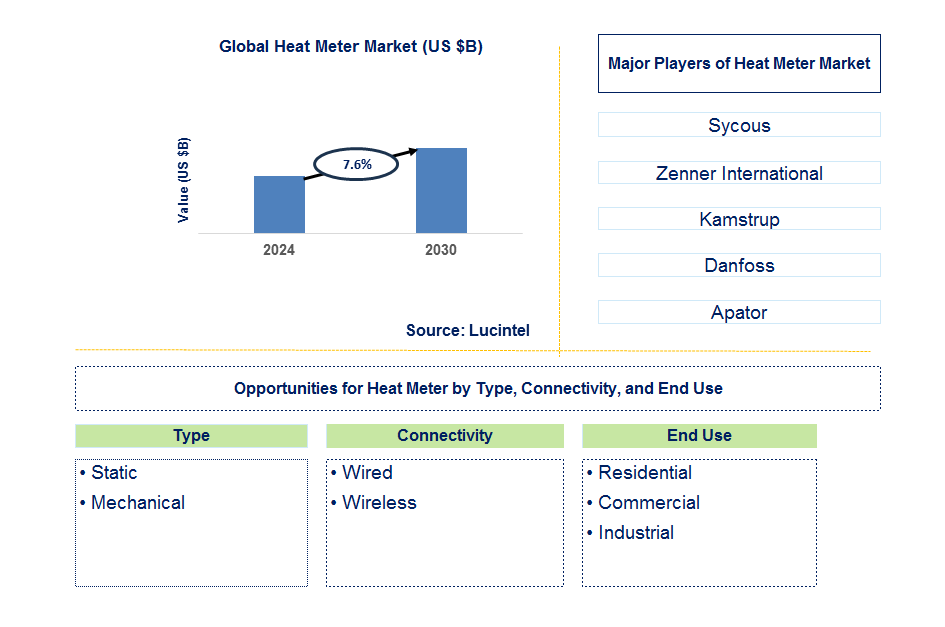
Key data points: The growth forecast = 7.6% annually next 6 years. Scroll below to get more insights. This market report covers trends, opportunities, and forecasts in the global heat meter market to 2030 by type (static and mechanical), connectivity (wired and wireless), end use (residential, commercial, and industrial), and region (North America, Europe, Asia Pacific, and the Rest of the World)
We'll send your sample report shortly.
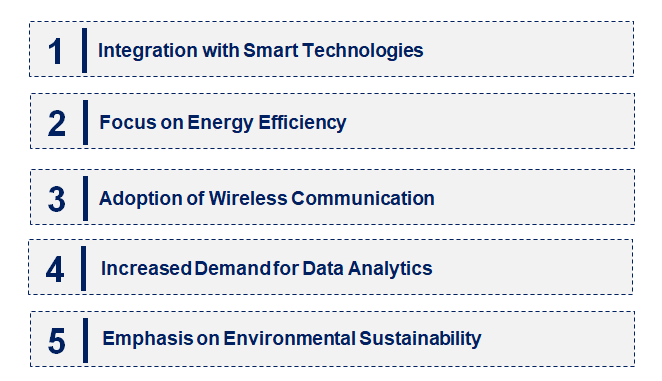
• Integration with Smart Technologies: The inclusion of smart technologies like the Internet of Things (IoT) and cloud computing is one of the main trends observed within this market. Real-time data acquisition through smart heat meters—remote sensing—is coupled with high-level investigation, leading to better operational workflows along with user engagement activities. Moreover, it contributes to a better billing process due to more accurate identification of user energy consumption, which can fluctuate more than 1,000 times within a single day, even between early morning and late-night periods; hence, customers can keep track of their daily, monthly, and annual consumption closer than ever before. Additionally, when smart meters are installed, they can facilitate intelligent building/Energy Management Systems (EMS) that can enhance heating operations while achieving significant overall savings in power usage.
• Focus on Energy Efficiency: Growing attention is being paid to energy efficiency in the development of new heat meter technologies. Manufacturers are creating instruments that produce accurate results and provide better management of energy resources. This aligns with global efforts aimed at reducing both energy demand and greenhouse gas emissions. By using these heating systems, consumers can optimize their own heating solutions, thereby reducing operational costs and promoting sustainability. Again, this trend represents a larger industry and regulatory push toward environmental targets through increased energy performance.
• Adoption of Wireless Communication: Heat meters are increasingly turning to wireless communication, allowing for easy transmission of data and remote monitoring. This also simplifies installation and integration into existing infrastructures by eliminating extensive wiring or physical access to meters. This shift aligns with the need for more remote reading and real-time data availability, enhancing effectiveness across operational issues and customer convenience. Moreover, these devices facilitate the creation of smart grids and sophisticated EMS, which are expected to further propel the market forward. Wireless heat meters also contribute to the growth of smart grids, bringing about smarter Energy Management Systems (EMS).
• Increased Demand for Data Analytics: The heat meter market is increasingly demanding advanced analytics capabilities. Contemporary heat meters feature logging mechanisms coupled with analytical tools that help users understand their daily power consumption, among other metrics. This capability allows for identifying inefficiencies, enabling heating operations to be optimized through informed intervention points when managing energy. Hence, there is a growing need for greater information granularity about building performance indicators and strategic inputs from utilities to support better system-level decision-making processes in real-time or near-real-time environments related to whole building optimization or Energy Management System (EMS) control loops, including HVAC operations; thereby significantly improving overall building performance while seamlessly integrating utility operations across several platforms at once.
• Emphasis on Environmental Sustainability: The heat meter market is being influenced by one of its most prominent trends: environmental sustainability. Manufacturers are turning their attention to developing green heat meters that utilize sustainable materials and technologies. This movement corresponds with the global desire to reduce environmental impact and meet energy efficiency and emissions regulations. The broader goal of achieving green building standards and promoting energy conservation is supported by sustainable heat meters. The emphasis on environmental sustainability reflects the growing importance of eco-friendly solutions in the energy sector. These emerging directions have shaped the heat meter market through various enhancements in technology, improvements in energy efficiency, and the promotion of sustainability. The integration of smart technologies, wireless communication, and advanced data analytics has changed how people use and manage heat meters. In addition, the move toward greener and more efficient approaches is highlighted by a concentration on energy efficiency and environmental protection within the industry at large. These emerging directions are fundamental in shaping future strategies for heating metering while addressing an escalating need for advanced energy management capabilities.
• Advanced Smart Metering Solutions: Smart metering systems have recently revolutionized the world of heat meters. The use of cloud-based platforms together with the Internet of Things (IoT) has made real-time data acquisition, remote monitoring, and advanced analytics possible within this particular realm. Through accurate information about usage patterns, consumers can make informed decisions regarding how to manage their heating. These systems also provide support for automated billing and integration with energy management systems, thereby adding value through improved operational efficiency and user convenience. The development of advanced smart meters represents significant progress toward more intelligent and responsive heating systems.
• Improved Accuracy and Reliability: Accuracy and reliability are among the key areas where there have been dramatic improvements in heat meter design, sensor technology, and measurement techniques. Currently, modern heat meters are constructed to provide accurate measurements of thermal energy, thus reducing any possibility of errors or discrepancies. The best-case scenario occurs when accurate energy measurement is achieved in commercial buildings, industrial processes, and residential billing, among others. Better precision and trustworthiness enable improved power conservation, cost savings, and adherence to regulatory standards, thus making these high-end products worth every penny invested by different sectors.
• Enhanced Wireless Communication Capabilities: The development of enhanced wireless communication capabilities is a major trend within the heat meter market. For this reason, wireless devices incorporating Zigbee, Bluetooth, or cellular networks into their functions have been developed to transmit information without extensive wiring. Installation has become easier, maintenance costs have been reduced, and monitoring can now be done remotely with data access made possible through this improvement. By facilitating the integration of heat meters into smart grids or building management systems, better overall energy use can be achieved across all levels, enhancing operational effectiveness. Therefore, wireless solutions show an increasing need for flexible, scalable metering technologies within various applications in business enterprises; however, there may be some difficulty in finding a one-size-fits-all solution, as businesses might require different types of capabilities depending on their segment (Bertges et al., 2020).
• Focus on Energy Efficiency and Sustainability: The focus on energy efficiency and sustainability is driving advances in heat meter technology. Manufacturers are developing heat meters that can accurately measure energy consumption and aid in conserving it. Among the latest designs are those that consume little power, utilize recyclable materials, and support high energy efficiency levels. This sustainability focus aligns with global initiatives to reduce energy consumption and minimize environmental impact. Energy-efficient heat meters are essential in supporting green construction efforts by users aiming to achieve their sustainable goals as part of their modern energy management strategies.
• Heat Meters Integration with Building Energy Management Systems: The integration of heat meters into building energy management systems (BEMS) has been a major development in this market. Heat meters interface with BEMS to provide useful data about energy usage and system performance for better heating and cooling system control. This ensures the optimal use of systems, improved comfort levels, and easier management of energy usage, thus optimizing system operations and increasing overall operational efficiency. Integrating BEMS with heat meters makes real-time data access possible, leading to smart building development and improvements in whole-building efficiencies, cost savings, and other advantages. Recent developments in the market for heat meters have focused on advancements in smart technology, accuracy, wireless communication, energy efficiency, and system integration. These improvements have enhanced the performance and functionality of heat meters, making them more adaptable across various applications while meeting different user requirements. As this sector evolves further, these trends will be reflected in enhanced strategies such as sustainable operations management plans (SOMP), ultimately delivering significant financial savings due to minimized resource expenditures, such as heating bills. The current advancements reflect a shift toward accurate measurement techniques efficient enough to address contemporary concerns regarding power usage.
• Growth of Residential Energy Management: Heat meter adoption in the residential sector is an emerging opportunity fueled by growing consumer consciousness about energy efficiency and cost savings. Modern heat meters with remote reading capabilities and smart billing solutions are popular among homeowners these days. They provide accurate information about heating consumption, thus helping people manage their energy usage more effectively. The trend toward energy-efficient homes and the mounting interest in smart home technologies create significant opportunities for heat meter manufacturers to develop products tailored for residential use.
• Development of Energy-Efficient Solutions: The focus on energy efficiency presents a strategic growth opportunity for manufacturers of heat meters. Heat meters that support green initiatives and sustainability goals are increasingly in demand. In line with regulatory requirements, developing power-saving heat meters that incorporate environmentally friendly materials while reducing power consumption meets customers’ needs for sustainable products. This market is fueled by increased global efforts to reduce energy usage and minimize environmental impact, creating conducive market conditions for innovative and sustainable heat metering solutions.
• Integration with Building Management Systems (BMS): Integrating building management systems (BMS) with heat meters offers a valuable growth opportunity, as BMS enables centralized control of building operations, including heating, ventilation, and air-conditioning (HVAC) systems. Heat meters interfacing with BMS facilitate better monitoring and optimization of energy usage, resulting in improved operational efficiency and cost savings. Opportunities exist in creating advanced heat meters that integrate seamlessly into BMS, providing useful data for energy management purposes and thus improving overall performance across all building service areas.
• Increasing Demand for Retrofit Solutions: There is a growing demand for retrofit solutions in existing buildings, particularly those related to the heat meter market, according to Market Research Future Reports 2018. Global warming has been described as one of the most pressing issues facing humanity today; therefore, it compels a rethinking of human activities in terms of how they affect our environment. Thus, replacing existing systems with heat meters that are easy to install and compatible with current infrastructure presents some of the best growth opportunities for market players. Due to increased pressure to improve energy efficiency in older buildings, many sustainable initiatives now focus on retrofitting. Strategic growth opportunities available in the heat meter market indicate possibilities for expansion and innovation in various applications, including smart city projects, residential energy management, development of energy-efficient solutions, integration with BMS, and retrofit solutions. This will enable manufacturers to develop better products aligned to meet evolving market demands and contribute to broader objectives related to energy management across different sectors. These growth opportunities are indicative of a change taking place in the heat meter market, where advanced metering technologies are beginning to gain traction.
• Sycous
• Zenner International
• Kamstrup
• Danfoss
• Apator
• BMETERS
• ITRON
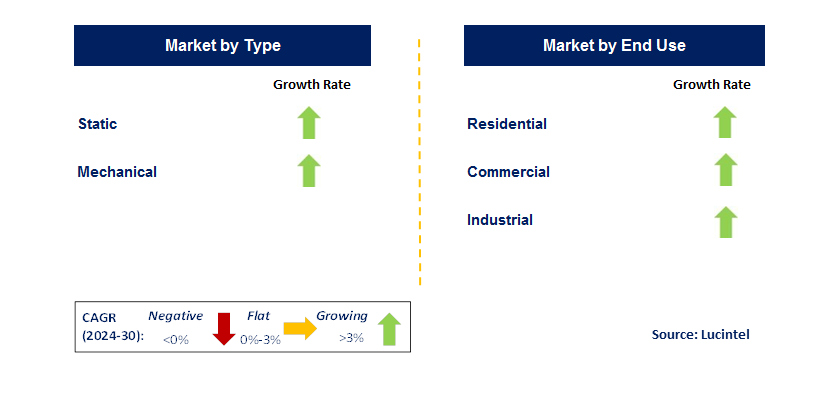
• Static
• Mechanical
• Wired
• Wireless
• Residential
• Commercial
• Industrial
• North America
• Europe
• Asia Pacific
• The Rest of the World
• USA: In the US, developments in the heat meter sector focus on the increased use of smart technologies aimed at improving data accuracy. Approaches to install advanced communication technology-embedded smart meters, including IoT (Internet of Things) connectivity, have been adopted by many residential customers. This offers a live feed of information from various locations remotely, which subsequently improves efficiency during operations as well as customer relations activities, among others. Additionally, stringent energy regulations directly promote innovations related to high-precision meters and energy management systems (EMS). Moreover, retrofitting old systems with modern models of heat meters for higher overall efficiency is becoming popular.
• China: Rapid urbanization and industrialization are propelling China into a new era of smart cities, leading to rising demand for more heat meters and driving growth in this segment faster than any other country in Asia. Recent achievements include affordable heat meters that use up-to-date technology, ensuring accuracy when measuring heating product consumption rates. Chinese companies specializing in such devices have now turned their attention to wireless communication capabilities, including data logging features, so they can be used in large-scale residential or commercial space heaters without any difficulty. Similarly, growing concern over environmental pollution has motivated China to adopt advanced technology related to temperature gauges, among others. Additionally, significant capital is being invested to develop meters capable of withstanding various weather conditions and intensive usage patterns.
• Germany: Germany’s heat metering industry is a leader in the world regarding smart metering and energy efficiency advancements. Highly accurate and reliable heat meters that can be integrated with building energy management systems are being developed by German companies. Most importantly, EU regulations emphasize accuracy and transparency for data that must be available from all devices installed nationwide. Moreover, recent developments include the application of advanced materials and technologies to enhance the durability and performance of heat flow instruments. Therefore, Germany’s focus on sustainable energy solutions, as well as its smart grid initiatives, stimulates new and next-generation directions in this sector.
• India: The Indian market for heating measurement equipment is developing rapidly under the motto "cheap but efficient." Recent achievements involve highly affordable thermal measurement tools suitable for both large estates and small homes. Remote reading capabilities, among other features like data analytics, have been employed to ensure billing accuracy and operational effectiveness by Indian manufacturers producing such items. Government initiatives aimed at conserving energy and driving up energy efficiency among cities also push for greater deployment of smart meters used to measure heating product consumption rates, which are more complex than ordinary electricity or water usage monitors. Additionally, there is increased attention paid to updating outdated infrastructures so that they can be equipped with modern types of heat metering devices that are helpful for managing power networks.
• Japan: In Japan, recent developments in the heat meter market focus on integrating advanced technologies and making them user-friendly. Japanese firms are working toward creating highly accurate and reliable heat meters that incorporate features such as IoT connectivity and real-time data analysis. They are also exploring miniaturized designs and energy efficiency that suit the requirements of residential houses in Japan. Market factors in Japan include strong regulatory frameworks that encourage energy efficiency and the use of cutting-edge technologies. This goal aims to enhance the performance of innovations in line with sustainable development objectives and Japan's energy management strategies.


• Sycous
• Zenner International
• Kamstrup
• Danfoss
• Apator
• BMETERS
• ITRON Q5. Which heat meter market segment will be the largest in future? Answer: Lucintel forecasts that static will remain the largest segment over the forecast period due to its quality like reliability, accuracy, and low maintenance requirements. Q6. In heat meter market, which region is expected to be the largest in next 5 years? Answer: North America will remain the largest region over the forecast period due to increasing focus on environmental sustainability and the need to reduce carbon emissions. Q7. Do we receive customization in this report? Answer: Yes, Lucintel provides 10% customization without any additional cost.


Choose a license that fits your team. Instant PDF delivery.
Prices exclude taxes. Instant delivery. Custom licensing available on request.
Market Report · July 29, 2026
Market Report · July 20, 2026
Market Report · July 20, 2026
Trusted partner for strategic intelligence and business growth


Receive a complimentary market analysis tailored to your industry. Our analysts will identify key growth opportunities and competitive dynamics specific to your business.

Market size, growth rate, and key trend analysis for your specific sector.

Top competitor positioning and market share analysis.

Strategic recommendations backed by data-driven insights.
Get curated market intelligence and competitive moves straight to your inbox.
By subscribing, you agree to receive our monthly insights. Unsubscribe anytime.
Receive a complimentary market analysis tailored to your industry. Our analysts will identify key growth opportunities and competitive dynamics specific to your business.
Market size, growth rate, and key trend analysis for your specific sector.
Top competitor positioning and market share analysis.
Strategic recommendations backed by data-driven insights.
Get curated market intelligence, emerging trends, and competitive moves straight to your inbox each month.
By subscribing, you agree to receive our monthly insights. Unsubscribe anytime.
We'll send your sample report shortly.