
Market Report · July 22, 2026

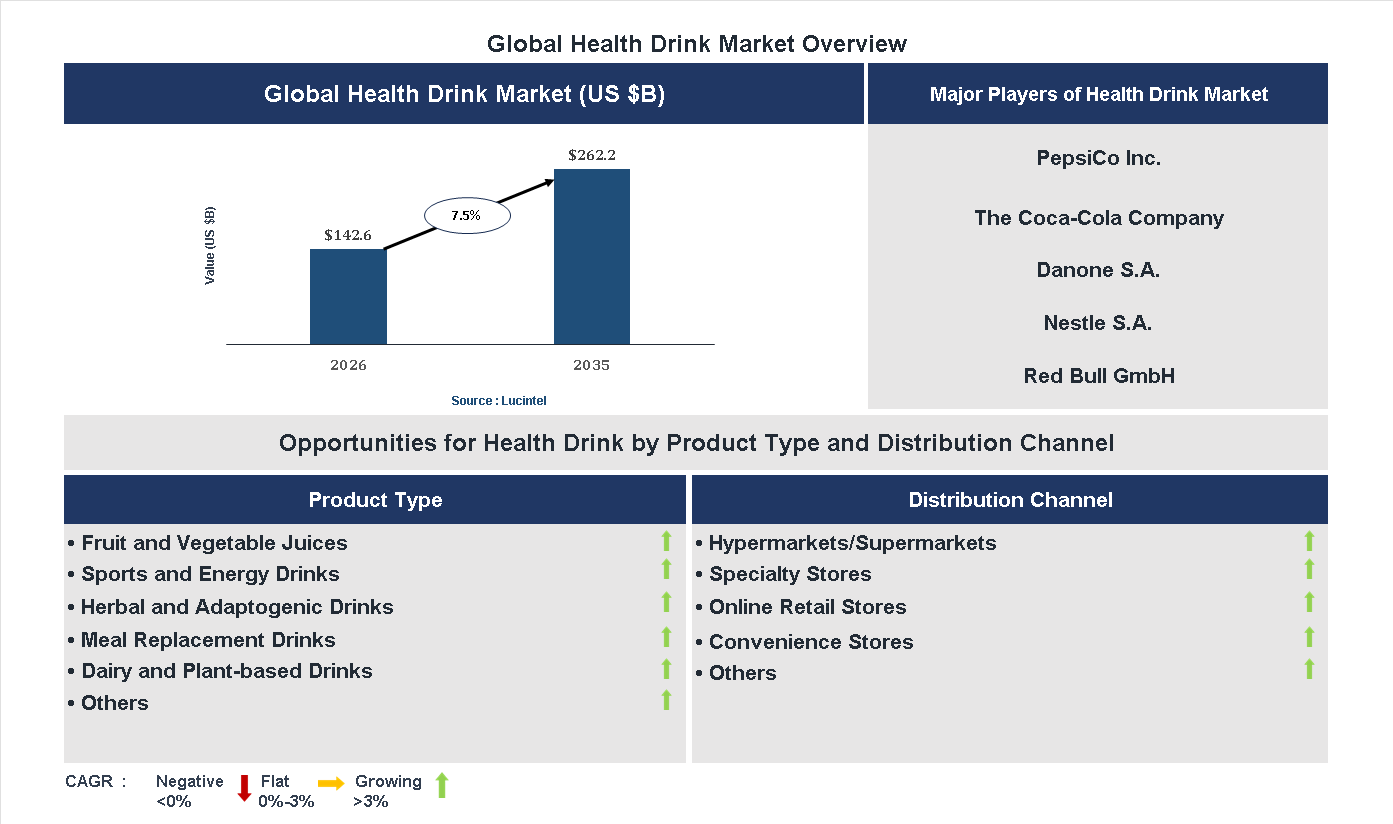
Key data points: The market size in 2035 = $262.2 billion, growth forecast = 7.5% annually for the next 8 years. Scroll below to get more insights. This market report covers trends, opportunities and forecasts in health drink market to 2035 by product type (fruit and vegetable juices, sports and energy drinks, herbal and adaptogenic drinks, meal replacement drinks, dairy and plant-based drinks, and others), distribution channel (hypermarkets/supermarkets, specialty stores, online retail stores, convenience stores, and others), and region (North America, Europe, Asia Pacific, and the Rest of the World)
We'll send your sample report shortly.
• Lucintel forecasts that, within the product type category, fruit & vegetable juice is expected to witness the highest growth over the forecast period.
• Within the distribution channel category, hypermarket/supermarket is expected to witness the highest growth.
• In terms of region, APAC is expected to witness the highest growth over the forecast period. Gain valuable insights for your business decisions with our comprehensive 150+ page report. Sample figures with some insights are shown below.
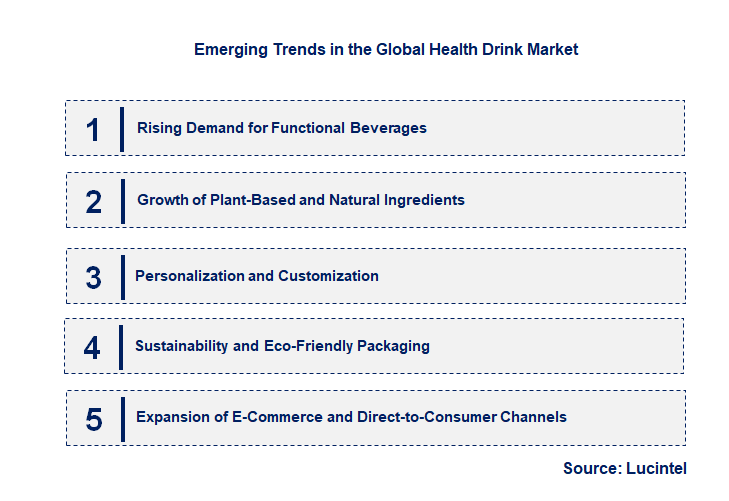
• Rising Demand for Functional Beverages: Consumers are increasingly seeking health drinks that offer specific health benefits such as immunity boosting, gut health, and energy enhancement. This trend is driven by a growing awareness of preventive healthcare and wellness. Brands are developing products with added vitamins, minerals, probiotics, and adaptogens to cater to these needs. The functional beverage segment is expanding rapidly, encouraging innovation and differentiation among competitors. This shift is making health drinks more than just hydration options, positioning them as essential components of daily health routines.
• Growth of Plant-Based and Natural Ingredients: There is a significant shift toward plant-based, organic, and natural ingredients in health drinks. Consumers prefer products free from artificial additives, preservatives, and synthetic flavors, aligning with the broader clean-label movement. This trend is encouraging brands to formulate drinks with ingredients like herbal extracts, superfoods, and plant proteins. The emphasis on natural ingredients enhances product appeal among health-conscious consumers and supports sustainability initiatives. As a result, plant-based health drinks are gaining popularity across various demographics, influencing product development and marketing strategies.
• Personalization and Customization: Advances in technology and data analytics are enabling brands to offer personalized health drink options tailored to individual needs. Consumers are increasingly interested in products that address their specific health concerns, dietary preferences, and lifestyle choices. Companies are leveraging AI, DNA testing, and health tracking apps to create customized formulations. This trend enhances consumer engagement and loyalty by providing targeted solutions. Personalization is also driving innovation in packaging, branding, and marketing, making health drinks more relevant and appealing to diverse consumer segments.
• Sustainability and Eco-Friendly Packaging: Environmental concerns are significantly impacting the health drink market, prompting brands to adopt sustainable practices. Eco-friendly packaging, such as biodegradable bottles and recyclable materials, is becoming standard. Companies are also focusing on reducing carbon footprints, sourcing ingredients responsibly, and promoting ethical practices. This trend resonates with environmentally conscious consumers and enhances brand reputation. Sustainable initiatives are not only a moral imperative but also a competitive advantage, influencing product design, supply chain management, and marketing strategies within the industry.
• Expansion of E-commerce and Direct-to-Consumer Channels: The rise of online shopping platforms and direct-to-consumer models is transforming how health drinks are marketed and sold. Consumers prefer the convenience of purchasing health products online, often seeking subscription services and personalized recommendations. E-commerce enables brands to reach wider audiences, gather consumer data, and offer exclusive products. Digital marketing strategies, influencer collaborations, and virtual health consultations are further boosting sales. This trend is making health drinks more accessible, especially in remote areas, and fostering a more interactive and engaging consumer-brand relationship. These trends are collectively reshaping the health drink market by fostering innovation, emphasizing sustainability, and leveraging technology. They are driving consumer-centric approaches, expanding product offerings, and creating new growth opportunities. As these developments continue, the market is poised for a future characterized by healthier, more personalized, and environmentally responsible products that meet evolving consumer expectations.
• Growth in Functional Beverages: The rising demand for drinks that offer health benefits such as immunity boosting, energy enhancement, and digestive health is expanding the market. Consumers are increasingly choosing functional drinks over traditional beverages, leading to innovation in product formulations. This trend is attracting new players and encouraging existing brands to diversify their offerings, ultimately driving market growth and creating new revenue streams.
• Impact of Natural and Organic Ingredients: Consumers are prioritizing natural, organic, and clean-label products, prompting brands to reformulate and develop health drinks with these ingredients. This shift enhances product credibility and appeals to health-conscious buyers. The demand for plant-based, non-GMO, and minimally processed ingredients is fostering innovation and differentiation in the market, which boosts consumer trust and loyalty, thereby expanding market size.
• Technological Advancements in Packaging: Innovations in packaging, such as eco-friendly, convenient, and resealable bottles, are improving consumer experience and sustainability. Advanced packaging technologies also extend shelf life and preserve nutritional value, making products more appealing. These developments facilitate easier distribution and storage, reduce environmental impact, and attract eco-conscious consumers, ultimately strengthening brand positioning and market competitiveness.
• Expansion of Distribution Channels: The growth of online retail, specialty stores, and health-focused outlets is broadening access to health drinks. E-commerce platforms enable brands to reach a wider audience quickly and efficiently, while brick-and-mortar stores provide experiential shopping. This diversification of distribution channels enhances market penetration, increases sales volume, and caters to the convenience-driven consumer, fueling overall market expansion.
• Rising Focus on Personalization and Customization: Consumers seek personalized health solutions tailored to their specific needs, prompting brands to develop customized health drinks. Advances in data analytics and ingredient technology facilitate this trend, leading to targeted formulations for immunity, energy, or wellness. Personalization enhances consumer engagement, loyalty, and perceived value, driving innovation and growth within the health drink market. These developments are significantly transforming the health drink market by fostering innovation, expanding consumer base, and enhancing sustainability. The market is becoming more competitive, diverse, and aligned with consumer health priorities, which is expected to sustain its growth trajectory and create new opportunities for industry players.
• Growing Demand for Plant-Based and Natural Health Drinks: The shift towards plant-based diets and natural ingredients is significantly impacting the health drink market. Consumers prefer beverages made from organic, non-GMO, and minimally processed ingredients that promote wellness without artificial additives. This trend encourages brands to develop plant-based protein drinks, herbal infusions, and organic juice blends, catering to health-conscious consumers seeking transparency and sustainability. The increasing preference for natural health solutions presents a substantial growth avenue for innovative product development.
• Expansion of Functional Beverages Targeting Specific Health Concerns: The rising prevalence of chronic diseases and lifestyle-related health issues has spurred demand for functional drinks tailored to specific needs. Products infused with vitamins, minerals, probiotics, and adaptogens are gaining popularity for immune support, digestion, mental clarity, and energy enhancement. Companies are investing in R&D to create targeted formulations that address these concerns, offering consumers personalized health benefits. This focus on functional benefits is expected to drive market growth and diversify product portfolios.
• Increasing Adoption of Ready-to-Drink (RTD) Health Beverages for Convenience: Busy lifestyles and on-the-go consumption habits are fueling the demand for convenient, portable health drinks. RTD options such as bottled smoothies, flavored waters, and fortified juices are gaining traction among consumers seeking quick nutritional boosts. Brands are expanding their distribution channels, including online platforms and convenience stores, to meet this demand. The convenience factor, combined with health benefits, positions RTD beverages as a key growth segment in the health drink market.
• Rising Popularity of Sports and Performance Drinks Among Fitness Enthusiasts: The growing focus on fitness and active lifestyles is boosting the demand for sports and performance drinks. These beverages, enriched with electrolytes, amino acids, and energy-boosting ingredients, cater to athletes and fitness-conscious consumers. Innovative formulations that enhance endurance, hydration, and recovery are attracting a broader audience beyond athletes. Strategic marketing and sponsorships in sports events further amplify their visibility, making this segment a significant growth driver.
• Increasing Focus on Sustainable Packaging and Eco-Friendly Practices: Environmental concerns are influencing consumer preferences and brand strategies in the health drink market. Companies adopting sustainable packaging solutions, such as biodegradable bottles and recyclable materials, appeal to eco-conscious consumers. Transparency about sourcing and eco-friendly manufacturing practices also enhances brand reputation. This focus on sustainability not only aligns with consumer values but also offers a competitive advantage, encouraging innovation and responsible growth within the industry. These growth opportunities collectively shape a vibrant and expanding health drink market. By capitalizing on natural ingredients, targeted functional benefits, convenience, active lifestyles, and sustainability, companies can enhance their market presence. Embracing these trends will enable brands to meet evolving consumer expectations, foster innovation, and sustain long-term growth in this competitive landscape.
• Technological Innovation: The development of advanced manufacturing processes and formulation techniques enables the creation of innovative health drinks with enhanced nutritional profiles. Technologies such as encapsulation and fermentation improve ingredient stability and bioavailability, attracting health-conscious consumers. Continuous R&D investments lead to new product launches, catering to diverse dietary needs like gluten-free, vegan, or low-sugar options. This technological progress not only broadens product portfolios but also ensures compliance with safety standards, boosting consumer confidence and market growth.
• Rising Health Awareness: Increasing awareness about the importance of a healthy lifestyle and preventive healthcare is a significant driver. Consumers are actively seeking functional beverages that offer benefits like immunity boosting, energy enhancement, and digestive health. The proliferation of health-related information through digital platforms influences purchasing decisions, encouraging demand for natural, organic, and minimally processed drinks. This trend is further supported by demographic shifts, such as aging populations and fitness-conscious youth, fueling sustained growth in the health drink sector.
• Economic Growth and Disposable Income: Economic development in emerging markets has led to higher disposable incomes, enabling consumers to spend more on premium health products. As affordability improves, demand for high-quality, specialty health drinks increases. This economic upliftment also encourages product innovation and marketing efforts targeted at middle and upper-income groups. Consequently, companies can expand their market reach and introduce diverse product lines, fostering overall industry growth driven by increased consumer purchasing power.
• Regulatory Environment and Standards: Stringent regulations concerning health claims, ingredient safety, and labeling practices influence product development and marketing strategies. Compliance with these standards ensures consumer trust and reduces legal risks. Governments and regulatory bodies are increasingly scrutinizing health claims, requiring scientific substantiation, which encourages transparency and innovation. While regulatory hurdles can pose challenges, they ultimately promote higher product quality and safety, fostering a trustworthy market environment that benefits both consumers and manufacturers.
• Strategic Partnerships and Market Expansion: Collaborations between ingredient suppliers, manufacturers, and distribution channels facilitate innovation and market penetration. Strategic alliances enable access to new markets, especially in developing regions, and support the introduction of culturally tailored health drinks. These partnerships also enhance supply chain efficiency and brand visibility. As companies expand geographically and diversify their product offerings, they can better meet local consumer preferences, driving overall market growth through increased reach and product acceptance. The challenges facing this Market include:
• Regulatory Uncertainty and Compliance Costs: Navigating complex regulatory frameworks across different regions can be challenging and costly. Variations in standards for health claims, ingredient approvals, and labeling require companies to adapt formulations and marketing strategies, increasing compliance expenses. Delays in approvals and changing regulations can hinder product launches and innovation. Smaller players may struggle with these costs, leading to market consolidation. Overall, regulatory uncertainty can slow down market growth and innovation, impacting competitiveness and profitability.
• Intense Competition and Market Saturation: The health drink industry faces fierce competition from established brands and new entrants, leading to market saturation in key regions. Differentiating products becomes difficult amid similar offerings, resulting in price wars and reduced profit margins. Consumer loyalty is often split among multiple brands, making it challenging to capture and retain market share. Additionally, rapid product innovation cycles require continuous investment, which can strain resources. This competitive landscape demands strategic marketing and innovation to sustain growth, posing ongoing challenges for companies operating in this space.
• Supply Chain Disruptions and Ingredient Availability: The reliance on specific natural ingredients and raw materials makes the market vulnerable to supply chain disruptions caused by climate change, geopolitical issues, or pandemics. Shortages or delays in sourcing key ingredients can impact production schedules and product availability. Fluctuating prices of raw materials also affect profit margins and pricing strategies. Ensuring a stable supply chain requires significant planning and diversification, but disruptions can still pose significant risks, hindering market growth and product consistency. The health drink market is shaped by technological advancements, increasing health consciousness, economic growth, regulatory standards, and strategic collaborations. However, it faces challenges such as regulatory complexities, intense competition, and supply chain vulnerabilities. These drivers propel the industry forward by fostering innovation and expanding consumer bases, while challenges necessitate strategic adaptation and resilience. Overall, the markets future depends on balancing innovation with regulatory compliance and supply chain stability, ensuring sustainable growth in a competitive environment.
• PepsiCo Inc.
• The Coca-Cola Company
• Danone S.A.
• Nestle S.A.
• Red Bull GmbH
• Abbott Laboratories
• Glanbia Plc
• Oatly Group
• Blue Diamond Growers
• General Nutrition Centers
• Fruit and Vegetable Juices
• Sports and Energy Drinks
• Herbal and Adaptogenic Drinks
• Meal Replacement Drinks
• Dairy and Plant-based Drinks
• Others
• Hypermarkets/Supermarkets
• Specialty Stores
• Online Retail Stores
• Convenience Stores
• Others
• North America
• Europe
• Asia Pacific
• The Rest of the World
• United States: The U.S. health drink market has seen rapid expansion with a focus on organic, plant-based, and functional beverages. Major brands are investing in R&D to develop innovative products like probiotic drinks and adaptogens. E-commerce sales have surged, and there is a growing trend toward clean-label and sustainable packaging. Regulatory bodies are emphasizing transparency and health claims, influencing product formulations. The market is also witnessing increased consumer interest in personalized nutrition, prompting companies to offer tailored health solutions. Overall, the U.S. market remains highly dynamic and competitive.
• China: Chinas health drink market is experiencing robust growth driven by rising health awareness and urbanization. Traditional ingredients like herbal extracts and teas are being integrated into modern formulations. Local brands are expanding their product portfolios to include functional drinks targeting immunity, digestion, and energy. E-commerce platforms and social media marketing play a crucial role in reaching consumers. Regulatory standards are tightening, encouraging product safety and quality improvements. The market also benefits from government initiatives promoting health and wellness. Innovation in flavor profiles and packaging is helping brands differentiate in this competitive landscape.
• Germany: The German health drink market emphasizes organic, natural, and minimally processed products. Consumers are increasingly interested in plant-based and vegan options, with a focus on sustainability and ethical sourcing. The market is characterized by a strong presence of local and European brands that prioritize transparency and quality. Functional drinks targeting specific health concerns like gut health and immune support are gaining popularity. Regulatory compliance with EU standards is strict, ensuring high safety and labeling standards. Digital marketing and health influencer collaborations are boosting brand visibility. Overall, Germanys market is mature, with a focus on health, sustainability, and innovation.
• India: The Indian health drink market is rapidly expanding, driven by rising health consciousness and disposable incomes. Traditional ingredients like turmeric, ashwagandha, and Tulis are being incorporated into modern beverages. The market is witnessing increased demand for herbal and Ayurvedic drinks that promote immunity and wellness. Urban consumers are seeking convenient, on-the-go options, leading to innovations in packaging and flavors. E-commerce and retail outlets are key distribution channels. Regulatory frameworks are evolving to ensure product safety and quality. The markets growth is also supported by government initiatives promoting traditional medicine and wellness practices, making India a significant emerging market.
• Japan: Japans health drink market is characterized by a focus on functional beverages that support aging populations and overall wellness. Fermented drinks, including kombucha and probiotic shots, are popular. The market emphasizes scientific research backing health claims and high-quality ingredients. Traditional Japanese ingredients like matcha and yuzu are incorporated into modern formulations. Sustainability and eco-friendly packaging are gaining importance among consumers. The industry benefits from advanced technology and innovation, with many companies investing in R&D. Consumer preferences lean toward natural, low-sugar, and health-boosting products. Japan remains a key market for premium and innovative health drinks.


• PepsiCo Inc.
• The Coca-Cola Company
• Danone S.A.
• Nestle S.A.
• Red Bull GmbH
• Abbott Laboratories
• Glanbia Plc
• Oatly Group
• Blue Diamond Growers
• General Nutrition Centers Q6. Which health drink market segment will be the largest in future? Answer: Lucintel forecasts that, within the product type category, fruit & vegetable juice is expected to witness the highest growth over the forecast period. Q7. In health drink market, which region is expected to be the largest in next 5 years? Answer: In terms of region, APAC is expected to witness the highest growth over the forecast period. Q8. Do we receive customization in this report? Answer: Yes, Lucintel provides 10% customization without any additional cost.


Choose a license that fits your team. Instant PDF delivery.
Prices exclude taxes. Instant delivery. Custom licensing available on request.
Market Report · July 22, 2026
Market Report · July 22, 2026
Market Report · July 22, 2026
Trusted partner for strategic intelligence and business growth


Receive a complimentary market analysis tailored to your industry. Our analysts will identify key growth opportunities and competitive dynamics specific to your business.

Market size, growth rate, and key trend analysis for your specific sector.

Top competitor positioning and market share analysis.

Strategic recommendations backed by data-driven insights.
Get curated market intelligence and competitive moves straight to your inbox.
By subscribing, you agree to receive our monthly insights. Unsubscribe anytime.
Receive a complimentary market analysis tailored to your industry. Our analysts will identify key growth opportunities and competitive dynamics specific to your business.
Market size, growth rate, and key trend analysis for your specific sector.
Top competitor positioning and market share analysis.
Strategic recommendations backed by data-driven insights.
Get curated market intelligence, emerging trends, and competitive moves straight to your inbox each month.
By subscribing, you agree to receive our monthly insights. Unsubscribe anytime.
We'll send your sample report shortly.