
Market Report · July 31, 2026

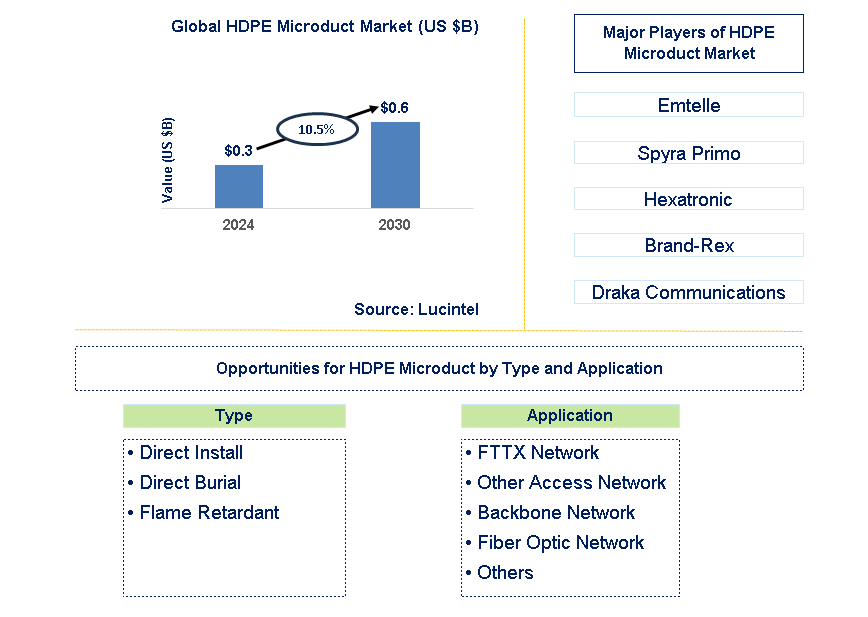
Key data points: The market size in 2030 = $0.6 billion, growth forecast = 10.5% annually for the next 6 years. Scroll below to get more insights. This market report covers trends, opportunities, and forecasts in the global HDPE microduct market to 2030 by type (direct install, direct burial, and flame retardant), application (FTTX network, other access network, backbone network, fiber optic network, and others), and region (North America, Europe, Asia Pacific, and the Rest of the World)
We'll send your sample report shortly.
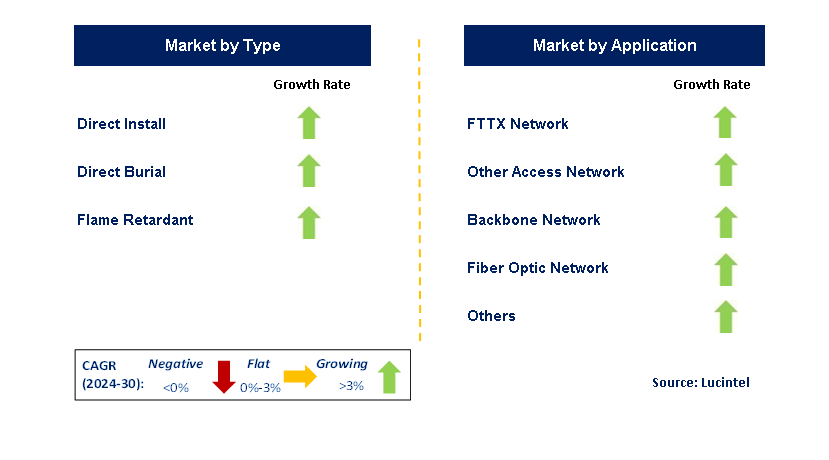
• Lucintel forecasts that, within the type category, direct install will remain the largest segment due to its innovative design for direct ground installation without the need for a duct bank or other protective conduit.
• In terms of regions, APAC will remain the largest region due to rapid urbanization, increasing demand for high-speed internet access, and expanding adoption of 5G networks in the region. Gain valuable insights for your business decisions with our comprehensive 150+ page report.
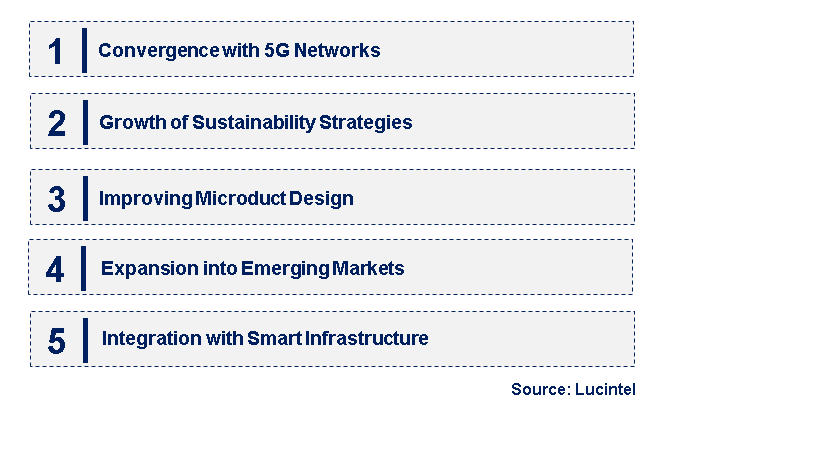
• Convergence with 5G Networks: A notable trend is the convergence of HDPE microducts with 5G networks. There is increasing adoption of microducts as 5G technology is deployed in more locations, with subsequent 5G deployments growing faster and offering ever-increasing speeds and density in the network. Tension and compression inside HDPE microducts alleviate stress on 5G components, leading to faster and more dependable networks.
• Growth of Sustainability Strategies: There is growing concern for sustainability in the HDPE microduct market. Companies are producing microducts using recyclable materials and manufacturing processes that require minimal energy. In line with this, there is a trend toward eliminating less sustainable practices in favor of more environmentally friendly approaches in infrastructure projects.
• Improving Microduct Design: Improved performance and installation of microducts result from changes in their design. Enhancements in flexibility, space-saving smaller diameters, and unblocked networks due to modular systems that ease upgrading of networks are some of the added features. These design improvements lead to faster rollout and easier maintenance of fiber optic networks.
• Expansion into Emerging Markets: The expansion of HDPE microduct markets into emerging economies is a significant trend. Increasing infrastructure projects and the growing need for digitized connections in regions such as Asia-Pacific and Latin America are driving the demand for quality microducts. This trend presents opportunities for market growth and regional development.
• Integration with Smart Infrastructure: There is an upsurge in the integration of HDPE microducts with smart infrastructure. Microducts are used in combination with smart city technologies, such as IoT and smart grids, expanding beyond basic communication infrastructure. This trend reflects the growing need for infrastructure systems that are not only intelligent but also interconnected. Emerging trends, such as the integration with 5G networks, an enhanced focus on ecological and environmental factors, changes in microduct designs, expansion into new markets, and assimilation with smart infrastructure, are reshaping the HDPE microduct market. These trends stimulate technological improvements, increase efficiency, and push the market into a new phase of exploration and growth.
• Improved Strength and Elasticity: In terms of HDPE microduct technology development, more emphasis is being placed on durability and flexibility. New compounds, along with improved manufacturing methods, have led to microducts that are more resistant to adverse environmental conditions and easier to install. These enhancements also improve the longevity of built structures and reduce maintenance costs.
• New Pixel-Microduct Designs: A significant new development is the emergence of microduct designs for use in FTTx applications, which include smaller diameters and modular systems. These designs improve space efficiency and facilitate network upgrades by utilizing fiber optic technology. This innovation is driven by the ever-increasing demand for efficient and upgradable telecommunication infrastructure.
• Environment-Friendly Materials: The use of environmentally friendly materials in the production of HDPE microducts is another key advantage. The materials used are recyclable, which helps companies comply with new regulations. This transformation is favorable not only for businesses but also for the environment, which is a growing concern among consumers.
• Increased Uses: There has been an increase in the number of applications where HDPE microducts are used, with telecommunications no longer being their only focus. Recent developments include their integration with smart city projects, energy management systems, and IoT networks. This broader scope demonstrates the increased application and importance of microducts in contemporary infrastructure development.
• Market Development in New Countries: The HDPE microduct market is expanding into developing countries due to increased spending on infrastructure and the growing demand for digital connectivity. These products are being promoted in the Asia-Pacific and Latin America regions, where they meet local needs and comply with regional laws. This development opens new avenues for market growth. The HDPE microduct market has experienced increased activity in terms of innovation, including the development of more durable products, environmentally friendly designs, expanded applications, and entry into new markets. These advancements improve performance, sustainability, and market penetration, driving the overall development of the HDPE microduct market.
• Residential Fiber Access Networks: The accelerating growth of residential fiber access networks worldwide presents a major opportunity for HDPE microduct manufacturers. As broadband usage increases, there is growing demand for microduct solutions in the residential sector for fiber optic home network installations. This provides manufacturers with an opportunity to develop customized products tailored to the home market and improve access to internet services.
• Smart City Projects: Smart city projects present robust opportunities for the growth of HDPE microducts. The use of microducts in constructing smart infrastructure, such as IoT networks and smart grids, fosters advanced communication systems. Manufacturers can capitalize on this opportunity by developing microduct solutions aimed at supporting the growth of smart city projects.
• 5G Network Deployment: The deployment of 5G networks represents a significant opportunity for the growth of the HDPE microduct market. High-speed, high-capacity fiber optic cables required for 5G infrastructure create increased demand for advanced microduct solutions. This provides an opportunity for manufacturers to focus on producing microducts capable of handling the high-performance and widespread requirements of 5G networks.
• Green Building Initiatives: Green building initiatives and a focus on sustainability present opportunities for HDPE microducts made with bioplastics. As building codes and consumer preferences shift toward green construction, manufacturers should prioritize producing eco-friendly microduct solutions.
• Infrastructure Upgrades in Emerging Markets: Emerging markets also offer HDPE microduct manufacturers opportunities for growth through infrastructure upgrades. The rising levels of telecom and broadband investments in regions such as Asia-Pacific and Latin America are driving demand for microduct solutions. This provides manufacturers with opportunities to increase market share and support regional infrastructure development. Trends affecting the HDPE microduct market—such as residential fiber networks, smart city projects, 5G deployment, green building initiatives, and infrastructure improvements in emerging regions—present significant opportunities for strategic growth and industry advancement. Taking advantage of these opportunities will foster innovation, enhance product and service market penetration, and help develop modern telecom infrastructure.
• Technological Advancements: The improvement of HDPE microduct properties, such as durability and flexibility, due to advancements in technology is a key factor driving market growth. Changes in design performance and new manufacturing methods are expected to increase demand for better microduct solutions.
• Increasing Use of Fiber Optic Networks: The growing demand for fiber optic networks, driven by the expansion of high-speed internet and 5G technologies, has made the availability of HDPE microducts essential. The development of the telecommunications industry is increasing the need for efficient and scalable microducts, which in turn fuels market growth.
• Infrastructure Development: The development of residential and commercial buildings, smart cities, and other infrastructure projects creates demand for HDPE microducts. As investments in digital connectivity and network expansion increase, manufacturers have opportunities to supply microduct solutions to these growing sectors.
• Government Laws Encouraging Green Technology: Government regulations promoting green technology and the adoption of green construction practices make it easier to market and sell microducts made from eco-friendly HDPE materials. Policies and incentives aimed at reducing global warming encourage manufacturers to produce recycled and sustainable microducts.
• Market Expansion in Emerging Economies: The expansion of the HDPE microduct market into emerging economies presents significant growth opportunities. Increasing investments in telecommunications and digital infrastructure in regions such as Asia-Pacific and Latin America are driving demand for microduct solutions, supporting market growth and regional development. Challenges in the HDPE microduct market include:
• High Production Costs: Advanced manufacturing techniques used to produce HDPE microducts are costly, which could limit market growth. Factors such as research, development, and production costs can affect the price and availability of products, especially in emerging markets. Balancing cost efficiency with innovation is crucial to maintaining competitiveness in the market.
• Regulatory Compliance: Navigating complex regulatory requirements and ensuring compliance with safety and environmental standards can be challenging for manufacturers. Stricter regulations and varying standards across regions can increase costs and complicate market entry.
• Supply Chain Disruptions: Supply chain disruptions, including logistical challenges and production delays, can affect the availability of HDPE microducts. Addressing these issues is essential to ensuring timely product delivery and maintaining responsiveness to demand, particularly in rapidly developing economies. Some key drivers of the HDPE microduct market include technological advancements, the increasing need for fiber optic networks, infrastructure development, government policies promoting green technologies, and market expansion in developing countries. However, challenges such as high production costs, regulatory compliance, and supply chain disruptions still hinder market growth. Understanding and addressing these factors will be crucial for optimizing growth in the market.
• Emtelle
• Spyra Primo
• Hexatronic
• Brand-Rex
• Draka Communications
• Mexichem
• Nestor Cables
• Datwyler Cables
• Egeplast
• KNET
• Direct Install
• Direct Burial
• Flame Retardant
• FTTX Network
• Other Access Network
• Backbone Network
• Fiber Optic Network
• Others
• North America
• Europe
• Asia Pacific
• The Rest of the World
• United States: In the US, the expansion of broadband and the shift toward HDPE microducts have led to significant strides in the microduct market. Increased spending on 5G and fiber-to-the-home (FTTH) projects has created a need for higher-quality HDPE microducts. There is now a focus on enhancing durability and reducing installation times, with new trends in microduct manufacturing enabling more efficient deployment and future-proofing of networks.
• China: In China, large-scale government building projects, including urbanization and the development of 5G networks, have driven the growth of the HDPE microduct market. The upgrading of telecommunication networks and the increasing adoption of fiber optic and broadband technology, particularly in rural areas, have increased demand for HDPE microducts. Chinese manufacturers are producing high-performance microducts suitable for both local and international markets.
• Germany: In Germany, filmmakers and engineers are developing new HDPE microduct designs that align with environmentally friendly initiatives. Lawmakers in Germany are also promoting innovative manufacturing methods for HDPE microducts. The expansion of broadband networks, including fiber optic and 5G infrastructure, has increased demand for durable, high-quality microduct systems.
• India: In India, there has been a significant increase in the adoption of HDPE microducts, driven by government investments in digital infrastructure and smart city projects. The growing demand for fiber-to-the-home and high-speed broadband connections has spurred the use of HDPE microducts in both new construction and rehabilitation projects. Additionally, there are initiatives to make mini-duct systems more affordable and widely available for both urban and rural applications.
• Japan: In Japan, technological precision and engineering excellence are key features of HDPE microduct products. Recent trends focus on enhancing microduct performance and lifespan by using advanced materials and manufacturing technologies. As 5G technology, high-speed fiber optics, and other telecommunications infrastructure continue to grow, the demand for high-quality HDPE microducts in Japan is increasing rapidly.
• Emtelle
• Spyra Primo
• Hexatronic
• Brand-Rex
• Draka Communications
• Mexichem
• Nestor Cables
• Datwyler Cables
• Egeplast
• KNET Q6. Which HDPE microduct market segment will be the largest in future? Answer: Lucintel forecasts that direct install will remain the largest segment due to its innovative design for direct ground installation without the need for a duct bank or other protective conduit. Q7. In HDPE microduct market, which region is expected to be the largest in next 5 years? Answer: APAC will remain the largest region due to rapid urbanization, increasing demand for high-speed internet access, and expanding adoption of 5G networks in the region. Q.8 Do we receive customization in this report? Answer: Yes, Lucintel provides 10% customization without any additional cost.


Choose a license that fits your team. Instant PDF delivery.
Prices exclude taxes. Instant delivery. Custom licensing available on request.
Market Report · July 31, 2026
Market Report · July 31, 2026
Market Report · July 31, 2026
Trusted partner for strategic intelligence and business growth


Receive a complimentary market analysis tailored to your industry. Our analysts will identify key growth opportunities and competitive dynamics specific to your business.

Market size, growth rate, and key trend analysis for your specific sector.

Top competitor positioning and market share analysis.

Strategic recommendations backed by data-driven insights.
Get curated market intelligence and competitive moves straight to your inbox.
By subscribing, you agree to receive our monthly insights. Unsubscribe anytime.
Receive a complimentary market analysis tailored to your industry. Our analysts will identify key growth opportunities and competitive dynamics specific to your business.
Market size, growth rate, and key trend analysis for your specific sector.
Top competitor positioning and market share analysis.
Strategic recommendations backed by data-driven insights.
Get curated market intelligence, emerging trends, and competitive moves straight to your inbox each month.
By subscribing, you agree to receive our monthly insights. Unsubscribe anytime.
We'll send your sample report shortly.