
Market Report · July 22, 2026

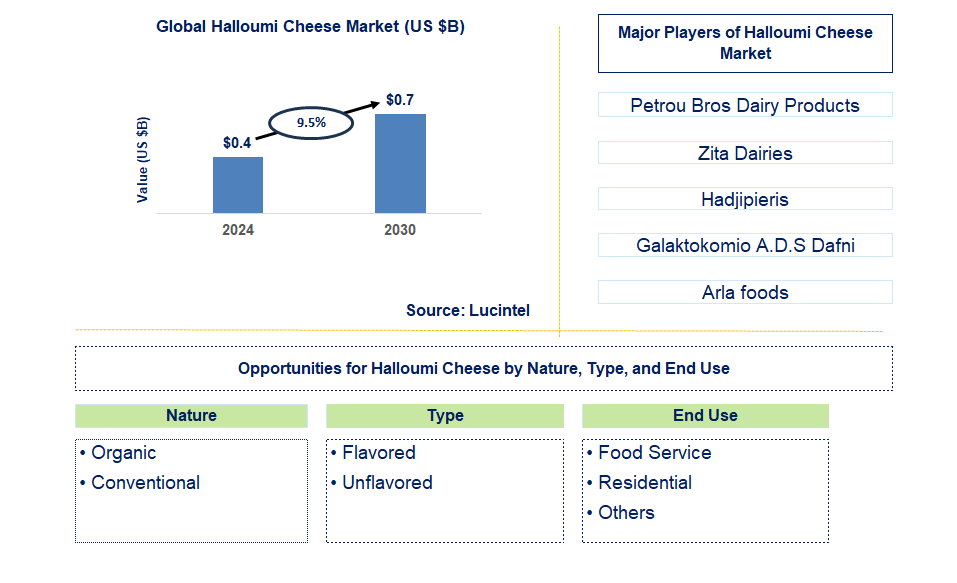
Key data points: The market size in 2030 = $0.7 billion, growth forecast = 9.5% annually for the next 6 years. Scroll below to get more insights. This market report covers trends, opportunities, and forecasts in the global halloumi cheese market to 2030 by nature (organic and conventional), type (flavored and unflavored), end use (food service, residential, and others), and region (North America, Europe, Asia Pacific, and the Rest of the World)
We'll send your sample report shortly.
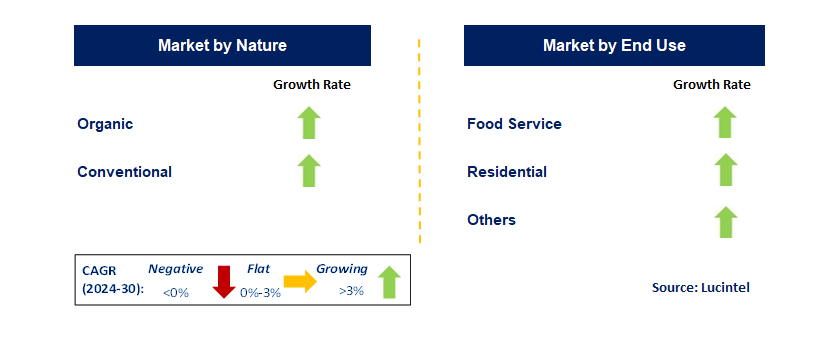
• Lucintel forecasts that, within the nature category, the conventional will remain the larger segment over the forecast period.
• Within the end use category, food service will remain the largest segment over the forecast period.
• In terms of region, APAC is expected to witness the highest growth over the forecast period. A more than 150-page report is developed to help in your business decisions.
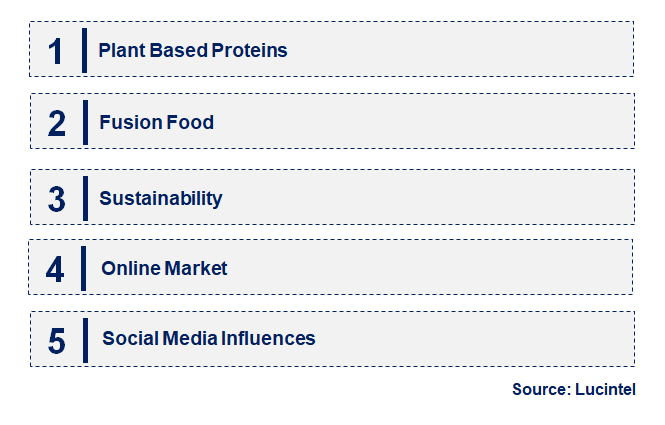
• Plant-Based Proteins: Increased demand for plant-based and protein-rich foods is propelling halloumi into the spotlight, as consumers seek healthier alternatives without sacrificing flavor. Halloumi’s unique texture and grilling capabilities cater perfectly to this trend, making it an appealing choice for those looking to enhance their diets while enjoying diverse flavors.
• Fusion Food: The rise of fusion cuisine is encouraging chefs and home cooks to experiment with halloumi, integrating it into traditional and modern dishes. This trend broadens its culinary applications, allowing halloumi to transcend cultural boundaries and appeal to a diverse range of consumers.
• Sustainability: Sustainability and ethical sourcing are becoming paramount in consumer purchasing decisions. As a result, brands are focusing on transparent supply chains and eco-friendly practices. Halloumi producers are responding by adopting sustainable methods, which resonate with environmentally conscious consumers and enhance brand loyalty.
• Online Market: The growth of online grocery shopping has made specialty cheeses, including halloumi, more accessible to consumers. E-commerce platforms allow niche products to reach wider audiences, facilitating the expansion of halloumi’s market presence. This trend has accelerated during the pandemic, leading to increased consumer experimentation with new food products.
• Social Media Influences: Culinary education and social media are playing significant roles in driving halloumi’s popularity. As influencers and chefs showcase innovative recipes online, consumers are inspired to try halloumi in new ways. This trend not only boosts sales but also cultivates a community of halloumi enthusiasts eager to share their culinary experiences. These trends are reshaping the halloumi cheese market by fostering innovation, expanding consumer bases, and encouraging sustainable practices. As halloumi gains global recognition, its versatility and unique attributes will likely continue to captivate diverse markets.
• Increased Global Demand: The global demand for halloumi cheese has surged, particularly in Europe and North America, as consumers seek diverse, high-protein food options. This rise has led to expanded production capabilities and new entrants in the market, increasing competition. As restaurants and food service providers incorporate halloumi into their menus, the cheese’s profile has grown, driving further interest among consumers. The resulting market expansion has encouraged innovation in flavors and product formats, catering to varying culinary preferences.
• Geographic Expansion of Production: Traditionally produced in Cyprus, halloumi cheese is now manufactured in various countries, including the UK and Australia. This geographic expansion has been driven by the need to meet local demand and reduce shipping costs. As producers adapt traditional recipes to local tastes, the diversification of halloumi products has increased, appealing to a broader consumer base. This localization of production not only enhances freshness but also allows for unique variations, making halloumi more accessible worldwide.
• Sustainability Initiatives: With a growing focus on sustainability, many halloumi producers are adopting eco-friendly practices in their production processes. Initiatives such as sourcing milk from local, grass-fed farms and reducing packaging waste are becoming standard. These efforts resonate with environmentally conscious consumers, enhancing brand loyalty and market appeal. As a result, sustainability is not only improving the industry’s environmental footprint but also driving sales as consumers increasingly prioritize ethical products in their purchasing decisions.
• Product Innovation and Variants: Recent innovations in halloumi cheese have led to the development of flavored variants and plant-based alternatives. These new products cater to diverse dietary preferences, including vegetarian and vegan consumers. Flavors such as garlic, chili, and herbs have made halloumi more versatile in cooking and snacking. Additionally, plant-based alternatives appeal to a growing segment of health-conscious consumers, ensuring that halloumi remains competitive in a market increasingly influenced by dietary restrictions and preferences.
• Regulatory Changes and Certification: The introduction of PDO (Protected Designation of Origin) status for traditional halloumi has created both challenges and opportunities in the market. This certification emphasizes quality and authenticity, allowing producers in Cyprus to protect their traditional methods. However, it also imposes stricter regulations on production methods for those outside the designated area. As a result, producers worldwide must adapt to maintain competitiveness while ensuring compliance, leading to innovations that respect traditional practices while catering to a global audience. In conclusion, these developments are reshaping the halloumi cheese market by increasing demand and diversifying product offerings. The focus on sustainability and innovation, along with regulatory changes, ensures that halloumi remains relevant in a dynamic food landscape. As consumer preferences continue to evolve, the halloumi cheese market is poised for sustained growth, driven by adaptability and a commitment to quality.
• Food Service Industry: The food service sector, including restaurants and catering companies, presents a significant growth opportunity for halloumi. Its ability to withstand high cooking temperatures makes it ideal for grilling and frying, which are popular cooking methods in many cuisines. As chefs experiment with halloumi in creative dishes, its inclusion on menus can drive customer interest and loyalty. This application not only boosts sales for producers but also enhances the overall dining experience, promoting halloumi as a versatile ingredient that can elevate a meal.
• Retail and Packaged Foods: The retail sector is increasingly embracing halloumi cheese, particularly in ready-to-eat and packaged food products. Pre-packaged halloumi snacks and meal kits are becoming popular, catering to busy consumers seeking convenience without sacrificing quality. This trend aligns with the growing demand for healthy, protein-rich snacks. As retailers expand their offerings, halloumi’s visibility increases, encouraging trial among new consumers. This surge in packaged options allows producers to reach a broader audience, further solidifying halloumi’s market position.
• Plant-Based Alternatives: The rise of plant-based diets presents an exciting opportunity for halloumi cheese. Producers can develop dairy-free alternatives that mimic the taste and texture of traditional halloumi, appealing to vegans and lactose-intolerant consumers. By creating innovative plant-based versions, companies can tap into a rapidly growing market segment, promoting inclusivity in dining options. This diversification not only enhances brand loyalty among existing customers but also attracts a new demographic, increasing overall market reach.
• Snack and Appetizer Markets: Halloumi’s unique texture and flavor make it an ideal candidate for snacks and appetizers. As consumers increasingly seek out healthier snack options, halloumi can be positioned as a nutritious alternative to traditional snack foods. Offering halloumi in bite-sized portions, paired with dips or as part of charcuterie boards, can elevate its appeal in social settings. This application not only boosts sales but also strengthens halloumi’s identity as a versatile and trendy snack choice.
• International Cuisine Integration: The integration of halloumi into various international cuisines offers substantial growth potential. As global culinary trends continue to evolve, halloumi can be featured in dishes ranging from Mediterranean to Middle Eastern and beyond. By promoting its adaptability in diverse recipes, producers can attract a wide array of consumers interested in exploring global flavors. This cross-cultural integration helps establish halloumi as a culinary staple, expanding its market presence and driving innovation in product development. In conclusion, these growth opportunities highlight halloumi cheese’s potential across various applications, from food service to retail and beyond. By tapping into these areas, producers can enhance market reach and consumer engagement, ensuring halloumi remains a prominent player in the evolving food landscape. As these opportunities are leveraged, the halloumi cheese market is set for continued expansion and innovation.
• Growing Health Consciousness: An increasing number of consumers are prioritizing health and wellness, which has boosted the demand for high-protein foods like halloumi cheese. Its nutritional profile, rich in protein and calcium, aligns well with health trends, appealing to fitness enthusiasts and those seeking balanced diets. This driver not only enhances sales but also positions halloumi as a versatile ingredient in various healthy dishes, contributing to its rising popularity in both retail and food service sectors.
• Diverse Culinary Applications: Halloumi’s unique texture and flavor make it suitable for a wide range of culinary uses, from grilling to frying. This versatility allows it to be incorporated into numerous dishes, attracting diverse consumer demographics. As chefs and home cooks alike experiment with halloumi in innovative recipes, its presence in the kitchen expands. This adaptability helps sustain consumer interest and encourages product innovation, further solidifying halloumi’s market position.
• Increased Global Demand: The global appetite for halloumi cheese is growing, driven by trends in food culture and globalization. As more consumers are exposed to Mediterranean diets and flavors, the demand for authentic halloumi has surged, particularly in regions outside its traditional markets. This growing interest not only leads to increased production but also incentivizes producers to explore new international markets, ultimately broadening the consumer base and boosting sales.
• Sustainability Trends: The growing emphasis on sustainability within the food industry is influencing halloumi producers to adopt eco-friendly practices. By sourcing milk from local, grass-fed farms and implementing sustainable packaging, producers can appeal to environmentally conscious consumers. This driver not only enhances brand loyalty but also fosters a positive market image, setting the stage for future growth as sustainability continues to be a pivotal consumer concern.
• Innovation in Product Development: Advances in food technology are facilitating the creation of new halloumi products, including flavored varieties and plant-based alternatives. These innovations cater to evolving consumer preferences, such as dietary restrictions and a desire for unique flavors. By continuously developing new offerings, producers can tap into niche markets and attract a wider audience, which is crucial for maintaining competitiveness in an ever-evolving market landscape. Challenges in the halloumi cheese market are:
• Regulatory Challenges: The introduction of stricter regulations regarding production standards and labeling can pose significant challenges for halloumi producers. Compliance with these regulations may require adjustments in sourcing and manufacturing processes, potentially increasing costs. Additionally, producers outside designated regions may struggle to compete with those benefiting from protected designation of origin (PDO) status, which can limit market access and create disparities.
• Market Saturation: As demand for halloumi grows, the market is becoming increasingly saturated with both traditional and innovative products. This heightened competition can lead to price wars, impacting profitability for producers. Companies must continuously differentiate their products and emphasize quality to maintain market share, which can be a considerable challenge in a crowded marketplace.
• Supply Chain Issues: Sourcing high-quality milk, especially from grass-fed cows, can be challenging and may lead to supply chain disruptions. Variability in milk supply can affect production consistency and product availability. In conclusion, the halloumi cheese market is significantly shaped by these drivers and challenges. While growing health consciousness, diverse culinary applications, and sustainability trends present opportunities for expansion, regulatory challenges and market saturation require strategic navigation. Understanding and addressing these factors will be essential for producers aiming to thrive in an evolving landscape, ensuring that halloumi remains a sought-after product in both domestic and international markets.
• Petrou Bros Dairy Products
• Zita Dairies
• Hadjipieris
• Galaktokomio A.D.S Dafni
• Arla foods
• Almarai
• Nordex Foods A/S
• CowBoy Farm
• Sussex High Weald Dairy
• Lefkonitziatis Dairy Products
• Organic
• Conventional
• Flavored
• Unflavored
• Food Service
• Residential
• Others
• North America
• Europe
• Asia Pacific
• The Rest of the World
• United States: In the U.S., halloumi cheese is gaining traction among health-conscious consumers and culinary enthusiasts. Its grilling capabilities make it a favorite for summer barbecues and salads. Major grocery chains are now stocking a wider variety of halloumi brands, reflecting increased demand. Food festivals and cooking shows are also showcasing halloumi, educating consumers about its uses. With a growing focus on Mediterranean diets, halloumi's popularity is expected to rise further, encouraging innovative recipes and culinary applications.
• China: In China, the halloumi market is emerging as part of a broader trend in cheese consumption. Traditionally, cheese has not been a staple in Chinese cuisine, but increasing exposure to Western food trends is helping halloumi find its niche. Import regulations are gradually easing, making it easier for international suppliers to enter the market. Chinese consumers are particularly drawn to halloumi’s unique texture and flavor, incorporating it into both Western-style dishes and local recipes. This cultural blending is expanding halloumi's presence in urban areas and among younger consumers.
• Germany: Germany is witnessing a significant rise in halloumi consumption, driven by the country's robust cheese market and a growing preference for Mediterranean foods. Local producers are experimenting with variations of halloumi, incorporating regional flavors and ingredients. The cheese is increasingly featured in health-focused diets due to its protein content and versatility in various culinary applications. Moreover, food service operators, including restaurants and catering companies, are embracing halloumi, further cementing its status as a trendy ingredient. This trend reflects a broader interest in gourmet cheese options among German consumers.
• India: In India, the halloumi cheese market is still in its nascent stages but is gradually gaining attention, particularly among urban consumers. With rising disposable incomes and a growing interest in global cuisines, halloumi is being introduced in premium grocery stores and upscale restaurants. Innovative chefs are incorporating it into traditional Indian dishes, creating fusion recipes that appeal to local palates. Additionally, health and wellness trends are driving interest in protein-rich foods, positioning halloumi as an attractive option. As awareness grows, the market for halloumi in India is poised for further expansion.
• Japan: In Japan, halloumi cheese is becoming increasingly popular, especially among younger generations seeking new culinary experiences. The cheese's unique texture is appealing for various dishes, from salads to grilled skewers. Japanese consumers appreciate halloumi's potential for fusion cuisine, incorporating it into local dishes and experimenting with flavors. There is also a growing trend towards health-conscious eating, making halloumi's high protein content attractive. As gourmet food trends continue to rise, the demand for diverse cheese options, including halloumi, is expected to grow, reflecting broader changes in Japanese dietary habits.


• Petrou Bros Dairy Products
• Zita Dairies
• Hadjipieris
• Galaktokomio A.D.S Dafni
• Arla foods
• Almarai
• Nordex Foods A/S
• CowBoy Farm
• Sussex High Weald Dairy
• Lefkonitziatis Dairy Products Q6. Which halloumi cheese market segment will be the largest in the future? Answer: Lucintel forecasts that conventional will remain the larger segment over the forecast period. Q7. In the halloumi cheese market, which region is expected to be the largest in the next 5 years? Answer: APAC is expected to witness the highest growth over the forecast period. Q.8 Do we receive customization in this report? Answer: Yes, Lucintel provides 10% customization without any additional cost.


Choose a license that fits your team. Instant PDF delivery.
Prices exclude taxes. Instant delivery. Custom licensing available on request.
Market Report · July 22, 2026
Market Report · July 22, 2026
Market Report · July 22, 2026
Trusted partner for strategic intelligence and business growth


Receive a complimentary market analysis tailored to your industry. Our analysts will identify key growth opportunities and competitive dynamics specific to your business.

Market size, growth rate, and key trend analysis for your specific sector.

Top competitor positioning and market share analysis.

Strategic recommendations backed by data-driven insights.
Get curated market intelligence and competitive moves straight to your inbox.
By subscribing, you agree to receive our monthly insights. Unsubscribe anytime.
Receive a complimentary market analysis tailored to your industry. Our analysts will identify key growth opportunities and competitive dynamics specific to your business.
Market size, growth rate, and key trend analysis for your specific sector.
Top competitor positioning and market share analysis.
Strategic recommendations backed by data-driven insights.
Get curated market intelligence, emerging trends, and competitive moves straight to your inbox each month.
By subscribing, you agree to receive our monthly insights. Unsubscribe anytime.
We'll send your sample report shortly.