
Market Report · July 22, 2026

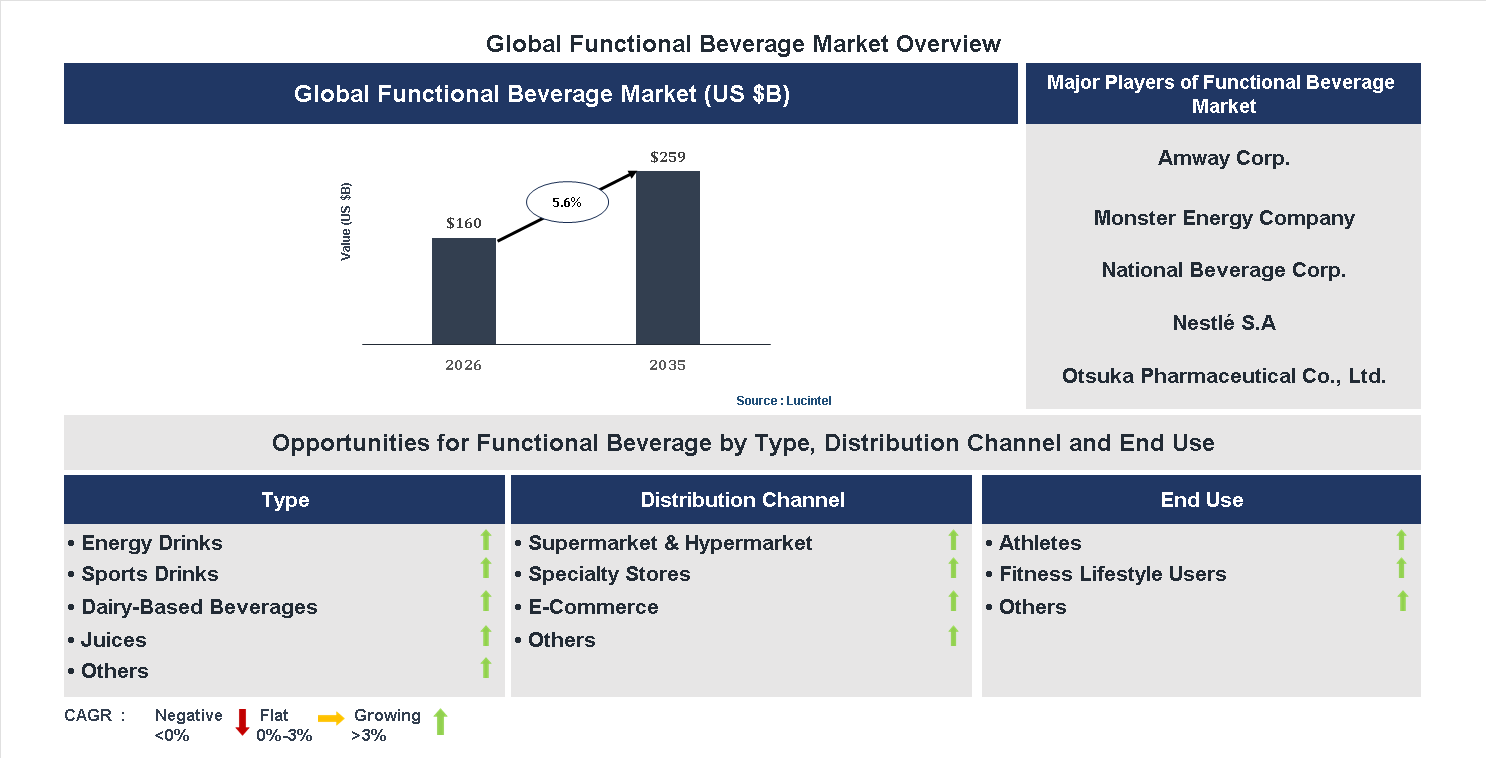
Key data points: The market size in 2035 = $259 billion, growth forecast = 5.6% annually for the next 8 years. Scroll below to get more insights. This market report covers trends, opportunities and forecasts in functional beverage market to 2035 by type (energy drinks, sports drinks, dairy-based beverages, juices, and others), distribution channel (supermarket & hypermarket, specialty stores, e-commerce, and others), end use (athletes, fitness lifestyle users, and others), and region (North America, Europe, Asia Pacific, and the Rest of the World)
We'll send your sample report shortly.
• Lucintel forecasts that, within the end use category, fitness lifestyle user is expected to witness higher growth over the forecast period.
• Within the type category, energy drink is expected to witness the highest growth.
• In terms of region, APAC is expected to witness the highest growth over the forecast period. Gain valuable insights for your business decisions with our comprehensive 150+ page report. Sample figures with some insights are shown below.
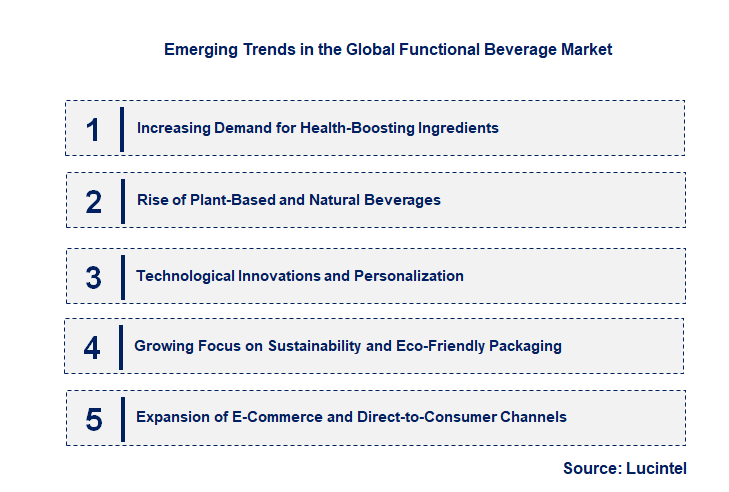
• Increasing Demand for Health-Boosting Ingredients: Consumers are prioritizing health and wellness, leading to a surge in beverages infused with vitamins, minerals, adaptogens, and probiotics. This trend reflects a shift towards preventive health, with products designed to enhance immunity, digestion, and mental clarity. Companies are innovating with natural, plant-based ingredients to meet consumer preferences for clean-label and functional benefits. The demand is also driven by aging populations and health-conscious millennials, prompting brands to develop targeted formulations that cater to specific health needs, thereby expanding market reach and product diversity.
• Rise of Plant-Based and Natural Beverages: The market is witnessing a significant shift towards plant-based ingredients and natural formulations. Consumers are increasingly seeking beverages made from organic, non-GMO, and sustainably sourced ingredients. This trend is driven by environmental concerns, ethical considerations, and a desire for transparency in product sourcing. Plant-based functional drinks, such as herbal infusions, coconut waters, and botanical tonics, are gaining popularity for their perceived health benefits and minimal processing. This shift is encouraging brands to innovate with new plant-based combinations, leading to a broader product portfolio and a more sustainable market footprint.
• Technological Innovations and Personalization: Advances in technology are enabling the development of personalized functional beverages tailored to individual health profiles and preferences. Innovations include the use of AI and data analytics to create customized formulations, as well as smart packaging that provides real-time health insights. This trend enhances consumer engagement and loyalty by offering unique, targeted solutions. Additionally, innovations in delivery formats, such as ready-to-drink, powders, and functional shots, improve convenience and accessibility. Personalization is transforming the market from generic offerings to bespoke health solutions, fostering deeper consumer trust and expanding market potential.
• Growing Focus on Sustainability and Eco-Friendly Packaging: Environmental concerns are prompting companies to adopt sustainable practices, including eco-friendly packaging, biodegradable bottles, and recyclable materials. Consumers are increasingly scrutinizing the environmental impact of their purchases, favoring brands that demonstrate corporate social responsibility. This trend is influencing product design, supply chain management, and marketing strategies, with a focus on reducing carbon footprints and waste. Sustainable packaging not only appeals to eco-conscious consumers but also aligns with regulatory pressures and global sustainability goals, thereby shaping a more responsible and resilient market landscape.
• Expansion of E-commerce and Direct-to-Consumer Channels: The digital shift is significantly impacting the distribution of functional beverages. E-commerce platforms and direct-to-consumer models are providing brands with new avenues to reach consumers directly, bypassing traditional retail channels. This trend offers benefits such as personalized marketing, data collection, and faster product launches. It also caters to the growing preference for online shopping, especially among younger demographics. The expansion of digital channels is enabling brands to build stronger relationships with consumers, gather valuable insights, and adapt quickly to market trends, ultimately driving growth and innovation in the functional beverage sector. These emerging trends are collectively reshaping the functional beverage market by fostering innovation, emphasizing health and sustainability, and leveraging digital technologies. They are expanding market opportunities, enhancing consumer engagement, and setting new standards for product development and corporate responsibility. As these trends continue to evolve, they will drive the industry toward a more personalized, sustainable, and health-focused future.
• Growing Demand for Immunity-Boosting Drinks: The rise in health awareness has led consumers to seek beverages that strengthen immune systems. Companies are developing products with ingredients like vitamins, minerals, and herbal extracts. This trend has expanded the market, especially during health crises, creating opportunities for new product launches and brand differentiation. The focus on immunity has also driven innovation in packaging and marketing strategies to emphasize health benefits, boosting sales and consumer loyalty.
• Innovation in Natural and Plant-Based Ingredients: The shift towards clean-label and plant-based products has prompted brands to incorporate natural ingredients like adaptogens, botanicals, and superfoods. These ingredients appeal to health-conscious consumers seeking functional benefits without synthetic additives. This development has increased product diversity and opened new market segments. It also encourages sustainable sourcing practices, aligning with consumer values and enhancing brand reputation, ultimately driving growth in the competitive landscape.
• Technological Advancements in Product Formulation: New processing techniques and ingredient stabilization methods have improved product quality, shelf life, and bioavailability. Innovations such as nanotechnology and encapsulation enhance ingredient efficacy and taste. These advancements enable brands to develop more effective and appealing functional beverages, expanding consumer options. The integration of technology also facilitates personalized nutrition solutions, catering to individual health needs and preferences, thus fostering market expansion and consumer engagement.
• Sustainability and Eco-Friendly Packaging Initiatives: Companies are adopting biodegradable, recyclable, and reduced-plastic packaging to meet environmental concerns. These initiatives resonate with eco-conscious consumers and enhance brand image. Sustainable packaging reduces environmental impact and aligns with regulatory trends, fostering industry-wide change. This development encourages innovation in packaging materials and design, which can lower costs and improve consumer perception, ultimately supporting market growth and sustainability goals.
• Expansion of Personalized Functional Beverages: Advances in data analytics and consumer insights enable brands to offer tailored products based on individual health profiles. Personalized beverages address specific needs such as energy, immunity, or digestion, increasing consumer engagement and loyalty. This trend fosters innovation in product development and marketing strategies, creating new revenue streams. The focus on customization also enhances consumer trust and satisfaction, positioning the market for sustained growth and competitive advantage. The recent developments in the functional beverage market are significantly impacting industry growth by fostering innovation, sustainability, and consumer-centric approaches. These trends are expanding product offerings, improving market reach, and strengthening brand loyalty. As a result, the market is poised for continued expansion, driven by evolving consumer preferences and technological advancements, creating a dynamic environment for existing players and new entrants alike.
• Growing Demand for Immunity-Boosting Beverages: The rising awareness of health and wellness has led consumers to seek functional drinks that enhance immune health. Ingredients like vitamins, minerals, and herbal extracts are increasingly incorporated into beverages to meet this demand. Companies are developing innovative formulations targeting immune support, especially in response to global health concerns, which presents significant growth opportunities for market expansion and product differentiation.
• Expansion into Plant-Based and Natural Ingredients: Consumers are favoring natural, organic, and plant-based ingredients in functional beverages. This shift is driven by concerns over synthetic additives and a preference for sustainable products. Market players are investing in sourcing high-quality botanical extracts and developing clean-label formulations. This trend opens avenues for new product lines that cater to health-conscious and environmentally aware consumers, boosting overall market growth.
• Innovation in Personalized Functional Beverages: Advances in technology enable customization of beverages tailored to individual health needs, such as specific vitamins, minerals, or adaptogens. Personalized functional drinks appeal to consumers seeking targeted health benefits and a bespoke experience. Companies investing in personalized nutrition platforms and modular formulations can differentiate themselves, creating a niche market segment that fosters loyalty and drives sales growth.
• Rising Popularity of Energy and Performance Drinks: The demand for functional beverages that enhance energy, focus, and physical performance continues to grow, especially among athletes and active individuals. Incorporating ingredients like caffeine, amino acids, and electrolytes, these drinks cater to a broad demographic. Strategic marketing and product innovation in this segment can capture a significant share of the expanding sports and energy drink market, fueling overall industry growth.
• Increasing Focus on gut Health and Digestive Wellness: The market for probiotic and prebiotic functional beverages is expanding as consumers become more aware of gut healths importance. Ingredients such as probiotics, fiber, and fermented extracts are incorporated into drinks to promote digestion and overall wellness. This trend offers opportunities for product innovation, especially in dairy-free and plant-based formats, and supports the development of a comprehensive health-oriented beverage portfolio. These growth opportunities are poised to significantly influence the functional beverage market by driving innovation, expanding consumer bases, and addressing evolving health needs. Companies that strategically leverage these trends through product development, marketing, and distribution will be well-positioned to capitalize on the market’s robust growth potential. Overall, these opportunities will foster a more diverse, health-focused, and competitive industry landscape.
• Technological Innovation: The development of new ingredients and formulations has enabled companies to create more effective and appealing functional beverages. Advances in extraction, preservation, and flavor enhancement improve product quality and shelf life, attracting health-conscious consumers seeking innovative solutions. Digital marketing and e-commerce platforms also facilitate targeted outreach, expanding market reach and consumer engagement. These technological advancements foster product differentiation and support rapid innovation cycles, ensuring the market remains dynamic and competitive.
• Rising Health Awareness: Increasing awareness about health and wellness among consumers is a primary driver. Consumers are actively seeking beverages that offer functional benefits such as improved immunity, digestion, and energy. The shift towards natural, organic, and clean-label products further fuels demand. This trend is supported by a growing aging population and a rising prevalence of lifestyle-related health issues, prompting consumers to prioritize preventive health measures through functional beverages, thereby expanding market size and diversity.
• Urbanization and Changing Lifestyles: Rapid urbanization has led to busier lifestyles, creating a demand for convenient, on-the-go health solutions. Functional beverages fit seamlessly into busy routines, offering quick nutritional benefits without the need for preparation. The increasing adoption of on-the-move consumption habits, coupled with a preference for portable packaging, has expanded the markets reach across various demographics. Urban centers also serve as hubs for innovation and marketing, further propelling growth in this sector.
• Regulatory Developments: Evolving regulatory standards around health claims, ingredient safety, and labeling influence market growth. Clear guidelines help build consumer trust and ensure product safety, but stringent regulations can also pose barriers to entry and innovation. Companies must navigate complex legal landscapes to ensure compliance, which can impact product development timelines and costs. Conversely, well-defined regulations can enhance market credibility and consumer confidence, ultimately supporting sustainable growth.
• Strategic Partnerships and Acquisitions: Collaborations between beverage companies, ingredient suppliers, and health organizations drive innovation and expand product portfolios. Mergers and acquisitions facilitate access to new markets, technologies, and distribution channels. These strategic moves enable companies to leverage complementary strengths, accelerate product launches, and respond swiftly to consumer trends. Such partnerships are crucial for maintaining competitive advantage and fostering continuous growth in the rapidly evolving functional beverage landscape. The challenges facing the functional beverage market include:
• Regulatory Uncertainty: The complex and evolving regulatory environment poses significant challenges. Variations across regions regarding permissible ingredients, health claims, and labeling requirements can hinder market expansion and product innovation. Companies often face delays and increased costs due to compliance issues, which can restrict entry into new markets. Additionally, ambiguous regulations may lead to legal risks and consumer mistrust, impacting brand reputation and sales.
• Ingredient Sourcing and Quality Control: Ensuring consistent quality and safety of ingredients remains a challenge. Sourcing natural and organic ingredients can be affected by supply chain disruptions, seasonal variations, and environmental factors. Maintaining quality standards across global supply chains requires rigorous testing and certification processes, increasing operational costs. Any lapses can lead to product recalls, legal liabilities, and damage to brand credibility, thereby hindering market growth.
• Market Saturation and Intense Competition: The rapid proliferation of brands and products has led to a highly saturated market. Differentiating offerings and capturing consumer attention becomes increasingly difficult amid intense competition. Price wars, marketing battles, and innovation fatigue can erode profit margins. New entrants face significant barriers, and established players must continuously innovate and adapt to changing consumer preferences to sustain their market position, which can strain resources and strategic focus. The functional beverage market is driven by technological advancements, health consciousness, urbanization, regulatory developments, and strategic collaborations. However, it faces challenges such as regulatory uncertainty, ingredient sourcing issues, and intense competition. These factors collectively influence the markets growth trajectory, requiring stakeholders to innovate, adapt, and navigate complex regulatory landscapes. While opportunities for expansion are substantial, addressing these challenges is crucial for sustainable success in this dynamic industry.
• Amway Corp.
• Monster Energy Company
• National Beverage Corp.
• Nestlé S.A
• Otsuka Pharmaceutical Co., Ltd.
• PepsiCo, Inc.
• Red Bull GmbH
• Suntory Holdings Limited
• The Campbells Company
• Yakult Honsha Co., Ltd
• Energy Drinks
• Sports Drinks
• Dairy-Based Beverages
• Juices
• Others
• Supermarket & Hypermarket
• Specialty Stores
• E-Commerce
• Others
• Athletes
• Fitness Lifestyle Users
• Others
• North America
• Europe
• Asia Pacific
• The Rest of the World
• United States: The US market has seen a surge in plant-based and probiotic beverages, with a focus on immunity-boosting ingredients like elderberry and turmeric. Major brands are expanding their product lines to include low-sugar and organic options, driven by health-conscious consumers. Innovative delivery formats such as ready-to-drink shots and functional waters are gaining popularity. Regulatory agencies are emphasizing transparency and ingredient labeling, encouraging brands to adopt cleaner formulations. The market is also witnessing increased investment in functional energy drinks targeting younger demographics.
• China: China’s functional beverage market is rapidly expanding, fueled by rising disposable incomes and a growing middle class seeking health benefits. Traditional herbal ingredients like ginseng and goji berries are being incorporated into modern formulations. E-commerce platforms play a crucial role in distribution, enabling rapid product launches and consumer engagement. Local brands are innovating with traditional ingredients to appeal to cultural preferences, while international companies are entering the market with health-centric products. Regulatory policies are evolving to ensure safety and quality, fostering consumer trust.
• Germany: The German market emphasizes organic and natural ingredients, with a strong focus on sustainability and eco-friendly packaging. Functional beverages with added vitamins, minerals, and adaptogens are gaining traction among health-conscious consumers. There is a notable trend toward plant-based and gluten-free options. The market benefits from a well-established regulatory framework that ensures product safety and quality. Innovations include functional waters infused with botanicals and herbal extracts. Consumer demand for transparency and ethical sourcing continues to influence product development and marketing strategies.
• India: India’s functional beverage sector is experiencing significant growth driven by increasing awareness of health and wellness. Traditional ingredients like turmeric, ashwagandha, and Tulsi are being integrated into modern formulations. The market is characterized by affordability and accessibility, with local brands expanding distribution channels. The rise of e-commerce and modern retail outlets has facilitated product availability. Consumers are showing interest in immunity-boosting and energy-enhancing drinks, especially among the urban middle class. Regulatory frameworks are gradually strengthening to ensure product safety and standardization.
• Japan: Japan’s market is marked by a high demand for functional beverages that promote longevity and overall well-being. Ingredients such as green tea, matcha, and fermented products are popular. The focus on anti-aging and stress relief is evident in product offerings. Technological innovations include functional drinks with added probiotics and amino acids. The market benefits from strict regulatory standards that ensure product efficacy and safety. Sustainability and minimalistic packaging are increasingly prioritized by consumers. The industry continues to evolve with a focus on scientifically backed health benefits and premium product positioning.


• Amway Corp.
• Monster Energy Company
• National Beverage Corp.
• Nestlé S.A
• Otsuka Pharmaceutical Co., Ltd.
• PepsiCo, Inc.
• Red Bull GmbH
• Suntory Holdings Limited
• The Campbells Company
• Yakult Honsha Co., Ltd Q6. Which functional beverage market segment will be the largest in future? Answer: Lucintel forecasts that, within the end use category, fitness lifestyle user is expected to witness higher growth over the forecast period. Q7. In functional beverage market, which region is expected to be the largest in next 5 years? Answer: In terms of region, APAC is expected to witness the highest growth over the forecast period. Q8. Do we receive customization in this report? Answer: Yes, Lucintel provides 10% customization without any additional cost.


Choose a license that fits your team. Instant PDF delivery.
Prices exclude taxes. Instant delivery. Custom licensing available on request.
Market Report · July 22, 2026
Market Report · July 22, 2026
Market Report · July 22, 2026
Trusted partner for strategic intelligence and business growth


Receive a complimentary market analysis tailored to your industry. Our analysts will identify key growth opportunities and competitive dynamics specific to your business.

Market size, growth rate, and key trend analysis for your specific sector.

Top competitor positioning and market share analysis.

Strategic recommendations backed by data-driven insights.
Get curated market intelligence and competitive moves straight to your inbox.
By subscribing, you agree to receive our monthly insights. Unsubscribe anytime.
Receive a complimentary market analysis tailored to your industry. Our analysts will identify key growth opportunities and competitive dynamics specific to your business.
Market size, growth rate, and key trend analysis for your specific sector.
Top competitor positioning and market share analysis.
Strategic recommendations backed by data-driven insights.
Get curated market intelligence, emerging trends, and competitive moves straight to your inbox each month.
By subscribing, you agree to receive our monthly insights. Unsubscribe anytime.
We'll send your sample report shortly.