
Market Report · July 22, 2026

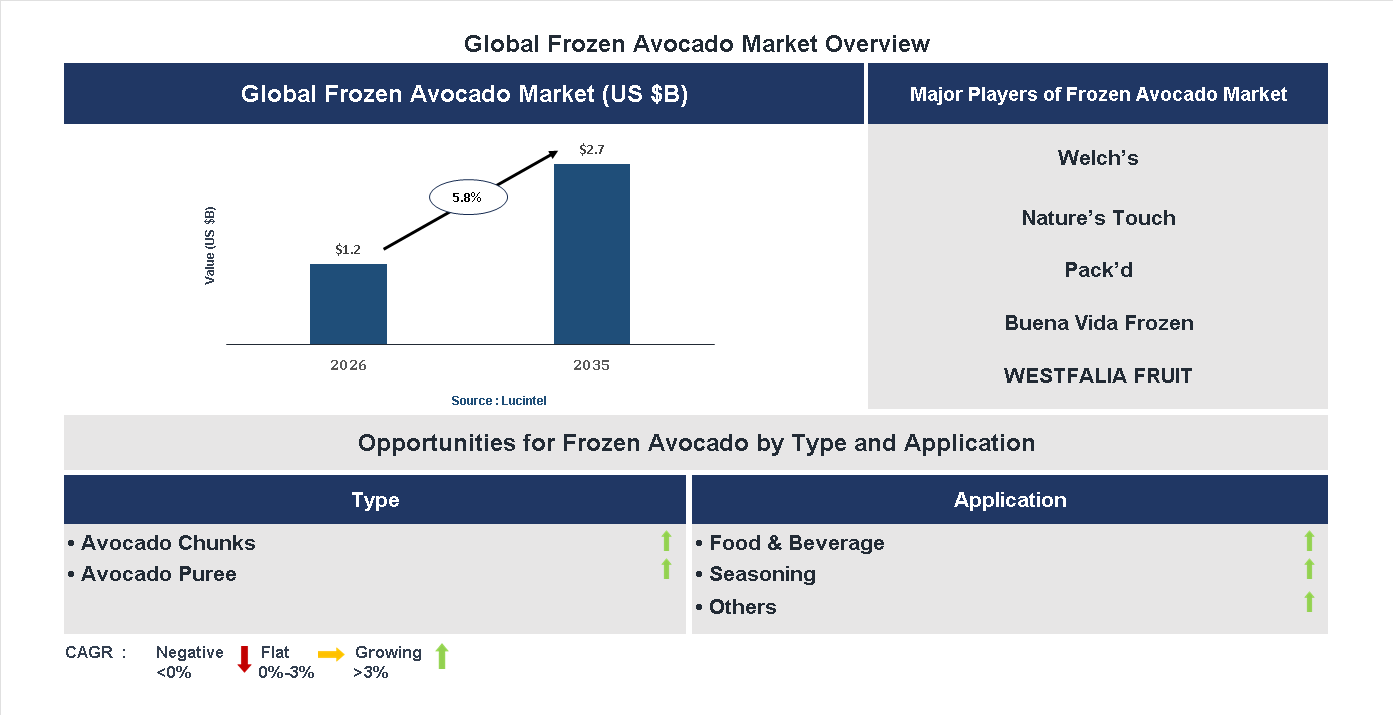
Key data points: The market size in 2035 = $2.7 billion, growth forecast = 5.8% annually for the next 8 years. Scroll below to get more insights. This market report covers trends, opportunities and forecasts in frozen avocado market to 2035 by type (avocado chunks and avocado puree), application (food & beverage, seasoning, and others), and region (North America, Europe, Asia Pacific, and the Rest of the World)
We'll send your sample report shortly.
• Lucintel forecasts that, within the type category, avocado puree is expected to witness higher growth over the forecast period.
• Within the application category, food & beverage is expected to witness higher growth.
• In terms of region, APAC is expected to witness the highest growth over the forecast period. Gain valuable insights for your business decisions with our comprehensive 150+ page report. Sample figures with some insights are shown below.
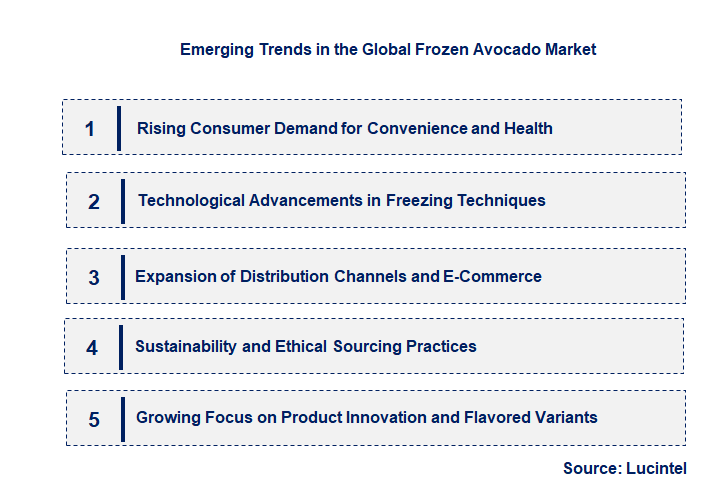
• Rising Consumer Demand for Convenience and Health: Increasing awareness of health benefits associated with avocados and busy lifestyles is driving demand for frozen options. Consumers seek ready-to-eat, nutritious products that fit into their fast-paced routines. Frozen avocados offer a convenient solution, maintaining nutritional value and flavor while extending shelf life. This trend is encouraging manufacturers to innovate packaging and product formats, making frozen avocados more accessible and appealing. As health consciousness grows, the market is expected to see sustained growth, with consumers prioritizing convenience without compromising nutrition.
• Technological Advancements in Freezing Techniques: Innovations such as IQF (Individually Quick Frozen) technology have improved the quality and texture of frozen avocados. These techniques prevent cellular damage during freezing, preserving flavor, color, and nutritional content. Enhanced freezing methods also reduce waste and improve efficiency in processing. As technology advances, the market benefits from higher product quality, longer shelf life, and reduced costs. This progress enables producers to meet increasing demand while maintaining product integrity, ultimately boosting consumer confidence and expanding market reach.
• Expansion of Distribution Channels and E-commerce: The growth of online retail platforms and supermarkets has broadened access to frozen avocados. E-commerce allows consumers to purchase products conveniently from home, increasing market penetration, especially in remote areas. Retailers are also partnering with foodservice providers to offer frozen avocados in restaurants and catering services. This diversification of distribution channels enhances product visibility and availability, supporting market growth. The integration of digital marketing and direct-to-consumer sales strategies further accelerates adoption, making frozen avocados a staple in households and foodservice establishments alike.
• Sustainability and Ethical Sourcing Practices: Consumers are increasingly concerned about the environmental impact of their food choices. The frozen avocado market is responding by adopting sustainable farming practices, reducing carbon footprints, and ensuring ethical sourcing. Certifications such as Fair Trade and Organic are gaining importance, influencing purchasing decisions. Companies are also investing in eco-friendly packaging and supply chain transparency. These initiatives not only appeal to environmentally conscious consumers but also help brands differentiate themselves in a competitive market. Sustainability efforts are becoming a key factor in brand loyalty and market positioning.
• Growing Focus on Product Innovation and Flavored Variants: To attract a broader consumer base, companies are introducing flavored and value-added frozen avocado products, such as guacamole blends, spreads, and snack packs. Innovation extends to packaging formats, portion sizes, and functional ingredients like added spices or superfoods. These product variations cater to diverse tastes and dietary preferences, increasing consumption occasions. Continuous innovation helps brands stay competitive and meet evolving consumer demands. As the market matures, product diversification is expected to drive further growth and create new revenue streams within the frozen avocado segment. These trends are transforming the frozen avocado market by enhancing product quality, expanding accessibility, emphasizing sustainability, and fostering innovation. Collectively, they are making frozen avocados more appealing, convenient, and aligned with consumer values, thereby reshaping the industry landscape and fueling future growth.
• Growing Consumer Demand for Convenience and Health: The increasing preference for ready-to-eat, healthy foods has boosted frozen avocado sales. Consumers seek nutritious options that save preparation time, especially in busy lifestyles. This trend encourages manufacturers to develop innovative packaging and product formats, expanding market reach. The convenience factor combined with health consciousness is driving sustained growth, attracting new customer segments and increasing overall market size.
• Technological Advancements in Freezing Processes: Innovations such as IQF (Individually Quick Frozen) technology have improved product quality, texture, and shelf life. These advancements reduce nutrient loss and maintain the fresh-like quality of avocados. Enhanced freezing techniques enable wider distribution and availability across regions, including remote areas. As a result, manufacturers can meet rising demand more efficiently, boosting sales and expanding market penetration globally.
• Expansion into Emerging Markets: Companies are increasingly targeting developing regions with rising disposable incomes and changing dietary habits. Strategic partnerships and localized marketing efforts facilitate market entry. This expansion offers significant growth opportunities as consumer awareness about healthy eating increases. The availability of frozen avocados in these markets helps overcome supply chain limitations and seasonal shortages, fostering long-term market development and diversification.
• Product Innovation and Diversification: The industry is witnessing the launch of new product formats such as avocado slices, spreads, and blended smoothies. These innovations cater to diverse consumer preferences and usage occasions. By diversifying product offerings, companies can tap into different market segments, including foodservice and retail. This approach enhances brand loyalty and stimulates demand, contributing to overall market expansion and increased revenue streams.
• Sustainability and Supply Chain Improvements: Focus on sustainable sourcing and eco-friendly packaging is gaining prominence. Companies are adopting responsible farming practices and transparent supply chains to meet consumer expectations. These initiatives improve brand reputation and appeal to environmentally conscious buyers. Additionally, supply chain enhancements reduce waste and improve product freshness, ensuring consistent quality. Such developments support long-term growth and align with global sustainability goals, strengthening market resilience. The overall impact of these developments is a robust, expanding market characterized by innovation, regional growth, and increased consumer engagement. These opportunities are driving higher sales, improving product quality, and fostering sustainable practices, which collectively enhance competitiveness and market stability. As a result, the frozen avocado industry is poised for continued growth and diversification in the coming years.
• Growing Consumer Preference for Healthy and Convenient Food Options: Increasing awareness of health benefits associated with avocados, combined with busy lifestyles, is driving demand for frozen avocado products. Consumers seek easy-to-prepare, nutritious ingredients that can be stored long-term without spoilage. Frozen avocados offer convenience, consistent quality, and year-round availability, making them an attractive choice for households, restaurants, and food service providers. This trend encourages manufacturers to expand product lines and improve distribution channels to meet rising demand.
• Technological Advancements in Freezing and Preservation Techniques: Innovations in freezing technology, such as quick freezing and vacuum packaging, help preserve the texture, flavor, and nutritional value of avocados. These advancements reduce spoilage and extend shelf life, making frozen avocados more appealing to consumers and retailers. Improved preservation methods also enable better transportation over long distances, opening new markets. As technology continues to evolve, companies can offer higher-quality products, boosting consumer confidence and market growth.
• Expansion of Distribution Channels and Retail Presence: The growth of supermarkets, hypermarkets, and online retail platforms enhances product accessibility for consumers. Strategic partnerships with foodservice providers and online grocery platforms facilitate wider distribution of frozen avocados. Retailers are increasingly stocking frozen avocado products to meet consumer demand for healthy ingredients. This expansion increases product visibility, drives sales, and encourages new consumer adoption, ultimately supporting market growth and encouraging companies to strengthen their distribution networks.
• Increasing Investment in Product Innovation and Diversification: Companies are developing new frozen avocado-based products such as spreads, smoothies, and ready-to-eat snacks to cater to diverse consumer preferences. Innovation in packaging, flavor profiles, and product formats helps differentiate offerings and attract different market segments. Investment in R&D also aims to improve product quality and shelf life. Diversification strategies enable brands to tap into emerging trends, increase market share, and meet the evolving demands of health-conscious consumers.
• Rising Demand from Foodservice and Hospitality Sectors: Restaurants, cafes, and catering services are increasingly incorporating frozen avocados into their menus for salads, sandwiches, and bowls. The consistent quality and availability of frozen avocados support menu planning and reduce supply chain disruptions. This demand from the foodservice sector significantly boosts market growth, encouraging suppliers to develop bulk and customized packaging options. As the hospitality industry expands, so does the opportunity for frozen avocado products to become a staple ingredient. These growth opportunities collectively drive the expansion of the frozen avocado market by meeting consumer demand for healthy, convenient, and innovative products. Technological advancements, expanded distribution, and product diversification are key factors that will shape future market dynamics. As industry players capitalize on these opportunities, the market is poised for sustained growth, increased competitiveness, and broader consumer adoption, ultimately transforming the landscape of frozen avocado products worldwide.
• Technological Advancements: The development of innovative freezing and packaging technologies has significantly improved the quality and shelf life of frozen avocados. These advancements enable producers to maintain the fruits nutritional value, texture, and flavor, making frozen avocados a viable alternative to fresh produce. Enhanced freezing techniques reduce spoilage and waste, allowing for year-round availability and expanded distribution channels. As technology continues to evolve, the market benefits from increased efficiency, reduced costs, and improved product quality, which attract both suppliers and consumers seeking convenient, healthy options.
• Rising Consumer Demand for Healthy Foods: Increasing awareness about health and wellness has driven consumers to seek nutritious, convenient food options. Frozen avocados are perceived as a healthy fat source rich in essential nutrients, appealing to health-conscious individuals. The convenience of frozen products, which retain their nutritional value and are easy to store and prepare, aligns with busy lifestyles. This demand is further supported by the popularity of plant-based diets and the growing trend of incorporating superfoods into daily meals, fueling market growth across various regions.
• Expansion of E-commerce and Retail Channels: The proliferation of online grocery platforms and modern retail outlets has expanded the accessibility of frozen avocados. E-commerce provides consumers with easy access to a wide range of products, including frozen avocados, often with detailed product information and home delivery options. Retail chains and supermarkets are increasingly stocking frozen avocado products to meet consumer demand for healthy, ready-to-eat options. This expansion enhances market reach, boosts sales volumes, and encourages product innovation, ultimately driving growth in the frozen avocado sector.
• Global Supply Chain Improvements: Enhanced logistics, cold chain infrastructure, and supply chain management have facilitated the efficient movement of frozen avocados from production regions to end markets worldwide. These improvements reduce transit times, minimize spoilage, and ensure product freshness upon arrival. As a result, producers can access new markets and meet increasing international demand. Better supply chain management also helps stabilize prices and ensures consistent product availability, which is vital for maintaining consumer trust and supporting sustained market growth.
• Growing Investment and Strategic Partnerships: Increased investments by major players and strategic collaborations within the industry have fostered innovation, expanded production capacity, and improved distribution networks. These partnerships often focus on sustainable sourcing, quality assurance, and brand development, which enhance consumer confidence. Investment in research and development also leads to new product formulations and packaging solutions, catering to evolving consumer preferences. Such strategic initiatives contribute to market stability, competitive advantage, and long-term growth prospects. The challenges facing the frozen avocado market include:
• Supply Chain Complexities: The frozen avocado supply chain involves multiple stages, including harvesting, processing, freezing, and distribution, each susceptible to disruptions. Variability in harvest yields due to climatic conditions, pests, or diseases can lead to inconsistent raw material supply. Additionally, maintaining cold chain integrity throughout transportation and storage is critical but challenging, especially in regions with inadequate infrastructure. These complexities can result in delays, increased costs, and product quality issues, hindering market growth and consumer satisfaction.
• Perishability and Quality Preservation: Despite freezing technology, avocados are inherently perishable and sensitive to temperature fluctuations. Improper handling or storage can lead to texture degradation, browning, or spoilage, affecting consumer perception and repeat purchases. Ensuring consistent quality across batches requires stringent quality control measures, which can increase operational costs. Overcoming these perishability challenges is essential for maintaining product integrity and competitiveness in the market.
• Fluctuating Raw Material Costs: The price of avocados is highly volatile due to factors such as weather conditions, geopolitical issues, and supply-demand imbalances. These fluctuations directly impact production costs and profit margins for manufacturers. Price volatility can also influence consumer purchasing behavior, especially if costs are passed on through higher retail prices. Managing raw material costs and securing stable supply sources are ongoing challenges that affect the overall stability and profitability of the frozen avocado market. The frozen avocado market is driven by technological innovations, health-conscious consumer trends, expanding distribution channels, improved supply chains, and strategic investments. However, it faces significant challenges related to supply chain management, product perishability, and raw material price volatility. These factors collectively influence market dynamics, requiring stakeholders to adopt innovative solutions and strategic planning to sustain growth. The interplay of these drivers and challenges will determine the markets future trajectory, shaping opportunities for expansion and areas needing mitigation.
• Welch’s
• Nature’s Touch
• Pack’d
• Buena Vida Frozen
• WESTFALIA FRUIT
• Salud Foodgroup
• Natavo
• Avocado Chunks
• Avocado Puree
• Food & Beverage
• Seasoning
• Others
• North America
• Europe
• Asia Pacific
• The Rest of the World
• United States: The US frozen avocado market has seen rapid growth due to rising health awareness and demand for ready-to-eat healthy foods. Major brands are investing in sustainable sourcing and innovative packaging to attract consumers. Retailers are expanding frozen avocado product lines, including pre-sliced and blended options, to meet diverse preferences. E-commerce platforms are also playing a crucial role in increasing accessibility. Additionally, foodservice providers are incorporating frozen avocados into their menus, further boosting demand. The US market is characterized by technological advancements in freezing processes that preserve flavor and texture, ensuring high-quality products.
• China: Chinas frozen avocado market is emerging strongly, driven by increasing urbanization and a growing middle class seeking healthy, convenient foods. Local companies are forming partnerships with international suppliers to improve product quality and variety. The government’s focus on food safety and quality standards is encouraging market growth. Retail chains and online platforms are expanding their frozen avocado offerings, making them more accessible to consumers. Market players are also investing in marketing campaigns to educate consumers about the health benefits of avocados. The trend toward premium and organic products is gaining momentum, supporting market expansion.
• Germany: In Germany, the frozen avocado market is expanding due to rising consumer interest in plant-based diets and healthy eating habits. Retailers are increasing shelf space for frozen avocado products, including organic and sustainably sourced options. The market benefits from strong demand in the foodservice sector, especially in restaurants and cafes offering healthy menus. Innovations in freezing technology have improved product quality, maintaining flavor and texture. German consumers are also showing interest in convenient, ready-to-use avocado products, such as pre-sliced or mashed varieties. The market is characterized by a focus on sustainability and eco-friendly packaging.
• India: The Indian frozen avocado market is in its nascent stages but shows promising growth potential. Increasing awareness of health benefits and the influence of Western dietary trends are driving demand. Local players are exploring partnerships with international suppliers to improve product quality and supply chain efficiency. The expanding retail sector and online grocery platforms are making frozen avocados more accessible to urban consumers. Market growth is supported by rising disposable incomes and a shift toward healthier lifestyles. Additionally, the popularity of smoothies and healthy snacks is boosting demand for frozen avocados, with companies focusing on product innovation and marketing.
• Japan: Japans frozen avocado market is experiencing steady growth, fueled by health-conscious consumers and a preference for convenient, high-quality foods. Supermarkets and convenience stores are expanding their frozen avocado selections, including organic and premium options. The foodservice industry is incorporating frozen avocados into sushi, salads, and other dishes, further driving demand. Technological advancements in freezing processes have enhanced product quality, preserving taste and texture. Japanese consumers are increasingly interested in sustainable sourcing and eco-friendly packaging. Market players are also promoting the health benefits of avocados through targeted marketing campaigns, supporting continued growth.


• Welch’s
• Nature’s Touch
• Pack’d
• Buena Vida Frozen
• WESTFALIA FRUIT
• Salud Foodgroup
• Natavo Q6. Which frozen avocado market segment will be the largest in future? Answer: Lucintel forecasts that, within the type category, avocado puree is expected to witness higher growth over the forecast period. Q7. In frozen avocado market, which region is expected to be the largest in next 5 years? Answer: In terms of region, APAC is expected to witness the highest growth over the forecast period. Q8. Do we receive customization in this report? Answer: Yes, Lucintel provides 10% customization without any additional cost.


Choose a license that fits your team. Instant PDF delivery.
Prices exclude taxes. Instant delivery. Custom licensing available on request.
Market Report · July 22, 2026
Market Report · July 22, 2026
Market Report · July 22, 2026
Trusted partner for strategic intelligence and business growth


Receive a complimentary market analysis tailored to your industry. Our analysts will identify key growth opportunities and competitive dynamics specific to your business.

Market size, growth rate, and key trend analysis for your specific sector.

Top competitor positioning and market share analysis.

Strategic recommendations backed by data-driven insights.
Get curated market intelligence and competitive moves straight to your inbox.
By subscribing, you agree to receive our monthly insights. Unsubscribe anytime.
Receive a complimentary market analysis tailored to your industry. Our analysts will identify key growth opportunities and competitive dynamics specific to your business.
Market size, growth rate, and key trend analysis for your specific sector.
Top competitor positioning and market share analysis.
Strategic recommendations backed by data-driven insights.
Get curated market intelligence, emerging trends, and competitive moves straight to your inbox each month.
By subscribing, you agree to receive our monthly insights. Unsubscribe anytime.
We'll send your sample report shortly.