
Market Report · July 22, 2026

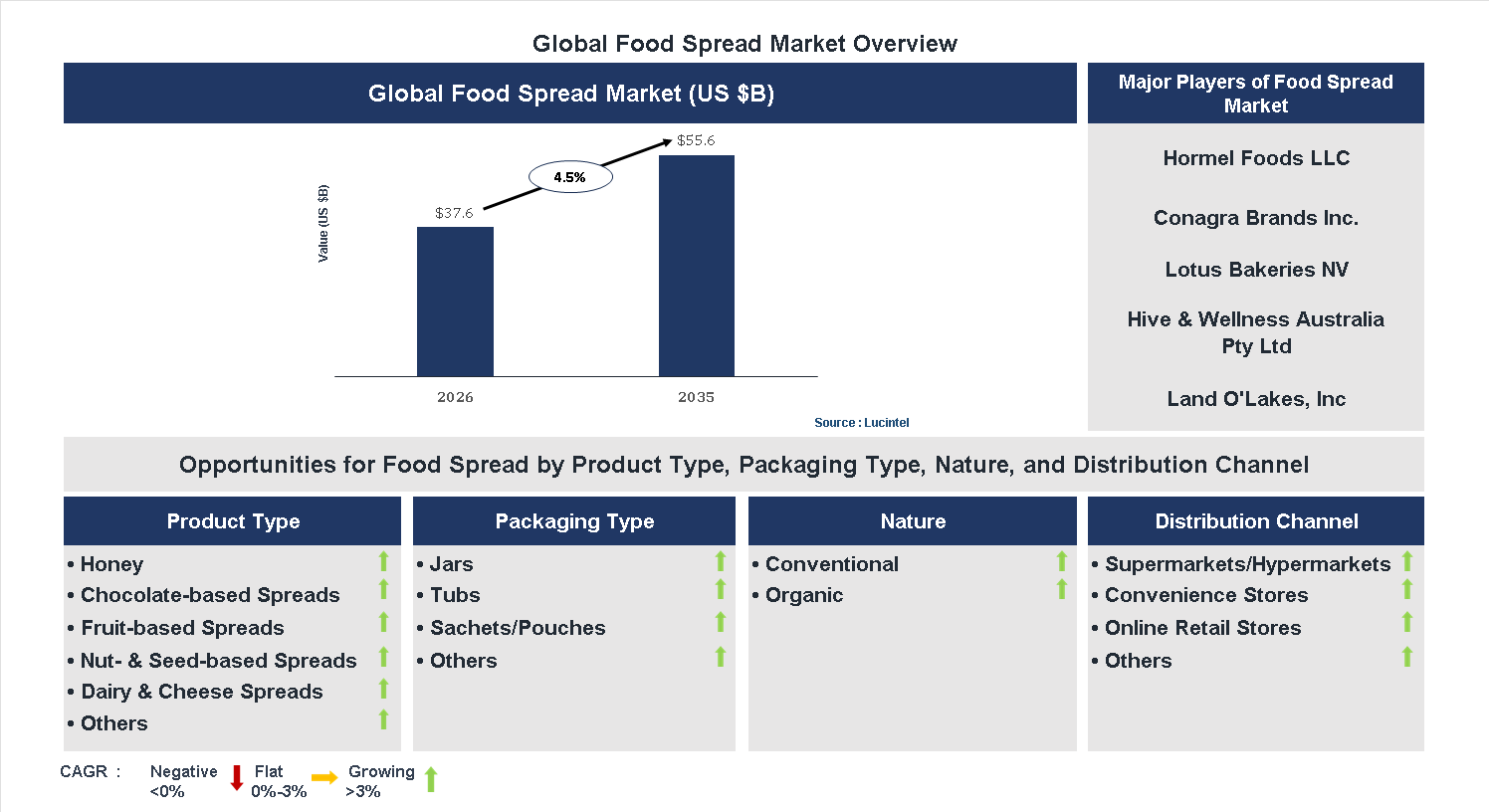
Key data points: The market size in 2035 = $55.6 billion, growth forecast = 4.5% annually for the next 8 years. Scroll below to get more insights. This market report covers trends, opportunities and forecasts in food spread market to 2035 by product type (honey, chocolate-based spreads, fruit-based spreads, nut- & seed-based spreads, dairy & cheese spreads, and others), packaging type (jars, tubs, sachets/pouches, and others), nature (conventional and organic), distribution channel (supermarkets/hypermarkets, convenience stores, online retail stores, and others), and region (North America, Europe, Asia Pacific, and the Rest of the World)
We'll send your sample report shortly.
• Lucintel forecasts that, within the product type category, honey is expected to witness the highest growth over the forecast period.
• Within the distribution channel category, supermarket/hypermarket is expected to witness the highest growth.
• In terms of region, Europe is expected to witness the highest growth over the forecast period. Gain valuable insights for your business decisions with our comprehensive 150+ page report. Sample figures with some insights are shown below.
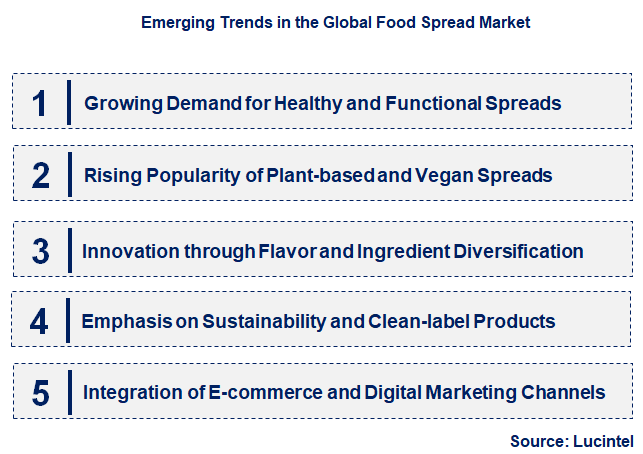
• Growing Demand for Healthy and Functional Spreads: Consumers are increasingly prioritizing health, leading to a surge in spreads made from natural, organic, and functional ingredients. Products with added benefits such as probiotics, superfoods, or low sugar content are gaining popularity. This trend encourages brands to innovate with healthier formulations, catering to dietary restrictions and wellness goals. As a result, the market is witnessing a shift from traditional high-fat spreads to nutrient-rich alternatives, expanding options for health-conscious consumers and driving market growth.
• Rising Popularity of Plant-based and Vegan Spreads: The shift towards plant-based diets is significantly impacting the food spread market. Consumers seek vegan, dairy-free, and allergen-free options that align with ethical and environmental concerns. Plant-based spreads made from nuts, seeds, legumes, and vegetables are gaining traction due to their health benefits and sustainability credentials. This trend is prompting manufacturers to develop innovative plant-based formulations, broadening product portfolios and appealing to a wider demographic, including flexitarians and vegans, thereby expanding market reach.
• Innovation through Flavor and Ingredient Diversification: Consumers are seeking unique, exotic, and gourmet flavors in their spreads. Companies are experimenting with diverse ingredients such as spices, herbs, and superfoods to create distinctive taste profiles. This trend enhances product differentiation and appeals to adventurous consumers looking for novel culinary experiences. The incorporation of functional ingredients like turmeric, chia seeds, or cacao not only adds flavor but also boosts health benefits, making spreads more appealing and versatile for various uses, from breakfast to snacks.
• Emphasis on Sustainability and Clean-label Products: Transparency about ingredients and sustainable sourcing is becoming a key purchasing criterion. Consumers prefer products with simple, recognizable ingredients and environmentally friendly production practices. Brands are responding by reformulating products to eliminate artificial additives, preservatives, and palm oil, and by adopting eco-friendly packaging. This trend enhances brand trust and loyalty, aligns with consumer values, and positions companies as responsible market players, ultimately influencing purchasing decisions and fostering market growth.
• Integration of E-commerce and Digital Marketing Channels: The rise of online shopping and digital engagement is transforming how consumers discover and purchase food spreads. Brands are leveraging social media, influencer marketing, and direct-to-consumer platforms to reach target audiences more effectively. E-commerce provides convenience, wider product availability, and personalized shopping experiences. This trend accelerates product launches, expands market reach beyond traditional retail, and enables brands to gather consumer insights for tailored offerings. The digital shift is crucial for market expansion and adapting to evolving consumer behaviors in the food spread market. In summary, these trends are collectively reshaping the food spread market by emphasizing health, sustainability, innovation, and digital engagement. They are driving product development, influencing consumer preferences, and creating new opportunities for brands to differentiate themselves in a competitive landscape. As these trends continue to evolve, the market is poised for sustained growth and increased consumer-centric innovation.
• Growing Demand for Healthy and Natural Spreads: Increasing health awareness among consumers is driving demand for organic, low-fat, and natural food spreads. This shift encourages manufacturers to innovate with healthier ingredients, catering to dietary restrictions and wellness trends. As a result, the market is expanding with products that emphasize nutritional benefits, boosting sales and consumer loyalty. This trend is also prompting regulatory changes and product labeling improvements, fostering transparency and trust in the industry.
• Innovation in Flavors and Ingredients: Companies are investing in R&D to develop unique flavors and functional ingredients, such as superfoods and probiotics, to differentiate their products. This innovation attracts a broader consumer base seeking novel taste experiences and health benefits. The introduction of exotic, ethnic, and customized flavors is enhancing product appeal and market penetration. Such developments are fostering competitive advantages and encouraging product diversification, which ultimately stimulates market growth and consumer engagement.
• Rising Popularity of Plant-Based and Vegan Spreads: The shift towards plant-based diets is significantly impacting the food spread market, with increased demand for vegan and dairy-free options. Manufacturers are launching plant-based alternatives made from nuts, seeds, and legumes, aligning with ethical, environmental, and health considerations. This trend is expanding the consumer base and creating new revenue streams. The growth of vegan spreads is also encouraging innovation and sustainability practices within the industry, further influencing market trends and consumer preferences.
• Expansion of E-commerce and Retail Channels: The proliferation of online shopping platforms and modern retail outlets is facilitating easier access to a wide range of food spreads. E-commerce offers convenience, detailed product information, and home delivery, attracting tech-savvy consumers. Retail expansion into emerging markets is also increasing product availability and visibility. These channels are enabling brands to reach diverse demographics, boost sales, and gather consumer insights, thereby accelerating market growth and competitive positioning.
• Focus on Sustainability and Eco-Friendly Packaging: Environmental concerns are prompting companies to adopt sustainable practices, including eco-friendly packaging and responsible sourcing. This focus appeals to environmentally conscious consumers and enhances brand reputation. Innovations in biodegradable, recyclable, and minimal packaging are reducing environmental impact and aligning with global sustainability goals. Such initiatives are influencing consumer purchasing decisions, fostering brand loyalty, and driving market differentiation, ultimately contributing to the growth and evolution of the food spread industry. The overall impact of these developments is a dynamic, innovative, and consumer-centric market that is expanding rapidly. Increased focus on health, sustainability, and convenience is attracting diverse consumer segments and fostering competitive innovation. These trends are not only boosting sales and market share but also encouraging sustainable practices and product diversification, shaping a resilient and forward-looking food spread industry.
• Expanding Organic and Natural Food Spread Offerings: Growing consumer demand for organic, natural, and clean-label products is prompting manufacturers to develop organic food spreads. These products cater to health-conscious consumers seeking minimally processed, additive-free options. By investing in organic certification, sustainable sourcing, and transparent labeling, companies can differentiate their brands, capture premium market segments, and foster brand loyalty in a competitive landscape.
• Innovation in Flavors and Functional Ingredients: Introducing unique flavors and functional ingredients in food spreads offers significant growth potential. Incorporating superfoods, probiotics, or fortified nutrients appeals to health-focused consumers. Innovation in flavor profiles, such as exotic or ethnic tastes, can also attract adventurous buyers. Continuous R&D efforts to develop differentiated, health-enhancing spreads will enable brands to stand out and meet evolving consumer preferences.
• Growing Demand for Plant-Based and Vegan Spreads: The rising popularity of plant-based diets is fueling demand for vegan and dairy-free spreads. These products cater to ethical, environmental, and health considerations. Developing versatile, tasty, and allergen-free plant-based spreads allows companies to tap into a broad consumer base, including vegans, vegetarians, and flexitarians. Strategic product positioning and marketing can help brands establish a strong presence in this expanding segment.
• Leveraging E-commerce and Direct-to-Consumer Channels: The surge in online shopping offers a vital growth avenue for food spreads. E-commerce platforms enable brands to reach wider audiences, offer personalized experiences, and gather consumer data for targeted marketing. Direct-to-consumer models facilitate brand storytelling, subscription services, and rapid product launches. Investing in digital infrastructure and online marketing strategies will be crucial for capturing market share and enhancing customer engagement.
• Focus on Sustainable Packaging and Eco-Friendly Practices: Consumers increasingly prioritize sustainability, prompting brands to adopt eco-friendly packaging solutions. Using biodegradable, recyclable, or minimal packaging reduces environmental impact and aligns with corporate social responsibility goals. Sustainable practices can enhance brand reputation, attract environmentally conscious consumers, and comply with regulatory standards. Innovation in packaging materials and supply chain sustainability will be key drivers of growth and differentiation in the competitive food spread market. The outlined opportunities are set to significantly influence the food spread market by fostering innovation, sustainability, and consumer-centric strategies. Companies that effectively leverage these growth avenues can strengthen their market position, meet diverse consumer needs, and drive long-term success in a rapidly evolving industry.
• Technological Innovation: The development of new formulations and packaging solutions enhances product shelf life, convenience, and appeal. Advances in food processing technology enable manufacturers to create healthier, preservative-free, and organic spreads, aligning with consumer demand for clean-label products. Automation and digital marketing also facilitate efficient production and targeted outreach, expanding market reach. These innovations foster product differentiation and enable companies to meet evolving consumer preferences, thereby fueling market growth.
• Rising Health Consciousness: Consumers are increasingly seeking healthier alternatives, such as low-fat, low-sugar, and organic spreads. This shift is driven by greater awareness of nutrition and wellness, prompting manufacturers to develop products with functional benefits like added vitamins, probiotics, or superfoods. The demand for plant-based and allergen-free spreads is also rising, expanding the market scope. This health-driven trend encourages innovation and diversification, contributing significantly to market expansion.
• Changing Consumer Lifestyles: Busy lifestyles and urbanization have increased demand for convenient, ready-to-use food spreads that save time and effort. On-the-go consumption, portable packaging, and easy-to-apply formats cater to modern consumers needs. Additionally, the rise of snacking culture and social media influence promotes experimentation with flavors and new product concepts. These lifestyle changes create opportunities for product innovation and market penetration across various demographics.
• Growing E-commerce Penetration: The expansion of online retail channels provides consumers with easy access to a wide range of food spreads. E-commerce platforms enable brands to reach niche markets and offer personalized product options. Digital marketing strategies and direct-to-consumer sales foster brand loyalty and gather consumer insights for product development. The convenience and variety offered by online shopping significantly boost sales and market visibility, driving overall growth.
• Product Diversification and Premiumization: Companies are focusing on diversifying their product portfolios with unique flavors, organic options, and premium offerings to cater to diverse consumer preferences. Premium spreads with exotic ingredients or artisanal qualities appeal to affluent consumers seeking gourmet experiences. This trend enhances brand differentiation and allows for higher pricing strategies, contributing to increased revenue streams and market competitiveness. The challenges facing the food spread market include:
• Regulatory Compliance and Food Safety Standards: Stringent regulations regarding ingredient disclosures, labeling, and health claims pose compliance challenges for manufacturers. Navigating diverse regional standards can increase costs and complicate product development. Non-compliance risks legal penalties and damage to brand reputation, making regulatory adherence a critical concern that can hinder market expansion if not managed effectively.
• Intense Market Competition: The food spread market is highly competitive, with numerous local and international players vying for market share. Differentiating products through innovation, branding, and pricing becomes increasingly difficult as competitors introduce similar offerings. Market saturation and price wars can erode profit margins, requiring companies to invest heavily in marketing and R&D to maintain a competitive edge.
• Supply Chain Disruptions: Fluctuations in raw material availability, transportation issues, and geopolitical tensions can disrupt supply chains. These disruptions lead to delays, increased costs, and inventory shortages, impacting product availability and customer satisfaction. Ensuring a resilient supply chain is vital but challenging, especially amid global uncertainties, and can significantly affect market stability and growth prospects. In summary, the food spread market is shaped by technological advancements, health trends, lifestyle shifts, and digital expansion, which collectively drive growth. However, regulatory complexities, fierce competition, and supply chain vulnerabilities pose significant challenges. Navigating these factors requires strategic agility and innovation. Overall, the markets future hinges on how effectively companies can leverage opportunities while mitigating risks, ensuring sustainable growth in a dynamic environment.
• Hormel Foods LLC
• Conagra Brands Inc.
• Lotus Bakeries NV
• Hive & Wellness Australia Pty Ltd
• Land OLakes, Inc
• Premier Foods PLC
• The J. M. Smucker Co.
• Unilever PLC
• B&G Foods Inc.
• Andros & Cie
• Honey
• Chocolate-based Spreads
• Fruit-based Spreads
• Nut- & Seed-based Spreads
• Dairy & Cheese Spreads
• Others
• Jars
• Tubs
• Sachets/Pouches
• Others
• Conventional
• Organic
• Supermarkets/Hypermarkets
• Convenience Stores
• Online Retail Stores
• Others
• North America
• Europe
• Asia Pacific
• The Rest of the World
• United States: The US food spread market has seen a surge in plant-based and organic options, driven by health-conscious consumers. Innovations include nut butters, seed spreads, and probiotic-enriched products. Major brands are investing in clean-label formulations and sustainable packaging. E-commerce sales are rising, with digital marketing playing a crucial role. The market also witnesses increased demand for gluten-free and allergen-free spreads, reflecting diverse dietary needs. Additionally, functional spreads with added vitamins and minerals are gaining popularity, catering to wellness trends.
• China: Chinas food spread market is rapidly expanding, fueled by urbanization and rising disposable incomes. Traditional flavors are being modernized with innovative ingredients like black sesame and red bean. There is a growing preference for natural and organic spreads, aligning with health trends. Local brands are gaining prominence by offering affordable, culturally relevant products. The e-commerce sector is a key distribution channel, facilitating access to a broader consumer base. Additionally, international brands are entering the market, introducing new varieties and quality standards, which are influencing local product development.
• Germany: Germanys market emphasizes organic, sustainable, and high-quality spreads. Consumer demand for natural ingredients and transparency is driving product innovation. Classic flavors like hazelnut and fruit spreads are being reformulated with reduced sugar and added health benefits. The market also sees a rise in vegan and allergen-free options. Retailers are focusing on eco-friendly packaging and ethical sourcing. The popularity of artisanal and regional products is increasing, reflecting a preference for traditional craftsmanship. Digital platforms and specialty stores are vital channels for reaching niche markets and health-conscious consumers.
• India: The Indian food spread market is experiencing rapid growth, with a focus on traditional flavors and health benefits. Spreads made from nuts, seeds, and pulses are gaining popularity, often infused with spices and herbs. The demand for organic and natural products is rising, driven by increasing awareness of health and wellness. Local brands are innovating with regional ingredients, catering to diverse tastes. E-commerce and modern retail outlets are expanding access to a wider audience. Additionally, the market is witnessing a shift towards convenient, ready-to-eat spreads that suit busy lifestyles, with a growing interest in vegetarian and vegan options.
• Japan: Japans food spread market is characterized by a focus on health, safety, and innovation. Traditional flavors like miso and soy-based spreads are being modernized with new ingredients and formulations. There is a strong demand for low-sugar, low-sodium, and functional spreads that promote wellness. The market also features a variety of plant-based and allergen-free options. Packaging innovations emphasize convenience and sustainability. Local artisanal brands are gaining recognition for their quality and craftsmanship. Digital marketing and e-commerce are expanding access, especially among younger consumers seeking novel and health-oriented products.


• Hormel Foods LLC
• Conagra Brands Inc.
• Lotus Bakeries NV
• Hive & Wellness Australia Pty Ltd
• Land OLakes, Inc
• Premier Foods PLC
• The J. M. Smucker Co.
• Unilever PLC
• B&G Foods Inc.
• Andros & Cie Q6. Which food spread market segment will be the largest in future? Answer: Lucintel forecasts that, within the product type category, honey is expected to witness the highest growth over the forecast period. Q7. In food spread market, which region is expected to be the largest in next 5 years? Answer: In terms of region, Europe is expected to witness the highest growth over the forecast period. Q8. Do we receive customization in this report? Answer: Yes, Lucintel provides 10% customization without any additional cost.


Choose a license that fits your team. Instant PDF delivery.
Prices exclude taxes. Instant delivery. Custom licensing available on request.
Market Report · July 22, 2026
Market Report · July 22, 2026
Market Report · July 22, 2026
Trusted partner for strategic intelligence and business growth


Receive a complimentary market analysis tailored to your industry. Our analysts will identify key growth opportunities and competitive dynamics specific to your business.

Market size, growth rate, and key trend analysis for your specific sector.

Top competitor positioning and market share analysis.

Strategic recommendations backed by data-driven insights.
Get curated market intelligence and competitive moves straight to your inbox.
By subscribing, you agree to receive our monthly insights. Unsubscribe anytime.
Receive a complimentary market analysis tailored to your industry. Our analysts will identify key growth opportunities and competitive dynamics specific to your business.
Market size, growth rate, and key trend analysis for your specific sector.
Top competitor positioning and market share analysis.
Strategic recommendations backed by data-driven insights.
Get curated market intelligence, emerging trends, and competitive moves straight to your inbox each month.
By subscribing, you agree to receive our monthly insights. Unsubscribe anytime.
We'll send your sample report shortly.