
Market Report · July 31, 2026

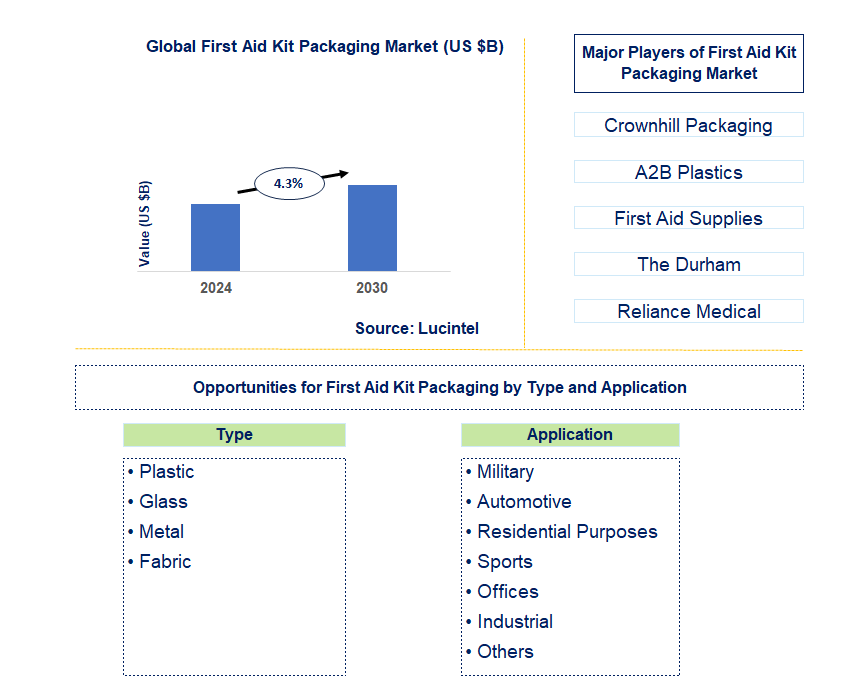
Key data points: The growth forecast = 4.3% annually for the next 6 years. Scroll below to get more insights. This market report covers trends, opportunities, and forecasts in the global first aid kit packaging market to 2030 by type (plastic, glass, metal, and fabric), application (military, automotive, residential purposes, sports, offices, industrial, and others), and region (North America, Europe, Asia Pacific, and the Rest of the World)
We'll send your sample report shortly.
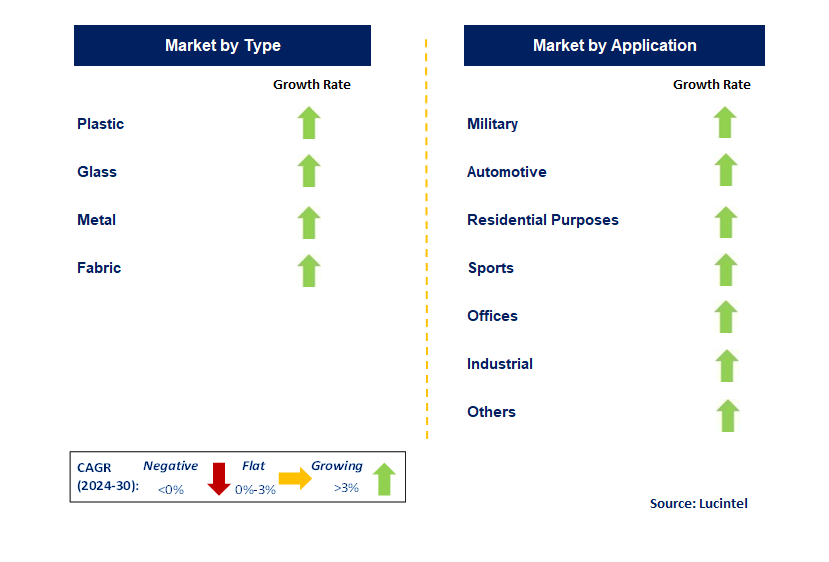
• Lucintel forecasts that, within the type category, plastic is expected to witness the highest growth over the forecast period.
• Within the application category, military is expected to witness the highest growth over the forecast period.
• In terms of regions, North America is expected to witness the highest growth over the forecast period. A more than 150-page report is developed to help in your business decisions.
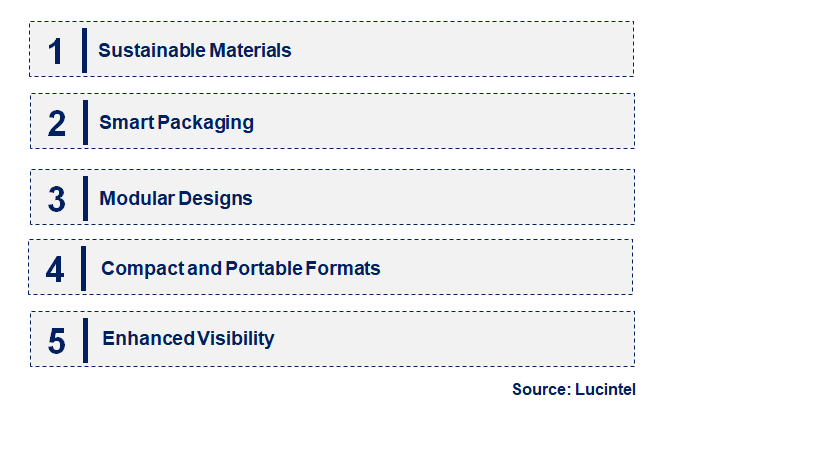
• Sustainable Materials: A significant trend is the shift toward eco-friendly packaging materials. Manufacturers are increasingly using biodegradable and recyclable options to minimize environmental impact. This focus on sustainability not only appeals to environmentally conscious consumers but also aligns with global regulations aimed at reducing plastic waste.
• Smart Packaging: The integration of smart technology in packaging is gaining traction. Features like QR codes or NFC chips allow users to access detailed information about the contents and usage instructions. This innovation enhances the user experience and provides valuable information in emergency situations, making first aid kits more effective.
• Modular Designs: Modular packaging is emerging as a popular trend, allowing consumers to customize their first aid kits according to personal needs. This approach encourages the inclusion of specific items that users deem essential, fostering a sense of ownership and ensuring that kits are more practical and relevant.
• Compact and Portable Formats: As lifestyles become increasingly mobile, the demand for compact and portable first aid kits is on the rise. Manufacturers are focusing on creating lightweight and easily transportable designs that fit conveniently in bags or vehicles, catering to consumers who prioritize convenience without sacrificing essential contents.
• Enhanced Visibility: Eye-catching packaging designs that enhance visibility on retail shelves are becoming crucial. Bright colors and clear labeling help consumers quickly identify first aid kits among other products. This trend not only aids in brand differentiation but also emphasizes the importance of preparedness in emergencies. The first aid kit packaging market is experiencing dynamic changes driven by consumer needs and technological advancements. These emerging trends reflect a broader commitment to sustainability, usability, and customization, ensuring that first aid kits are not only practical but also effective in addressing health emergencies. As the market continues to evolve, staying attuned to these trends will be essential for manufacturers and consumers alike.
• Eco-Friendly Materials: The use of sustainable materials in first aid kit packaging is gaining momentum. Many manufacturers are transitioning to biodegradable and recyclable options, reducing plastic waste and appealing to environmentally conscious consumers. This shift not only meets regulatory demands but also reflects a broader societal trend toward sustainability.
• Smart Packaging Solutions: Advances in technology have led to the adoption of smart packaging in first aid kits. Incorporating features like QR codes or digital monitoring systems allows users to access instructions, expiration dates, and usage tips quickly. This innovation enhances the overall user experience and provides critical information in emergencies, making kits more effective.
• Customizable Kits: There is a rising trend toward customizable first aid kits, allowing consumers to select contents based on their specific needs. Manufacturers are developing modular packaging designs that enable users to add or remove items easily. This personalization fosters a sense of ownership and ensures that kits are practical for individual circumstances.
• Compact and Lightweight Designs: In response to the increasing demand for portability, manufacturers are focusing on creating compact and lightweight first aid kits. These designs cater to active lifestyles, making it easier for consumers to carry kits in bags, vehicles, or outdoor gear. Enhanced portability ensures that individuals are always prepared for emergencies, no matter where they are.
• Regulatory Compliance Innovations: Compliance with health and safety regulations is becoming more complex, prompting manufacturers to innovate in packaging. Many companies are investing in features that meet strict labeling and safety standards, ensuring that their products are compliant with regional laws. This focus on regulatory adherence helps build consumer trust and promotes market growth. Recent developments in the first aid kit packaging market reflect a dynamic interplay between consumer demands and industry innovations. The shift toward sustainability, technology integration, and customization are key drivers that enhance the functionality and appeal of first aid kits. As these trends continue to evolve, they will shape the future of preparedness and safety in households and communities.
• Expansion into Emerging Markets: Emerging economies, particularly in Asia and Africa, present significant growth potential for first aid kit packaging. As urbanization increases and health awareness rises, there is a growing demand for affordable and accessible first aid solutions. Targeting these regions with tailored products can yield substantial market share.
• Integration of Digital Solutions: The incorporation of digital technologies into packaging can enhance user engagement and improve functionality. By integrating apps or smart features, companies can provide real-time information on product usage and maintenance. This digital approach not only enriches the user experience but also fosters brand loyalty among tech-savvy consumers.
• Partnerships with Health Organizations: Collaborating with health organizations and NGOs can be a strategic move for companies in the first aid kit packaging market. These partnerships can enhance product visibility and credibility, particularly in community health initiatives. Such alliances can also facilitate educational campaigns, emphasizing the importance of preparedness and increasing sales.
• Focus on Specialty Kits: Developing specialty first aid kits tailored to specific activities or demographics presents a unique growth opportunity. Kits designed for outdoor enthusiasts, travelers, or families with children can address specific needs and preferences. This niche marketing strategy can attract targeted consumer segments and differentiate brands in a competitive landscape.
• Sustainable Product Innovations: With growing consumer demand for eco-friendly products, investing in sustainable packaging innovations can drive growth. Manufacturers can explore biodegradable materials and reusable packaging options to meet sustainability criteria. By positioning themselves as environmentally responsible brands, companies can capture the interest of eco-conscious consumers. The first aid kit packaging market is ripe with strategic growth opportunities that can help companies expand their reach and enhance their offerings. By targeting emerging markets, embracing digital solutions, forming strategic partnerships, developing specialty kits, and focusing on sustainability, businesses can effectively position themselves for long-term success in this evolving landscape.
• Increasing Health Awareness: Rising health awareness among consumers is a major driver for the first aid kit packaging market. As individuals become more conscious of safety and emergency preparedness, the demand for comprehensive first aid kits is growing. This heightened awareness encourages consumers to invest in quality kits, boosting market potential.
• Government Regulations: Stringent government regulations related to health and safety are propelling the market forward. Compliance with these regulations encourages manufacturers to innovate and improve packaging designs, ensuring that kits meet required standards. This regulatory pressure fosters a culture of safety and preparedness, further driving market growth.
• Technological Advancements: Rapid technological advancements are reshaping the first aid kit packaging market. The integration of smart packaging solutions, such as QR codes and digital monitoring, enhances user experience and functionality. These innovations cater to tech-savvy consumers, making first aid kits more effective and appealing.
• Growth of E-commerce: The rise of e-commerce has significantly expanded market accessibility for first aid kits. Online platforms enable consumers to easily compare products, read reviews, and make informed purchasing decisions. This shift in buying behavior not only increases sales opportunities but also encourages manufacturers to improve their packaging and presentation.
• Outdoor and Adventure Activities: The growing popularity of outdoor and adventure activities is driving demand for specialized first aid kits. As more people engage in hiking, camping, and other outdoor pursuits, the need for tailored kits that address specific risks becomes paramount. This trend creates opportunities for manufacturers to develop niche products that meet consumer demands. Challenges in the first aid kit packaging market are:
• Supply Chain Disruptions: One of the main challenges facing the first aid kit packaging market is supply chain disruptions. Issues such as material shortages and increased shipping costs can hinder production and lead to delays. These disruptions may impact inventory levels and overall market availability, creating uncertainty for manufacturers and consumers alike.
• Regulatory Compliance: While government regulations can drive innovation, they also pose challenges. Navigating complex compliance requirements can be resource-intensive and may slow down product development. Manufacturers must stay updated on changing regulations to ensure their products meet safety and labeling standards, which can complicate operations.
• Consumer Price Sensitivity: In an increasingly competitive market, consumer price sensitivity presents a challenge. Many consumers seek affordable first aid solutions, which can pressure manufacturers to cut costs without compromising quality. Balancing price competitiveness with product integrity is crucial for sustaining market share while meeting consumer expectations. The first aid kit packaging market is shaped by several dynamic drivers and challenges. While increasing health awareness and technological advancements propel growth, supply chain disruptions and regulatory compliance present obstacles. Understanding these factors enables manufacturers to strategically position themselves and adapt to the evolving demands of consumers in the market.
• Crownhill Packaging
• A2B Plastics
• First Aid Supplies
• The Durham Manufacturing Company
• Reliance Medical
• Gaggione
• Fieldtex Products
• Certified Safety Manufacturing
• SYSPAL
• Acme United Corporation
• Plastic
• Glass
• Metal
• Fabric
• Military
• Automotive
• Residential Purposes
• Sports
• Offices
• Industrial
• Others
• North America
• Europe
• Asia Pacific
• The Rest of the World
• United States: In the U.S., there is a growing demand for compact and portable first aid kits, prompting manufacturers to adopt lightweight, eco-friendly materials. Additionally, the trend toward customization allows consumers to personalize kits based on their specific needs, enhancing user engagement and satisfaction.
• China: The Chinese first aid kit packaging market is expanding rapidly, fueled by increasing health consciousness and government initiatives promoting safety. Manufacturers are now emphasizing sustainable packaging solutions, such as biodegradable materials, and investing in smart packaging that includes QR codes for easy access to emergency information.
• Germany: In Germany, the focus has shifted toward sustainable packaging and eco-friendly practices. Companies are incorporating recycled materials into their packaging while ensuring compliance with stringent environmental regulations. The trend toward modular packaging is also gaining traction, allowing consumers to refill and customize their first aid kits.
• India: The Indian market is witnessing a surge in demand for affordable and accessible first aid kits, leading to innovations in packaging. Manufacturers are prioritizing durable, lightweight materials that can withstand diverse climatic conditions. Awareness campaigns are also encouraging consumers to invest in quality kits, thus enhancing market growth.
• Japan: The Japanese first aid kit packaging market is characterized by high-tech solutions and attention to detail. Manufacturers are integrating advanced features such as waterproof packaging and user-friendly designs. The focus on disaster preparedness is driving the development of kits that are compact yet comprehensive, catering to the country’s unique needs.


• Crownhill Packaging
• A2B Plastics
• First Aid Supplies
• The Durham Manufacturing Company
• Reliance Medical
• Gaggione
• Fieldtex Products
• Certified Safety Manufacturing
• SYSPAL
• Acme United Corporation Q5. Which first aid kit packaging market segment will be the largest in future? Answer: Lucintel forecasts that plastic is expected to witness the highest growth over the forecast period. Q6. In first aid kit packaging market, which region is expected to be the largest in next 5 years? Answer: North America is expected to witness highest growth over the forecast period. Q.7 Do we receive customization in this report? Answer: Yes, Lucintel provides 10% customization without any additional cost.


Choose a license that fits your team. Instant PDF delivery.
Prices exclude taxes. Instant delivery. Custom licensing available on request.
Market Report · July 31, 2026
Market Report · July 31, 2026
Market Report · July 31, 2026
Trusted partner for strategic intelligence and business growth


Receive a complimentary market analysis tailored to your industry. Our analysts will identify key growth opportunities and competitive dynamics specific to your business.

Market size, growth rate, and key trend analysis for your specific sector.

Top competitor positioning and market share analysis.

Strategic recommendations backed by data-driven insights.
Get curated market intelligence and competitive moves straight to your inbox.
By subscribing, you agree to receive our monthly insights. Unsubscribe anytime.
Receive a complimentary market analysis tailored to your industry. Our analysts will identify key growth opportunities and competitive dynamics specific to your business.
Market size, growth rate, and key trend analysis for your specific sector.
Top competitor positioning and market share analysis.
Strategic recommendations backed by data-driven insights.
Get curated market intelligence, emerging trends, and competitive moves straight to your inbox each month.
By subscribing, you agree to receive our monthly insights. Unsubscribe anytime.
We'll send your sample report shortly.