
Market Report · July 22, 2026

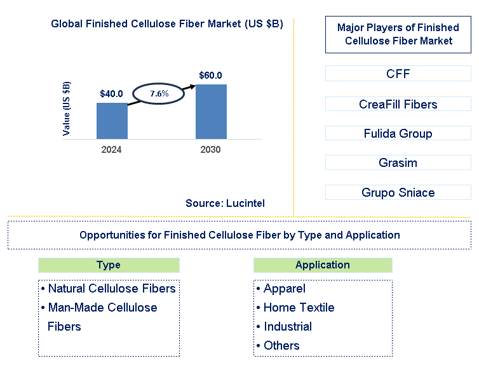
Key data points: The growth forecast = 7.6% annually for the next 6 years. Scroll below to get more insights. This market report covers trends, opportunities, and forecasts in the global finished cellulose fiber market to 2030 by type (natural cellulose fibers and man-made cellulose fibers), application (apparel, home textile, industrial, and others), and region (North America, Europe, Asia Pacific, and the Rest of the World)
We'll send your sample report shortly.
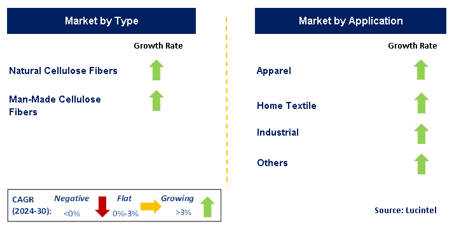
• Lucintel forecasts that, within the type category, natural cellulose fiber will remain the larger segment over the forecast period due to growing awareness of sustainability, and they are eco-friendly and biodegradable, which makes them well-liked in sustainable fashion.
• Within the application category, apparel will remain the largest segment due to increased demand for comfortable, sustainable, and breathable clothing.
• In terms of regions, APAC will remain the largest region over the forecast period due to increasing demand for textiles and hygiene products in the region. Gain valuable insights for your business decisions with our comprehensive 150+ page report.
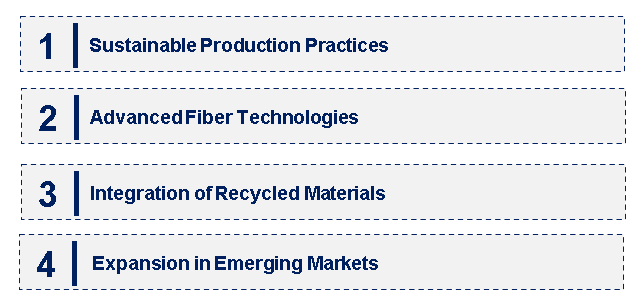
• Sustainable Production Practices: Companies operating within the finished cellulose fiber sector are increasingly concerned with adopting sustainable production practices. This involves using environmentally friendly technologies, such as renewable energy sources and water conservation systems, among others. Regulatory pressures, coupled with increasing demand for green products from consumers, are key drivers of this shift towards sustainability, leading to the development of eco-friendly cellulose fibers and innovations in recycling and waste management.
• Advanced Fiber Technologies: The market introduction of advanced fiber technologies, such as high-tenacity fibers and nano-celluloses, has led to enhanced performance. These technologies boost strength, durability, and functionality, thereby expanding application areas including high-performance textile uses and industrial end-uses. Advanced technologies drive the growth of the cellulosic fiber market by expanding its capabilities for new applications.
• Integration of Recycled Materials: The use of recycled cellulose materials in the manufacturing process is becoming more popular. This trend aligns with sustainability and circular economy principles. Manufacturers are finding ways to recycle post-consumer and post-industrial cellulose fibers, minimizing waste and conserving resources. Companies have been focusing on incorporating recycled materials into their product lines, thus boosting the growth of eco-friendly products while meeting consumer demands for sustainable sourcing.
• Expansion in Emerging Markets: The finished cellulose fiber market is experiencing rapid growth in emerging markets due to industrialization and increasing consumer demand. Countries like India and China are investing in production capacities to benefit from these developments through technological advancements. Expansion into emerging markets opens new possibilities for manufacturers, who continue making improvements within the sector, such as innovations in fiber production and applications to cater to growing economies. The finished cellulose fiber market is undergoing a transformation, driven by sustainable production methods, novel fiber technologies, the utilization of recycled materials, entry into new emerging markets, and improved functional properties. These trends indicate a shift towards innovation, sustainability, and diversity, contributing to growth with new opportunities.
• Advanced Production Technologies: The introduction of advanced production technologies is fundamentally changing the finished cellulose fiber market. Innovations such as enzymatic treatments and modified spinning processes enhance both the quality and functionality of fibers. These technologies improve the strength, softness, and durability of cellulose fibers, making them more suitable for use in textiles and other applications, leading to better performance. These technologies expand application areas, thus driving growth in the market as they meet consumer expectations for fiber performance.
• Sustainable Manufacturing Practices: The finished cellulose fiber market has witnessed a significant shift toward sustainable manufacturing practices. Companies are adopting eco-friendly techniques that reduce water consumption, waste, and energy use during production stages. These practices include renewable energy sources and closed-loop systems, where materials can be recycled or reused productively. Importantly, these sustainable actions not only address environmental concerns but also appeal to eco-conscious clients, stimulating demand for greener cellulose fiber products.
• Increased Use in Medical Textiles: The demand for finished cellulose fibers in medical textiles is growing due to their biocompatibility and high absorbency capacity. These fibers are being used in applications such as wound dressings and surgical drapes, which are needed in demanding medical scenarios. This rise in demand results from advancements in fiber processing and an increasing need for high-performance medical textiles. This development provides new marketing opportunities for businesses entering this sector and drives transformation in fiber development.
• Expansion of Market Applications: Beyond textiles, finished cellulose fibers are finding applications in various other industries such as automotive, aerospace, and packaging, thus expanding the market. Developments in fiber processing have led to the creation of specialty cellulose fibers that possess unique characteristics suitable for these sectors. The inherent versatility of cellulose fibers makes them more attractive, enhancing their penetration into new and diverse applications within the overall market. Over time, advancements such as advanced production technologies, sustainability initiatives, increased medical uses, expanded market applications, and growth in emerging markets have significantly shaped the finished cellulose fiber industry. These transformations indicate that moving towards innovation, sustainability, and diversification drives further growth, influenced by these market trends. The ongoing evolution highlights the need for enterprises to be proactive by staying informed about trends that will keep them competitive.
• Sustainable Fashion Industry: One such opportunity is the growing demand for sustainable fashion, which is a key focus in the industry. As consumers increasingly seek eco-friendly clothing options, cellulose fibers offer a renewable and biodegradable alternative to synthetic materials. By focusing on sustainability (e.g., through the use of recycled or organic raw materials), companies can leverage this trend to attract environmentally conscious consumers and build stronger brands.
• Medical and Healthcare Applications: The expansion of cellulose fibers into medical and healthcare applications represents a significant growth opportunity. The properties of cellulose fibers, such as biocompatibility and high absorbency, make them ideal for a wide range of medical applications, including wound dressings and surgical textiles. Specialized cellulose fibers for medical textiles should be developed through investments in research and development, with the aim of creating differentiated products targeted at these markets.
• High-Performance Industrial Uses: Another opportunity lies in the demand for high-performance cellulose fibers in manufacturing industries such as automotive and aerospace. Technological advancements in fiber production have made it possible to manufacture stronger and more durable varieties than ever before. Companies should consider supplying specialized high-grade fibers for industries that require advanced materials in order to increase their revenue.
• Eco-Friendly Packaging Solutions: The shift toward eco-friendly packaging solutions presents a growth opportunity for cellulose fibers. Cellulose fibers offer an environmentally friendly and recyclable alternative to plastics, as businesses and consumers become more conscious of their environmental impact. Developing cellulose-based packaging materials with features suitable for different industries, such as food and consumer goods, will allow companies to take advantage of this expanding market while remaining committed to sustainability. Strategic growth opportunities in the finished cellulose fiber market, including sustainable fashion, medical applications, high-performance industrial uses, eco-friendly packaging, and expansion into emerging markets, are shaping the industry’s future. There is a clear movement toward two key aspects—innovation and sustainability—which ultimately determine how companies perform in terms of competitiveness within their respective sectors.
• Technological Advancements: Technological developments in fiber processing have been a major driver of growth in the finished cellulose fiber market. Innovations such as enzymatic treatments, improved spinning technologies, and advanced fiber modifications enhance product performance and expand applications. These technological improvements increase the quality of fibers, leading to higher prices and driving market growth to meet rising consumer demand.
• Rising Demand for Sustainable Materials: Increased consumer awareness about sustainable materials has resulted in greater demand for finished cellulose fibers. Cellulose fibers, made from natural substances, are renewable and can be disposed of without harming the environment. Eco-friendly organizations that develop sustainable fibrous products tend to capture more market share among environmentally conscious consumers, contributing to sector expansion.
• Expanding Applications: The growing range of applications for finished cellulose fibers (textiles, medical products, industrial uses) is increasing market size. Improved fiber properties have led to broader use in new sectors. These new applications necessitate more products, creating opportunities for companies to specialize and enter various markets. Challenges in the finished cellulose fiber market include:
• Raw Material Costs: Fluctuating raw material costs, such as those of cellulose and other inputs, pose a challenge for the finished cellulose fiber market. Price fluctuations affect production costs and profit margins, making it difficult for firms to compete on price or maintain profitability. Effective cost management and sourcing strategies are crucial in this sphere.
• Environmental Regulations: Stringent environmental regulations, such as emission limits, waste disposal practices, and resource consumption, may pose challenges to the finished cellulose fiber market. Compliance with these regulations influences the cost of production and can impact companies’ bottom lines. Therefore, enterprises must navigate the policy landscape to invest in sustainable practices that align with statutory provisions to avoid penalties.
• Intense Market Competition: The finished cellulose fiber market is characterized by intense competition, with many participants vying for market share. This fierce competition can lead to price cuts, squeezed profit margins, and the need for constant innovation. To survive in this ever-changing landscape, companies must differentiate themselves through product quality, technological advancements, and strong customer relationships. Various drivers, such as technological advancements, growing demand for sustainability, and expanding applications in emerging sectors, shape the finished cellulose fiber market. However, barriers such as high raw material costs, environmental regulations, and intense competition also impact the industry’s growth.
• CFF
• CreaFill Fibers
• Fulida Group
• Grasim
• Grupo Sniace
• International Paper
• Kelheim Fibres
• Natural Cellulose Fibers
• Man-Made Cellulose Fibers
• Apparel
• Home Textile
• Industrial
• Others
• North America
• Europe
• Asia Pacific
• The Rest of the World
• United States: In the US, the finished cellulose fiber market is seeing improvements, including a shift toward more sustainable manufacturing practices and increased use of cellulose fibers in high-performance textiles. Innovations in fiber manufacturing technologies are enhancing the quality and functionality of cellulose fibers used in clothing, automotive, and home textiles. Moreover, there is a rising trend of incorporating recycled cellulose fibers into production processes to minimize environmental impact, aligning with the general sustainability movement within the American textile industry.
• China: China has seen rapid growth in its finished cellulose fiber market due to industrialization and increased consumer demand for green products. The country is heavily investing in advanced technologies to improve both quality and efficiency in fiber production. Key developments include expanding production capacities and introducing new types of cellulose fibers with improved characteristics. China’s emphasis on sustainable manufacturing processes and increased production volumes make it a growing player in the global market for cellulose fibers.
• Germany: In Germany, progress in the finished cellulose fiber market is characterized by a focus on innovation and sustainability. German companies are adopting advanced fiber technologies, such as nanofibers and high-tenacity filaments, to meet the requirements of specialized applications. The country is also investing in research aimed at improving the eco-friendly properties of cellulose fibers. Germany’s strict environmental standards and sustainable practices are driving the development of eco-friendly fiber production processes.
• India: In India, the finished cellulose fiber market is evolving, with an increased focus on improving fiber quality and expanding production capacities. Recent advancements include new cellulose fiber techniques and facility expansions to meet rising domestic and international demand. India is also embracing sustainable production practices, including greater use of natural and recycled fibers, in response to the growing demand for sustainable products.
• Japan: Japan is leading innovation in the finished cellulose fiber market through technological advancements that enhance fiber properties and applications in high-tech industries. Japanese companies are at the forefront of product innovation, developing advanced cellulose fibers for medical treatments, high-performance textiles, and electronics. Japan’s commitment to technology and sustainability is driving the development of cutting-edge cellulose fiber solutions that are finding new uses in various industries.


• CFF
• CreaFill Fibers
• Fulida Group
• Grasim
• Grupo Sniace
• International Paper
• Kelheim Fibres Q5. Which finished cellulose fiber market segment will be the largest in future? Answer: Lucintel forecasts that natural cellulose fiber will remain the larger segment over the forecast period due to growing awareness of sustainability, and they are eco-friendly and biodegradable, which makes them well-liked in sustainable fashion. Q6. In finished cellulose fiber market, which region is expected to be the largest in next 5 years? Answer: In terms of regions, APAC will remain the largest region over the forecast period due to increasing demand for textiles and hygiene products in the region. Q.7 Do we receive customization in this report? Answer: Yes, Lucintel provides 10% customization without any additional cost.


Choose a license that fits your team. Instant PDF delivery.
Prices exclude taxes. Instant delivery. Custom licensing available on request.
Market Report · July 22, 2026
Market Report · July 22, 2026
Market Report · July 22, 2026
Trusted partner for strategic intelligence and business growth


Receive a complimentary market analysis tailored to your industry. Our analysts will identify key growth opportunities and competitive dynamics specific to your business.

Market size, growth rate, and key trend analysis for your specific sector.

Top competitor positioning and market share analysis.

Strategic recommendations backed by data-driven insights.
Get curated market intelligence and competitive moves straight to your inbox.
By subscribing, you agree to receive our monthly insights. Unsubscribe anytime.
Receive a complimentary market analysis tailored to your industry. Our analysts will identify key growth opportunities and competitive dynamics specific to your business.
Market size, growth rate, and key trend analysis for your specific sector.
Top competitor positioning and market share analysis.
Strategic recommendations backed by data-driven insights.
Get curated market intelligence, emerging trends, and competitive moves straight to your inbox each month.
By subscribing, you agree to receive our monthly insights. Unsubscribe anytime.
We'll send your sample report shortly.