'
...

The Impact of COVID-19 is included in Evaluation Board Market in Malaysia. Buy it today to get an advantage.

Request the impact of COVID-19 on your product or industry


Evaluation Board in Malaysia Trends and Forecast

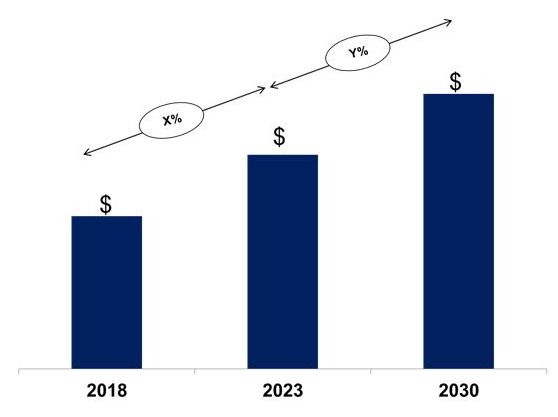
The future of the evaluation board market in Malaysia looks promising with opportunities in the consumer electronics, automotive, industrial automation, healthcare, and aerospace and defense markets. The global evaluation board market is expected to reach an estimated $7.3 billion by 2031 with a CAGR of 10.2% from 2025 to 2031. The evaluation board market in Malaysia is also forecasted to witness strong growth over the forecast period. The major drivers for this market are the high adoption of new technologies, such as artificial intelligence, machine learning, and internet of things, as well as, rising demand for electronic devices in a variety of industries, such as consumer electronics, automotive, and industrial automation.

• Lucintel forecasts that within the type category, the general-purpose evaluation boards segment is expected to witness the highest growth over the forecast period because of test and evaluation for a wider range of electronic components and circuits.

Evaluation Board Market in Malaysia Trends and Forecast

Emerging Trends in the Evaluation Board Market in Malaysia


The evaluation board market in Malaysia is experiencing rapid transformation driven by technological advancements, increased demand for electronic devices, and a shift towards more sophisticated testing solutions. As industries such as telecommunications, automotive, and consumer electronics grow, the need for reliable and versatile evaluation boards becomes critical. Local manufacturers and international players are competing to innovate and meet the evolving needs of engineers and developers. The market is also influenced by government initiatives promoting digitalization and Industry 4.0, which boost the adoption of advanced testing equipment. Additionally, the rise of IoT and AI applications is creating new opportunities for evaluation board providers. These developments are collectively reshaping the landscape, making it more dynamic and competitive.

• Growing Adoption of IoT and AI Technologies: The integration of IoT and AI in various sectors is driving demand for specialized evaluation boards. These boards support complex algorithms and connectivity features essential for IoT devices and AI applications. As Malaysia aims to become a smart nation, local companies are investing in boards that facilitate rapid prototyping and testing of IoT-enabled products. This trend enhances innovation capacity and accelerates product development cycles, positioning Malaysia as a competitive player in the global tech ecosystem.
• Increased Focus on Customization and Flexibility: Customers now seek evaluation boards tailored to specific project requirements. Manufacturers are offering customizable solutions with modular components, enabling engineers to adapt boards for different applications. This flexibility reduces development time and costs, making evaluation boards more accessible to startups and SMEs. The trend also encourages innovation by allowing rapid iteration and testing of new ideas, thus fostering a vibrant local tech community.
• Expansion of Local Manufacturing Capabilities: Malaysia is strengthening its local manufacturing base for evaluation boards to reduce dependency on imports and lower costs. Investments in R&D and production facilities are enabling the creation of high-quality, competitively priced boards. This shift supports faster delivery times and better after-sales service, which are crucial for local industries. Enhanced local manufacturing also promotes knowledge transfer and skill development within the country, contributing to a more resilient and self-sufficient market.
• Integration of Advanced Testing and Debugging Features: Modern evaluation boards now incorporate sophisticated testing, debugging, and analysis tools. Features such as embedded oscilloscopes, logic analyzers, and real-time monitoring improve the efficiency of product development. These integrated solutions help engineers identify issues early, reducing time-to-market and improving product reliability. The adoption of such advanced features is a response to the increasing complexity of electronic systems and the need for comprehensive testing capabilities.
• Growing Emphasis on Sustainability and Eco-Friendly Designs: Environmental considerations are influencing evaluation board development. Manufacturers are adopting eco-friendly materials and energy-efficient designs to meet regulatory standards and consumer expectations. This trend promotes sustainable practices within the electronics industry and encourages the development of greener products. It also aligns with Malaysia’s national goals for sustainable development, positioning the evaluation board market as a responsible and forward-looking sector.

These trends are collectively transforming the evaluation board market in Malaysia by fostering innovation, enhancing customization, and promoting local manufacturing. The integration of IoT and AI, along with advanced testing features, is enabling more sophisticated and reliable electronic products. Emphasis on sustainability and eco-friendly designs reflects a broader commitment to responsible growth. Overall, these developments are making the market more competitive, resilient, and aligned with global technological and environmental standards, ensuring sustained growth and opportunities for local and international players.

Recent Developments in the Evaluation Board Market in Malaysia


The evaluation board market in Malaysia is experiencing rapid growth driven by technological advancements and increased demand from various sectors such as electronics, automotive, and telecommunications. This expansion is fueled by local innovation, government initiatives, and foreign investments aiming to enhance Malaysia’s position in the global tech landscape. Recent developments reflect a strategic shift towards more sophisticated, versatile, and cost-effective evaluation solutions that cater to emerging industry needs. These changes are also influenced by the global push for digital transformation and Industry 4.0 adoption, making evaluation boards a critical component for product development and testing. As Malaysia continues to develop its tech ecosystem, these market evolutions are shaping a more competitive and innovative environment, attracting international players and fostering local startups. Overall, the market’s trajectory indicates a promising future with increased opportunities for growth, collaboration, and technological breakthroughs.

• Growing demand for advanced evaluation boards: The Malaysian market is witnessing a surge in demand for sophisticated evaluation boards that support complex applications such as AI, IoT, and 5G. This trend is driven by local tech companies and startups seeking to develop cutting-edge products, which in turn encourages manufacturers to innovate and expand their product offerings. The increased demand is also supported by government initiatives promoting the digital economy and smart manufacturing, creating a conducive environment for market growth. As a result, local and international suppliers are investing heavily in R&D to meet the evolving needs, leading to a broader variety of evaluation boards with enhanced features and capabilities. This development boosts Malaysia’s competitiveness in high-tech industries and accelerates product development cycles.
• Integration of AI and IoT functionalities: Recent developments focus on embedding AI and IoT capabilities into evaluation boards, enabling more intelligent and connected testing solutions. This integration allows developers to simulate real-world scenarios more accurately, improving product reliability and performance. The impact is significant as it reduces time-to-market and development costs for tech companies in Malaysia. Moreover, it fosters innovation by providing tools that support complex algorithms and data processing directly on evaluation platforms. This trend aligns with Malaysia’s national agenda to become a regional hub for IoT and AI technologies, attracting investments and talent. Consequently, the market is evolving towards smarter, more versatile evaluation solutions that cater to next-generation applications.
• Expansion of local manufacturing and R&D facilities: Malaysia is witnessing increased investment in local manufacturing and R&D centers dedicated to evaluation boards. This development reduces reliance on imports, shortens supply chains, and enhances customization for local industry needs. It also promotes knowledge transfer and skill development within the country, fostering a robust ecosystem for electronics and embedded systems. The presence of local manufacturing facilities enables faster response times to market demands and customization requests, giving Malaysian companies a competitive edge. Additionally, government incentives and policies are encouraging startups and established firms to establish or expand their R&D capabilities, further strengthening the market landscape.
• Adoption of environmentally sustainable practices: Sustainability is becoming a key focus in the evaluation board market, with companies adopting eco-friendly materials and energy-efficient designs. This shift is driven by global environmental concerns and local regulations aimed at reducing electronic waste and carbon footprint. The impact includes the development of greener evaluation boards that consume less power and incorporate recyclable components. Such practices not only align with corporate social responsibility goals but also appeal to environmentally conscious consumers and clients. As Malaysia aims to position itself as a sustainable tech hub, these developments are fostering innovation in eco-friendly electronics, opening new market segments, and enhancing brand reputation.
• Increased collaboration between industry and academia: There is a growing trend of partnerships between evaluation board manufacturers and Malaysian universities and research institutions. These collaborations facilitate knowledge exchange, joint R&D projects, and talent development, accelerating innovation in evaluation technologies. The impact is a more skilled workforce and a pipeline of innovative solutions tailored to local industry needs. Such partnerships also help in securing funding and grants, enabling the development of cutting-edge evaluation tools. This synergy boosts Malaysia’s overall tech ecosystem, making it more competitive globally and fostering a culture of innovation and research excellence.

These recent developments are significantly transforming the evaluation board market in Malaysia by fostering innovation, enhancing local capabilities, and promoting sustainable practices. The integration of advanced functionalities like AI and IoT, coupled with local manufacturing expansion, positions Malaysia as a competitive player in the global evaluation solutions landscape. Increased industry-academia collaboration and a focus on sustainability are further strengthening the ecosystem, attracting investments and talent. Overall, these trends are driving growth, diversification, and technological advancement, ensuring a vibrant future for Malaysia’s evaluation board market.

Strategic Growth Opportunities for Evaluation Board Market in Malaysia


The evaluation board market in Malaysia is experiencing rapid growth driven by technological advancements and increasing demand across various industries. As companies seek efficient development tools, the market offers significant opportunities for expansion. Key applications are evolving, creating new avenues for innovation and market penetration. This dynamic environment encourages manufacturers to develop tailored solutions that meet specific industry needs. The growth potential is further amplified by government initiatives supporting technological development and digital transformation. Overall, these developments are positioning Malaysia as a competitive hub for evaluation board solutions, fostering economic growth and technological progress.

• Increased adoption of IoT devices: The proliferation of IoT devices necessitates advanced evaluation boards to develop and test new sensors and connectivity modules, boosting market demand.
• Expansion in automotive electronics: Growing integration of electronic systems in vehicles requires specialized evaluation boards for development and testing, driving market growth.
• Growth in consumer electronics: Rising consumer demand for smart gadgets and wearable devices creates a need for versatile evaluation boards to accelerate product development.
• Advancements in industrial automation: The shift towards Industry 4.0 increases the need for evaluation boards that support automation and robotics, expanding market opportunities.
• Development of renewable energy solutions: The push for sustainable energy sources encourages the use of evaluation boards in developing solar, wind, and other renewable technologies, fostering market expansion.

These strategic growth opportunities are significantly impacting the evaluation board market in Malaysia by fostering innovation, enhancing product development, and supporting industry-specific technological advancements. They are attracting investments, creating new business avenues, and positioning Malaysia as a key player in the global evaluation board ecosystem.

Evaluation Board Market in Malaysia Driver and Challenges

The evaluation board market in Malaysia is influenced by a variety of technological, economic, and regulatory factors. Rapid technological advancements, government initiatives, and increasing demand for electronic devices are key drivers. Conversely, challenges such as high costs, supply chain disruptions, and regulatory hurdles pose significant obstacles. Understanding these dynamics is essential for stakeholders aiming to capitalize on growth opportunities and mitigate risks in this evolving market.

The factors responsible for driving the evaluation board market in Malaysia include:
• Technological Innovation: Rapid advancements in electronics and embedded systems drive demand for evaluation boards, which are essential for developing and testing new technologies. The increasing adoption of IoT, AI, and 5G technologies necessitates sophisticated evaluation tools, fueling market growth. Companies are investing heavily in R&D, leading to a surge in innovative evaluation board solutions tailored to emerging applications. This technological evolution not only enhances product capabilities but also accelerates time-to-market, providing a competitive edge.
• Government Initiatives and Policies: The Malaysian government actively promotes the electronics and semiconductor sectors through incentives, grants, and strategic initiatives. Programs aimed at digital transformation and Industry 4.0 adoption encourage local manufacturing and innovation, boosting demand for evaluation boards. Regulatory support and favorable policies attract foreign investment, fostering a conducive environment for market expansion. These initiatives help Malaysian companies integrate advanced evaluation tools into their development processes.
• Growing Electronics Manufacturing Sector: Malaysia’s robust electronics manufacturing industry, including consumer electronics, automotive, and telecommunications, significantly propels the evaluation board market. The sector’s expansion demands high-quality testing and development tools, which evaluation boards provide. As manufacturers strive for higher efficiency and product quality, the reliance on evaluation boards increases, further stimulating market growth. The presence of numerous OEMs and ODMs in Malaysia creates a steady demand for these testing solutions.
• Increasing Focus on R&D Activities: Both government and private sector investments in research and development are pivotal in driving the evaluation board market. R&D efforts aim to develop innovative electronic products, requiring sophisticated evaluation tools for prototyping and testing. This focus on innovation enhances the adoption of advanced evaluation boards, supporting technological progress and market competitiveness. The emphasis on R&D also leads to collaborations between academia and industry, fostering a vibrant ecosystem for evaluation board development.
• Rising Adoption of IoT and Smart Technologies: The proliferation of IoT devices and smart technologies in Malaysia accelerates the need for specialized evaluation boards. These boards facilitate the development and testing of connected devices, ensuring functionality and security. As IoT applications expand across sectors like healthcare, agriculture, and smart cities, the demand for tailored evaluation solutions grows. This trend underscores the importance of versatile and scalable evaluation boards in supporting Malaysia’s digital transformation.

The challenges in the evaluation board market in Malaysia are:
• High Costs and Price Sensitivity: The advanced features of evaluation boards often come with high costs, which can be a barrier for small and medium-sized enterprises. Price sensitivity among local manufacturers limits widespread adoption, especially in cost-competitive segments. Additionally, the need for frequent upgrades and maintenance adds to the overall expenditure, impacting profit margins and market penetration.
• Supply Chain Disruptions: Global supply chain issues, including shortages of electronic components and logistical delays, adversely affect the availability of evaluation boards. These disruptions hinder timely product development and testing, delaying project timelines and increasing costs. Local manufacturers face challenges in sourcing reliable components, which can compromise product quality and innovation pace.
• Regulatory and Certification Challenges: Navigating Malaysia’s regulatory landscape and obtaining necessary certifications can be complex and time-consuming. Compliance with safety, electromagnetic compatibility, and environmental standards requires significant effort and resources. These regulatory hurdles can delay product launches and increase costs, discouraging some companies from investing heavily in evaluation board development.

In summary, the Malaysian evaluation board market is shaped by rapid technological progress, supportive government policies, and a thriving electronics sector. However, high costs, supply chain issues, and regulatory complexities pose notable challenges. Despite these obstacles, the market’s growth prospects remain promising, driven by innovation, digital transformation, and increasing demand for advanced testing solutions. Stakeholders must strategically navigate these factors to capitalize on emerging opportunities and sustain competitive advantage.

List of Evaluation Board Market in Malaysia Companies

Companies in the market compete on the basis of product quality offered. Major players in this market focus on expanding their manufacturing facilities, R&D investments, infrastructural development, and leverage integration opportunities across the value chain. Through these strategies, evaluation board companies cater to increasing demand, ensure competitive effectiveness, develop innovative products & technologies, reduce production costs, and expand their customer base. Some of the evaluation board companies profiled in this report include:
• Company 1
• Company 2
• Company 3
• Company 4
• Company 5
• Company 6
• Company 7


Evaluation Board Market in Malaysia by Segment

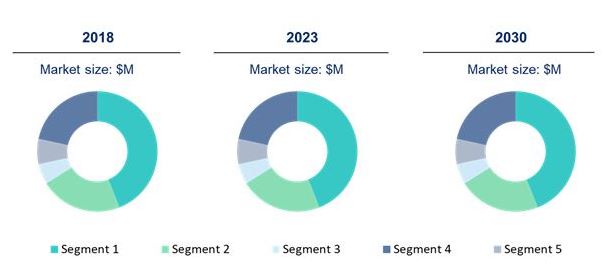
The study includes a forecast for the evaluation board market in Malaysia by type, technology, and application.

Evaluation Board Market in Malaysia by Type [Analysis by Value from 2019 to 2031]:


• General-Purpose Evaluation Boards
• Application-Specific Evaluation Boards

Evaluation Board Market in Malaysia by Technology [Analysis by Value from 2019 to 2031]:


• Microcontroller-Based
• DSP-Based
• FPGA-Based
• Analog-Based

Evaluation Board Market in Malaysia by Application [Analysis by Value from 2019 to 2031]:


• Consumer Electronics
• Automotive
• Industrial Automation
• Healthcare
• Aerospace & Defense
• Others

Lucintel Analytics Dashboard

Features of the Evaluation Board Market in Malaysia

Market Size Estimates: Evaluation board in Malaysia market size estimation in terms of value ($B).
Trend and Forecast Analysis: Market trends and forecasts by various segments.
Segmentation Analysis: Evaluation board in Malaysia market size by type, technology, and application in terms of value ($B).
Growth Opportunities: Analysis of growth opportunities in different type, technology, and application for the evaluation board in Malaysia.
Strategic Analysis: This includes M&A, new product development, and competitive landscape of the evaluation board in Malaysia.
Analysis of competitive intensity of the industry based on Porter’s Five Forces model.

If you are looking to expand your business in this or adjacent markets, then contact us. We have done hundreds of strategic consulting projects in market entry, opportunity screening, due diligence, supply chain analysis, M & A, and more.
Lucintel Consulting Services

FAQ

Q.1 What are the major drivers influencing the growth of the evaluation board market in Malaysia?
Answer: The major drivers for this market are the high adoption of new technologies, such as artificial intelligence, machine learning, and internet of things, as well as, rising demand for electronic devices in a variety of industries, such as consumer electronics, automotive, and industrial automation.
Q2. What are the major segments for evaluation board market in Malaysia?
Answer: The future of the evaluation board market in Malaysia looks promising with opportunities in the consumer electronics, automotive, industrial automation, healthcare, and aerospace and defense markets.
Q3. Which evaluation board market segment in Malaysia will be the largest in future?
Answer: Lucintel forecasts that general-purpose evaluation boards segment is expected to witness the highest growth over the forecast period because of test and evaluation for a wider range of electronic components and circuits.
Q4. Do we receive customization in this report?
Answer: Yes, Lucintel provides 10% customization without any additional cost.

This report answers following 10 key questions:

Q.1. What are some of the most promising, high-growth opportunities for the evaluation board market in Malaysia by type (general-purpose evaluation boards and application-specific evaluation boards), technology (microcontroller-based, DSP-based, FPGA-based, and analog-based), and application (consumer electronics, automotive, industrial automation, healthcare, aerospace & defense, and others)?
Q.2. Which segments will grow at a faster pace and why?
Q.3. What are the key factors affecting market dynamics? What are the key challenges and business risks in this market?
Q.4. What are the business risks and competitive threats in this market?
Q.5. What are the emerging trends in this market and the reasons behind them?
Q.6. What are some of the changing demands of customers in the market?
Q.7. What are the new developments in the market? Which companies are leading these developments?
Q.8. Who are the major players in this market? What strategic initiatives are key players pursuing for business growth?
Q.9. What are some of the competing products in this market and how big of a threat do they pose for loss of market share by material or product substitution?
Q.10. What M&A activity has occurred in the last 5 years and what has its impact been on the industry?
For any questions related to Evaluation Board Market in Malaysia, Evaluation Board Market in Malaysia Size, Evaluation Board Market in Malaysia Growth, Evaluation Board Market in Malaysia Analysis, Evaluation Board Market in Malaysia Report, Evaluation Board Market in Malaysia Share, Evaluation Board Market in Malaysia Trends, Evaluation Board Market in Malaysia Forecast, Evaluation Board Companies, write Lucintel analyst at email: helpdesk@lucintel.com. We will be glad to get back to you soon.

                                                            Table of Contents

            1. Executive Summary

            2. Evaluation Board Market in Malaysia: Market Dynamics
                        2.1: Introduction, Background, and Classifications
                        2.2: Supply Chain
                        2.3: Industry Drivers and Challenges

            3. Market Trends and Forecast Analysis from 2019 to 2031
                        3.1. Macroeconomic Trends (2019-2024) and Forecast (2025-2031)
                        3.2. Evaluation Board Market in Malaysia Trends (2019-2024) and Forecast (2025-2031)
                        3.3: Evaluation Board Market in Malaysia by Type
                                    3.3.1: General-Purpose Evaluation Boards
                                    3.3.2: Application-Specific Evaluation Boards
                        3.4: Evaluation Board Market in Malaysia by Technology
                                    3.4.1: Microcontroller-based
                                    3.4.2: DSP-based
                                    3.4.3: FPGA-based
                                    3.4.4: Analog-based
                        3.5: Evaluation Board Market in Malaysia by Application
                                    3.5.1: Consumer Electronics
                                    3.5.2: Automotive
                                    3.5.3: Industrial Automation
                                    3.5.4: Healthcare
                                    3.5.5: Aerospace & Defense
                                    3.5.6: Others

            4. Competitor Analysis
                        4.1: Product Portfolio Analysis
                        4.2: Operational Integration
                        4.3: Porter’s Five Forces Analysis

            5. Growth Opportunities and Strategic Analysis
                        5.1: Growth Opportunity Analysis
                                    5.1.1: Growth Opportunities for the Evaluation Board Market in Malaysia by Type
                                    5.1.2: Growth Opportunities for the Evaluation Board Market in Malaysia by Technology
                                    5.1.3: Growth Opportunities for the Evaluation Board Market in Malaysia by Application
                        5.2: Emerging Trends in the Evaluation Board Market in Malaysia
                        5.3: Strategic Analysis
                                    5.3.1: New Product Development
                                    5.3.2: Capacity Expansion of the Evaluation Board Market in Malaysia
                                    5.3.3: Mergers, Acquisitions, and Joint Ventures in the Evaluation Board Market in Malaysia
                                    5.3.4: Certification and Licensing

            6. Company Profiles of Leading Players
                        6.1: Company 1
                        6.2: Company 2
                        6.3: Company 3
                        6.4: Company 4
                        6.5: Company 5
                        6.6: Company 6
                        6.7: Company 7
.

Buy full report or by chapter as follows

Limited Time Offer

Price by License Type:
[-] Hide Chapter Details
[Chapter Number] [Chapter Name] [Chapter Number Of Pages] [Chapter Price]
Title/Chapter Name Pages Price
Full Report: Evaluation Board Market in Malaysia Full Report $ 2,990
150 - page report
Lucintel has been in the business of market research and management consulting since 2000 and has published over 1000 market intelligence reports in various markets / applications and served over 1,000 clients worldwide. This study is a culmination of four months of full-time effort performed by Lucintel's analyst team. The analysts used the following sources for the creation and completion of this valuable report:
  • In-depth interviews of the major players in this market
  • Detailed secondary research from competitors’ financial statements and published data 
  • Extensive searches of published works, market, and database information pertaining to industry news, company press releases, and customer intentions
  • A compilation of the experiences, judgments, and insights of Lucintel’s professionals, who have analyzed and tracked this market over the years.
Extensive research and interviews are conducted across the supply chain of this market to estimate market share, market size, trends, drivers, challenges, and forecasts. Below is a brief summary of the primary interviews that were conducted by job function for this report.
 
Thus, Lucintel compiles vast amounts of data from numerous sources, validates the integrity of that data, and performs a comprehensive analysis. Lucintel then organizes the data, its findings, and insights into a concise report designed to support the strategic decision-making process. The figure below is a graphical representation of Lucintel’s research process. 
 

Please sign in below to get report brochure - Evaluation Board Market in Malaysia .

At Lucintel, we respect your privacy and maintain the confidentiality of information / data provided by you
(Please enter your corporate email. * These fields are mandatory )

Follow us on