Evaluation Board in Japan Trends and Forecast
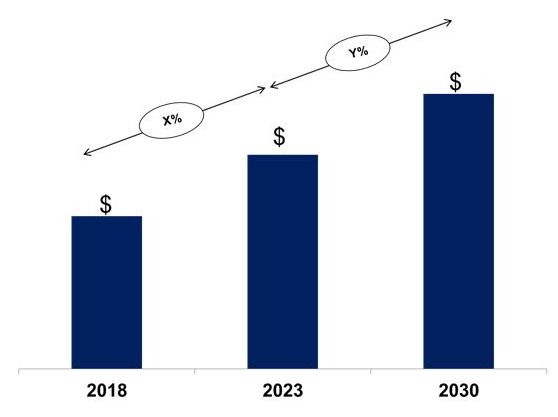
The future of the evaluation board market in Japan looks promising with opportunities in the consumer electronics, automotive, industrial automation, healthcare, and aerospace and defense markets. The global evaluation board market is expected to reach an estimated $7.3 billion by 2031 with a CAGR of 10.2% from 2025 to 2031. The evaluation board market in Japan is also forecasted to witness strong growth over the forecast period. The major drivers for this market are the high adoption of new technologies, such as artificial intelligence, machine learning, and internet of things, as well as, rising demand for electronic devices in a variety of industries, such as consumer electronics, automotive, and industrial automation.
• Lucintel forecasts that within the type category, the general-purpose evaluation boards segment is expected to witness the highest growth over the forecast period because of test and evaluation for a wider range of electronic components and circuits.
Emerging Trends in the Evaluation Board Market in Japan
The evaluation board market in Japan is experiencing rapid transformation driven by technological advancements, increased demand for high-performance electronics, and evolving industry standards. As Japan remains a global leader in electronics innovation, local companies and international players are continuously developing new evaluation boards to meet the needs of diverse applications such as IoT, automotive, and consumer electronics. The market is also influenced by the push for miniaturization, energy efficiency, and integration of AI capabilities. These trends are shaping the competitive landscape, prompting manufacturers to innovate and adapt swiftly. Understanding these emerging trends is crucial for stakeholders aiming to capitalize on growth opportunities and stay ahead in this dynamic environment.
• Increasing adoption of AI and machine learning: The integration of AI capabilities into evaluation boards is accelerating, enabling more sophisticated testing and development processes. This trend allows developers to simulate real-world scenarios more accurately, improving product reliability and performance. The impact is significant as it reduces time-to-market and enhances innovation, making evaluation boards more versatile and valuable for advanced applications.
• Growth in IoT and connected devices: The proliferation of IoT devices is driving demand for specialized evaluation boards that support connectivity, sensor integration, and low power consumption. These boards facilitate rapid prototyping and testing of IoT solutions, fostering innovation in smart homes, industrial automation, and healthcare. The market benefits from increased customization options and improved performance tailored to IoT requirements.
• Miniaturization and compact design: As devices become smaller, evaluation boards are also evolving to be more compact without sacrificing functionality. This trend supports the development of portable, wearable, and space-constrained applications. The impact includes enhanced usability, reduced manufacturing costs, and the ability to test in more diverse environments, broadening the scope of potential applications.
• Emphasis on energy efficiency and sustainability: Evaluation boards are increasingly designed with energy-saving features to support eco-friendly and sustainable product development. This trend aligns with global efforts to reduce carbon footprints and comply with environmental regulations. The result is more energy-efficient testing solutions that help companies develop greener products, appealing to environmentally conscious consumers and stakeholders.
• Integration of advanced interfaces and connectivity options: The market is witnessing a rise in evaluation boards equipped with advanced interfaces such as USB-C, HDMI, and wireless connectivity like Bluetooth and Wi-Fi. These features enable seamless integration with various devices and systems, facilitating complex testing scenarios. The impact is a more flexible and comprehensive testing environment, accelerating product development cycles and enhancing interoperability.
These emerging trends are fundamentally reshaping the evaluation board market in Japan by fostering innovation, improving efficiency, and expanding application possibilities. The focus on AI, IoT, miniaturization, energy efficiency, and advanced connectivity is driving the development of smarter, more versatile evaluation solutions. As a result, companies can accelerate product development, reduce costs, and meet the evolving demands of modern electronics. This dynamic landscape promises continued growth and competitiveness in Japan’s electronics industry.
Recent Developments in the Evaluation Board Market in Japan
The evaluation board market in Japan is experiencing rapid growth driven by technological advancements and increased demand for innovative electronic solutions. Companies are investing heavily in R&D to develop more sophisticated and versatile evaluation boards that cater to diverse applications such as IoT, AI, and automotive electronics. The market’s evolution is also influenced by global supply chain dynamics and the push for local manufacturing. As a result, Japanese firms are focusing on high-quality, reliable, and cost-effective evaluation boards to maintain competitive advantage. These developments are shaping the future landscape of the evaluation board industry in Japan, fostering innovation and expanding market opportunities.
• Increased R&D Investment: Japanese companies are boosting R&D budgets to develop advanced evaluation boards, aiming to enhance product capabilities and meet emerging technological needs. This investment accelerates innovation, leading to more sophisticated and versatile evaluation tools that support complex applications like AI and IoT. The focus on R&D also helps firms stay ahead of global competitors, ensuring they can introduce cutting-edge solutions to the market. As a result, the market is witnessing a surge in high-performance evaluation boards that cater to diverse industry requirements.
• Integration of AI and IoT Features: Evaluation boards are increasingly incorporating AI and IoT functionalities, reflecting the rising demand for smart and connected devices. This integration enables developers to test and validate AI algorithms and IoT applications more effectively, reducing time-to-market. It also opens new avenues for startups and established firms to innovate in smart home, industrial automation, and automotive sectors. The enhanced capabilities of these boards are driving market growth and expanding the scope of applications.
• Focus on High-Quality and Reliability: Japanese evaluation boards are emphasizing quality and reliability to meet stringent industry standards. This focus ensures durability and consistent performance, which are critical for applications in automotive, aerospace, and medical fields. Companies are adopting rigorous testing and quality assurance processes, reinforcing Japan’s reputation for precision engineering. The demand for dependable evaluation tools is increasing, prompting manufacturers to innovate in materials and design to deliver superior products.
• Expansion of Local Manufacturing: To mitigate supply chain disruptions and reduce costs, Japanese firms are expanding local manufacturing of evaluation boards. This shift enhances supply chain resilience and allows for quicker customization and delivery. Local production also aligns with government initiatives promoting domestic electronics manufacturing. As a result, the market benefits from reduced lead times, improved quality control, and strengthened industry competitiveness.
• Adoption of Sustainable and Eco-Friendly Practices: Environmental considerations are influencing the development of evaluation boards, with companies adopting sustainable materials and energy-efficient designs. This trend aligns with Japan’s broader commitment to sustainability and corporate responsibility. Eco-friendly evaluation boards appeal to environmentally conscious customers and open new market segments. The focus on sustainability is also driving innovation in manufacturing processes, contributing to the overall growth and modernization of the evaluation board industry.
These developments are significantly impacting the evaluation board market in Japan by fostering innovation, enhancing product quality, and improving supply chain resilience. The integration of AI and IoT features broadens application possibilities, while local manufacturing and sustainability initiatives strengthen industry competitiveness. Overall, these trends are positioning Japan as a leader in high-quality, innovative evaluation solutions, driving market expansion and technological progress.
Strategic Growth Opportunities for Evaluation Board Market in Japan
The evaluation board market in Japan is experiencing rapid growth driven by technological advancements and increasing demand across various applications. As industries evolve, the need for sophisticated testing and development tools becomes critical, creating significant opportunities for market expansion. Key applications such as consumer electronics, automotive, industrial automation, healthcare, and telecommunications are fueling this growth. Companies are investing heavily in innovative solutions to stay competitive, which further accelerates market development. Understanding these opportunities helps stakeholders capitalize on emerging trends and enhance their market positioning.
• Consumer Electronics: This growth enhances product development efficiency, accelerates time-to-market, and supports the integration of new functionalities, ultimately boosting consumer satisfaction and market competitiveness.
• Automotive: These boards facilitate rigorous testing of automotive components, ensuring safety and compliance, which accelerates vehicle innovation and adoption.
• Industrial Automation: They enable precise control and monitoring, leading to improved manufacturing processes, higher productivity, and reduced downtime.
• Healthcare: These boards support the development of reliable, accurate, and innovative healthcare solutions, improving patient outcomes and expanding market reach.
• Telecommunications: They ensure the performance and reliability of new communication technologies, facilitating faster deployment and enhanced connectivity.
The identified growth opportunities across these key applications are significantly impacting the evaluation board market in Japan. They are driving innovation, increasing demand, and fostering competitive advantages for industry players. As these sectors continue to evolve, the market is poised for sustained expansion, offering substantial benefits to stakeholders and contributing to Japan’s technological leadership.
Evaluation Board Market in Japan Driver and Challenges
The evaluation board market in Japan is influenced by a complex interplay of technological advancements, economic conditions, and regulatory frameworks. These factors collectively shape the growth trajectory, innovation pace, and competitive landscape of the market. Understanding these drivers and challenges is essential for stakeholders aiming to capitalize on opportunities and mitigate risks in this dynamic environment.
The factors responsible for driving the evaluation board market in Japan include:
• Technological Innovation: Rapid advancements in semiconductor and embedded system technologies propel the demand for sophisticated evaluation boards, enabling faster development cycles and improved product performance.
• Growing Electronics Industry: Japan’s robust electronics sector, including automotive, consumer electronics, and industrial applications, fuels the need for evaluation tools to ensure quality and compliance.
• Government Initiatives and Regulations: Supportive policies and standards promote innovation and adoption of evaluation boards, especially in areas like IoT, AI, and automotive safety.
• Increasing R&D Investments: Elevated investments in research and development by corporations and government bodies foster the creation of advanced evaluation solutions, maintaining Japan’s competitive edge.
The challenges in the evaluation board market in Japan are:
• High Cost of Advanced Evaluation Boards: The expense associated with cutting-edge evaluation boards can be prohibitive for small and medium enterprises, limiting widespread adoption.
• Rapid Technological Changes: The fast pace of technological evolution can render existing evaluation boards obsolete quickly, necessitating continuous updates and investments.
• Regulatory Compliance and Standards: Navigating complex regulatory requirements can delay product development and increase costs, posing hurdles for market players.
In summary, the evaluation board market in Japan is driven by technological progress, a strong electronics industry, supportive policies, and R&D investments. However, high costs, rapid tech changes, and regulatory complexities present significant challenges. These factors collectively influence the market’s growth potential, requiring stakeholders to adapt strategically to sustain competitiveness and innovation.
List of Evaluation Board Market in Japan Companies
Companies in the market compete on the basis of product quality offered. Major players in this market focus on expanding their manufacturing facilities, R&D investments, infrastructural development, and leverage integration opportunities across the value chain. Through these strategies, evaluation board companies cater to increasing demand, ensure competitive effectiveness, develop innovative products & technologies, reduce production costs, and expand their customer base. Some of the evaluation board companies profiled in this report include:
• Company 1
• Company 2
• Company 3
• Company 4
• Company 5
• Company 6
• Company 7
Evaluation Board Market in Japan by Segment
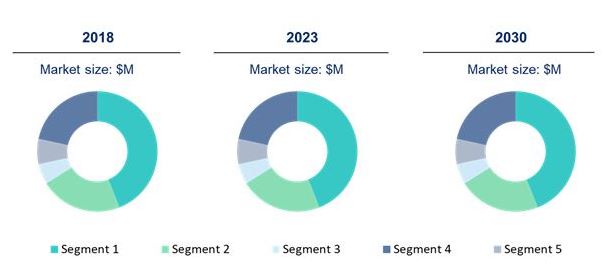
The study includes a forecast for the evaluation board market in Japan by type, technology, and application.
Evaluation Board Market in Japan by Type [Analysis by Value from 2019 to 2031]:
• General-Purpose Evaluation Boards
• Application-Specific Evaluation Boards
Evaluation Board Market in Japan by Technology [Analysis by Value from 2019 to 2031]:
• Microcontroller-Based
• DSP-Based
• FPGA-Based
• Analog-Based
Evaluation Board Market in Japan by Application [Analysis by Value from 2019 to 2031]:
• Consumer Electronics
• Automotive
• Industrial Automation
• Healthcare
• Aerospace & Defense
• Others
Features of the Evaluation Board Market in Japan
Market Size Estimates: Evaluation board in Japan market size estimation in terms of value ($B).
Trend and Forecast Analysis: Market trends and forecasts by various segments.
Segmentation Analysis: Evaluation board in Japan market size by type, technology, and application in terms of value ($B).
Growth Opportunities: Analysis of growth opportunities in different type, technology, and application for the evaluation board in Japan.
Strategic Analysis: This includes M&A, new product development, and competitive landscape of the evaluation board in Japan.
Analysis of competitive intensity of the industry based on Porter’s Five Forces model.
If you are looking to expand your business in this or adjacent markets, then contact us. We have done hundreds of strategic consulting projects in market entry, opportunity screening, due diligence, supply chain analysis, M & A, and more.
FAQ
Q.1 What are the major drivers influencing the growth of the evaluation board market in Japan?
Answer: The major drivers for this market are the high adoption of new technologies, such as artificial intelligence, machine learning, and internet of things, as well as, rising demand for electronic devices in a variety of industries, such as consumer electronics, automotive, and industrial automation.
Q2. What are the major segments for evaluation board market in Japan?
Answer: The future of the evaluation board market in Japan looks promising with opportunities in the consumer electronics, automotive, industrial automation, healthcare, and aerospace and defense markets.
Q3. Which evaluation board market segment in Japan will be the largest in future?
Answer: Lucintel forecasts that general-purpose evaluation boards segment is expected to witness the highest growth over the forecast period because of test and evaluation for a wider range of electronic components and circuits.
Q4. Do we receive customization in this report?
Answer: Yes, Lucintel provides 10% customization without any additional cost.
This report answers following 10 key questions:
Q.1. What are some of the most promising, high-growth opportunities for the evaluation board market in Japan by type (general-purpose evaluation boards and application-specific evaluation boards), technology (microcontroller-based, DSP-based, FPGA-based, and analog-based), and application (consumer electronics, automotive, industrial automation, healthcare, aerospace & defense, and others)?
Q.2. Which segments will grow at a faster pace and why?
Q.3. What are the key factors affecting market dynamics? What are the key challenges and business risks in this market?
Q.4. What are the business risks and competitive threats in this market?
Q.5. What are the emerging trends in this market and the reasons behind them?
Q.6. What are some of the changing demands of customers in the market?
Q.7. What are the new developments in the market? Which companies are leading these developments?
Q.8. Who are the major players in this market? What strategic initiatives are key players pursuing for business growth?
Q.9. What are some of the competing products in this market and how big of a threat do they pose for loss of market share by material or product substitution?
Q.10. What M&A activity has occurred in the last 5 years and what has its impact been on the industry?
For any questions related to Evaluation Board Market in Japan, Evaluation Board Market in Japan Size, Evaluation Board Market in Japan Growth, Evaluation Board Market in Japan Analysis, Evaluation Board Market in Japan Report, Evaluation Board Market in Japan Share, Evaluation Board Market in Japan Trends, Evaluation Board Market in Japan Forecast, Evaluation Board Companies, write Lucintel analyst at email: helpdesk@lucintel.com. We will be glad to get back to you soon.