
Market Report · May 18, 2026

This market report covers trends, opportunities, and forecasts in the global ev charging management software market to 2031 by technology (cloud-based and on-premises), application (public charging, private charging, and fleet charging), and region (North America, Europe, Asia Pacific, and the Rest of the World)
We'll send your sample report shortly.
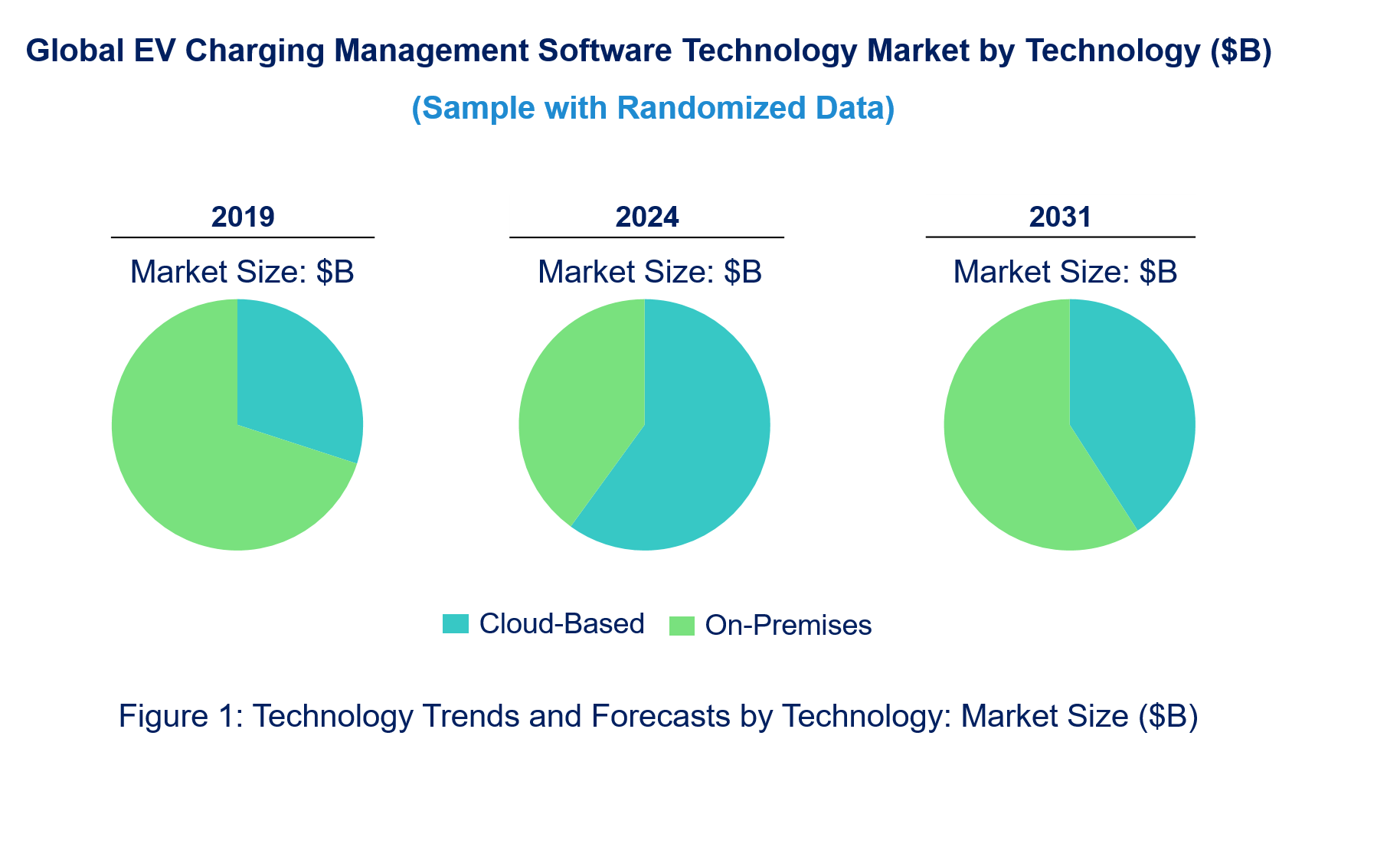
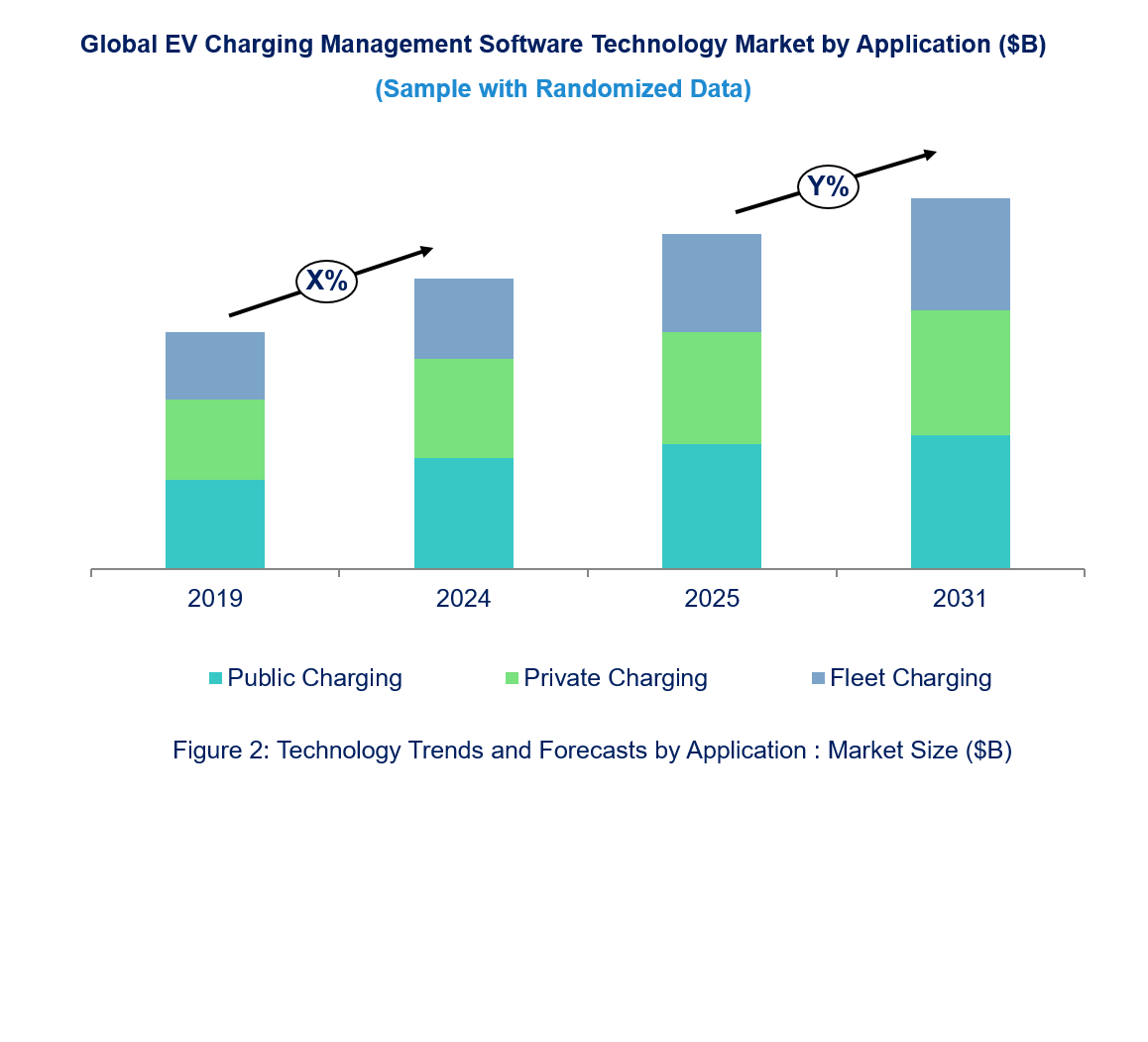
• Integration with Smart Grid and IoTIn recent times: EV charging management software is increasingly integrated with smart grids and Internet of Things (IoT) technologies. This helps in real-time monitoring and dynamic management of charging stations to optimize energy distribution and improve grid stability. These integrations reduce the strain on power grids, making EV charging more efficient and sustainable.
• Scalable and Flexible Cloud-Based Solutions: Cloud-based charging management platforms have become the norm in the industry. Such platforms can be remotely monitored, updated, and easily expanded charging infrastructure. Additionally, with cloud integration comes better data analytics, helping operators monitor usage patterns, revenues, and energy consumption for more informed decisions.
• Dynamic Pricing and Smart Charging Algorithms: With time, software solutions are adopting dynamic pricing models that charge on-demand, time-of-day, and energy availability. Optimal charging algorithms, on the other hand, enhance the charging process through time-of-day scheduling during the off-peak period and, therefore, reduce charges for users while trying to ensure a balanced load on the grid.
• Renewable Energy Integration: The integration of renewable sources like solar and wind with electric vehicle charging infrastructure is quite common. Now, Electric Vehicle Charging Management Software accommodates the usage of renewable energy to feed the charge station, thereby providing eco-friendly solutions and reducing the consumption of non-renewable energy. Both environmentalism and government regulations that promote the use of clean energy are supporting this trend.
• Improved User Experience with Mobile Apps and Payment Services: Most of the charging management software platforms for electric vehicles are enhancing the user experience through mobile applications and frictionless payment services. These apps help EV owners find readily available charging stations, monitor their charging progress, and pay through various channels. A good user interface and other features would drive adoption and satisfaction. The pace of the EV charging management software market is changing because of cloud computing, integration with smart grids, and the pursuit of sustainable energy solutions. Dynamic pricing, integration with renewable energy sources, and mobile app solutions are making the process efficient, flexible, and more user-friendly. These trends have changed the face of electric vehicle charging infrastructure, making it scalable and easier for people to switch to electric vehicles from traditional ones.
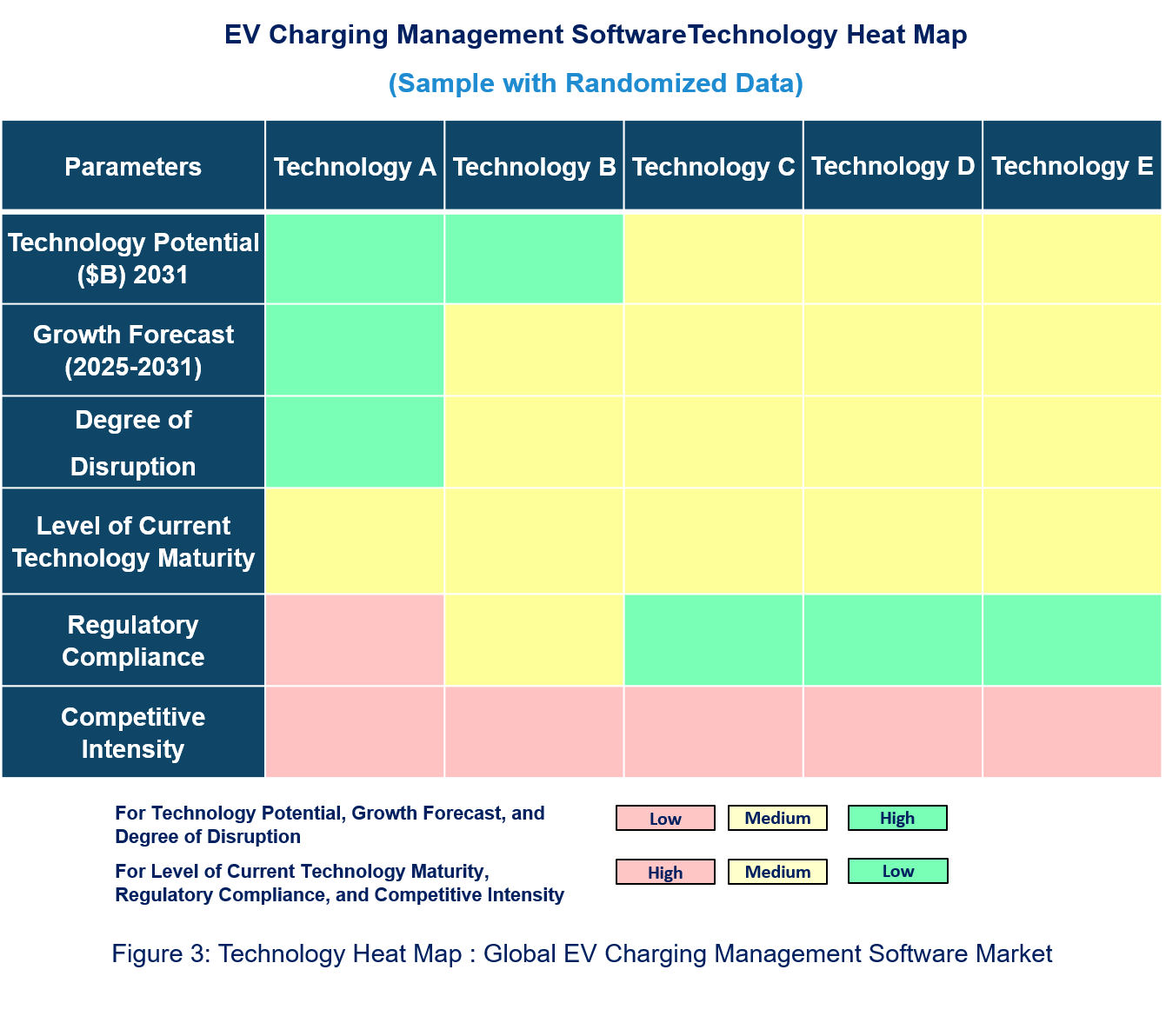
• Potential for Technology: The potential of EV charging management software is enormous, and innovations are focused on optimizing energy usage, reducing the cost of charging, and fair resource distribution. Integration of AI and machine learning allows the platform to predict demand, increase energy efficiency, and deliver customized services to the user of an EV. The software will also be instrumental in making the transition to smart grids, supporting V2G integration to better store and distribute energy.
• Degree of Disruption: This technology is highly disruptive because it changes the nature of how charging networks are operated to be more efficient and responsive to demand. Advanced analytics integrated into EV Charging Management Software can optimize resource use, reduce operational costs, and speed up the adoption of EVs by ensuring reliable access to charging infrastructure.
• Current Technology Maturity: Level The technology has matured, and there are already several global deployments of software solutions aimed at managing charging stations; however, challenges remain for standardizing communication protocols to improve interoperability and for scaling the infrastructure to meet demands.
• Regulatory Compliance: Regulatory compliance is becoming increasingly important due to governments imposing stricter standards on emissions and energy consumption. EV Charging Management Software must adhere to data security, privacy, and energy regulations to meet national and international standards of safety and sustainability.
• ChargePoint Upgraded its cloud-based platform that manages charging. That said, ChargePoint enhanced the real-time data analytics it presents on charging activity together with remote station monitoring in real-time. The new upgrade also allows for improved predictive maintenance with enhanced reporting capabilities, facilitating flexible adjustments of charging rates in keeping with grid demand to aid operators of fleets and networks to optimize usage and reduce downtime for all.
• EVgo: The company has launched a new set of management tools targeting business and municipal fleet charging efficiency. The software combines fleet management functionalities with EVgo's public charging infrastructure, enabling the user to manage both public and private charging stations from one portal. This is particularly impactful to large organizations looking to centralize EV charging operations, improving efficiency in cost and ease of use.
• Siemens: Siemens launched its new EV charging management software solution, which aims to maximize the integration of renewable energy sources with EV charging networks. The software is able to automatically adjust charging times and rates according to the availability of solar and wind energy, thereby reducing carbon footprints and lowering the operational costs for charging station owners. The solution also includes powerful analytics to enhance the efficiency of operations and user experience. These developments herald further evolutionary development in the technological innovations of the EV charging management software Market, with a growing emphasis on scalability, sustainability, and optimization to meet the increasing demand for electric vehicle infrastructure.
• Increasing Adoption of Electric Vehicles One of the key factors driving the EV Charging Management Software market is the global transition to electric vehicles. With more consumers and businesses switching to EVs, there is a resultant increase in demand for efficient, reliable, and scalable solutions for managing charging infrastructure, and thus an expanded market for CMS technologies.
• Government Incentives and Regulations Governments around the world have been implementing supportive policies and regulations to encourage the use of EVs and build robust charging infrastructure. Subsidies, grants, and mandates on clean energy usage are driving the installation of EV charging stations and creating a need for efficient management software for growing networks
• Integration with Renewable Energy Sources The integration of renewable energy sources such as solar and wind power into the EV charging network is driving innovation in CMS. These systems optimize the use of green energy, reduce reliance on fossil fuels, and align with sustainability goals, making EV charging more eco-friendly and cost-effective. Challenges in the EV charging management software market are:
• High Infrastructure Costs The development and installation of EV charging stations, as well as the introduction of CMS, are costly. High initial infrastructure costs, including the integration of smart systems and maintenance, may become a significant barrier for operators, especially in regions with limited financial incentives or subsidies.
• Technological Complexity and Compatibility Issues The integration of CMS with a variety of EV charging stations, electric vehicle models, and power grids poses significant technical challenges. Compatibility issues and the complexity of managing diverse systems hinder the scalability and efficiency of charging networks, making it challenging for providers to deploy solutions in different regions.
• Data Privacy and Security Concerns With the increasing reliance on digital platforms for charging management, data privacy and cybersecurity are major concerns. Charging management systems process large amounts of data from users, including personal and financial information. Ensuring the protection of this data is crucial to avoid potential security breaches and maintain consumer trust. The rise in electric vehicle adoption along with government incentives and preference for renewable energy are the driving forces behind the growth of this market. On the contrary, high infrastructure costs, complicated technicalities, and security issues arising from data make it vulnerable to growth. Nevertheless, the business is continuously developing with efforts on innovation toward overcoming hurdles and creating sustainable, effective, and user-friendly charging networks for EVs.
• Chargepoint
• Evgo
• Siemens
• Technology Readiness by Technology Type: Cloud-based technology for Ev charging management software is highly competitive, with strong regulatory compliance focused on data security. On-premises solutions offer more control, comply with local regulations, and are key for industries requiring customized, secure applications.
• Competitive Intensity and Regulatory Compliance: The competitive intensity in the Ev charging management software market is high, with both cloud-based and on-premises solutions vying for dominance. Regulatory compliance is crucial, with strict energy and safety standards for both deployment types to ensure legal and efficient operation.
• Disruption Potential of Technologies: Cloud-based and on-premises solutions offer significant disruption potential in the Ev charging management software market. Cloud-based systems enable real-time updates, scalability, and global accessibility. On-premises solutions provide better data control, security, and customization.
• Cloud-Based
• On-Premises
• Public Charging
• Private Charging
• Fleet Charging
• North America
• Europe
• Asia Pacific
• The Rest of the World
• Latest Developments and Innovations in the EV Charging Management Software Technologies
• Companies / Ecosystems
• Strategic Opportunities by Technology Type




Choose a license that fits your team. Instant PDF delivery.
Prices exclude taxes. Instant delivery. Custom licensing available on request.
Market Report · May 18, 2026
Market Report · May 18, 2026
Market Report · May 18, 2026
Trusted partner for strategic intelligence and business growth


Receive a complimentary market analysis tailored to your industry. Our analysts will identify key growth opportunities and competitive dynamics specific to your business.

Market size, growth rate, and key trend analysis for your specific sector.

Top competitor positioning and market share analysis.

Strategic recommendations backed by data-driven insights.
Get curated market intelligence and competitive moves straight to your inbox.
By subscribing, you agree to receive our monthly insights. Unsubscribe anytime.
Receive a complimentary market analysis tailored to your industry. Our analysts will identify key growth opportunities and competitive dynamics specific to your business.
Market size, growth rate, and key trend analysis for your specific sector.
Top competitor positioning and market share analysis.
Strategic recommendations backed by data-driven insights.
Get curated market intelligence, emerging trends, and competitive moves straight to your inbox each month.
By subscribing, you agree to receive our monthly insights. Unsubscribe anytime.
We'll send your sample report shortly.