
Report Feature
Electrical Goods Market Trends and Forecast
The technologies in the electrical goods market have undergone significant changes in recent years, with advancements from traditional electrical systems to IoT integration systems and smart connectivity technology, driving enhanced automation and energy efficiency.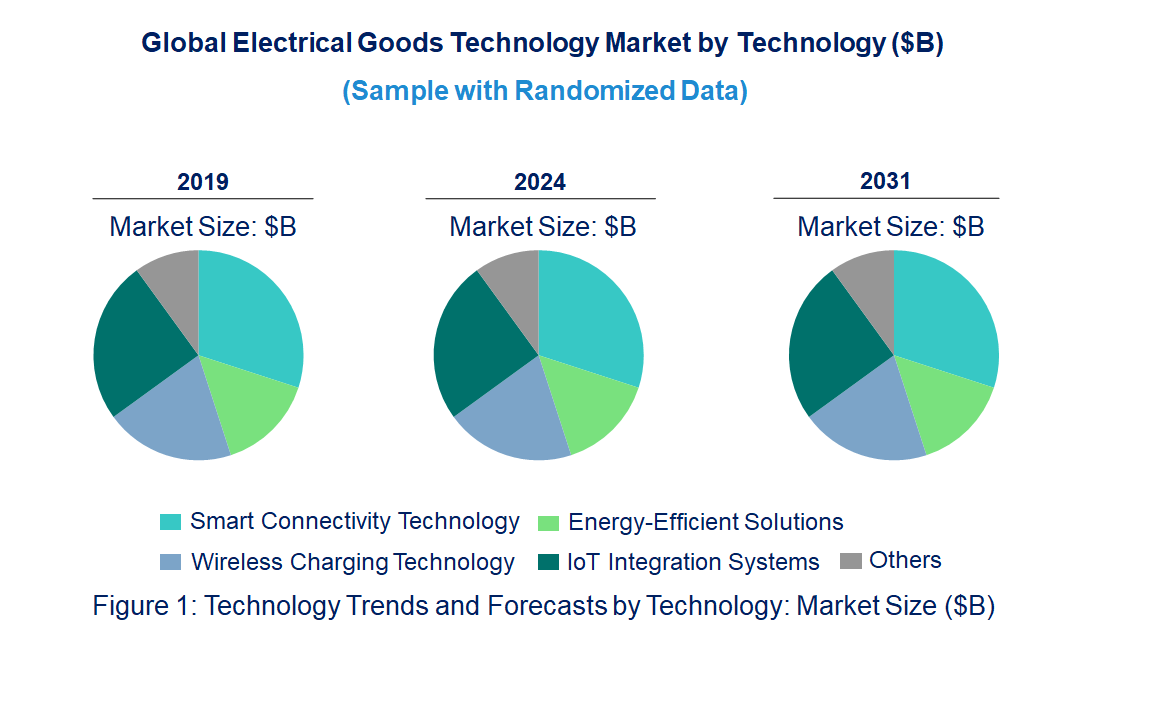
Emerging Trends in the Electrical Goods Market
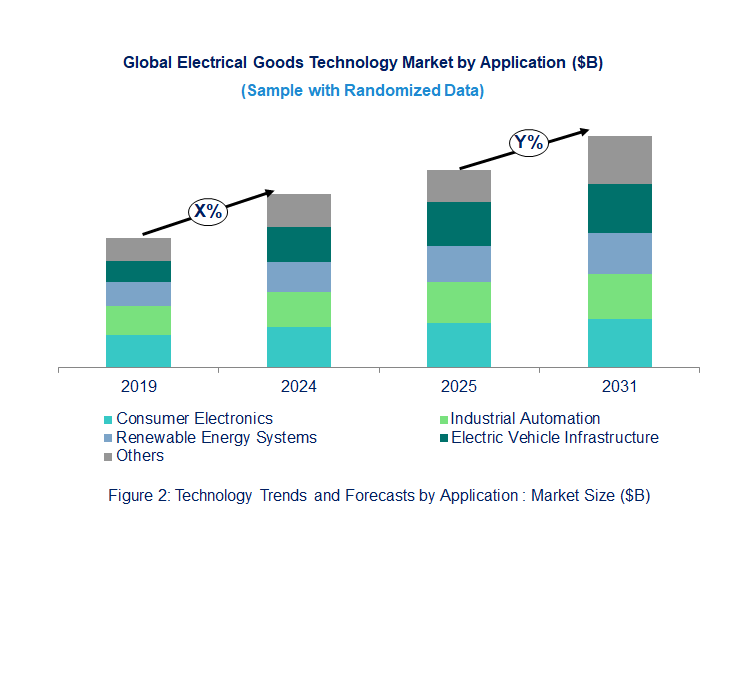
The electrical goods market is experiencing a dynamic shift with technological innovations. Below are five key trends reshaping the market:• Smart Connectivity Technology: The rise of smart connectivity in electrical goods allows for seamless integration with other smart home and industrial automation systems, enhancing functionality and user control.
• Energy-Efficient Solutions: The increasing demand for sustainable and cost-effective products has led to the development of energy-efficient solutions, reducing operational costs and environmental impact.
• Wireless Charging Technology: Wireless charging solutions are gaining traction in consumer electronics and electric vehicle infrastructure, offering convenience and eliminating the need for physical connectors.
• IoT Integration Systems: The integration of IoT technology is enabling real-time monitoring, data analytics, and predictive maintenance in industrial automation and renewable energy systems, improving operational efficiency and reducing downtime.
• Advanced Power Electronics: The growing adoption of advanced power electronics is supporting the development of electric vehicles (EVs) and renewable energy systems, improving the overall efficiency and performance of these systems. These technological advancements are transforming the electrical goods market by improving energy efficiency, connectivity, and operational performance. With greater integration of smart and energy-efficient technologies, industries are seeing substantial improvements in their electrical infrastructure.
Electrical Goods Market : Industry Potential, Technological Development, and Compliance Considerations
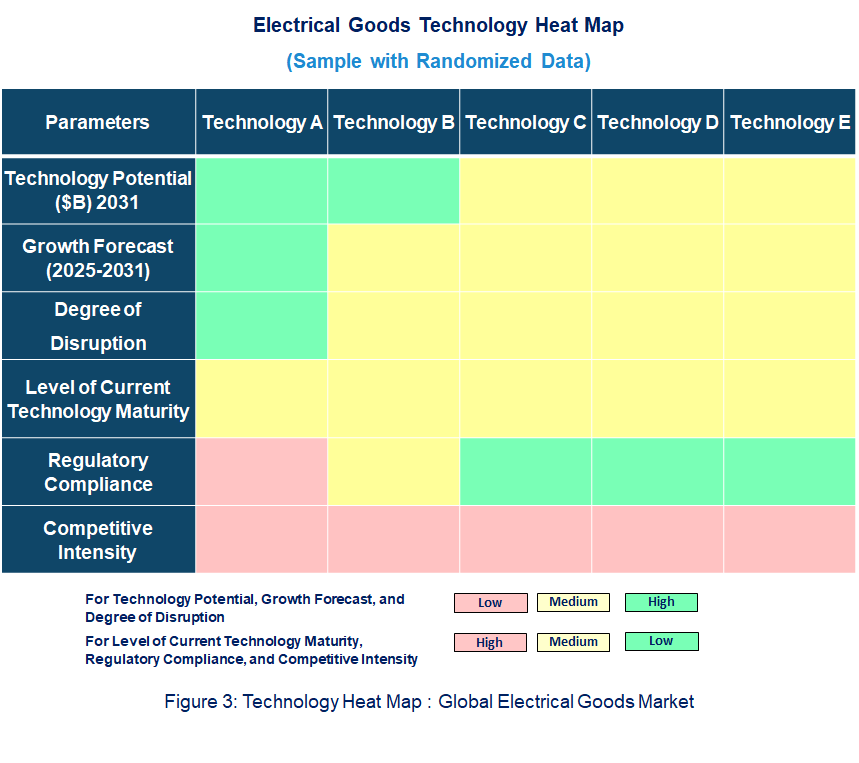
• Technology Potential: The potential is high as the market is driven by the demand for smart, energy-efficient, and IoT-integrated electrical products, particularly in sectors like consumer electronics, EV infrastructure, and renewable energy systems.
• Degree of Disruption: The disruption level is moderate to high. The shift from traditional electrical systems to smart connectivity, wireless charging, and IoT-based solutions is significantly altering product designs and operational capabilities across industries.
• Level of Current Technology Maturity: Technologies such as smart connectivity, energy-efficient solutions, and wireless charging are maturing rapidly. IoT integration is also well-developed in industrial and consumer applications, though further growth and standardization are expected.
• Regulatory Compliance: Products in the electrical goods market must comply with various regulatory standards, especially in energy efficiency, safety, and electromagnetic compatibility (EMC). As energy-efficient solutions and smart technologies gain momentum, they will need to meet stricter environmental and operational regulations.
Recent Technological development in Electrical Goods Market by Key Players
The electrical goods market has seen substantial advancements in recent years, driven by the increasing demand for energy-efficient solutions, the growth of renewable energy, and the ongoing digital transformation in various industries. Major players such as Siemens AG, Schneider Electric SE, General Electric Company (GE), ABB Ltd., and Eaton Corporation plc have led these innovations, focusing on automation, smart grids, and sustainable energy solutions. These developments are shaping the future of the electrical goods market by improving efficiency, sustainability, and the reliability of electrical systems worldwide.• Siemens AG: Siemens AG has been at the forefront of digitalization in the electrical goods market. The company introduced its Smart Grid solutions, enhancing the efficiency and reliability of electrical networks. Siemens also focuses on the development of energy-efficient industrial solutions, aiming to reduce energy consumption and greenhouse gas emissions, supporting global sustainability goals.
• Schneider Electric SE: Schneider Electric SE has emphasized the integration of IoT and smart technology into its electrical goods offerings. The launch of EcoStruxure™, an IoT-enabled platform, provides businesses with real-time energy monitoring, optimization, and predictive maintenance capabilities. This helps in improving energy efficiency and reducing operational costs in industrial and residential applications.
• General Electric Company (GE): GE has recently expanded its portfolio of renewable energy products, including wind turbines and energy storage solutions. The company is also advancing its grid modernization technologies, enabling better management of energy distribution. GE’s investments in smart meters and advanced electrical equipment aim to improve grid reliability and support the transition to renewable energy.
• ABB Ltd.: ABB Ltd. has launched a new range of smart electrical distribution products, including smart circuit breakers and load management systems. These innovations allow for greater control and automation of electrical grids. ABB’s commitment to sustainable energy solutions aligns with global efforts to reduce carbon footprints and enhance grid resiliency.
• Eaton Corporation plc: Eaton Corporation has developed cutting-edge electrical equipment aimed at reducing energy waste and improving the resilience of electrical infrastructure. Their recently launched energy management solutions help businesses optimize energy use and reduce operational costs, while their renewable energy initiatives focus on improving the integration of solar and wind power into existing grids.
Electrical Goods Market Driver and Challenges
The Electrical Goods Market is driven by the need for energy efficiency, sustainability, and advancements in smart technology. However, challenges such as supply chain disruptions, high costs of upgrading infrastructure, and the need for skilled labor to implement new technologies remain significant hurdles. Major factor responsible for driving the electrical goods market include:• Energy Efficiency and Sustainability: The global push for energy efficiency and sustainability has accelerated the demand for electrical goods that minimize energy consumption and reduce emissions. Solutions like smart grids, energy-efficient motors, and renewable energy integration technologies are critical in meeting environmental and regulatory goals.
• Digital Transformation and Smart Technology: The increasing adoption of IoT, AI, and smart technologies in the electrical goods sector is driving innovation in automation, energy monitoring, and control systems. These technologies enable more efficient energy management, predictive maintenance, and improved operational efficiencies for businesses and consumers alike.
• Renewable Energy Expansion: The shift toward renewable energy sources is a major driver for the electrical goods market. Electrical goods companies are focusing on products that facilitate the integration of solar, wind, and other renewable energy technologies into the grid. This includes smart inverters, energy storage solutions, and grid modernization efforts. Growth challenges in the electrical goods market are:
• Supply Chain Disruptions: The global supply chain disruptions, particularly in semiconductor shortages, have impacted the production and distribution of electrical goods. This challenge has led to delays in manufacturing, increased costs, and difficulty meeting the growing demand for smart electrical products and systems.
• High Infrastructure Upgrade Costs: The high capital investment required to upgrade electrical infrastructure, especially for implementing smart grid solutions, presents a significant challenge for utilities and businesses. The need for large-scale investment to modernize aging electrical networks and integrate renewable energy sources may hinder market growth in some regions. The Electrical Goods Market is evolving rapidly, with innovations in energy efficiency, digital transformation, and renewable energy integration leading the way. Companies like Siemens AG, Schneider Electric, GE, ABB, and Eaton are playing a pivotal role in shaping the future by introducing advanced solutions to optimize energy consumption and enhance grid stability. Despite challenges like supply chain disruptions and infrastructure costs, the opportunities presented by energy efficiency, digitalization, and renewable energy adoption are driving the growth of the electrical goods market globally. These advancements are not only improving operational efficiency but also supporting a more sustainable and resilient energy landscape.
List of Electrical Goods Companies
Companies in the market compete on the basis of product quality offered. Major players in this market focus on expanding their manufacturing facilities, R&D investments, infrastructural development, and leverage integration opportunities across the value chain. With these strategies electrical goods companies cater increasing demand, ensure competitive effectiveness, develop innovative products & technologies, reduce production costs, and expand their customer base. Some of the electrical goods companies profiled in this report includes.• Siemens Ag
• Schneider Electric Se
• General Electric Company (Ge)
• Abb Ltd.
• Eaton Corporation Plc
Electrical Goods Market by Technology
• Technology Readiness by Technology Type: Smart connectivity technology is highly mature and ready for integration into a broad range of electrical goods, enhancing functionality and consumer appeal through remote control and automation features. Energy-efficient solutions are also well-established, with a variety of products available in the market that meet global standards for energy consumption and sustainability. Wireless charging technology is gaining traction but still faces some challenges in terms of widespread adoption and standardization. However, it is highly ready for use in smartphones, wearables, and other small electronics. IoT integration systems are fully mature for application in smart homes, appliances, and industrial equipment, offering connectivity, real-time monitoring, and control capabilities. Other emerging technologies, such as flexible electronics and improved energy storage solutions, are in the development phase but promise significant disruption in the long term. Competitive intensity is high across all these technologies, with companies continuously striving to offer enhanced features and meet regulatory requirements for safety, energy efficiency, and data security.
• Competitive Intensity and Regulatory Compliance: The competitive intensity in the electrical goods market is high due to the rapid innovation and adoption of technologies like smart connectivity, energy-efficient solutions, wireless charging, and IoT integration. Companies must differentiate themselves through unique value propositions, cost-effective solutions, and advanced features. Smart connectivity and IoT Integration are driving intense competition due to their potential to offer significant user convenience and efficiency. Energy-efficient solutions are also highly competitive, especially as consumers demand eco-friendly products. Wireless charging technology faces competition from traditional wired charging, but its convenience keeps it at the forefront. Regulatory compliance is critical, as governments impose stringent energy-efficiency standards, safety regulations for wireless charging, and guidelines for IoT data security and interoperability.
• Disruption Potential: Smart connectivity technology in electrical goods is transforming how consumers interact with their devices, enabling remote control and automation. Energy-efficient solutions are increasingly disrupting the market by addressing growing environmental concerns and regulatory demands for lower energy consumption. Wireless charging technology is revolutionizing the way devices are powered, eliminating the need for physical connections and enhancing user convenience. IoT integration Ssystems are significantly disrupting the electrical goods market by providing real-time monitoring, predictive maintenance, and increased interactivity between devices. Other emerging technologies, such as advanced battery management systems and flexible circuits, hold potential to further drive innovation and provide novel, user-centric solutions, reshaping the market landscape.
Electrical Goods Market Trend and Forecast by Technology [Value from 2019 to 2031]:
• Smart Connectivity Technology
• Energy-Efficient Solutions
• Wireless Charging Technology
• IoT Integration Systems
• Others
Electrical Goods Market Trend and Forecast by Application [Value from 2019 to 2031]:
• Consumer Electronics
• Industrial Automation
• Renewable Energy Systems
• Electric Vehicle Infrastructure
• Others
Electrical Goods Market by Region [Value from 2019 to 2031]:
• North America
• Europe
• Asia Pacific
• The Rest of the World
• Latest Developments and Innovations in the Electrical Goods Technologies
• Companies / Ecosystems
• Strategic Opportunities by Technology Type
Features of the Global Electrical Goods Market
Market Size Estimates: Electrical goods market size estimation in terms of ($B). Trend and Forecast Analysis: Market trends (2019 to 2024) and forecast (2025 to 2031) by various segments and regions. Segmentation Analysis: Technology trends in the global electrical goods market size by various segments, such as application and technology in terms of value and volume shipments. Regional Analysis: Technology trends in the global electrical goods market breakdown by North America, Europe, Asia Pacific, and the Rest of the World. Growth Opportunities: Analysis of growth opportunities in different applications, technologies, and regions for technology trends in the global electrical goods market. Strategic Analysis: This includes M&A, new product development, and competitive landscape for technology trends in the global electrical goods market. Analysis of competitive intensity of the industry based on Porter’s Five Forces model.Table of Contents
Methodology
- In-depth interviews of the major players in this market
- Detailed secondary research from competitors’ financial statements and published data
- Extensive searches of published works, market, and database information pertaining to industry news, company press releases, and customer intentions
- A compilation of the experiences, judgments, and insights of Lucintel’s professionals, who have analyzed and tracked this market over the years.


Buy Now
Choose a license that fits your team. Instant PDF delivery.
Prices exclude taxes. Instant delivery. Custom licensing available on request.
Key Questions
- • What are some of the most promising potential, high-growth opportunities for the technology trends in the global electrical goods market by technology (smart connectivity technology, energy-efficient solutions, wireless charging technology, iot integration systems, and others), application (consumer electronics, industrial automation, renewable energy systems, electric vehicle infrastructure, and others), and region (North America, Europe, Asia Pacific, and the Rest of the World)?
- • Which technology segments will grow at a faster pace and why?
- • Which regions will grow at a faster pace and why?
- • What are the key factors affecting dynamics of different technology? What are the drivers and challenges of these technologies in the global electrical goods market?
- • What are the business risks and threats to the technology trends in the global electrical goods market?
- • What are the emerging trends in these material technologies in the global electrical goods market and the reasons behind them?
- • Which technologies have potential of disruption in this market?
- • What are the new developments in the technology trends in the global electrical goods market? Which companies are leading these developments?
- • Who are the major players in technology trends in the global electrical goods market? What strategic initiatives are being implemented by key players for business growth?
- • What are strategic growth opportunities in this electrical goods technology space?
- • What M & A activities did take place in the last five years in technology trends in the global electrical goods market?


