Electronic Pulsator in Brazil Trends and Forecast
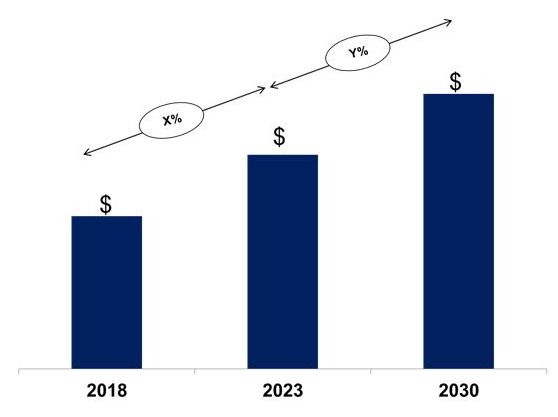
The future of the electronic pulsator market in Brazil looks promising with opportunities in the pasture and dairy factory markets. The global electronic pulsator market is expected to reach an estimated $0.3 billion by 2031 with a CAGR of 6.9% from 2025 to 2031. The electronic pulsator market in Brazil is also forecasted to witness strong growth over the forecast period. The major drivers for this market are the growing demand of the dairy industry, rising government support and subsidies, and increasing small-scale dairy farming.
• Lucintel forecasts that, within the type category, the 4-exit pulsators segment is expected to witness the highest growth over the forecast period due to its high accuracy.
Emerging Trends in the Electronic Pulsator Market in Brazil
The electronic pulsator market in Brazil is experiencing rapid growth driven by technological advancements, increasing demand for efficient agricultural equipment, and a shift towards automation in farming practices. As farmers seek more reliable and cost-effective solutions, manufacturers are innovating to meet these needs. The market is also influenced by government initiatives promoting modern farming techniques and the rising adoption of smart farming technologies. Additionally, the expanding rural economy and increasing awareness about the benefits of electronic pulsators are fueling market expansion. These developments are collectively transforming the landscape of agricultural equipment in Brazil, making it more competitive and technologically advanced.
• Technological Innovation: The market is witnessing significant technological advancements, including the integration of IoT and smart sensors into pulsators. This innovation enhances precision, efficiency, and ease of use, allowing farmers to monitor and control equipment remotely. Such features improve productivity and reduce operational costs, making electronic pulsators more attractive. As technology becomes more affordable, adoption rates are expected to rise, further driving market growth.
• Growing Demand for Automation: Farmers in Brazil are increasingly adopting automated solutions to improve productivity and reduce labor costs. Electronic pulsators are a key component in automated irrigation and fertilization systems. The trend towards automation is encouraging manufacturers to develop more sophisticated, user-friendly pulsators that can be integrated into larger farm management systems, thereby expanding their market reach.
• Government Support and Policies: The Brazilian government is actively promoting modern agricultural practices through subsidies, incentives, and training programs. These policies encourage farmers to adopt advanced equipment like electronic pulsators. Such support reduces the financial barriers for farmers, accelerates market penetration, and fosters innovation within the industry, ultimately leading to a more modernized agricultural sector.
• Increasing Focus on Sustainability: Environmental concerns and the need for sustainable farming practices are influencing market trends. Electronic pulsators that optimize water and fertilizer use are gaining popularity. Manufacturers are developing eco-friendly pulsators that minimize resource wastage and reduce environmental impact. This focus on sustainability aligns with global trends and appeals to environmentally conscious farmers.
• Market Expansion and Regional Growth: The market is expanding beyond traditional agricultural regions into new areas with emerging farming activities. Rural development programs and infrastructure improvements are facilitating this growth. As more regions adopt modern farming equipment, the overall market size increases, creating new opportunities for manufacturers and suppliers to innovate and expand their product offerings.
These emerging trends are collectively reshaping the electronic pulsator market in Brazil by fostering innovation, promoting sustainable practices, and expanding market reach. The integration of advanced technologies and supportive policies are making electronic pulsators more efficient and accessible. As a result, the market is becoming more competitive, with increased adoption across diverse agricultural sectors. This evolution is positioning Brazil as a significant player in the global agricultural equipment industry, driven by a combination of technological progress and strategic market development.
Recent Developments in the Electronic Pulsator Market in Brazil
The electronic pulsator market in Brazil is experiencing rapid growth driven by technological advancements, increasing demand in the agricultural sector, and expanding healthcare applications. Market players are investing heavily in innovation to meet rising consumer and industrial needs. Regulatory changes and government initiatives are also fostering a conducive environment for market expansion. Additionally, the integration of smart technology and IoT is transforming traditional pulsator devices, making them more efficient and user-friendly. This dynamic landscape presents significant opportunities for local and international companies to capitalize on emerging trends and expand their market share.
• Technological Innovation: The market is witnessing a surge in innovative pulsator designs incorporating IoT and smart features, enhancing device efficiency and user control. This development is enabling manufacturers to offer more sophisticated products, attracting a broader customer base and increasing market competitiveness.
• Growing Healthcare Sector: The rising prevalence of chronic diseases and the expanding healthcare infrastructure in Brazil are driving demand for electronic pulsators used in medical therapies. This trend is boosting sales and encouraging companies to develop specialized devices tailored to medical needs.
• Agricultural Sector Expansion: The increasing adoption of pulsators in livestock management and crop irrigation is significantly impacting the market. Advanced pulsator systems improve productivity and resource management, making them essential tools for modern agriculture.
• Regulatory and Policy Support: Government initiatives aimed at promoting technological adoption and healthcare improvements are creating a favorable environment for market growth. Regulatory frameworks also ensure product safety and quality, fostering consumer confidence.
• Market Consolidation and Investment: The influx of investments and mergers among key players is leading to market consolidation. This trend is facilitating the development of more innovative products and expanding distribution channels, thereby strengthening the overall market position.
These recent developments are collectively propelling the electronic pulsator market in Brazil towards substantial growth. Technological advancements and sector-specific demand are driving innovation and product diversification. Supportive policies and increased investments are further strengthening market stability and expansion prospects. As a result, the market is becoming more competitive and dynamic, offering numerous opportunities for existing and new players to thrive in this evolving landscape.
Strategic Growth Opportunities for Electronic Pulsator Market in Brazil
The electronic pulsator market in Brazil is experiencing significant growth driven by technological advancements and increasing demand across various applications. As industries seek more efficient and reliable solutions, the market presents numerous opportunities for expansion and innovation. Key applications such as medical devices, industrial processing, agriculture, automotive, and consumer electronics are pivotal in shaping the market trajectory. Companies that leverage these opportunities can gain competitive advantages and meet evolving customer needs. Understanding these growth avenues is essential for stakeholders aiming to capitalize on Brazilian expanding electronic pulsator landscape.
• Innovation in medical pulsators enhances patient care and treatment precision: Advanced pulsator technology improves the efficacy of medical devices like infusion pumps and respiratory equipment, leading to better health outcomes and increased adoption.
• Efficiency gains through specialized pulsators drive industrial productivity: In manufacturing, pulsators optimize processes such as fluid transfer and material handling, reducing downtime and operational costs.
• Pulsators support sustainable farming practices and crop management: They facilitate irrigation and soil aeration, promoting healthier crops and higher yields, aligning with Brazilian agricultural growth strategies.
• Integration of pulsators enhances vehicle systems and safety features: Automotive applications benefit from pulsators in fuel systems and climate control, improving vehicle performance and consumer satisfaction.
• Demand for innovative gadgets fuels pulsator development: Consumer devices utilize pulsators for haptic feedback and other functionalities, driving market expansion and technological progress.
These growth opportunities are significantly impacting the electronic pulsator market in Brazil by fostering innovation, increasing demand, and expanding application scopes. They enable manufacturers to diversify their offerings, improve product performance, and meet the rising needs of various industries, ultimately contributing to the market robust growth and competitiveness.
Electronic Pulsator Market in Brazil Driver and Challenges
The electronic pulsator market in Brazil is influenced by a variety of technological, economic, and regulatory factors. Advances in technology improve product efficiency and safety, while economic conditions affect consumer purchasing power and investment. Regulatory policies can either facilitate market growth through supportive standards or hinder it with restrictive measures. Understanding these drivers and challenges is essential for stakeholders aiming to capitalize on opportunities and navigate potential obstacles in this evolving market.
The factors responsible for driving the electronic pulsator market in Brazil include:
• Technological Innovation: Rapid advancements in electronic components and design have led to more efficient, durable, and user-friendly pulsators. These innovations meet increasing consumer demand for reliable and high-performance products, expanding market reach. Additionally, integration with smart technology and IoT features enhances product appeal, encouraging adoption across various sectors such as healthcare and personal wellness.
• Growing Healthcare Infrastructure: Brazilian expanding healthcare infrastructure, including hospitals and clinics, drives demand for electronic pulsators used in medical diagnostics and treatment. Government initiatives to improve healthcare access and quality further stimulate market growth, as medical facilities seek advanced equipment to enhance patient care.
• Rising Awareness and Preference for Non-invasive Treatments: Increasing awareness about non-invasive and minimally invasive treatment options boosts demand for electronic pulsators. Consumers and healthcare providers prefer these solutions for their safety, convenience, and effectiveness, leading to higher adoption rates in therapeutic and diagnostic applications.
• Economic Growth and Increased Disposable Income: Brazilian economic development results in higher disposable incomes, enabling consumers and institutions to invest in advanced medical and wellness devices. This economic upliftment supports market expansion by broadening the customer base and encouraging innovation.
The challenges in the electronic pulsator market in Brazil are:
• Regulatory and Certification Barriers: Stringent regulatory requirements and certification processes can delay product launches and increase compliance costs. Navigating these regulations requires significant investment and expertise, potentially hindering market entry for new players.
• High Competition and Price Sensitivity: The market faces intense competition from local and international brands, often leading to price wars. Consumers’ sensitivity to price can limit profit margins and challenge companies to differentiate their products through innovation and quality.
• Supply Chain Disruptions: Dependence on imported components and global supply chains exposes the market to risks such as delays, tariffs, and shortages. These disruptions can increase costs and impact product availability, affecting overall market growth.
In summary, technological advancements, healthcare infrastructure development, and rising consumer awareness are key drivers propelling the electronic pulsator market in Brazil. Conversely, regulatory hurdles, intense competition, and supply chain issues pose significant challenges. The interplay of these factors will shape the market trajectory, requiring stakeholders to adapt strategies accordingly to leverage opportunities and mitigate risks.
List of Electronic Pulsator Market in Brazil Companies
Companies in the market compete on the basis of product quality offered. Major players in this market focus on expanding their manufacturing facilities, R&D investments, infrastructural development, and leverage integration opportunities across the value chain. Through these strategies, electronic pulsator companies cater to increasing demand, ensure competitive effectiveness, develop innovative products & technologies, reduce production costs, and expand their customer base. Some of the electronic pulsator companies profiled in this report include:
• Company 1
• Company 2
• Company 3
• Company 4
• Company 5
• Company 6
• Company 7
• Company 8
• Company 9
• Company 10
Electronic Pulsator Market in Brazil by Segment
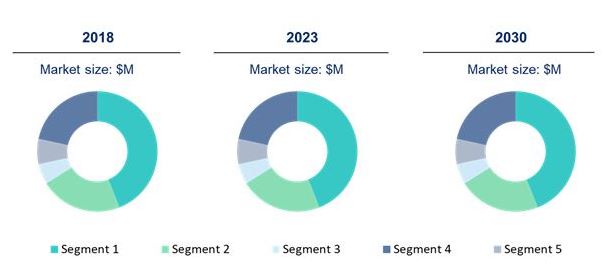
The study includes a forecast for the electronic pulsator market in Brazil by type and application.
Electronic Pulsator Market in Brazil by Type [Analysis by Value from 2019 to 2031]:
• 2-Exit Pulsators
• 4-Exit Pulsators
Electronic Pulsator Market in Brazil by Application [Analysis by Value from 2019 to 2031]:
• Pasture
• Dairy Factory
• Others
Features of the Electronic Pulsator Market in Brazil
Market Size Estimates: Electronic pulsator in Brazil market size estimation in terms of value ($B).
Trend and Forecast Analysis: Market trends and forecasts by various segments.
Segmentation Analysis: Electronic pulsator in Brazil market size by type and application in terms of value ($B).
Growth Opportunities: Analysis of growth opportunities in different types and applications for the electronic pulsator in Brazil.
Strategic Analysis: This includes M&A, new product development, and competitive landscape of the electronic pulsator in Brazil.
Analysis of competitive intensity of the industry based on Porter Five Forces model.
If you are looking to expand your business in this or adjacent markets, then contact us. We have done hundreds of strategic consulting projects in market entry, opportunity screening, due diligence, supply chain analysis, M & A, and more.
FAQ
Q.1 What are the major drivers influencing the growth of the electronic pulsator market in Brazil?
Answer: The major drivers for this market are the growing demand of the dairy industry, rising government support and subsidies, and increasing small-scale dairy farming.
Q2. What are the major segments for electronic pulsator market in Brazil?
Answer: The future of the electronic pulsator market in Brazil looks promising with opportunities in the pasture and dairy factory markets.
Q3. Which electronic pulsator market segment in Brazil will be the largest in future?
Answer: Lucintel forecasts that 4-exit pulsators segment is expected to witness the highest growth over the forecast period due to its high accuracy.
Q4. Do we receive customization in this report?
Answer: Yes, Lucintel provides 10% customization without any additional cost.
This report answers following 10 key questions:
Q.1. What are some of the most promising, high-growth opportunities for the electronic pulsator market in Brazil by type (2-exit pulsators and 4-exit pulsators) and application (pasture, dairy factory, and others)?
Q.2. Which segments will grow at a faster pace and why?
Q.3. What are the key factors affecting market dynamics? What are the key challenges and business risks in this market?
Q.4. What are the business risks and competitive threats in this market?
Q.5. What are the emerging trends in this market and the reasons behind them?
Q.6. What are some of the changing demands of customers in the market?
Q.7. What are the new developments in the market? Which companies are leading these developments?
Q.8. Who are the major players in this market? What strategic initiatives are key players pursuing for business growth?
Q.9. What are some of the competing products in this market and how big of a threat do they pose for loss of market share by material or product substitution?
Q.10. What M&A activity has occurred in the last 5 years and what has its impact been on the industry?
For any questions related to Electronic Pulsator Market in Brazil, Electronic Pulsator Market in Brazil Size, Electronic Pulsator Market in Brazil Growth, Electronic Pulsator Market in Brazil Analysis, Electronic Pulsator Market in Brazil Report, Electronic Pulsator Market in Brazil Share, Electronic Pulsator Market in Brazil Trends, Electronic Pulsator Market in Brazil Forecast, Electronic Pulsator Companies, write Lucintel analyst at email: helpdesk@lucintel.com. We will be glad to get back to you soon.