
Market Report · July 31, 2026

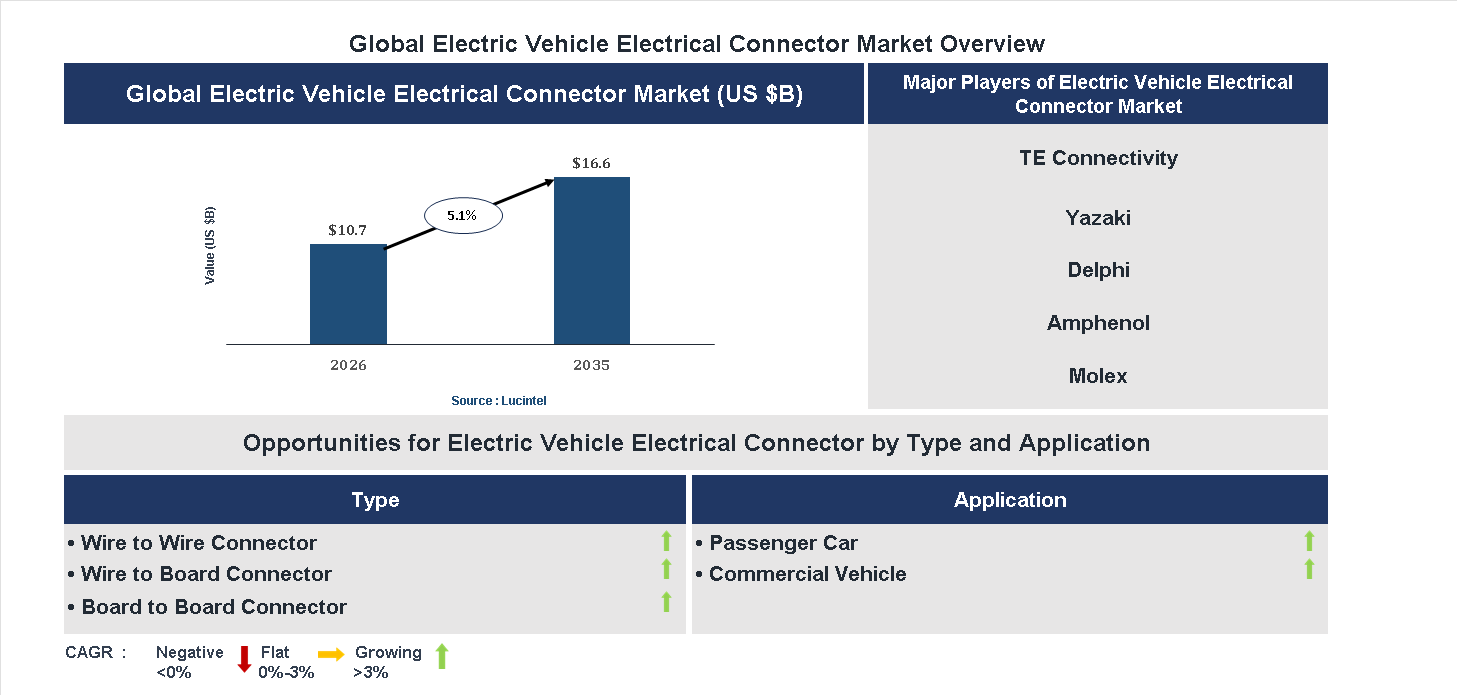
Key data points: The market size in 2035 = $16.6 billion, growth forecast = 5.1% annually for the next 8 years. Scroll below to get more insights. This market report covers trends, opportunities and forecasts in electric vehicle electrical connector market to 2035 by type (wire to wire connector, wire to board connector, and board to board connector), application (passenger car and commercial vehicle), and region (North America, Europe, Asia Pacific, and the Rest of the World)
We'll send your sample report shortly.
• Lucintel forecasts that, within the type category, wire to wire connector is expected to witness the highest growth over the forecast period.
• Within the application category, passenger car is expected to witness higher growth.
• In terms of region, APAC is expected to witness the highest growth over the forecast period. Gain valuable insights for your business decisions with our comprehensive 150+ page report. Sample figures with some insights are shown below.
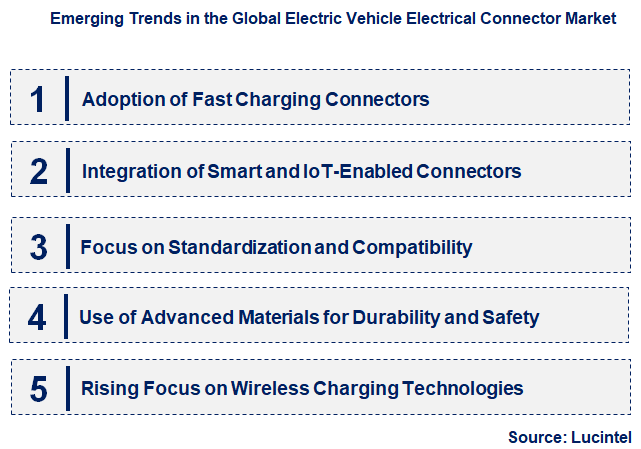
• Adoption of Fast Charging Connectors: The demand for fast charging connectors is increasing as consumers seek quicker charging solutions. These connectors enable high power transfer, reducing charging times significantly. This trend is driven by the need for convenience and the expansion of fast-charging infrastructure globally. Automakers and component manufacturers are investing in developing connectors capable of supporting ultra-fast charging, which enhances user experience and accelerates EV adoption. The impact is a more seamless charging experience, encouraging more consumers to switch to electric vehicles and supporting the growth of EV markets worldwide.
• Integration of Smart and IoT-Enabled Connectors: Smart connectors equipped with IoT technology are gaining prominence for their ability to provide real-time data, diagnostics, and remote management. These connectors improve safety, maintenance, and operational efficiency by enabling continuous monitoring of connection status and performance. The integration of IoT also facilitates predictive maintenance, reducing downtime and repair costs. This trend is transforming traditional connectors into intelligent systems that enhance user safety and operational reliability, thereby boosting consumer confidence and supporting the development of connected EV ecosystems.
• Focus on Standardization and Compatibility: As the EV market expands, there is a growing emphasis on developing standardized connectors to ensure compatibility across different vehicle models and charging stations. Standardization reduces complexity, enhances interoperability, and promotes widespread adoption of EVs. Industry stakeholders are collaborating to establish universal standards, which streamline manufacturing processes and improve user convenience. This trend is crucial for creating a cohesive charging infrastructure, reducing consumer confusion, and accelerating the transition to electric mobility by making charging more accessible and straightforward.
• Use of Advanced Materials for Durability and Safety: The development of connectors using advanced materials such as high-performance plastics, ceramics, and composites is a key trend. These materials offer enhanced thermal management, mechanical strength, and resistance to environmental factors like moisture and corrosion. Improved durability and safety features extend the lifespan of connectors and reduce maintenance costs. This innovation is vital for ensuring reliable performance in diverse conditions, especially as EVs are exposed to varying climates and usage patterns. The result is increased safety, longevity, and consumer trust in EV electrical systems.
• Rising Focus on Wireless Charging Technologies: Wireless charging is emerging as a significant trend, offering convenience and reducing wear and tear associated with physical connectors. Innovations in inductive charging technology enable seamless, contactless power transfer, which is particularly appealing for urban environments and autonomous vehicles. This trend is driven by advancements in wireless power transfer efficiency and safety standards. The adoption of wireless charging could revolutionize EV infrastructure by enabling more flexible, user-friendly charging options, reducing the need for physical connectors, and supporting the future development of autonomous and shared mobility solutions. In summary, these trends are collectively reshaping the EV electrical connector market by enhancing charging speed, safety, interoperability, durability, and convenience. They are fostering a more robust and user-centric EV ecosystem, accelerating market growth, and paving the way for widespread electric mobility adoption.
• Growing Demand for Fast Charging Connectors: The need for faster charging solutions is driving innovation in connector technology, enabling quicker energy transfer and reducing charging times. This development enhances user convenience, supports longer EV ranges, and encourages more consumers to adopt electric vehicles. As charging infrastructure expands globally, the demand for high-capacity, durable connectors increases, making this a critical growth area with substantial market impact.
• Advancements in Wireless Charging Technologies: Wireless charging offers a seamless, cable-free experience, reducing wear and tear on connectors and improving safety. Recent developments include inductive charging pads and dynamic charging systems embedded in roads. These innovations are expected to revolutionize EV charging infrastructure, making charging more accessible and convenient, especially in urban environments. The market benefits from increased consumer interest and the potential for new revenue streams for manufacturers.
• Expansion of Charging Infrastructure in Emerging Markets: As EV adoption accelerates in developing regions, the need for extensive charging networks grows. Investments in public and private charging stations are creating new opportunities for connector manufacturers to supply reliable, standardized solutions. This expansion supports local economies, reduces range anxiety, and accelerates EV adoption, significantly impacting the global market by opening new growth avenues and fostering industry competitiveness.
• Integration of Smart and IoT-Enabled Connectors: Smart connectors equipped with IoT technology enable real-time monitoring, diagnostics, and remote management. These features improve maintenance efficiency, reduce downtime, and enhance user experience. The integration of connectivity into EV charging solutions aligns with the broader trend of digital transformation in automotive and energy sectors. This development is expected to drive market growth by offering value-added services and fostering innovation in connector design.
• Focus on Sustainability and Eco-Friendly Materials: Manufacturers are adopting eco-friendly, recyclable materials for connector production to reduce environmental impact. Innovations include biodegradable plastics and sustainable manufacturing processes. This focus aligns with global sustainability goals, appeals to environmentally conscious consumers, and enhances brand reputation. The shift towards greener materials is expected to influence market dynamics, encouraging industry-wide adoption of sustainable practices and expanding market share among eco-conscious stakeholders. The overall impact of these developments is a more efficient, accessible, and sustainable EV charging ecosystem. They are driving market growth, fostering innovation, and expanding opportunities for stakeholders. As these trends continue, the market is poised for robust expansion, supporting the global transition to electric mobility and shaping the future of transportation infrastructure.
• Market Penetration in Emerging Economies: Expanding EV adoption in developing countries offers substantial growth potential for electrical connector manufacturers. Increasing government incentives, infrastructure investments, and rising consumer awareness are driving EV sales. Companies that adapt their products to meet local standards and price points can capitalize on this emerging market, establishing a strong foothold early on. This expansion not only boosts sales volume but also enhances brand recognition in new regions.
• Development of High-Performance Fast Charging Connectors: The demand for fast charging solutions is escalating as consumers seek quicker, more convenient charging options. Innovating connectors capable of supporting ultra-fast charging (350 kW and above) while maintaining safety and reliability is crucial. These high-performance connectors enable longer driving ranges and reduce charging time, making EVs more practical for consumers. Manufacturers investing in advanced materials and design will gain a competitive edge in this rapidly evolving segment.
• Integration of Smart and IoT-Enabled Connectors: Incorporating smart technology and IoT capabilities into electrical connectors enhances monitoring, diagnostics, and maintenance. These intelligent connectors can provide real-time data on connection status, temperature, and wear, improving safety and reducing downtime. As EV infrastructure becomes more connected, the demand for IoT-enabled connectors will grow, offering opportunities for innovative features that improve user experience and operational efficiency.
• Focus on Sustainability and Eco-Friendly Materials: The shift towards sustainable manufacturing practices is influencing connector design. Using recyclable, biodegradable, or low-impact materials reduces environmental footprint and aligns with global sustainability goals. Eco-friendly connectors appeal to environmentally conscious consumers and automakers committed to green initiatives. Developing such products can differentiate brands, meet regulatory requirements, and foster long-term market loyalty, supporting the overall growth of the EV connector industry.
• Expansion of Charging Infrastructure and Standardization: The proliferation of public and private charging stations necessitates standardized, versatile connectors compatible across different EV models and charging networks. Developing universal connectors and modular designs facilitates interoperability, simplifies user experience, and accelerates infrastructure deployment. Standardization efforts also reduce manufacturing costs and streamline supply chains, enabling faster market penetration and supporting the widespread adoption of electric vehicles globally. The overall impact of these growth opportunities is poised to significantly accelerate market expansion, foster technological innovation, and promote sustainable development within the electric vehicle electrical connector industry, ultimately supporting the global transition to cleaner transportation solutions.
• Technological Advancements: The continuous development of more efficient, durable, and compact electrical connectors enhances vehicle performance and safety. Innovations such as high-current connectors and waterproof designs meet the increasing power demands of electric vehicles, encouraging automakers to adopt advanced connectors. These improvements reduce maintenance costs and improve reliability, fostering greater consumer confidence and accelerating market growth.
• Government Policies and Incentives: Governments worldwide are implementing policies to promote electric vehicle adoption, including subsidies, tax benefits, and stricter emission regulations. These initiatives incentivize automakers and consumers to shift towards electric vehicles, thereby increasing demand for reliable electrical connectors. Regulatory standards also push manufacturers to develop connectors that meet safety and environmental requirements, further stimulating market expansion.
• Rising Electric Vehicle Production: The surge in electric vehicle manufacturing, driven by automaker investments and consumer demand, directly boosts the need for specialized electrical connectors. As EV production scales up globally, the demand for standardized, high-performance connectors grows, creating opportunities for suppliers and manufacturers to expand their product offerings and market share.
• Increasing Focus on Safety and Reliability: The critical role of electrical connectors in ensuring vehicle safety and operational efficiency drives innovation in connector design. Manufacturers are prioritizing connectors that can withstand extreme conditions, prevent electrical failures, and ensure secure connections. This focus enhances vehicle safety standards and builds consumer trust, thereby supporting market growth.
• Expansion of Charging Infrastructure: The development of widespread charging networks necessitates compatible electrical connectors. As charging stations proliferate, the demand for standardized connectors compatible with various charging standards increases. This expansion not only supports the adoption of electric vehicles but also stimulates the development of connectors that facilitate fast charging and interoperability across different platforms. The challenges facing the electric vehicle electrical connector market include:-
• High Manufacturing Costs: Producing advanced electrical connectors involves sophisticated materials and precision engineering, leading to high costs. These expenses can hinder market growth by increasing vehicle prices and reducing profit margins for manufacturers. Additionally, the need for ongoing research and development to improve connector performance further escalates costs, posing a barrier for smaller players and slowing industry expansion.
• Stringent Safety and Regulatory Standards: The electric vehicle industry is subject to rigorous safety and environmental regulations that vary across regions. Compliance with these standards requires significant investment in testing, certification, and quality assurance processes. Navigating complex regulatory landscapes can delay product launches and increase costs, challenging manufacturers to innovate while maintaining compliance.
• Supply Chain Disruptions: The global supply chain for electronic components, including connectors, is vulnerable to disruptions caused by geopolitical tensions, pandemics, and raw material shortages. These interruptions can lead to delays in production, increased costs, and reduced market availability. Ensuring a stable supply chain is critical for meeting growing demand and maintaining a competitive advantage in the market. In summary, the electric vehicle electrical connector market is shaped by technological innovations, supportive policies, and expanding production, which collectively drive growth. However, high costs, regulatory hurdles, and supply chain issues pose significant challenges. Balancing these factors will determine the markets trajectory, with opportunities for innovation and expansion tempered by the need for strategic management of risks. Stakeholders must focus on developing cost-effective, compliant, and reliable connectors to capitalize on the sectors potential while mitigating obstacles.
• TE Connectivity
• Yazaki
• Delphi
• Amphenol
• Molex
• Sumitomo
• JAE
• KET
• JST
• Rosenberger
• Wire to Wire Connector
• Wire to Board Connector
• Board to Board Connector
• Passenger Car
• Commercial Vehicle
• North America
• Europe
• Asia Pacific
• The Rest of the World
• United States: The U.S. market is witnessing significant advancements with increased investments in charging infrastructure and standardization efforts. Major automakers are collaborating with connector manufacturers to develop universal solutions, improving compatibility across different EV brands. Government incentives and policies are encouraging the adoption of fast chargers, boosting market growth. Innovation in wireless charging and smart connector technologies is also gaining momentum, aiming to enhance convenience and efficiency for consumers. The U.S. remains a leader in technological development and deployment of advanced electrical connectors for EVs.
• China: China continues to dominate the EV connector market with aggressive government policies supporting EV adoption and infrastructure expansion. The country is focusing on developing domestically produced, cost-effective, and high-performance connectors to meet the growing demand. Local manufacturers are investing heavily in R&D to improve connector durability and charging speed. Standardization efforts are underway to unify connector types across different regions and manufacturers, facilitating interoperability. China’s large-scale EV production and extensive charging network are driving innovations in connector design and functionality, making it a key global player.
• Germany: Germany’s EV connector market is characterized by a focus on high-quality, reliable, and standardized solutions aligned with European regulations. Leading automotive companies are investing in advanced connector technologies to ensure safety and efficiency. The country is also emphasizing the development of fast-charging stations equipped with innovative connectors to reduce charging times. Germany’s strong automotive industry and commitment to sustainability are fostering collaborations between technology providers and automakers. The push for electrification in Europe is accelerating the adoption of cutting-edge connector systems, positioning Germany as a technological hub for EV charging solutions.
• India: India’s EV connector market is in its nascent stages but is rapidly evolving with government initiatives promoting electric mobility. The focus is on developing affordable, durable, and easy-to-use connectors suitable for urban and rural environments. Local manufacturers are working on cost-effective solutions to cater to the price-sensitive Indian market. Infrastructure development, including charging stations, is expanding, encouraging innovations in connector design to withstand diverse environmental conditions. Policy support and incentives are driving market growth, with a particular emphasis on developing indigenous technologies to reduce reliance on imports and foster domestic manufacturing capabilities.
• Japan: Japan is advancing its EV connector market through innovations in safety, efficiency, and compatibility. Leading automakers and technology firms are investing in next-generation connectors that support fast charging and high power transfer. The country emphasizes standardization and interoperability to ensure seamless charging experiences. Japan’s focus on research and development is leading to the creation of highly durable connectors capable of withstanding harsh environmental conditions. The government’s support for EV adoption and infrastructure expansion is further propelling market growth. Japan’s technological expertise positions it as a key innovator in the development of advanced electrical connectors for EVs.


• TE Connectivity
• Yazaki
• Delphi
• Amphenol
• Molex
• Sumitomo
• JAE
• KET
• JST
• Rosenberger Q6. Which electric vehicle electrical connector market segment will be the largest in future? Answer: Lucintel forecasts that, within the type category, wire to wire connector is expected to witness the highest growth over the forecast period. Q7. In electric vehicle electrical connector market, which region is expected to be the largest in next 5 years? Answer: In terms of region, APAC is expected to witness the highest growth over the forecast period. Q8. Do we receive customization in this report? Answer: Yes, Lucintel provides 10% customization without any additional cost.


Choose a license that fits your team. Instant PDF delivery.
Prices exclude taxes. Instant delivery. Custom licensing available on request.
Market Report · July 31, 2026
Market Report · July 22, 2026
Market Report · July 17, 2026
Trusted partner for strategic intelligence and business growth


Receive a complimentary market analysis tailored to your industry. Our analysts will identify key growth opportunities and competitive dynamics specific to your business.

Market size, growth rate, and key trend analysis for your specific sector.

Top competitor positioning and market share analysis.

Strategic recommendations backed by data-driven insights.
Get curated market intelligence and competitive moves straight to your inbox.
By subscribing, you agree to receive our monthly insights. Unsubscribe anytime.
Receive a complimentary market analysis tailored to your industry. Our analysts will identify key growth opportunities and competitive dynamics specific to your business.
Market size, growth rate, and key trend analysis for your specific sector.
Top competitor positioning and market share analysis.
Strategic recommendations backed by data-driven insights.
Get curated market intelligence, emerging trends, and competitive moves straight to your inbox each month.
By subscribing, you agree to receive our monthly insights. Unsubscribe anytime.
We'll send your sample report shortly.