
Market Report · July 29, 2026

Key data points: The market size in 2030 = $20.0 billion, growth forecast = 7.8% annually next 6 years. Scroll below to get more insights. This market report covers trends, opportunities, and forecast in the global dimer and color tunable market to 2030 by product (dimmer and color tunable), type (light-emitting diode (LED), high intensity discharge (HID), incandescent and halogen, and fluorescent), application (commercial, residential, and industrial), and region (North America, Europe, Asia Pacific, and the Rest of the World)
We'll send your sample report shortly.
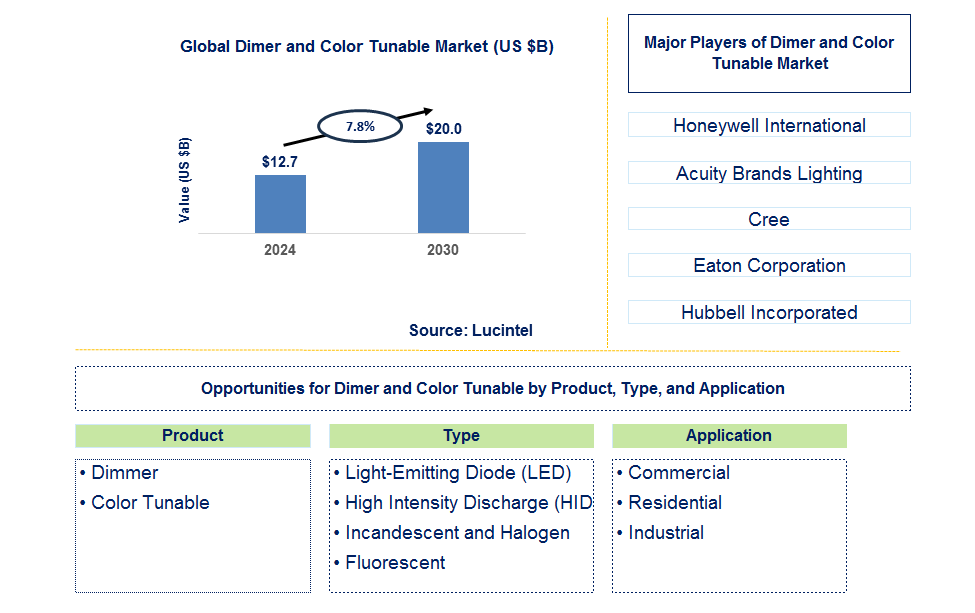
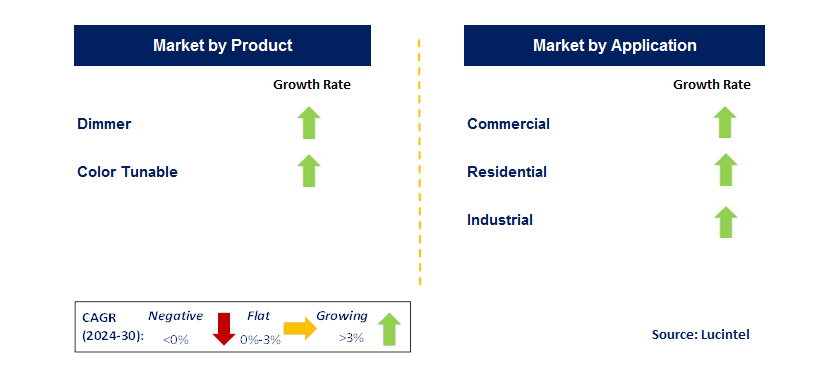
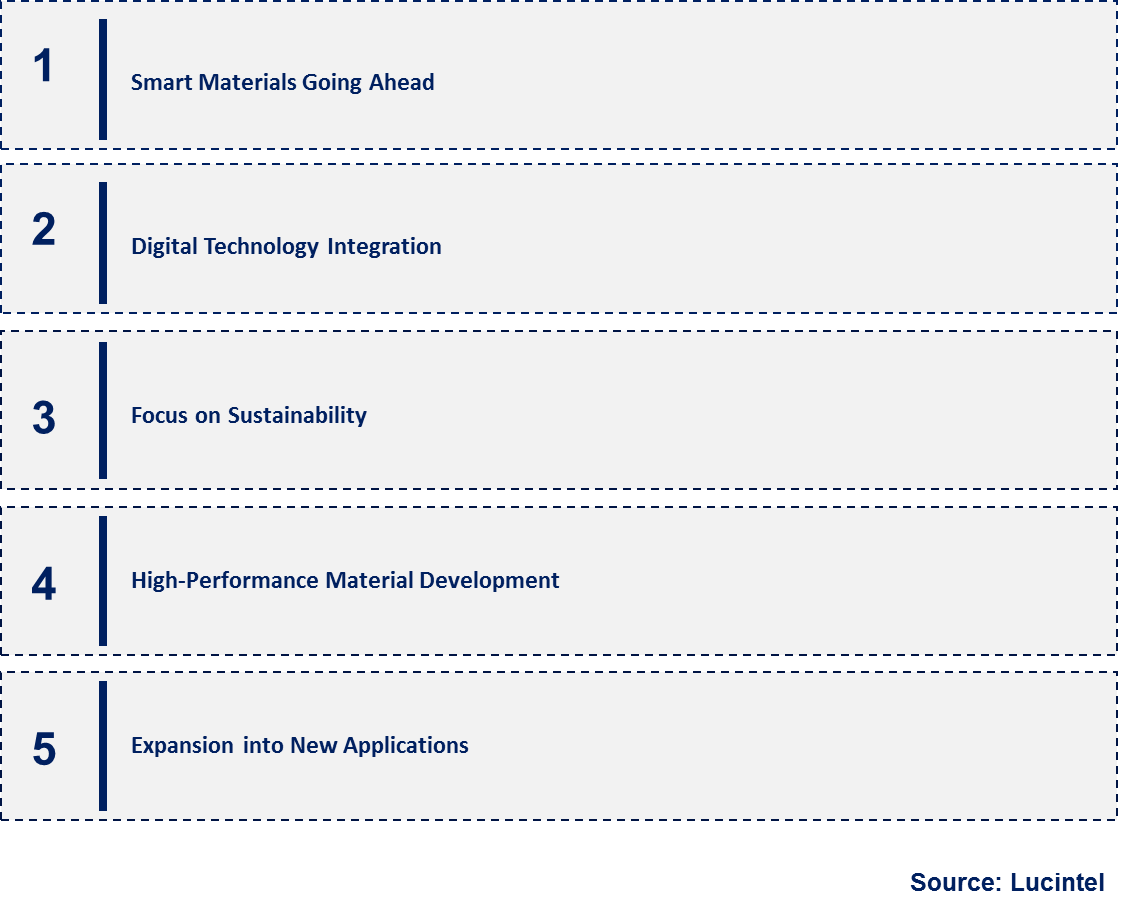
• Smart Materials Going Ahead: The latest thing is the development of smart materials that could be programmed to tune their colors with much sophistication. These substances alter color in relation to heat and light among others. In this respect, polymers as well as nano technology have been advancing leading to new applications in consumer products, automotive and architectural designs. This makes products more functional and attractive when they can change or respond.
• Digital Technology Integration: One key trend that is prevalent in the market for color tunable materials is integration with digital technologies including sensors and control systems. The greater control of color changes through digital systems has increased the functionality of color-tunable materials. As a result, this integration enhances the user experience and application versatility thereby expanding these technologies into smart textiles, interactive displays, and adaptive lighting systems.
• Focus on Sustainability: The dimer market and color tunable market are becoming more concerned about sustainability. Consequently, eco-friendly materials as well as production techniques that minimize environmental impact are being developed. New recyclable or biodegradable materials for color tuning are addressing growing ecological concerns, which are consistent with global sustainability targets making it popular with environmentally minded customers.
• High-Performance Material Development: A significant trend within the industry is the development of high-performance color-tunable materials which exhibit better durability and reliability characteristics. Material science advancements have resulted in the emergence of such products which can withstand challenging conditions while still maintaining their performance levels over time periods. Such trends are critical especially in automobile engineering, aerospace industries or outdoor field where performance life matters.
• Expansion into New Applications: Market growth can be attributed towards expanding technological application areas into various fields driven by developments on color tunable technology – cutting-edge display techs; wearable devices; architectural coatings etc., offering customization options at users’ disposal hence creating room for innovation through diversification strategies. These trends – advancement in smart materials, digital integration, sustainability, high-performance materials and application expansion – are revolutionizing the dimer and color tunable market. The innovations have been directed towards several areas of application; thus enhancing the technology’s relevance to the needs and issues of today’s world while promoting development in the industry.
• Innovations in Material Science: It is possible to create new improved properties with modern advanced chromogenic materials via innovative solutions. Improved polymers and nanomaterials formulations result into more vibrant and stable changes in colors. These help to make products more functional and attractive especially in consumer electronics, automotive industry among others.
• Enhanced Manufacturing Techniques: Recent improvements in manufacturing process have made production of color-tunable materials efficient by reducing costs associated with such processes. Precision coating techniques such as additive manufacturing offer better control over material properties as well as lower production costs. These can make it easier therefore for people or companies to access products that can change their appearance depending on certain requirements at a given time.
• Advanced Color-Tuning Technologies: The market is being changed by this introduction of advanced technologies for color rendering including responsive dyes/inks which will drive innovations through various brands worldwide. They provide higher optical transitions between colors enabling dynamic behavior under external conditions which contribute to making these substances highly versatile minimizing their limitations only those set automatically.
• Consumer Market Growth: The adoption of color-tunable materials in consumer applications has been notable. Market growth is driven by products such as interactive displays, smart textiles, and customizable accessories. Meeting the demand for creative and interesting products with an ability of personalization and adjustments.
• Focus on High-Performance and Durability: Focusing on development of durable high-performance color-tunable materials is a major breakthrough. Material formulation innovations have made color-tunable products more resistant to multiple environmental conditions. This thrust towards durability also increases the application range of these materials to sectors that include aerospace and automotive. The dye industry and the color tuning market are being impacted significantly by material science innovations, improvements in manufacturing procedures, technological advancements concerning coloring technology, consumer market developments as well as focus on high-performance materials. They promote technological advancement, diversifying areas they can be used for as well as improving accessibility and performance of color tunable products.
• Consumer Electronics: The consumer electronics industry has enormous prospects with color-tunable materials being integrated into their systems. This includes advances such as color-shifting screens and customizable LED lighting that enhance user experiences through personalization. They let go of conventional static interfaces making electronic gadgets more adaptable creating an exciting user experience. In line with customization trends in electronics, there is a demand for advanced color-tunable solutions
• Fashion and Textiles: In fashion and textiles, color-tunable materials offer unparalleled customization potential and avenues for innovation. Such materials can be used to develop fabrics that change colors or patterns in response to environmental conditions. Designers can now make garments that have dynamic visual effects which increase their appeal as well as functionality. Personalized fashion and smart textiles are becoming increasingly popular among consumers who wish to explore the use of these materials.
• Automotive Industry: Automotive industry finds opportunities for adaptive lighting or tailor-made vehicle interiors using color tunable materials. Color changing coatings and trims allow for aesthetics enhancement as well as personalization options. This means that vehicle design becomes more flexible while at the same time ensuring customer satisfaction. Use of automotive design with dynamic features enhances growth of color-tunable technologies.
• Architectural Coatings: The development of innovative building designs through the application of architectural coatings based on tunable light-emitting materials represents another opportunity area where they are being applied. Facades may change colors dynamically depending on various lighting conditions or user preferences encountered indoors or outdoors thus improving energy efficiency within buildings themselves rather than just looking good from outside. The application of color-tunable coatings in architectural design is one of the most attractive opportunities.
• Stratospheric UAV Payloads: In stratospheric UAV payloads, color-tunable materials provide for advanced payload systems. These materials can be adapted for use in camouflage systems or adaptive sensor covers that respond to changing environmental or operational conditions. The incorporation of dynamic color changes in UAV technology enhances mission capabilities and expands its opportunity for use. Thus, this application contributes towards development of more sophisticated and versatile stratospheric UAV systems. Therefore, the strategic growth areas within consumer electronics, fashion & textiles, automotive industry, architectural coatings as well as stratospheric UAV payloads reflect the growing significance of dimer and color tunable technologies. All these are driving change and adoption across a wide array of sectors impinging on product functionality as well as aesthetics along with customization attributes. Industry has now been transformed by integrating these technologies resulting into new avenues for growth and development.
• Technological Advancements: One driver behind the development in the dimer & color tunable market is technological advancements regarding materials and manufacturing processes. These include advanced polymers, reactive dyes among others which are taking functionality and performance levels higher for various types of colored light devices that sense changes in light intensity. This trend supports new applications that grow the market.
• Increasing Demand for Customization: The increasing demand for customizing interactive goods has helped accelerate this industry’s growth rate. Color changing dynamics with personal features have become a preference amongst consumers as well as industries involved in making them happen. As a result, there has been innovation around color tuning materials whose uses keep expanding to areas like fashion electronics or automobiles ultimately driving the growth of this niche.
• Focus on Sustainability: Sustainability is becoming an increasingly important consideration in the color tunable market. This has been necessitated by efforts to develop green materials and reduce environmental impact. Development of recyclable and biodegradable materials aligning with global sustainability objectives and appealing to eco-conscious buyers has boosted the growth prospects for sustainable colored lighting.
• Advancements in Manufacturing Technologies: Improved manufacturing technologies are spurring market development through efficient, cost-effective production of color-tunable materials. This is made possible through refined techniques such as precision coating or additive patterning that guarantee specific material properties resulting into reduced cost of production thus accessibility of these devices increases.
• Regulatory and Compliance Issues: Regulatory and compliance issues pose a challenge in the color tunable market. Ensuring that materials meet safety and environmental regulations can be complex and costly. There are many standards and certifications that companies have to adhere to, impacting time-to-market as well as costs involved when introducing new products. Challenges in the dimer and color tunable market are:
• High Production Costs: The advanced color tuning materials continue to face high production costs which hinder their adoption level. Notwithstanding various advancements by technology, raw material prices coupled with fabrication processes may still make it less attractive economically for general use. These high expenses may affect the competitiveness of such light sources on the market thereby limiting their wider acceptance among customers.
• Complexity of Technology Integration: The complexity associated with integrating color-tuning technologies into existing products and systems poses a challenge. To achieve seamless integration while maintaining performance levels at optimum values implies having sophisticated engineering skills as well as design capabilities. This makes widespread adoption of these technologies difficult due to its intricacy. To sum up, the dimer and color tuning market is driven by factors such as advancements in technology, customization needs, sustainability concerns and innovative manufacturing techniques. On the other hand, market growth is challenged by difficulties like regulation matters, high production expenses and technological integration. Thus, there is a need to balance between these drivers and challenges in order to facilitate easy upgradation of technology as well as diversifying its application areas.
• Honeywell International
• Acuity Brands Lighting
• Cree
• Eaton Corporation
• Hubbell Incorporated
• Koninklijke Philips
• Legrand
• OSRAM
• Lutron Electronics
• Lite Puter Enterprise
• Dimmer
• Color Tunable
• Light-Emitting Diode (LED)
• High Intensity Discharge (HID)
• Incandescent and Halogen
• Fluorescent
• Commercial
• Residential
• Industrial
• North America
• Europe
• Asia Pacific
• The Rest of the World
• United States: In the U.S., recent developments in the dimer and color tunable market include advances in smart materials and coatings. Researchers are focusing on creating color-tunable materials using advanced polymers and nanomaterials that can change colors dynamically when subjected to environmental cues. These types of innovations make it possible for such technologies to be used in various fields like automotive, fashion, consumer electronics, among others by improving their efficiency and scalability through manufacturing processes.
• China: China has taken a lead role in developing affordable dimeric compounds that have versatile application possibilities emphasizing economies of scale. The country is investing heavily into research aimed at improving the properties of coatings or films susceptible to changing colors which are mainly used in display technologies and architectural applications. Additionally, Chinese manufacturers seek ways of integrating these substances into everyday items thus driving widespread adoption as well as spurring innovation within consumer electronics plus smart textiles.
• Germany: German firms have been making strides towards penetration into this space with their novel high-performance materials/ applications. Among them are new kinds of phenolic resins (color tuning polymers) and other advanced dimers useful across hi-tech segments including but not limited to aerospace or automotive engineering enterprises. It means that building material science knowledge base around specific functionalities that improve on performance characteristics such as accuracy control relating to colors formed/preserved throughout lifetime resilience will accelerate usability when they serve industrial purposes.
• India: India has recently focused on affordable local production related issues within dimer industry where development efforts have been directed. Thence, dimeric compounds and color tunable materials that are cheap have been developed by Indian researchers and companies targeting local industries and applications. Consumer goods and electronics sectors are being penetrated with these materials which would support innovation drive while promoting growth of the domestic market.
• Japan: Japan has focused much on precision instruments and high quality materials for its advancements in the dimer market. Several Japanese companies are developing advanced color-tunable technologies for use in luxury consumer electronic devices as well as sophisticated display systems. This means that there is need to achieve highest ever color accuracy with fastest possible responses leading to emergence of more advanced applications within this sector through breakthroughs in material science and also fabrication techniques. Advances in the field of materials as well as applications have been driven by recent innovations in the dimer and color tunable markets across United States, China, Germany, India, and Japan. The smart materials developments, low cost production trends as well as high performance technologies expand its application areas thereby making it versatile across different industries.


• Honeywell International
• Acuity Brands Lighting
• Cree
• Eaton Corporation
• Hubbell Incorporated
• Koninklijke Philips
• Legrand
• OSRAM
• Lutron Electronics
• Lite Puter Enterprise Q6. Which dimer and color tunable market segment will be the largest in future? Answer: Lucintel forecasts that light-emitting diode (led) will remain the largest segment over the forecast period due to their extended longevity, color-adjustment capabilities, and adaptability. Q7. In dimer and color tunable market, which region is expected to be the largest in next 5 years? Answer: APAC will remain the largest region over the forecast period due to surge in LED lighting usage across residential and commercial structures, increasing need for energy-efficient illumination options, and rising trend of smart home systems within the locality. Q.8 Do we receive customization in this report? Answer: Yes, Lucintel provides 10% customization without any additional cost.


Choose a license that fits your team. Instant PDF delivery.
Prices exclude taxes. Instant delivery. Custom licensing available on request.
Market Report · July 29, 2026
Market Report · July 20, 2026
Market Report · July 20, 2026
Trusted partner for strategic intelligence and business growth


Receive a complimentary market analysis tailored to your industry. Our analysts will identify key growth opportunities and competitive dynamics specific to your business.

Market size, growth rate, and key trend analysis for your specific sector.

Top competitor positioning and market share analysis.

Strategic recommendations backed by data-driven insights.
Get curated market intelligence and competitive moves straight to your inbox.
By subscribing, you agree to receive our monthly insights. Unsubscribe anytime.
Receive a complimentary market analysis tailored to your industry. Our analysts will identify key growth opportunities and competitive dynamics specific to your business.
Market size, growth rate, and key trend analysis for your specific sector.
Top competitor positioning and market share analysis.
Strategic recommendations backed by data-driven insights.
Get curated market intelligence, emerging trends, and competitive moves straight to your inbox each month.
By subscribing, you agree to receive our monthly insights. Unsubscribe anytime.
We'll send your sample report shortly.