
Market Report · July 22, 2026

We'll send your sample report shortly.
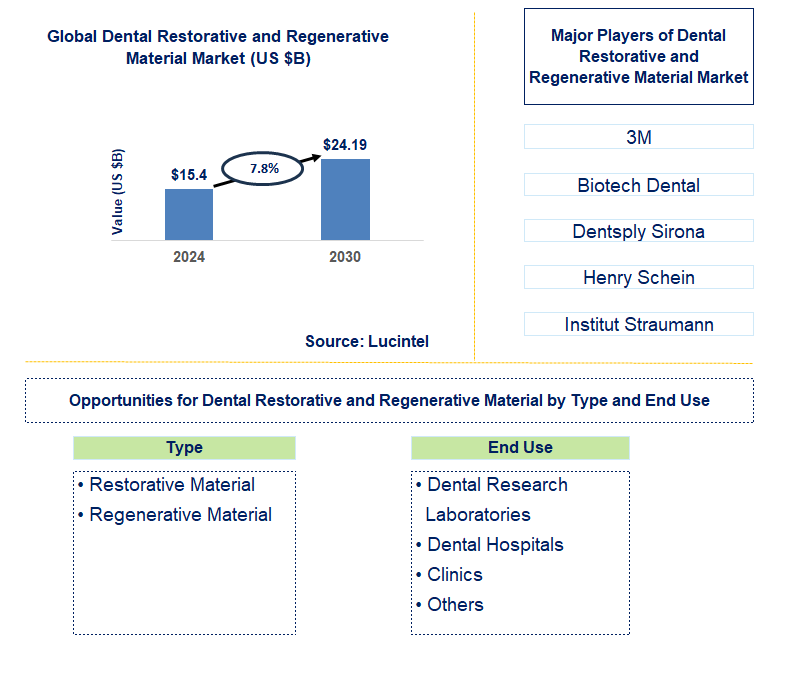
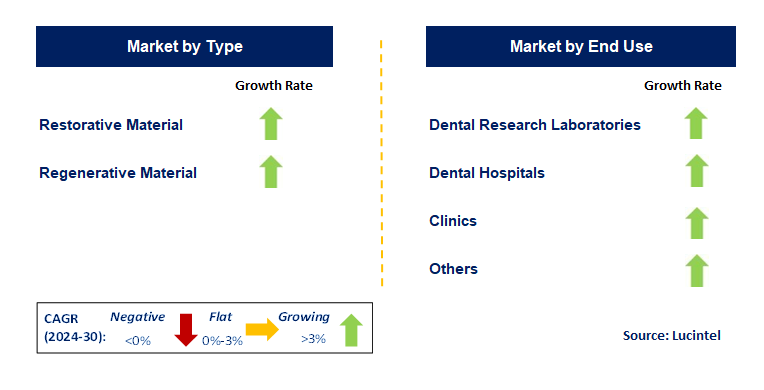
• Lucintel forecasts that, within the type category, restorative material will remain a larger segment over the forecast period due to the rise in dental restoration-related R&D activities and growing demand for dental amalgam to treat dental problems.
• Within the ens use category, dental hospitals is expected to remain the largest segment due to the growing number of patients experiencing dental illnesses like dental caries and tooth decay, increasing demand for effective treatment, and surge in the number of hospitals.
• In terms of region, North America will remain the largest region during the forecast period due to rise in dental caries prevalence, existence of important players, and growth of the healthcare industry in the region. A more than 150-page report is developed to help in your business decisions.
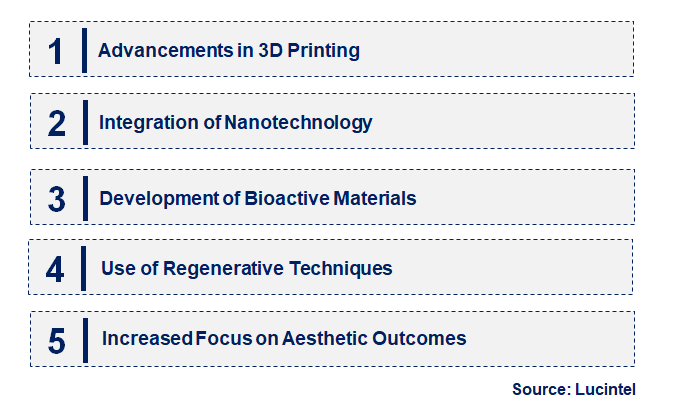
• Advancements in 3D Printing: A major impact of 3D printed dental restorations is the ability to manufacture precise and unique crowns, bridges, and implants for individual patients. 3D printing also provides dental prosthetics that fit more accurately, work more effectively, and may look better than traditional methods due to its quick fabrication and flexibility.
• Integration of Nanotechnology: Nanotechnology enhances the properties of dental materials in terms of strength, durability, and antimicrobial effects. The use of nanocomposite and nanoceramic materials is improving restorative materials, increasing their resistance to wear, and reducing the incidence of bacterial colonization.
• Development of Bioactive Materials: Since the early clinical application of tissue engineering techniques, bioactive materials such as bioactive glass and calcium phosphates have become popular in dental regeneration. These new materials help form new dentin tissue in tooth repair and regeneration, enhancing healing, making bio ceramics highly useful for restoring damaged teeth.
• Use of Regenerative Techniques: Stem cell-based strategies and tissue remodeling techniques are developing within the field of dental regeneration. These strategies aim to regenerate lost or damaged teeth, providing pathways for extensive dental repair and reconstruction.
• Increased Focus on Aesthetic Outcomes: There is a growing trend towards aesthetically appealing materials, including tooth-colored composites and ceramics. The development of aesthetic restorative materials aims to create restorations that blend harmoniously with natural dentition. These trends reflect progress in the Dental Restorative and Regenerative Material market. The application of new technologies and materials science is improving the quality and variety of dental care offered to patients, which, in turn, enhances patient satisfaction.
• Improved Ceramic Materials: Recent achievements in ceramics have made it possible to create ultra-high strength, aesthetic, and functional materials. The inclusion of preventive measures, as well as new technologies for the production and fabrication of dental ceramics, has improved their mechanical performance and color aesthetics, particularly in anterior and posterior restorations.
• Advanced Composite Resins: New directions in restorative materials focus on increasing the mechanical strength, resistance to wear, and aesthetic aspects of composite resins. New formulations with translucent color and color stability are being developed to meet the demand for durable and visually pleasing restorations.
• Bioactive Glasses: Bioactive glasses in dental restoratives represent a significant advancement. These materials interact with biological tissues to enhance penetration and assist in the healing process, making them suitable for cavity linings and filling materials that promote the natural healing response during cavity restoration procedures.
• Regenerative Biomaterials: With the introduction of scaffolds and growth factors to enhance the regeneration of tissues lost in the dental cavity, there have been significant developments in regenerative dentistry. These materials also aid in the repair and growth of tissues, allowing for the regeneration of tissues within dental structures, thereby improving recovery prospects for individuals who have lost or damaged teeth.
• Smart Dental Materials: The development of smart dental materials that can react to external changes, such as temperature or pH, is advancing restorative dentistry practices. The oral environment changes over time, and such materials can withstand these changes, offering better performance and longer-lasting dental restorations. Innovations in the dental restorative and regenerative material market are strengthening the progressive enhancement of functions and areas of application for dental materials. These advancements are fueling the prospects of improving treatment effectiveness, patient satisfaction, and the overall quality of dental care.
• Cosmetic Dentistry: There is a growing trend where patients seek dental restoration treatments that are more skin-friendly in nature. This has been fueled by an increase in demand for cosmetic dental surgery, as the public has become more aware of the importance of having an attractive smile due to modern media exposure.
• Implant Dentistry: The accessibility of advanced materials brings new opportunities in the field of implant dentistry. High-strength ceramics, bioactive coatings, and newer designs are just some of the advanced materials for dental implants that are becoming popular. These materials enhance the success rate of implant placement and improve the overall dental implant treatment for patients, making implants a more viable solution for tooth loss.
• Pediatric Dentistry: The growth of pediatric dentistry has created a need for safe, durable, and attractive materials for children. Materials used in children’s treatments, especially restorative types, are becoming more biocompatible and minimally invasive, which benefits young patients.
• Geriatric Dentistry: The increasing elderly population has expanded the market for filling materials and dentures. Newer, better materials for geriatric dentistry are becoming essential, as they facilitate better management of geriatric oral health, enhancing longevity and ease of use.
• Regenerative Dentistry: The growing availability of new-generation grafting materials and biomarkers will open new business opportunities in regenerative dentistry. These innovations help in the effective treatment of tooth destruction by creating methods to repair and even grow new teeth for patients with serious dental problems. In analyzing the market for veterinary surgical consumables' restorative and regenerative materials, there are significant strategic growth opportunities linked to technological changes and the evolving patient population. However, it is suggested that the current state of the market should be taken into account to achieve these opportunities.
• Technological Advancements: Continuous innovations in material science, such as advanced ceramics, composites, and bioactive materials, are positively impacting market growth. These technologies enhance the longevity, aesthetics, and efficiency of dental restoration materials, improving treatment outcomes and patient satisfaction.
• Rising Demand for Aesthetic Dentistry: Increasing consumer preference for aesthetic dental solutions is driving the market for high-quality repair materials. The rapid development of attractive materials, such as tooth filling composites and ultra-thin veneers, is fueling the demand for more appealing aesthetic dental interventions.
• Growing Focus on Minimally Invasive Procedures: The emergence of minimally invasive dentistry is creating a market for high-end cleaning and filling materials. Restorative materials that enable a more conservative approach to treating teeth, such as adhesive systems and bio-composite resins, advocate for the preservation of tooth structure.
• Enhancing the Affordability of Dental Services: Increasing disposable income and better healthcare provisions have played a significant role in market growth. With more patients willing to undergo dental treatments, the demand for sophisticated restorative and regenerative materials has risen, contributing to the market's expansion.
• Investment in Research and Development: Efforts to introduce advanced products into the market are driving growth as dental material manufacturers continue to invest in R&D. Advances in research and development lead to new materials, new technologies, and further innovations in restorative and regenerative dental solutions. Challenges in the dental restorative and regenerative material market include:
• High Cost of Advanced Materials: Barriers to widespread adoption include the high cost of advanced dental materials, such as high-strength ceramics and regenerative biomaterials. Additional costs may be a concern for some patients and could hinder overall market progress.
• Regulatory Hurdles: Dental material development requires approval at several stages, meeting stringent requirements that can be laborious. While regulatory compliance is necessary for bringing new products to market, it can also slow down the commercialization process.
• Market Competition: Manufacturers face significant competition in the dental materials industry. With numerous competitors and rapid technological advancements, companies must be creative and innovative to remain competitive. The dental restorative and regenerative material market is shaped by trends such as technological improvements, increased aesthetic appeal, and greater access to dental care services. However, structural challenges such as the high cost of materials, the regulatory landscape, and competition must be addressed to effectively explore the market and capitalize on growth opportunities. Like any other market, the dental restorative and regenerative material market is shaped by influences and constraints that interrelate with its expansion and evolution. It is important to note that the advancement of technology, the state of the economy, and various legal aspects are the key factors affecting the market and the willingness of practitioners to incorporate new dental materials. The factors responsible for driving the dental restorative and regenerative material market include:
• Technological Advancements: Continuous innovations in material science, such as advanced ceramics, composites, and bioactive materials, are positively impacting market growth. These technologies enhance the longevity, aesthetics, and efficiency of dental restoration materials, improving treatment outcomes and patient satisfaction.
• Rising Demand for Aesthetic Dentistry: Increasing consumer preference for aesthetic dental solutions is driving the market for high-quality repair materials. The rapid development of attractive materials, such as tooth filling composites and ultra-thin veneers, is fueling the demand for more appealing aesthetic dental interventions.
• Growing Focus on Minimally Invasive Procedures: The emergence of minimally invasive dentistry is creating a market for high-end cleaning and filling materials. Restorative materials that enable a more conservative approach to treating teeth, such as adhesive systems and bio-composite resins, advocate for the preservation of tooth structure.
• Enhancing the Affordability of Dental Services: Increasing disposable income and better healthcare provisions have played a significant role in market growth. With more patients willing to undergo dental treatments, the demand for sophisticated restorative and regenerative materials has risen, contributing to the market's expansion.
• Investment in Research and Development: Efforts to introduce advanced products into the market are driving growth as dental material manufacturers continue to invest in R&D. Advances in research and development lead to new materials, new technologies, and further innovations in restorative and regenerative dental solutions. Challenges in the dental restorative and regenerative material market include:
• High Cost of Advanced Materials: Barriers to widespread adoption include the high cost of advanced dental materials, such as high-strength ceramics and regenerative biomaterials. Additional costs may be a concern for some patients and could hinder overall market progress.
• Regulatory Hurdles: Dental material development requires approval at several stages, meeting stringent requirements that can be laborious. While regulatory compliance is necessary for bringing new products to market, it can also slow down the commercialization process.
• Market Competition: Manufacturers face significant competition in the dental materials industry. With numerous competitors and rapid technological advancements, companies must be creative and innovative to remain competitive. The dental restorative and regenerative material market is shaped by trends such as technological improvements, increased aesthetic appeal, and greater access to dental care services. However, structural challenges such as the high cost of materials, the regulatory landscape, and competition must be addressed to effectively explore the market and capitalize on growth opportunities.
• 3M
• Biotech Dental
• Dentsply Sirona
• Henry Schein
• Institute Straumann
• KaVo Kerr
• Keystone Dental
• Restorative Material
• Regenerative Material
• Dental Research Laboratories
• Dental Hospitals
• Clinics
• Others
• North America
• Europe
• Asia Pacific
• The Rest of the World
• United States: The U.S. continues to be the world leader in the production and development of sophisticated dental materials, incorporating technologies such as 3D printing and other elements of digital dentistry. Recent developments in this area include the production of high-strength aesthetic ceramics and biomaterials for teeth that closely resemble the structure of real teeth. In addition, there is growing attention to the use of AI in diagnostics and treatment planning, particularly in restorative dentistry.
• China: China is steadily improving in the fabrication and application of restorative materials. Some of the key advancements include the development of reasonably priced, high-quality composites and ceramics targeted at a wider population. The country is also conducting further studies on regenerative materials, such as stem cell therapies and bioactive glasses, to support more advanced dental regeneration.
• Germany: Germany is well known for its innovations in dental materials, with a focus on improving restorative materials to make them more durable and aesthetically pleasing. Recent developments include glass ionomer cements and new resin composites that offer excellent wear resistance and improved adhesion. Additionally, nanotechnology has been integrated into dental materials to enhance their performance.
• India: In India, the dental materials market is developing in terms of affordability and usability. More cost-effective yet high-quality restorative materials have been introduced recently. Importantly, new materials for tooth repair and restoration are being developed to meet the growing demand for dental care, especially in terms of tolerance to various dental conditions.
• Japan: Recently, Japan has become a key player in the development of advanced dental materials, with a focus on precision in design and patient comfort. Innovations include thin ceramics and complex biomaterials based on tissue engineering designs. Japan is also working on enhancing the durability and biocompatibility of materials to improve the long-term outcomes of dental restorations.


• 3M
• Biotech Dental
• Dentsply Sirona
• Henry Schein
• Institute Straumann
• KaVo Kerr
• Keystone Dental Q6. Which dental restorative and regenerative material market segment will be the largest in future? Answer: Lucintel forecasts that restorative material will remain the larger segment over the forecast period due to the rise in dental restoration-related R&D activities and growing demand for dental amalgam to treat dental problems. Q7. In dental restorative and regenerative material market, which region is expected to be the largest in next 6 years? Answer: North America will remain the largest region during the forecast period due to rise in dental caries prevalence, existence of important players, and growth of the healthcare industry in the region. Q.8 Do we receive customization in this report? Answer: Yes, Lucintel provides 10% customization without any additional cost.


Choose a license that fits your team. Instant PDF delivery.
Prices exclude taxes. Instant delivery. Custom licensing available on request.
Market Report · July 22, 2026
Market Report · July 22, 2026
Market Report · July 22, 2026
Trusted partner for strategic intelligence and business growth


Receive a complimentary market analysis tailored to your industry. Our analysts will identify key growth opportunities and competitive dynamics specific to your business.

Market size, growth rate, and key trend analysis for your specific sector.

Top competitor positioning and market share analysis.

Strategic recommendations backed by data-driven insights.
Get curated market intelligence and competitive moves straight to your inbox.
By subscribing, you agree to receive our monthly insights. Unsubscribe anytime.
Receive a complimentary market analysis tailored to your industry. Our analysts will identify key growth opportunities and competitive dynamics specific to your business.
Market size, growth rate, and key trend analysis for your specific sector.
Top competitor positioning and market share analysis.
Strategic recommendations backed by data-driven insights.
Get curated market intelligence, emerging trends, and competitive moves straight to your inbox each month.
By subscribing, you agree to receive our monthly insights. Unsubscribe anytime.
We'll send your sample report shortly.