
Market Report · July 31, 2026

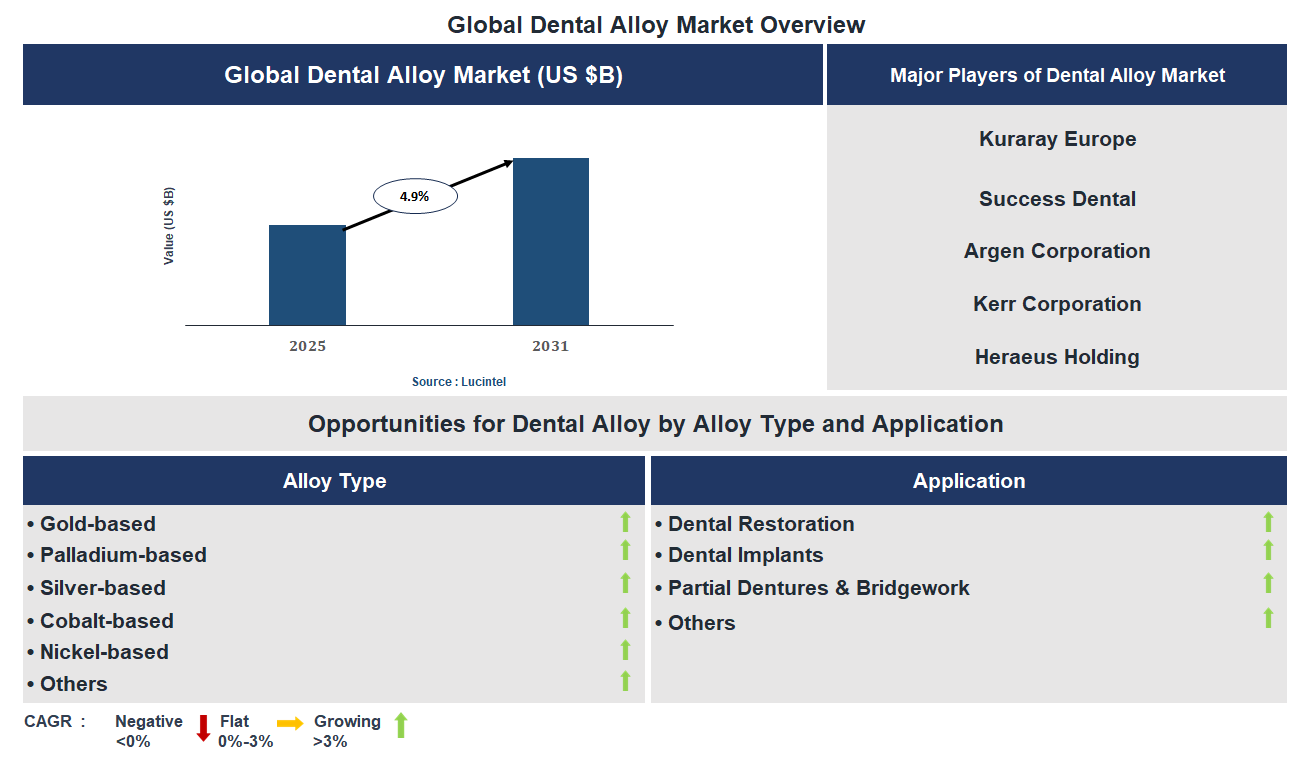
Key data points: The growth forecast = 4.9% annually for the next 7 years. Scroll below to get more insights. This market report covers trends, opportunities and forecasts in dental alloy market to 2031 by alloy type (gold-based, palladium-based, silver-based, cobalt-based, nickel-based, and others), application (dental restoration, dental implants, partial dentures & bridgework, and others), and region (North America, Europe, Asia Pacific, and the Rest of the World)
We'll send your sample report shortly.
• Lucintel forecasts that, within the alloy type category, gold-based is expected to witness the highest growth over the forecast period.
• Within the application category, dental implant is expected to witness the highest growth.
• In terms of region, APAC is expected to witness the highest growth over the forecast period. Gain valuable insights for your business decisions with our comprehensive 150+ page report. Sample figures with some insights are shown below.
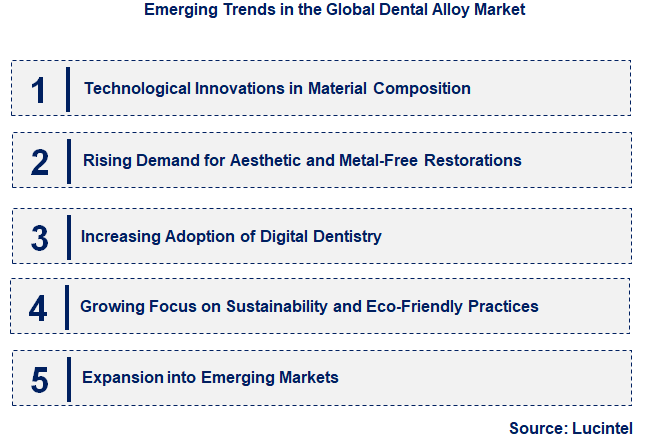
• Technological Innovations in Material Composition: The integration of advanced alloys such as high-noble, noble, and base-metal alloys is improving strength, biocompatibility, and corrosion resistance. These innovations enable the creation of more durable and aesthetically pleasing dental restorations, expanding their application scope. Enhanced manufacturing techniques like CAD/CAM are facilitating precise, efficient production, reducing turnaround times, and improving patient outcomes. This trend is driving market growth by offering superior products that meet stringent regulatory standards and patient expectations.
• Rising Demand for Aesthetic and Metal-Free Restorations: Patients increasingly prefer natural-looking dental restorations, prompting a shift towards aesthetic alloys and ceramic-metal hybrids. The demand for metal-free options, such as zirconia-based restorations, is also rising due to concerns over allergies and metal sensitivities. This trend is influencing manufacturers to develop alloys that can be seamlessly integrated with aesthetic materials, thereby expanding their market share. The focus on aesthetics is reshaping product development strategies and encouraging innovation in alloy formulations to meet these preferences.
• Increasing Adoption of Digital Dentistry: The adoption of digital workflows, including 3D imaging, CAD/CAM, and 3D printing, is transforming the dental alloy market. These technologies enable precise customization, reduce material wastage, and streamline the fabrication process. Digital dentistry enhances the accuracy and fit of dental restorations, leading to improved patient satisfaction. As clinics and laboratories increasingly invest in digital equipment, the demand for compatible dental alloys is surging, fostering a more integrated and efficient market ecosystem.
• Growing Focus on Sustainability and Eco-Friendly Practices: Environmental concerns are prompting manufacturers to develop sustainable alloys with reduced toxic elements and recyclable components. The shift towards eco-friendly production processes and materials aligns with global sustainability initiatives and regulatory pressures. This trend is encouraging innovation in alloy composition and manufacturing, leading to products that are safer for both patients and practitioners. The emphasis on sustainability is influencing market dynamics by attracting environmentally conscious consumers and stakeholders.
• Expansion into Emerging Markets: Rapid urbanization, increasing dental healthcare awareness, and rising disposable incomes are fueling market growth in emerging economies such as India, China, and Brazil. Local manufacturers are expanding their product portfolios to cater to these markets, often offering cost-effective solutions without compromising quality. This expansion is creating new opportunities for global players and diversifying the market landscape. The growth in emerging markets is expected to significantly contribute to the overall expansion of the dental alloy industry in the coming years. In summary, these trends are collectively reshaping the dental alloy market by fostering innovation, enhancing product quality, and expanding market reach. The integration of advanced materials, digital technologies, and sustainable practices is driving growth and competitiveness. Simultaneously, the focus on aesthetics and emerging market expansion is broadening the scope of applications and customer base, positioning the market for sustained development in the future.
• Technological Innovations: Development of high-strength, biocompatible alloys such as gold, palladium, and nickel-based materials has improved the durability and safety of dental restorations, boosting market growth and patient confidence.
• Rising Demand for Aesthetic Restorations: Increasing preference for metal-free and tooth-colored restorations has led to a surge in demand for ceramic and composite alloys, influencing manufacturers to diversify their product offerings.
• Regulatory and Quality Standards: Implementation of stricter regulations regarding biocompatibility and safety standards has prompted companies to enhance quality control measures, ensuring compliance and fostering consumer trust.
• Expansion in Emerging Markets: Growing dental healthcare infrastructure and rising awareness in regions like Asia-Pacific and Latin America have expanded market reach, creating new opportunities for local and international players.
• Adoption of Digital Dentistry: Integration of digital technologies such as CAD/CAM systems has streamlined the manufacturing process, enabling precise, customized dental alloys and improving overall treatment outcomes. These developments are collectively driving the dental alloy market towards increased innovation, broader accessibility, and improved patient outcomes, positioning it for sustained growth in the coming years.
• Increasing demand for aesthetic restorations: Growing preference for metal-free and tooth-colored restorations is driving innovation in dental alloys, leading to the development of more biocompatible and aesthetically pleasing materials, which enhances patient satisfaction and expands market reach.
• Rising adoption of CAD/CAM technology: The integration of computer-aided design and manufacturing in dentistry is boosting demand for high-precision dental alloys, enabling faster production of customized restorations and improving clinical outcomes.
• Growing geriatric population: An aging global population increases the need for durable and reliable dental restorations, prompting manufacturers to develop stronger, long-lasting alloys suitable for complex dental procedures.
• Expansion in emerging markets: Increasing dental healthcare infrastructure and rising disposable incomes in emerging economies are creating new growth opportunities for dental alloy manufacturers, facilitating market penetration and product adoption.
• Focus on biocompatibility and sustainability: The demand for eco-friendly and biocompatible dental alloys is encouraging research into new materials that reduce allergic reactions and environmental impact, thereby broadening application scope and market acceptance. In summary, these growth opportunities are significantly impacting the dental alloy market by fostering innovation, expanding application areas, and enabling market players to meet the evolving needs of dental professionals and patients. This dynamic environment is poised to drive sustained growth and technological advancement in the industry.
• Technological Advancements: The development of innovative dental alloys with improved biocompatibility, strength, and aesthetic appeal has significantly boosted market growth. New alloy formulations, such as high-noble and noble metal alloys, offer enhanced durability and corrosion resistance, meeting the increasing demand for long-lasting dental restorations. These technological improvements enable practitioners to provide better patient outcomes, thereby expanding market opportunities. Additionally, advancements in CAD/CAM technology facilitate precise fabrication of dental restorations, further driving demand for specialized alloys. The continuous evolution of dental materials technology ensures the market remains dynamic and responsive to clinical needs.
• Rising Prevalence of Dental Disorders: The increasing incidence of dental caries, periodontal diseases, and tooth loss globally is a major driver. As awareness about oral health improves and populations age, the demand for restorative dental procedures rises. Dental alloys are essential for crowns, bridges, and implants, making them critical in addressing these conditions. The growing geriatric population, who are more susceptible to dental issues, further amplifies this demand. Moreover, expanding dental tourism and cosmetic dentistry trends contribute to higher utilization of dental alloys, supporting sustained market growth.
• Increasing Adoption of Cosmetic Dentistry: The rising preference for aesthetic dental treatments is fueling demand for metal alloys that can be used in crowns, veneers, and bridges with natural appearance. Patients seek durable, metal-based restorations that blend seamlessly with natural teeth. The development of alloys that offer both strength and aesthetic appeal has made them popular choices among practitioners. The proliferation of cosmetic dentistry clinics and increased patient awareness about smile enhancement are significant factors driving this trend. Consequently, manufacturers are innovating to produce alloys that meet both functional and aesthetic requirements, expanding market opportunities.
• Growing Healthcare Expenditure and Insurance Coverage: Increased healthcare spending and better insurance coverage for dental procedures are facilitating higher adoption of dental alloys. As disposable incomes rise, patients are more willing to invest in comprehensive dental treatments, including restorative procedures involving alloys. Governments and private insurers are also recognizing the importance of oral health, leading to improved reimbursement policies. This financial support encourages patients to opt for advanced dental restorations, thereby boosting demand for high-quality dental alloys. The economic stability and healthcare infrastructure development in emerging markets further contribute to expanding the market.
• Regulatory Approvals and Standards: Stringent regulatory frameworks and quality standards influence the market by ensuring safety and efficacy of dental alloys. Compliance with international standards such as ISO and FDA regulations is essential for market players to operate globally. These regulations drive innovation, as manufacturers develop alloys that meet safety and biocompatibility criteria. However, navigating complex approval processes can delay product launches and increase costs. Conversely, regulatory standards also serve as a barrier for new entrants, consolidating market share among established players. Overall, regulatory factors shape product development and market dynamics significantly. The challenges facing this Market include:
• High Material Costs: The cost of high-quality dental alloys, especially noble and high-noble metals, remains a significant barrier. These materials are expensive due to their rarity and complex manufacturing processes, which translate into higher treatment costs for patients. This can limit accessibility, especially in price-sensitive markets. Additionally, fluctuations in raw material prices, such as gold and palladium, impact profit margins for manufacturers and practitioners. The high costs may also restrict the adoption of advanced alloys in developing regions, hindering overall market growth and creating disparities in access to quality dental restorations.
• Stringent Regulatory Approvals: The complex and lengthy approval processes for dental alloys pose challenges for manufacturers. Meeting diverse international standards requires extensive testing and documentation, which increases time-to-market and development costs. Regulatory hurdles can delay product launches and reduce competitiveness, especially for smaller companies. Additionally, evolving regulations necessitate continuous updates to formulations and manufacturing practices, adding to operational complexities. These factors can stifle innovation and limit the introduction of new alloys, impacting overall market growth and product diversity.
• Environmental and Sustainability Concerns: The environmental impact of mining and processing metals used in dental alloys raises sustainability issues. Extraction of precious metals like gold and palladium involves environmentally damaging practices, leading to increased scrutiny from regulatory bodies and consumers. Waste management and recycling of dental alloys also pose environmental challenges. Growing awareness and regulations aimed at reducing ecological footprints compel manufacturers to adopt sustainable practices, which can increase costs and complicate supply chains. Addressing these concerns is crucial for market acceptance and long-term sustainability but remains a significant challenge. In summary, the dental alloy market is driven by technological innovations, increasing dental health needs, aesthetic preferences, and supportive economic factors. However, high costs, regulatory complexities, and environmental issues present notable hurdles. These drivers and challenges collectively influence market dynamics, shaping opportunities for growth and innovation. Stakeholders must navigate these factors carefully to capitalize on emerging trends while addressing barriers to ensure sustainable development and competitive advantage in the evolving dental alloy landscape.
• Kuraray Europe
• Success Dental
• Argen Corporation
• Kerr Corporation
• Heraeus Holding
• Ivoclar Vivadent
• Dentsply Sirona
• Sterngold Dental
• Aurident
• 88Dent
• Gold-based
• Palladium-based
• Silver-based
• Cobalt-based
• Nickel-based
• Others
• Dental Restoration
• Dental Implants
• Partial Dentures & Bridgework
• Others
• North America
• Europe
• Asia Pacific
• The Rest of the World
• United States: The US market has seen increased adoption of high-noble and precious metal alloys for dental restorations, driven by technological innovations and patient demand for durable, aesthetic solutions. Advances in CAD/CAM technology have enhanced customization and precision. Regulatory approvals for biocompatible alloys have also boosted market growth. The rise in cosmetic dentistry procedures and dental implant surgeries further fuels demand. Additionally, research institutions are developing new alloys with improved strength and corrosion resistance, contributing to market expansion.
• China: China’s dental alloy market is rapidly expanding due to a large population and rising oral health awareness. The country is witnessing increased manufacturing of cost-effective alloys to meet domestic demand, alongside growing adoption of advanced materials like titanium-based alloys for implants. Government initiatives to improve dental healthcare infrastructure and the presence of numerous local manufacturers are driving growth. Moreover, technological collaborations with international firms are facilitating the introduction of innovative alloys, making China a significant player in the global market.
• Germany: Germany is known for its high-quality dental alloys, emphasizing biocompatibility and durability. The market benefits from strict regulatory standards and a strong focus on research and development. German companies are pioneering the development of new alloys with enhanced mechanical properties and aesthetic qualities. The country’s advanced dental technology sector supports the integration of alloys with digital workflows, such as CAD/CAM systems. Growing demand for metal-ceramic restorations and dental implants sustains market growth, with a focus on sustainable and environmentally friendly materials.
• India: The Indian dental alloy market is characterized by affordability and increasing access to dental care. Local manufacturers produce a wide range of alloys, including base metals and precious metals, catering to a diverse population. Rising awareness about oral health and cosmetic dentistry is boosting demand for durable and aesthetic restorations. The expanding dental tourism industry also contributes to market growth. Additionally, government initiatives to improve healthcare infrastructure and the adoption of new manufacturing technologies are facilitating the development of innovative alloys suited to local needs.
• Japan: Japan’s market is driven by technological innovation and a focus on high-quality, biocompatible dental alloys. The country’s aging population increases demand for durable restorative materials and implants. Japanese companies are investing in research to develop alloys with superior corrosion resistance and aesthetic appeal. Integration of alloys with digital dentistry, including CAD/CAM and 3D printing, is prevalent. Regulatory standards ensure high safety and performance, supporting market stability. The emphasis on minimally invasive procedures and aesthetic dentistry continues to propel the adoption of advanced dental alloys in Japan.


• Kuraray Europe
• Success Dental
• Argen Corporation
• Kerr Corporation
• Heraeus Holding
• Ivoclar Vivadent
• Dentsply Sirona
• Sterngold Dental
• Aurident
• 88Dent Q5. Which dental alloy market segment will be the largest in future? Answer: Lucintel forecasts that, within the alloy type category, gold-based is expected to witness the highest growth over the forecast period. Q6. In dental alloy market, which region is expected to be the largest in next 5 years? Answer: In terms of region, APAC is expected to witness the highest growth over the forecast period. Q7. Do we receive customization in this report? Answer: Yes, Lucintel provides 10% customization without any additional cost.


Choose a license that fits your team. Instant PDF delivery.
Prices exclude taxes. Instant delivery. Custom licensing available on request.
Market Report · July 31, 2026
Market Report · July 31, 2026
Market Report · July 31, 2026
Trusted partner for strategic intelligence and business growth


Receive a complimentary market analysis tailored to your industry. Our analysts will identify key growth opportunities and competitive dynamics specific to your business.

Market size, growth rate, and key trend analysis for your specific sector.

Top competitor positioning and market share analysis.

Strategic recommendations backed by data-driven insights.
Get curated market intelligence and competitive moves straight to your inbox.
By subscribing, you agree to receive our monthly insights. Unsubscribe anytime.
Receive a complimentary market analysis tailored to your industry. Our analysts will identify key growth opportunities and competitive dynamics specific to your business.
Market size, growth rate, and key trend analysis for your specific sector.
Top competitor positioning and market share analysis.
Strategic recommendations backed by data-driven insights.
Get curated market intelligence, emerging trends, and competitive moves straight to your inbox each month.
By subscribing, you agree to receive our monthly insights. Unsubscribe anytime.
We'll send your sample report shortly.