
Report Feature
Demineralized Bone Fiber Technology Market Trends and Forecast
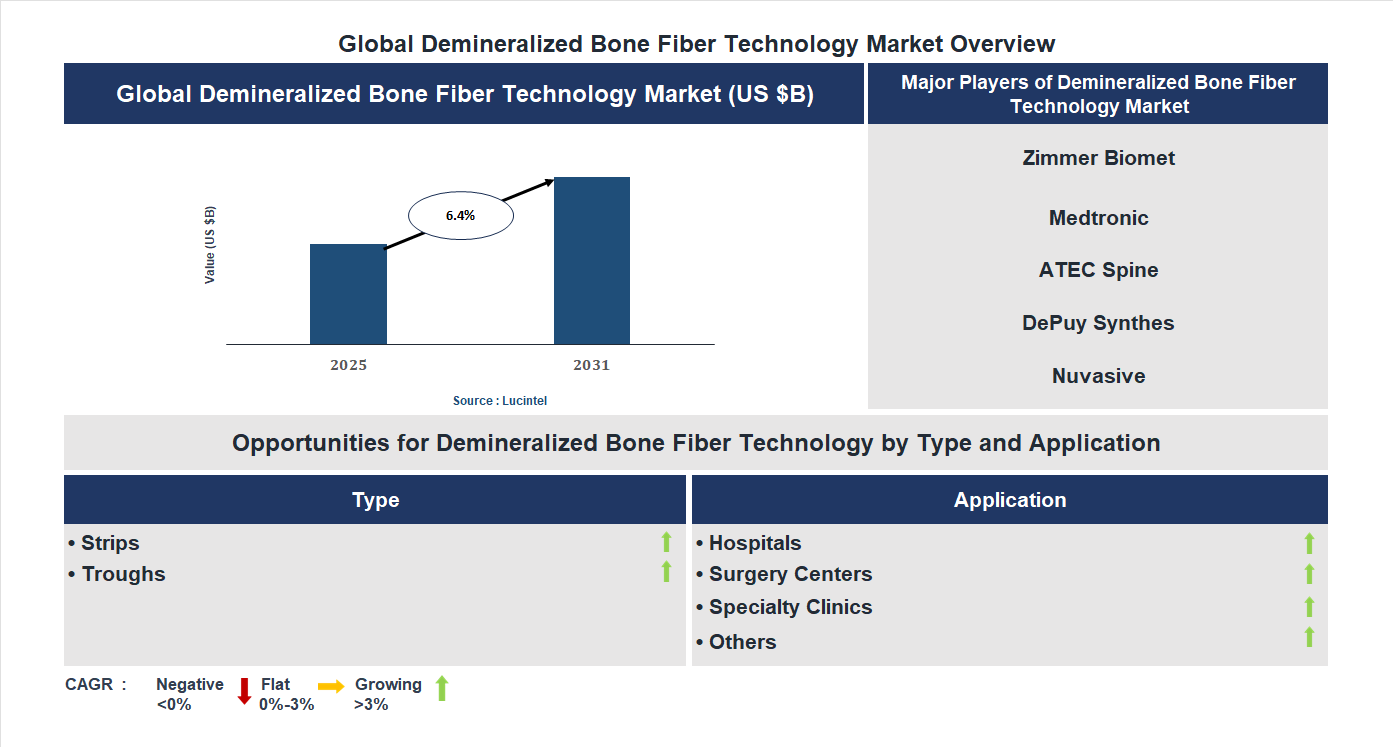
The future of the global demineralized bone fiber technology market looks promising with opportunities in the hospital, surgery center, and specialty clinic markets. The global demineralized bone fiber technology market is expected to grow with a CAGR of 6.4% from 2025 to 2031. The major drivers for this market are the increasing demand for advanced bone graft solutions, the rising adoption in orthopedic surgical procedures, and the growing focus on regenerative medical treatments.• Lucintel forecasts that, within the type category, strip is expected to witness higher growth over the forecast period.
• Within the application category, surgery center is expected to witness the highest growth.
• In terms of region, APAC is expected to witness the highest growth over the forecast period. Gain valuable insights for your business decisions with our comprehensive 150+ page report. Sample figures with some insights are shown below.
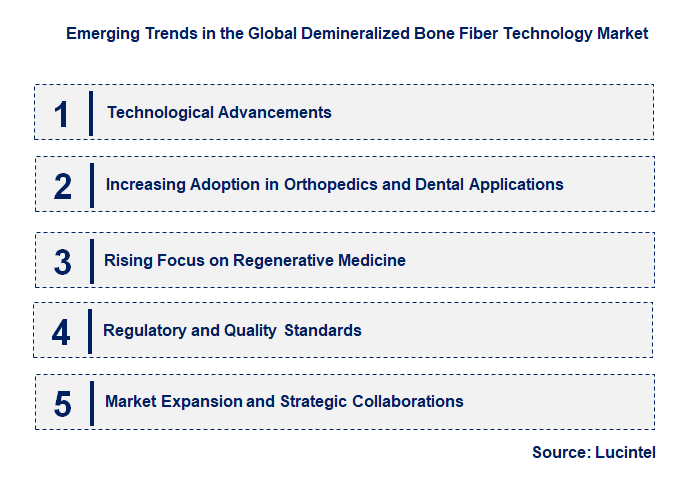
Emerging Trends in the Demineralized Bone Fiber Technology Market
The demineralized bone fiber technology market is experiencing rapid growth driven by advancements in regenerative medicine, increasing demand for bone grafts, and innovations in biomaterials. As healthcare providers seek more effective and less invasive solutions for bone repair, emerging technologies are transforming treatment options. This market is characterized by a focus on biocompatibility, improved healing outcomes, and cost-effective solutions. The integration of new materials and techniques is also expanding the scope of applications, from orthopedic surgeries to dental procedures. These developments are not only enhancing patient outcomes but also reshaping industry dynamics, creating new opportunities for manufacturers and healthcare providers alike.• Technological Advancements: Development of innovative demineralized bone fibers with enhanced biocompatibility and osteoinductive properties. These advancements improve graft integration and healing times, making procedures more effective and reducing complications. The focus on refining fiber processing techniques and incorporating bioactive molecules is driving market growth, offering more reliable and predictable outcomes for patients and clinicians.
• Increasing Adoption in Orthopedics and Dental Applications: Growing demand for bone graft substitutes in orthopedic surgeries and dental implants. The need for minimally invasive procedures and faster recovery times is fueling adoption. Demineralized bone fibers are preferred due to their natural composition, which promotes bone regeneration. This trend is expanding the market’s reach, encouraging manufacturers to develop tailored solutions for specific clinical needs, thereby broadening application scope.
• Rising Focus on Regenerative Medicine: The shift towards regenerative therapies is boosting the use of demineralized bone fibers. Their ability to support new bone formation aligns with the goals of tissue engineering and regenerative medicine. This trend is encouraging research and development investments, leading to innovative products that can potentially replace traditional grafts, reduce rejection risks, and improve long-term outcomes.
• Regulatory and Quality Standards: Increasing emphasis on stringent regulatory approvals and quality control measures. As the market matures, compliance with safety standards becomes critical for product acceptance and market expansion. This trend is prompting companies to invest in quality assurance processes, which enhances product credibility and fosters trust among healthcare providers and patients.
• Market Expansion and Strategic Collaborations: Growing presence in emerging markets and strategic partnerships between biotech firms and healthcare providers. These collaborations facilitate technology transfer, local manufacturing, and distribution, making demineralized bone fibers more accessible globally. Market expansion efforts are also driven by increasing awareness and demand for advanced bone regeneration solutions, creating a competitive landscape that encourages innovation and affordability. In summary, these trends are collectively reshaping the Demineralized Bone Fiber Technology Market by fostering innovation, expanding application areas, and emphasizing quality and regulatory compliance. This evolution is leading to more effective, accessible, and reliable bone regeneration solutions, ultimately improving patient care and opening new avenues for industry growth.
Recent Development in the Demineralized Bone Fiber Technology Market
The demineralized bone fiber technology market has experienced significant advancements driven by increasing demand for innovative bone graft substitutes and regenerative therapies. As the healthcare industry seeks more effective and biocompatible solutions for bone repair, technological innovations are transforming treatment options. These developments are influenced by rising prevalence of bone-related disorders, technological research, and regulatory support. The market is witnessing a shift towards more efficient, safe, and cost-effective products that improve patient outcomes. This dynamic environment fosters continuous innovation, impacting the overall growth and competitiveness of the market. The following are five key recent developments shaping this landscape.• Introduction of Advanced Demineralized Bone Fibers: New formulations utilizing enhanced demineralization processes have improved biocompatibility and osteoinductive properties, leading to better integration with native bone tissue and faster healing times.
• Adoption of 3D Printing Technologies: Customizable bone grafts created through 3D printing enable precise fitting and tailored treatments, reducing surgical time and improving patient outcomes, thus expanding market applications.
• Regulatory Approvals and Certifications: Increased approvals from health authorities for novel demineralized bone fiber products have accelerated market entry, boosting confidence among healthcare providers and expanding usage in clinical settings.
• Integration with Stem Cell Therapies: Combining demineralized bone fibers with stem cell treatments has enhanced regenerative potential, opening new avenues for complex bone defect repairs and increasing market demand.
• Focus on Cost-Effective Solutions: Development of affordable, high-quality demineralized bone fiber products has made advanced bone regeneration therapies accessible to a broader patient population, driving market growth. In summary, these developments are significantly impacting the Demineralized Bone Fiber Technology Market by improving product efficacy, expanding application scope, and increasing accessibility. They are fostering innovation, enhancing clinical outcomes, and driving overall market growth, positioning the industry for sustained advancement in bone regenerative solutions.
Strategic Growth Opportunities in the Demineralized Bone Fiber Technology Market
The demineralized bone fiber technology market is experiencing rapid growth driven by advancements in regenerative medicine, increasing demand for effective bone graft substitutes, and expanding applications across healthcare sectors. As medical professionals seek innovative solutions for bone repair and regeneration, key growth opportunities are emerging across various applications. These opportunities are poised to reshape the market landscape, offering improved patient outcomes and cost-effective treatment options. Understanding these developments is crucial for stakeholders aiming to capitalize on emerging trends and maintain competitive advantage in this evolving industry.• Orthopedic Surgery: Enhanced Bone Graft Substitutes : The use of demineralized bone fiber technology in orthopedic procedures is expanding, providing superior graft materials that promote faster healing and reduce rejection risks. This growth improves patient recovery times and surgical success rates, making it a preferred choice for complex fractures and spinal surgeries.
• Dental Applications: Improved Bone Regeneration in Dental Implants : The technology is increasingly adopted in dental surgeries for bone regeneration, supporting implant stability and longevity. Its biocompatibility and osteoinductive properties enhance patient outcomes, driving demand in dental clinics and oral surgery centers.
• Trauma Care: Accelerated Fracture Healing : In trauma care, demineralized bone fibers facilitate quicker healing of complex fractures, reducing hospital stays and associated healthcare costs. This application is gaining traction due to its effectiveness in critical injury management.
• Craniofacial Reconstruction: Advanced Reconstructive Solutions : The technology offers promising solutions for craniofacial reconstruction, enabling precise and durable bone regeneration. Its application improves aesthetic and functional outcomes, attracting interest from reconstructive surgeons.
• Spinal Surgery: Enhanced Fusion Rates : In spinal surgeries, demineralized bone fibers contribute to higher fusion success rates, minimizing complications and reoperations. This growth opportunity supports the development of minimally invasive procedures and improved patient recovery. In summary, these growth opportunities are significantly impacting the Demineralized Bone Fiber Technology Market by expanding its application scope, improving clinical outcomes, and driving innovation. As demand for effective bone regeneration solutions increases, these developments are expected to foster market growth, attract investments, and enhance patient care standards worldwide.
Demineralized Bone Fiber Technology Market Driver and Challenges
The demineralized bone fiber technology market is influenced by a variety of technological, economic, and regulatory factors. Advances in regenerative medicine and orthopedic procedures are driving demand for innovative bone graft substitutes. Economic growth in healthcare sectors worldwide increases investment in advanced biomaterials, while regulatory frameworks shape product development and approval processes. Additionally, technological innovations such as improved demineralization techniques and fiber processing methods enhance product efficacy and safety. However, the market also faces challenges including stringent regulatory requirements, high manufacturing costs, and ethical concerns related to sourcing materials. Understanding these drivers and challenges is essential for stakeholders aiming to capitalize on market opportunities and navigate potential obstacles effectively. The factors responsible for driving the demineralized bone fiber technology market include:-• Technological Advancements: The development of innovative demineralization and fiber processing techniques has significantly improved the quality, safety, and efficacy of bone graft substitutes. These advancements enable the production of more reliable and biocompatible products, fostering increased adoption in orthopedic, dental, and spinal surgeries. Continuous research and development efforts are expected to further enhance product performance, expand application areas, and reduce manufacturing costs, thereby fueling market growth.
• Rising Prevalence of Bone-Related Disorders: The increasing incidence of osteoporosis, fractures, and degenerative bone diseases worldwide is a major driver. As the aging population grows, the demand for effective bone regeneration solutions rises. Demineralized bone fiber technology offers a promising alternative to autografts and allografts, reducing complications and improving patient outcomes, which in turn boosts market demand.
• Growing Adoption of Minimally Invasive Procedures: The shift towards minimally invasive surgical techniques in orthopedics and dentistry is propelling the need for advanced biomaterials like demineralized bone fibers. These materials facilitate easier handling, quicker recovery, and better integration with native tissues. The trend is expected to continue, supporting increased utilization of demineralized bone fiber technology in various surgical procedures.
• Increasing Healthcare Expenditure: Rising healthcare spending across developed and developing countries enhances access to advanced treatment options. Governments and private healthcare providers are investing more in regenerative therapies, including bone graft substitutes. This financial support accelerates research, development, and commercialization of demineralized bone fiber products, further expanding market opportunities.
• Strategic Collaborations and Product Launches: Partnerships between biotech firms, research institutions, and medical device companies facilitate innovation and market penetration. Launch of new, improved demineralized bone fiber products tailored for specific indications attracts a broader customer base. These strategic initiatives help companies strengthen their market position and accelerate growth. The challenges facing the demineralized bone fiber technology market include:-
• Stringent Regulatory Frameworks: The approval process for demineralized bone fiber products involves rigorous safety, efficacy, and quality assessments. Navigating complex regulatory requirements across different regions can delay product launches and increase costs. Compliance with evolving standards demands significant investment in clinical trials and quality assurance, posing a barrier for smaller players and slowing overall market growth.
• High Manufacturing Costs: Producing high-quality demineralized bone fibers requires sophisticated processing techniques, specialized equipment, and strict quality controls. These factors contribute to elevated manufacturing expenses, which are often passed on to consumers, limiting affordability and adoption, especially in cost-sensitive markets. Cost pressures may hinder the development of new products and reduce profit margins for manufacturers.
• Ethical and Supply Chain Concerns: Sourcing raw materials ethically and ensuring consistent supply can be challenging. Concerns related to donor tissue safety, disease transmission, and ethical sourcing practices impact product acceptance and regulatory approval. Supply chain disruptions, especially during global crises, can also affect production continuity, thereby constraining market growth and product availability. In summary, the Demineralized Bone Fiber Technology Market is shaped by significant technological innovations and increasing demand driven by demographic trends and healthcare investments. However, regulatory hurdles, high production costs, and ethical considerations pose notable challenges. These factors collectively influence market dynamics, requiring stakeholders to innovate strategically and navigate complex regulatory landscapes. Overall, the market holds substantial growth potential, provided these drivers are harnessed effectively and challenges managed proactively.
List of Demineralized Bone Fiber Technology Companies
Companies in the market compete on the basis of product quality offered. Major players in this market focus on expanding their manufacturing facilities, R&D investments, infrastructural development, and leverage integration opportunities across the value chain. With these strategies demineralized bone fiber technology companies cater increasing demand, ensure competitive effectiveness, develop innovative products & technologies, reduce production costs, and expand their customer base. Some of the demineralized bone fiber technology companies profiled in this report include-• Zimmer Biomet
• Medtronic
• ATEC Spine
• DePuy Synthes
• Nuvasive
• Evologics
• Vivex Biologics
• Surgalign
• Surgilogix
• Innovasis
Demineralized Bone Fiber Technology Market by Segment
The study includes a forecast for the global demineralized bone fiber technology market by type, application, and region.Demineralized Bone Fiber Technology Market by Type [Value from 2019 to 2031]:
• Strips
• Troughs
Demineralized Bone Fiber Technology Market by Application [Value from 2019 to 2031]:
• Hospitals
• Surgery Centers
• Specialty Clinics
• Others
Demineralized Bone Fiber Technology Market by Region [Value from 2019 to 2031]:
• North America
• Europe
• Asia Pacific
• The Rest of the World
Country Wise Outlook for the Demineralized Bone Fiber Technology Market
The demineralized bone fiber technology market is experiencing rapid growth driven by advancements in regenerative medicine, increasing demand for bone graft substitutes, and technological innovations. Countries are investing in research and development to improve product efficacy and safety, leading to new applications across medical fields. Regulatory approvals and collaborations between biotech firms are further accelerating market expansion. As healthcare systems evolve, the focus on minimally invasive procedures and personalized treatments is shaping the future of this industry. The following summaries highlight recent developments in key markets: the United States, China, Germany, India, and Japan.• United States: The US market has seen significant advancements with the approval of new demineralized bone fiber products by the FDA, enhancing treatment options for orthopedic and dental applications. Leading biotech firms are investing heavily in R&D to develop next-generation, bioactive fibers that promote faster healing. Increased adoption of minimally invasive procedures and a rising geriatric population requiring bone regeneration are driving demand. Collaborations between hospitals and biotech companies are fostering innovation, while regulatory frameworks are becoming more streamlined to facilitate market entry. Overall, the US remains a dominant player in this market.
• China: China is experiencing rapid growth in the Demineralized Bone Fiber Technology Market due to increasing healthcare infrastructure and government initiatives supporting biotech innovation. Local companies are developing cost-effective, high-quality products to meet domestic demand, with some gaining approval for export. The country’s focus on research and collaboration with international firms is accelerating product development. Additionally, rising awareness of regenerative therapies and expanding orthopedic and dental markets are contributing to market expansion. Investments in R&D and manufacturing capabilities are positioning China as a key emerging market in this sector.
• Germany: Germany’s market is characterized by a strong emphasis on quality, safety, and regulatory compliance, with several products receiving CE marking for European distribution. The country benefits from a well-established healthcare system and a high adoption rate of innovative medical technologies. German companies are focusing on developing bioactive fibers that enhance bone regeneration and reduce recovery times. Collaborations with academic institutions are fostering innovation, and government support for biotech research is encouraging new product development. The market is also witnessing increased demand for personalized and minimally invasive treatments.
• India: India’s Demineralized Bone Fiber Technology Market is expanding rapidly, driven by a large patient population and increasing awareness of regenerative medicine. Local manufacturers are offering affordable, high-quality products to meet the growing demand in orthopedic and dental sectors. The government’s initiatives to promote healthcare infrastructure and biotech research are facilitating market growth. Additionally, rising investments from private players and international collaborations are accelerating product innovation. The increasing prevalence of bone-related disorders and a growing number of hospitals adopting advanced regenerative therapies are key factors contributing to this expansion.
• Japan: Japan’s market is characterized by high technological adoption and stringent regulatory standards. The country is focusing on developing advanced demineralized bone fibers that support faster healing and reduce complications. Japanese firms are investing in R&D to create bioactive and biocompatible products tailored for the aging population. The government’s support for regenerative medicine research and collaborations with international companies are fostering innovation. The demand for minimally invasive procedures and personalized treatments is rising, making Japan a significant market for advanced bone regeneration solutions. The emphasis on safety and efficacy remains central to market growth.

Features of the Global Demineralized Bone Fiber Technology Market
Market Size Estimates: Demineralized bone fiber technology market size estimation in terms of value ($B). Trend and Forecast Analysis: Market trends (2019 to 2024) and forecast (2025 to 2031) by various segments and regions. Segmentation Analysis: Demineralized bone fiber technology market size by type, application, and region in terms of value ($B). Regional Analysis: Demineralized bone fiber technology market breakdown by North America, Europe, Asia Pacific, and Rest of the World. Growth Opportunities: Analysis of growth opportunities in different types, applications, and regions for the demineralized bone fiber technology market. Strategic Analysis: This includes M&A, new product development, and competitive landscape of the demineralized bone fiber technology market. Analysis of competitive intensity of the industry based on Porter’s Five Forces model.
FAQ
Q1. What is the growth forecast for demineralized bone fiber technology market? Answer: The global demineralized bone fiber technology market is expected to grow with a CAGR of 6.4% from 2025 to 2031. Q2. What are the major drivers influencing the growth of the demineralized bone fiber technology market? Answer: The major drivers for this market are the increasing demand for advanced bone graft solutions, the rising adoption in orthopedic surgical procedures, and the growing focus on regenerative medical treatments. Q3. What are the major segments for demineralized bone fiber technology market? Answer: The future of the demineralized bone fiber technology market looks promising with opportunities in the hospital, surgery center, and specialty clinic markets. Q4. Who are the key demineralized bone fiber technology market companies? Answer: Some of the key demineralized bone fiber technology companies are as follows:• Zimmer Biomet
• Medtronic
• ATEC Spine
• DePuy Synthes
• Nuvasive
• Evologics
• Vivex Biologics
• Surgalign
• Surgilogix
• Innovasis Q5. Which demineralized bone fiber technology market segment will be the largest in future? Answer: Lucintel forecasts that, within the type category, strip is expected to witness higher growth over the forecast period. Q6. In demineralized bone fiber technology market, which region is expected to be the largest in next 5 years? Answer: In terms of region, APAC is expected to witness the highest growth over the forecast period. Q7. Do we receive customization in this report? Answer: Yes, Lucintel provides 10% customization without any additional cost.
Table of Contents
List of Figures
List of Tables
Methodology
- In-depth interviews of the major players in this market
- Detailed secondary research from competitors’ financial statements and published data
- Extensive searches of published works, market, and database information pertaining to industry news, company press releases, and customer intentions
- A compilation of the experiences, judgments, and insights of Lucintel’s professionals, who have analyzed and tracked this market over the years.


Buy Now
Choose a license that fits your team. Instant PDF delivery.
Prices exclude taxes. Instant delivery. Custom licensing available on request.
Key Questions
- • What are some of the most promising, high-growth opportunities for the demineralized bone fiber technology market by type (strips and troughs), application (hospitals, surgery centers, specialty clinics, and others), and region (North America, Europe, Asia Pacific, and the Rest of the World)?
- • Which segments will grow at a faster pace and why?
- • Which region will grow at a faster pace and why?
- • What are the key factors affecting market dynamics? What are the key challenges and business risks in this market?
- • What are the business risks and competitive threats in this market?
- • What are the emerging trends in this market and the reasons behind them?
- • What are some of the changing demands of customers in the market?
- • What are the new developments in the market? Which companies are leading these developments?
- • Who are the major players in this market? What strategic initiatives are key players pursuing for business growth?
- • What are some of the competing products in this market and how big of a threat do they pose for loss of market share by material or product substitution?
- • What M&A activity has occurred in the last 5 years and what has its impact been on the industry? For any questions related to Demineralized Bone Fiber Technology Market, Demineralized Bone Fiber Technology Market Size, Demineralized Bone Fiber Technology Market Growth, Demineralized Bone Fiber Technology Market Analysis, Demineralized Bone Fiber Technology Market Report, Demineralized Bone Fiber Technology Market Share, Demineralized Bone Fiber Technology Market Trends, Demineralized Bone Fiber Technology Market Forecast, Demineralized Bone Fiber Technology Companies, write Lucintel analyst at email: helpdesk@lucintel.com. We will be glad to get back to you soon.


