
Report Feature
Wind Power Fastener Market Trends and Forecast
The technologies in the wind power fastener market have changed drastically. The traditional steel fasteners shifted to high-strength, corrosion-resistant fasteners and are now in demand. Longer-lasting, more durable fasteners are needed to withstand harsh offshore as well as onshore winds. Advanced materials and the latest coating technologies are in consideration to reduce maintenance costs with an increase in the number of years of operation.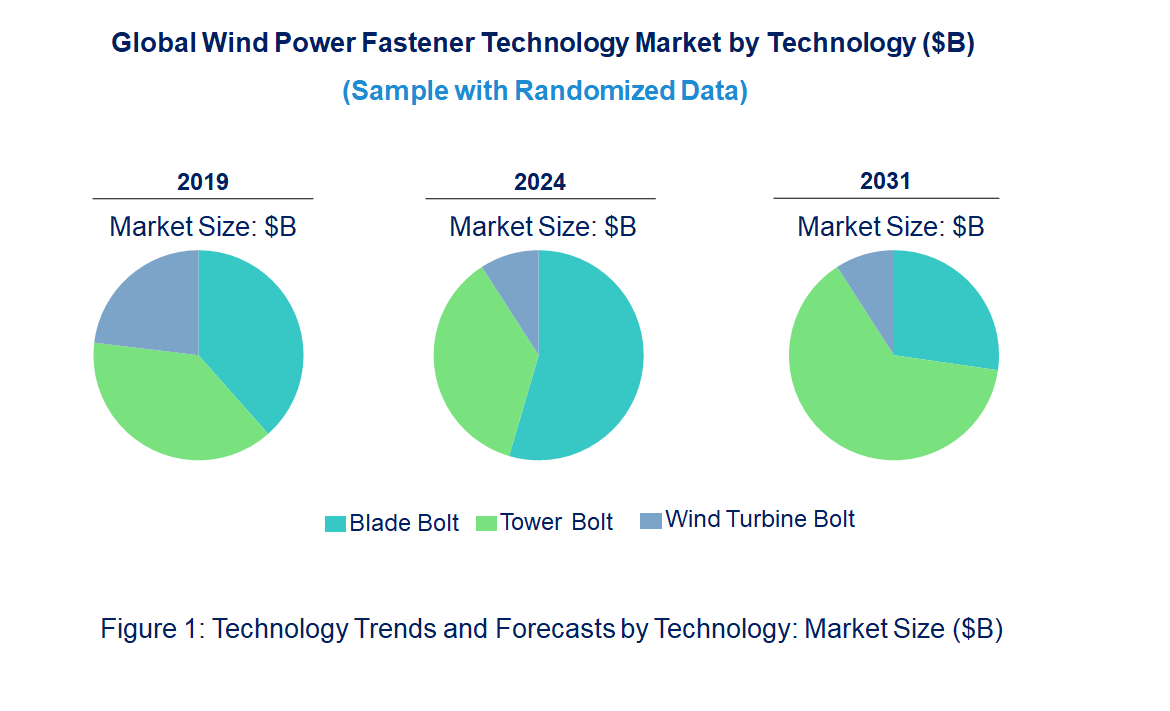
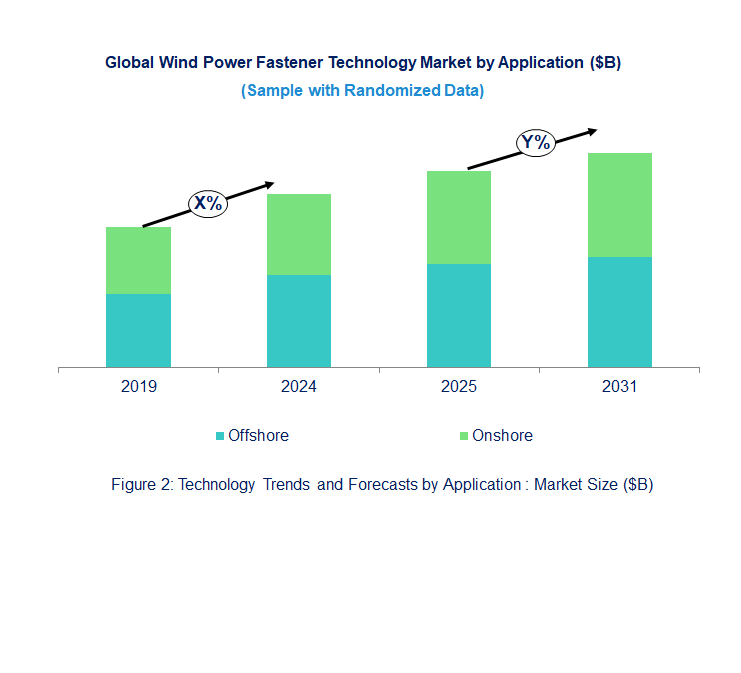
Emerging Trends in the Wind Power Fastener Market
The wind power fastener market is characterized by numerous emerging trends brought about by technological innovations, sustainability goals, and evolving industry requirements. These are advancing how fasteners will be designed and used in wind turbines, particularly in terms of assembly or installation.• Material Technologies Advancements: Advanced materials such as titanium and high-strength alloys now form fasteners used in wind turbines. These features enhanced resistance to corrosion and fatigue, prolonging the operational life of wind turbines, particularly offshore.
• Use of Coatings to Improve Long Life: Advanced coatings that include zinc, ceramic coatings, and anti-corrosive coatings are on the increasing trend in fasteners. They make fasteners last longer, helping to endure the extreme conditions in which the fasteners may be subjected in coastal or offshore environments.
• Growth of Offshore Wind Farms: As the demand for renewable energy rises, more offshore wind farms are being developed. This has led to an increased need for specialized, corrosion-resistant fasteners designed to handle the harsh maritime climate, where saltwater and high humidity pose significant challenges to fastener performance.
• Customization for Efficiency: Manufacturers are focusing more on providing custom fasteners designed specifically to suit various models of wind turbines. Standardized solutions are improving efficiency and better equipping the fasteners concerning mechanical stress in both offshore and onshore wind turbines.
• Automation and Precision in Manufacturing: The use of automated manufacturing processes for high-precision fasteners is growing. This trend enhances quality control and efficiency in the manufacturing of fasteners, resulting in more reliable and cost-effective solutions for the wind power industry. These trends are transforming the wind power fastener market into one of efficiency, reliability, and sustainability for wind turbines. Fasteners have transformed from simple mechanical components to highly specialized parts that guarantee long-term success and safety for wind energy projects.
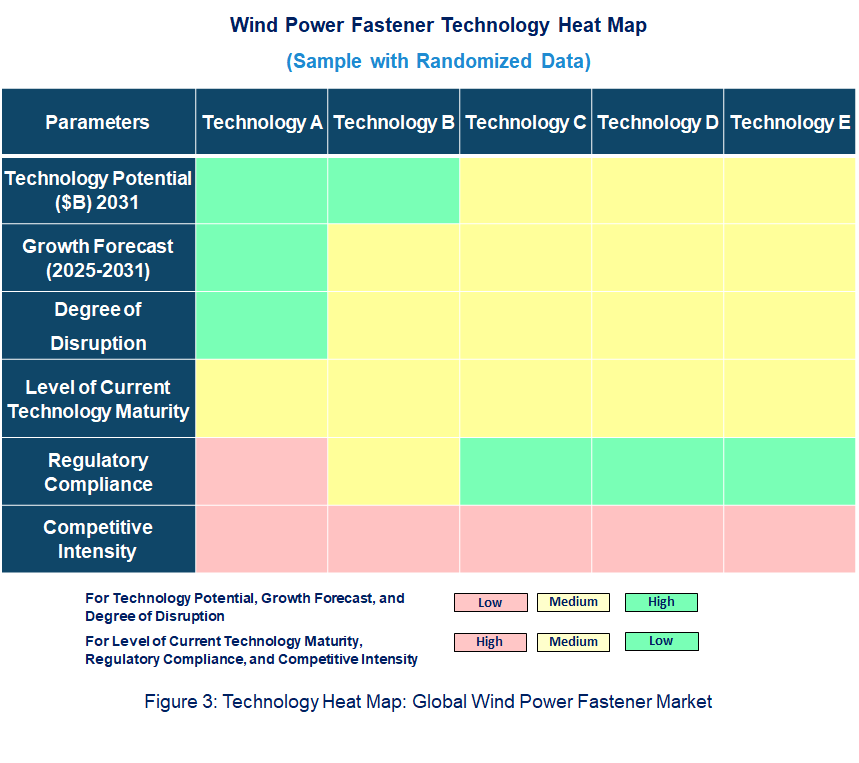
Wind Power Fastener Market : Industry Potential, Technological Development, and Compliance Considerations
This industry provides a critical input into wind turbine construction and subsequent maintenance. It therefore means the stability and strength of components under consideration are paramount for maintaining high functionality. The advancement in this field has seen many innovative solutions towards improving efficiency and safety, coupled with better performance of these fasteners within wind energy infrastructure.• Technology Potential: The technological potential in wind power fasteners lies in the development of materials and designs that improve corrosion resistance, reduce weight, and enhance the longevity of fasteners. Innovations in coatings, such as anti-corrosive or self-healing coatings, and the use of high-strength alloys, are driving improvements. Additionally, smart fasteners embedded with sensors to monitor structural integrity are emerging, enabling predictive maintenance.
• Degree of Disruption: Disruption in this market is average. While wind turbines grow and expand into gigantic constructions, traditional fasteners get substituted by advanced fastener technologies addressing high wind loads and corrosion prone environments and also having demands for lighter, more aggressive strength materials.
• Technology Maturity: The technology maturity level is moderately advanced. Even though the old fasteners are still being used, new materials and designs are in the pipeline, and some of them are being tested in pilot projects.
• Regulatory Compliance: Fasteners in the wind power industry have to pass stringent standards that include ASTM (American Society for Testing and Materials) and ISO certifications in order to be safe, reliable, and environmentally friendly in their use in wind energy.
Recent Technological development in Wind Power Fastener Market by Key Players
Several key players in the wind power fastener market are driving innovations and responding to the growing demands of the wind energy sector. Recent developments from some of the prominent companies in the market include:• Finework: Finework has developed high-strength fasteners for offshore wind turbines. The fasteners are designed with corrosion-resistant coatings to address the specific challenges presented by the marine environment. This technology improves the durability and performance of turbines, especially in saltwater environments.
• Jiangsu Zhongcheng: Jiangsu Zhongcheng concentrated on bettering the manufacture of tension bolts and shear bolts for the construction of towers. The newly designed wind turbine fasteners used in this series have utilized new and advanced heat treatment processes for achieving higher tensile strength than before, a critical feature to maintain structural stability under fluctuating wind pressures.
• Shanghai Shenguang: Shanghai Shenguang has added anti-corrosion-coated fasteners to its product line. The company offers solutions that increase the lifespan of fasteners and reduce maintenance costs for wind turbine operators by using coatings such as galvanized zinc and nickel.
• Hangzhou Daton Wind Power: Hangzhou Daton developed a cutting-edge line of self-locking fasteners for wind turbine blades. Those fasteners aimed to minimize periodic maintenance and upgrade the reliability of blade-to-turbine connections overall.
• Würth Group: Würth Group has introduced modular fastening systems for wind turbines. This system makes the assembling and maintenance of wind farms easier and more efficient. This has reduced the time and cost to install and repair turbines.
• Stanley Black & Decker: Stanley Black & Decker has expanded its presence in the wind power sector by manufacturing high-strength, vibration-resistant fasteners that can withstand the dynamic loads experienced by wind turbines. These fasteners are critical for maintaining turbine performance over time.
• Hamax Co., Ltd.: Hamax has launched a customized line of fasteners for wind turbine fabrication, milled to meet the specific mechanical and environmental conditions onshore and off-shore within the wind farms. Customization improves the performance of fasteners and increases the longevity of turbines.
• Dyson Corp.: Dyson Corp. has developed bolting systems for larger-scale wind turbine installations. Their bolting solutions use advanced alloys and coatings, offering higher resistance to fatigue and corrosion to ensure higher levels of safety and performance in extreme conditions.
• BIG BOLT NUT is the forerunner in producing large diameters of wind turbine bolts. Their high-strength bolts would be designed with extreme resistance to wind and other environmental stresses to ensure the structure of very large offshore wind turbines is sound and intact.
• Cooper & Turner: Cooper & Turner has just introduced a new series of high-strength heat-treated bolts particularly for application within wind turbine towers. Designed for the demand from the more powerful and reliable structures in big-scale wind farms. Finally, one observes the most recent developments have resulted in the key players developing strength, durability, and reliability in fasteners as the core product for wind applications. This corrosion resistance, along with materials innovation and customized solutions, has led companies to find a competitive edge and meet wind power demands that are changing at an increasing rate.
Wind Power Fastener Market Driver and Challenges
The wind power fastener market is being shaped by several key drivers, as well as challenges that need to be addressed for continued growth and success. Below are the major drivers and challenges: The factors responsible for driving the wind power fastener market include:• Increased Demand for Renewable Energy: With the global push toward renewable energy, wind power is seeing increased investments, which in turn drives the demand for high-quality fasteners that are essential for building and maintaining wind turbines.
• Technological advancements in fasteners: Wind turbines' lifespan and performance have been enhanced through continued fastener technology advancements, such as corrosion-resistant coatings and high-strength materials. Such improvements are important to ensure that wind farms operate for longer periods without significant maintenance costs.
• Growth in Offshore Wind Farms: As offshore wind farms become increasingly spread out, the demand for specialty fasteners that could withstand the conditions of a marine environment is on the increase. This situation calls for more durable fastening solutions with excellent corrosion resistance.
• Government Support and Incentives: Many governments are offering financial incentives and subsidies for renewable energy projects, including wind farms. This support is accelerating the adoption of wind energy technologies and driving demand for fasteners needed to build these turbines. Challenges in the wind power fastener market are:
• Specialized Fasteners are Costly: Advanced material or specific coatings on specialized fasteners may be more expensive. This can be a difficult cost factor for manufacturers and operators who want to keep the prices profitable while using state-of-the-art solutions.
• Supply Chain and Logistics Issues: The growing demand for fasteners, combined with the increasing complexity of wind turbine designs, is putting pressure on the supply chain. The logistics of sourcing raw materials and delivering specialized fasteners promptly can be challenging, particularly for offshore projects.
• Environmental Impact of Manufacturing: As sustainability becomes a priority in the wind power industry, the environmental impact of fastener production is under scrutiny. Manufacturers are being forced to reduce emissions and use eco-friendly materials in their products. Conclusively, the wind power fastener market is ready for growth as there are strong drivers, including increasing demand for renewable energy and technological advancements. The challenge that has to be met, however, is the cost of the specialized fasteners and the logistical challenges. These opportunities and challenges are shaping the future landscape of the wind power fastener industry.
List of Wind Power Fastener Companies
Companies in the market compete based on product quality offered. Major players in this market focus on expanding their manufacturing facilities, R&D investments, infrastructural development, and leverage integration opportunities across the value chain. With these strategies wind power fastener companies cater to increasing demand, ensure competitive effectiveness, develop innovative products & technologies, reduce production costs, and expand their customer base. Some of the wind power fastener companies profiled in this report include.• Finework
• Jiangsu Zhongcheng
• Shanghai Shenguang
• Hangzhou Daton Wind Power
• Würth Group
• Stanley Black & Decker
Wind Power Fastener Market by Technology
• Technology Readiness by Technology Type for Wind Power Fastener Market: Blade bolts are ready to be mass-used; innovations of the materials will still be further improved. Tower bolts are already mature and still on improvements for higher load-carrying capabilities and longer service life. Wind turbine bolts have continued improvements, particularly in their fatigue properties and efficiency. Blade bolts are the most advanced and capable of fulfilling the requirements on performance as well as regulations from various wind energy applications. These will also be of high importance to offshore wind projects that demand compliance with certain regulatory standards.
• Competitive Intensity and Regulatory Compliance of Various Technologies for the Wind Power Fastener Market: Competition in the wind power fastener market is high with many manufacturers offering solutions across bolt types. Blade bolts face stiff competition because of performance requirements, and innovation in strength and corrosion resistance is driven. Tower bolts must meet strict regulatory standards, especially for offshore turbines. Wind turbine bolts must comply with safety standards for performance under harsh conditions. Regulatory scrutiny is highest in offshore projects where compliance with safety and environmental regulations is critical.
• Disruption Potential of Different Technologies for Wind Power Fastener Market: Blade bolts, tower bolts, and wind turbine bolts each have different disruption potential. Blade bolts are critical for turbine performance with new materials developed which give strength along with enhanced resistance to corrosion. Tower bolts, used to establish structural stability, observe significant development in design and durability for offshore turbines. Wind turbine bolts used to establish nacelles and hubs are undergoing significant change through enhanced fastening technologies. Blade bolts have the highest potential for disruption because of their criticality to turbine performance and ongoing material innovations that reduce maintenance costs.
Wind Power Fastener Market Trend and Forecast by Technology [Value from 2019 to 2031]:
• Blade Bolt
• Tower Bolt
• Wind Turbine Bolt
Wind Power Fastener Market Trend and Forecast by Application [Value from 2019 to 2031]:
• Offshore
• Onshore
Wind Power Fastener Market by Region [Value from 2019 to 2031]:
• North America
• Europe
• Asia Pacific
• The Rest of the World
• Latest Developments and Innovations in the Wind Power Fastener Technologies
• Companies / Ecosystems
• Strategic Opportunities by Technology Type
Features of the Global Wind Power Fastener Market
Market Size Estimates: Wind power fastener market size estimation in terms of ($B). Trend and Forecast Analysis: Market trends (2019 to 2024) and forecast (2025 to 2031) by various segments and regions. Segmentation Analysis: Technology trends in the global wind power fastener market size by various segments, such as application and technology in terms of value and volume shipments. Regional Analysis: Technology trends in the global wind power fastener market breakdown by North America, Europe, Asia Pacific, and the Rest of the World. Growth Opportunities: Analysis of growth opportunities in different applications, technologies, and regions for technology trends in the global wind power fastener market. Strategic Analysis: This includes M&A, new product development, and competitive landscape for technology trends in the global wind power fastener market. Analysis of competitive intensity of the industry based on Porter’s Five Forces model.Table of Contents
Methodology
- In-depth interviews of the major players in this market
- Detailed secondary research from competitors’ financial statements and published data
- Extensive searches of published works, market, and database information pertaining to industry news, company press releases, and customer intentions
- A compilation of the experiences, judgments, and insights of Lucintel’s professionals, who have analyzed and tracked this market over the years.


Buy Now
Choose a license that fits your team. Instant PDF delivery.
Prices exclude taxes. Instant delivery. Custom licensing available on request.
Key Questions
- • What are some of the most promising potential, high-growth opportunities for the technology trends in the global wind power fastener market by technology (blade bolt, tower bolt, and wind turbine bolt), application (offshore and onshore), and region (North America, Europe, Asia Pacific, and the Rest of the World)?
- • Which technology segments will grow at a faster pace and why?
- • Which regions will grow at a faster pace and why?
- • What are the key factors affecting dynamics of different technology? What are the drivers and challenges of these technologies in the global wind power fastener market?
- • What are the business risks and threats to the technology trends in the global wind power fastener market?
- • What are the emerging trends in these technologies in the global wind power fastener market and the reasons behind them?
- • Which technologies have potential of disruption in this market?
- • What are the new developments in the technology trends in the global wind power fastener market? Which companies are leading these developments?
- • Who are the major players in technology trends in the global wind power fastener market? What strategic initiatives are being implemented by key players for business growth?
- • What are strategic growth opportunities in this wind power fastener technology space?
- • What M & A activities did take place in the last five years in technology trends in the global wind power fastener market?


