
Report Feature
Sauna Heater Market Trends and Forecast
The technologies in the sauna heater market have seen a significant shift over the past few years, as the demand for cleaner, more efficient, and user-friendly solutions has led to a shift from wood-burning sauna heaters to electric sauna heaters. This shift mirrors consumer preference for sustainable energy sources and reduced emissions.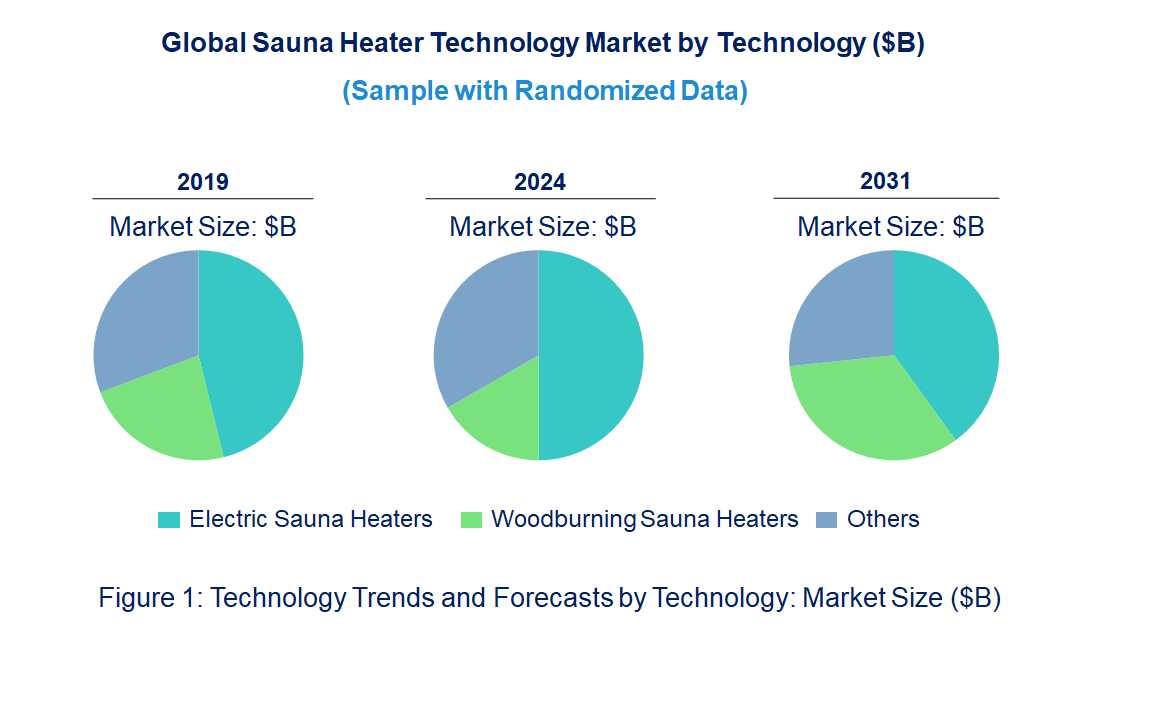
Emerging Trends in the Sauna Heater Market
The sauna heater market is undergoing a transformation, driven by innovation and changing consumer preferences. These shifts reflect broader trends in sustainability, energy efficiency, and ease of use. Here are the key emerging trends:• Rise of Smart Saunas: Integration of IoT technology allows users to control sauna temperature and settings remotely via apps, enhancing convenience and personalized experience.
• Sustainability and Energy Efficiency: The environmental impact and the growing availability of renewable energy sources are driving energy-efficient electric sauna heaters.
• Demand for Compact Designs: Compact, space-efficient sauna heaters are gaining popularity. They cater to urban residents who want home saunas but have limited space.
• Hybrid Heaters: The hybrid sauna heaters, which use a combination of wood-burning and electric technology, are in high demand due to their flexibility, convenience, and traditional sauna experience.
• Health and Wellness Emphasis: As consumers emphasize wellness, sauna heaters that enhance relaxation, detoxification, and overall health benefits are in huge demand and thus drive the innovation for temperature control and material selection. These trends together represent the shift toward smarter, greener, and more efficient sauna heater solutions. They are helping to reshape the market with modern consumer expectations and confluence with global sustainability targets.
Sauna Heater Market : Industry Potential, Technological Development, and Compliance Considerations
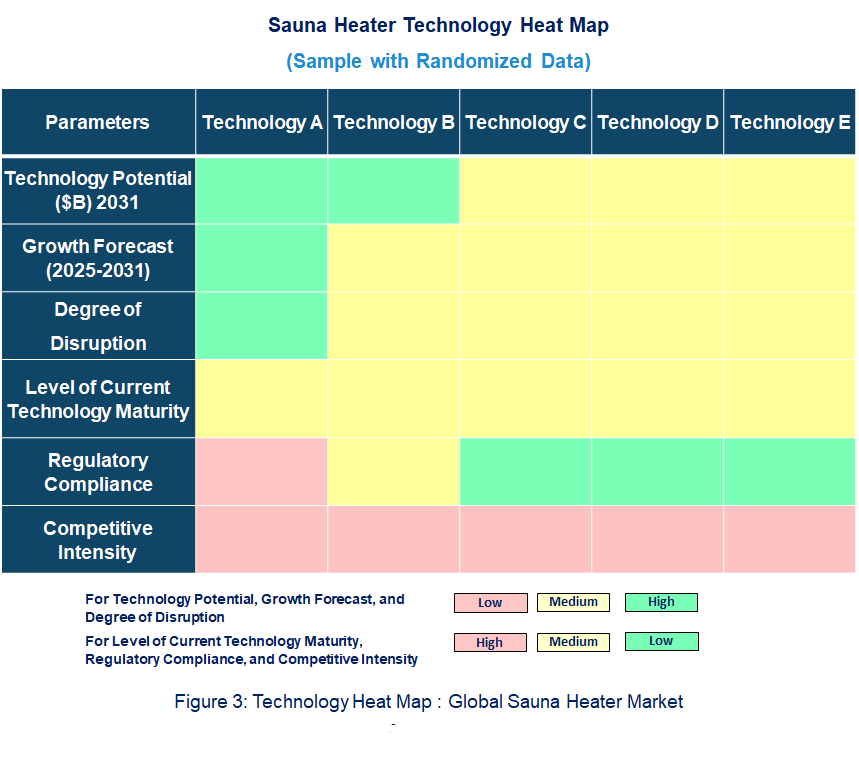
The sauna heater market is changing, with the incorporation of more advanced technologies to enhance efficiency, user experience, and energy consumption. Some of the major innovations include smart sauna heaters that integrate IoT, energy-efficient heating elements, and solar-powered heaters as sustainable sources of energy.• Technology Potential: There is a huge growth potential in the sauna heater market that comes from consumer demand for more intelligent, energy-efficient systems. IoT-enabled heaters are promising to offer features like remote control via smartphones, scheduling, and energy monitoring. Also, sustainable sources of energy are gaining popularity to ensure green and eco-friendly options.
• Degree of Disruption: The disruption in the market is moderate but rising because traditional sauna heaters are being replaced by smarter, more energy-efficient alternatives. It is driven by the need for better user experiences and sustainability.
• Current level of technology maturity: Currently, sauna heaters are at a mid-level maturity. While the most advanced smart sauna heaters have arrived, mainstream adoption is in progress. Traditional electric and wood-burning sauna heaters account for the majority, but innovation is picking up momentum.
• Regulatory Compliance: There are some safety and environmental regulations for sauna heaters, primarily in energy efficiency and standards of emissions. Compliance with international standards, such as European Union CE certification, can ensure that the operation will be safe and environmentally sound in the market.
Recent Technological development in Sauna Heater Market by Key Players
In the dynamic environment of the sauna heater market, key players are acting on consumer demand for better efficiency, sustainability, and convenience. These trends reflect the innovation that companies are resorting to to gain a competitive edge:• Helo Ltd: Helo Ltd just introduced a new series of smart electric sauna heaters. One of the most exciting new features is the ability for the user to control this from a mobile app.
• Tylo: Tylo's latest development was advanced touch-screen controls for their sauna heaters, including an intuitive interface and personalization. This is a critical trend because it responds to the increasing demand for more high-tech, personalized sauna experiences.
• Polar Sauna: Polar Sauna has changed to using environmentally friendly materials in their products, like sustainable wood and energy-efficient electric heaters. This can be seen as part of the broader market push towards environmentally conscious products.
• Almost Heaven Saunas: Almost Heaven Saunas has diversified its hybrid sauna heaters. The company is now offering electric elements coupled with the traditional wood-burning method. This development benefits both traditional sauna enthusiasts and users looking for modern, easy solutions.
• KLAFS: KLAFS has also developed new hybrid sauna solutions that can be both electric and wood-burning saunas. This allows consumers to have the flexibility to adapt sauna technology to their desired preferences, which is something that most consumers look for in product lines.
• EOS Saunatechnik: EOS launched smart sauna heaters with Wi-Fi capabilities. Users can easily monitor and control temperature, time, and lighting via the Internet of Things. This ties into the demand for smarter and more connected products in the wellness industry.
• Saunacore: Saunacore has been working on reducing the environmental impact of its sauna heaters by using energy-efficient technologies and providing heaters made from sustainable materials. This places them as an eco-friendly choice for conscious consumers.
• Vico: Vico Sauna has released new models with advanced heating elements, designed for faster heating times and greater energy efficiency, to meet the demand in the market for quick and efficient sauna experiences.
• ALEKO: ALEKO has focused on electric sauna heaters at an affordable quality. Its latest developments have been in compact, energy-efficient home-use models due to increased demand for space-saving solutions.
• Heaters4Saunas: Heaters4Saunas is diversifying its line of sauna heaters into ones that conserve energy and are long-lasting, in step with a growing trend toward more durable, cost-effective, and energy-efficient solutions. In conclusion, these developments reflect how key players are responding to the evolving market demands for smarter, more efficient, and sustainable sauna heating solutions. The increase in the integration of smart technology, eco-conscious materials, and hybrid heating solutions plays a pivotal role in altering the competitive landscape.
Sauna Heater Market Driver and Challenges
The sauna heater market is growing due to several key drivers, but challenges remain as companies strive to innovate and meet evolving consumer demands. Below are the key drivers and challenges: The factors responsible for driving the sauna heater market include:• The consumer shift toward wellness and health is an important factor in the market for saunas, driving up demand as consumers seek relaxing and detoxifying experiences. This is expanding the advanced sauna heater market, one that provides improved user experience and health benefits. Technological advancements such as smart sauna heaters that incorporate IoT integration or can be controlled via an app have made saunas much more convenient and even more customized. Modern consumers look for convenience and efficiency when it comes to energy.
• Environmental Concerns: Growing concerns about climate change and increasing demand for green products make energy-efficient and eco-friendly sauna heaters, particularly electric, which emit less compared to wood-burning units, highly in demand.
• Urbanization and Space-Saving Designs: As people are shifting to urban areas where space is limited, compact and space-saving sauna heaters are gaining popularity. This is forcing manufacturers to develop smaller yet high-performance sauna heaters for domestic use. Challenges in the sauna heater market are:
• High Initial Cost: Advanced sauna heaters, especially electric and hybrid models, can be cost-prohibitive for a few consumers. Though saving energy might offset the cost of the initial investment, high initial cost is a hurdle.
• Energy Consumption of Traditional Models: Despite the growth in energy-efficient solutions, traditional wood-burning sauna heaters remain predominant in some regions. Higher energy consumption and increased environmental impact pose challenges for adopting more sustainable alternatives.
• Competition from Alternative Wellness Products: Sauna heaters do face competition from other wellness products, which include infrared saunas, hot tubs, and wellness devices in terms of relaxation and wellness benefits that may be offered compared to the traditional sauna heaters; this has an effect on the market growth. In summary, the sauna heater market enjoys strong drivers such as technological innovation and increasing health consciousness, but challenges such as high costs and competition from alternative products continue to shape the market landscape. However, the ongoing trend toward energy-efficient and connected products is likely to sustain market growth in the long term.
List of Sauna Heater Companies
Companies in the market compete based on product quality offered. Major players in this market focus on expanding their manufacturing facilities, R&D investments, infrastructural development, and leverage integration opportunities across the value chain. With these strategies, sauna heater companies cater to increasing demand, ensure competitive effectiveness, develop innovative products & technologies, reduce production costs, and expand their customer base. Some of the sauna heater companies profiled in this report include.• Helo Ltd
• Tylo
• Polar Sauna
• Almost Heaven Saunas
• KLAFS
• EOS Saunatechnik
Sauna Heater Market by Technology
• Technology Readiness by Technology Type for Sauna Heater Market: Electric sauna heaters are highly advanced, with widespread adoption due to features like smart integration and energy efficiency. Wood-burning heaters are reliable but face environmental constraints, though cleaner combustion technologies improve their readiness. Infrared heaters are also ready for use, gaining popularity for their energy efficiency and health benefits. Emerging hybrid systems show promise but are less developed. Overall, electric heaters lead in technology readiness, offering innovation, regulatory compliance, and broad market adoption across various applications.
• Competitive Intensity and Regulatory Compliance of Different Technologies for the sauna heater market: Electric sauna heaters face intense competition, with many manufacturers offering advanced features like smart controls. They have fewer regulatory hurdles, making them more attractive in regions with strict air quality standards. Wood-burning heaters have less competition but are limited by environmental regulations, especially in urban settings. The growing focus on emissions makes compliance more challenging. Infrared heaters, with fewer regulations, offer a smooth market entry but face competition from both electric and wood-burning technologies. Electric heaters lead in competitiveness and regulatory compliance.
• Disruption Potential of Different Technologies for Sauna Heater Market: Electric sauna heaters are highly disruptive due to their efficiency, eco-friendliness, and smart features, offering precise control and easy integration into modern homes. Wood-burning heaters, while traditional, face challenges with emissions and sustainability, limiting their appeal in urban areas. Innovations in cleaner wood-burning technology could alleviate these issues. Infrared heaters disrupt the market by providing quick heat-up times and energy savings, although they lack the traditional sauna experience. Overall, electric heaters show the most disruption potential, driven by environmental concerns and convenience.
Sauna Heater Market Trend and Forecast by Technology [Value from 2019 to 2031]:
• Electric Sauna Heaters
• Woodburning Sauna Heaters
• Others
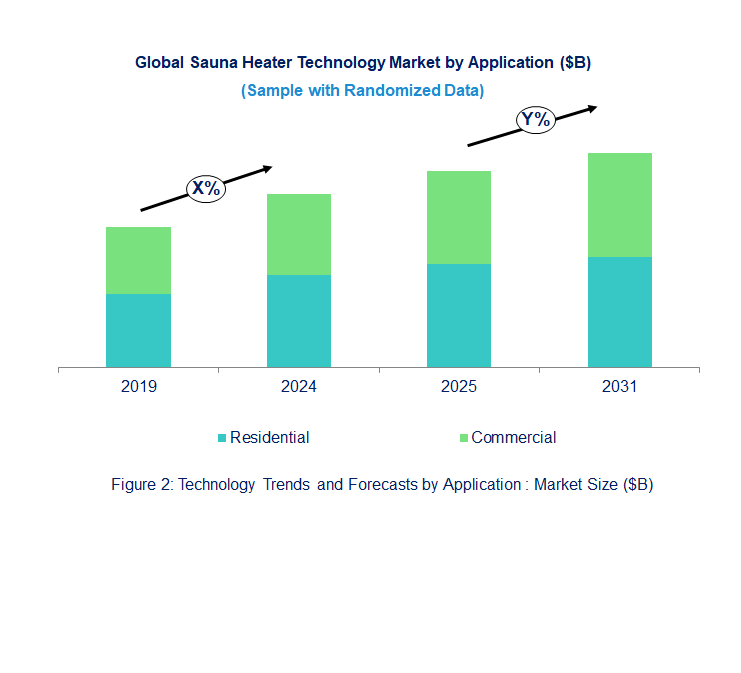
Sauna Heater Market Trend and Forecast by Application [Value from 2019 to 2031]:
• Residential
• Commercial
Sauna Heater Market by Region [Value from 2019 to 2031]:
• North America
• Europe
• Asia Pacific
• The Rest of the World
• Latest Developments and Innovations in the Sauna Heater Technologies
• Companies / Ecosystems
• Strategic Opportunities by Technology Type
Features of the Global Sauna Heater Market
Market Size Estimates: Sauna heater market size estimation in terms of ($B). Trend and Forecast Analysis: Market trends (2019 to 2024) and forecast (2025 to 2031) by various segments and regions. Segmentation Analysis: Technology trends in the global sauna heater market size by various segments, such as application and technology in terms of value and volume shipments. Regional Analysis: Technology trends in the global sauna heater market breakdown by North America, Europe, Asia Pacific, and the Rest of the World. Growth Opportunities: Analysis of growth opportunities in different applications, technologies, and regions for technology trends in the global sauna heater market. Strategic Analysis: This includes M&A, new product development, and competitive landscape for technology trends in the global sauna heater market. Analysis of competitive intensity of the industry based on Porter’s Five Forces model.Table of Contents
Methodology
- In-depth interviews of the major players in this market
- Detailed secondary research from competitors’ financial statements and published data
- Extensive searches of published works, market, and database information pertaining to industry news, company press releases, and customer intentions
- A compilation of the experiences, judgments, and insights of Lucintel’s professionals, who have analyzed and tracked this market over the years.


Buy Now
Choose a license that fits your team. Instant PDF delivery.
Prices exclude taxes. Instant delivery. Custom licensing available on request.
Key Questions
- • What are some of the most promising potential, high-growth opportunities for the technology trends in the global sauna heater market by technology (electric sauna heaters, woodburning sauna heaters, and others), application (residential and commercial), and region (North America, Europe, Asia Pacific, and the Rest of the World)?
- • Which technology segments will grow at a faster pace and why?
- • Which regions will grow at a faster pace and why?
- • What are the key factors affecting dynamics of different technology? What are the drivers and challenges of these technologies in the global sauna heater market?
- • What are the business risks and threats to the technology trends in the global sauna heater market?
- • What are the emerging trends in these material technologies in the global sauna heater market and the reasons behind them?
- • Which technologies have potential of disruption in this market?
- • What are the new developments in the technology trends in the global sauna heater market? Which companies are leading these developments?
- • Who are the major players in technology trends in the global sauna heater market? What strategic initiatives are being implemented by key players for business growth?
- • What are strategic growth opportunities in this sauna heater technology space?
- • What M & A activities did take place in the last five years in technology trends in the global sauna heater market?


