
Report Feature
Hydrolyzed Vegetable Protein Trends and Forecast
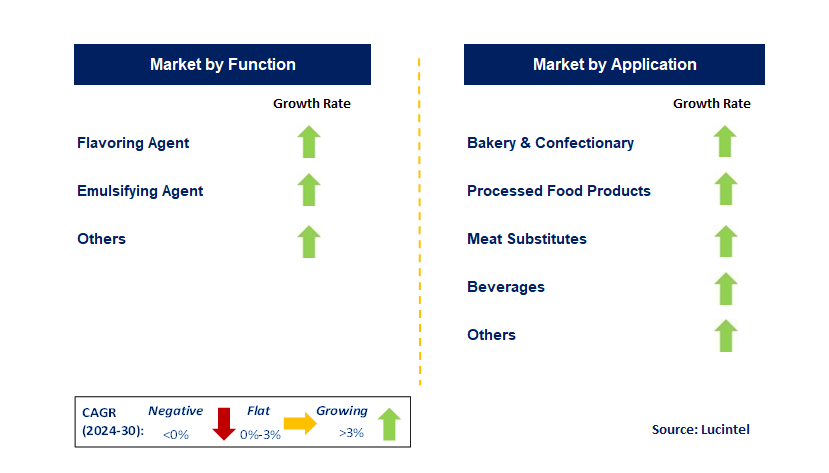
The future of the global hydrolyzed vegetable protein market looks promising with opportunities in the bakery & confectionary, processed food product, meat substitute, and beverage markets. The global hydrolyzed vegetable protein market is expected to reach an estimated $2.0 billion by 2030 with a CAGR of 6.8% from 2024 to 2030. The major drivers for this market are growing demand for processed & convenience foods and meat analogs, rising popularity of vegetarian and vegan diets, and rising awareness about the health benefits of plant-based proteins. Lucintel forecasts that flavoring agent will remain larger segment over the forecast period due to strong desire to produce more enticing and tasty goods. Within this market, processed food product will remain the largest segment due to expanding use of HVP in processed food goods. North America is expected to witness the highest growth over the forecast period due to substantial and well-established food and beverage sector, which generates a sizable demand for HVP as a functional component and taste enhancer. A more than 150-page report is developed to help in your business decisions.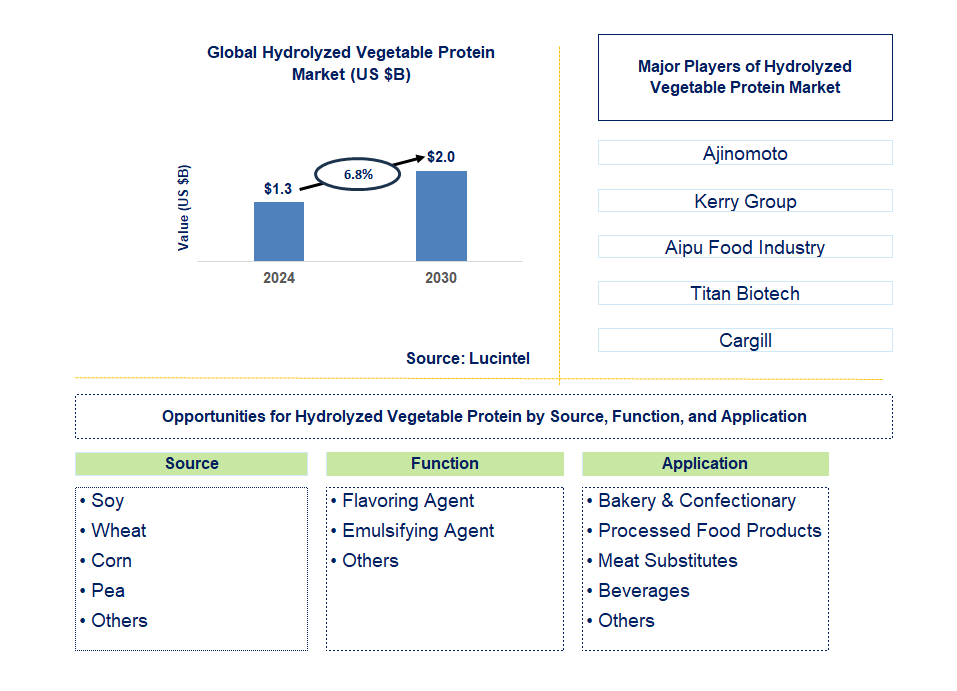
Emerging Trends in the Hydrolyzed Vegetable Protein Market
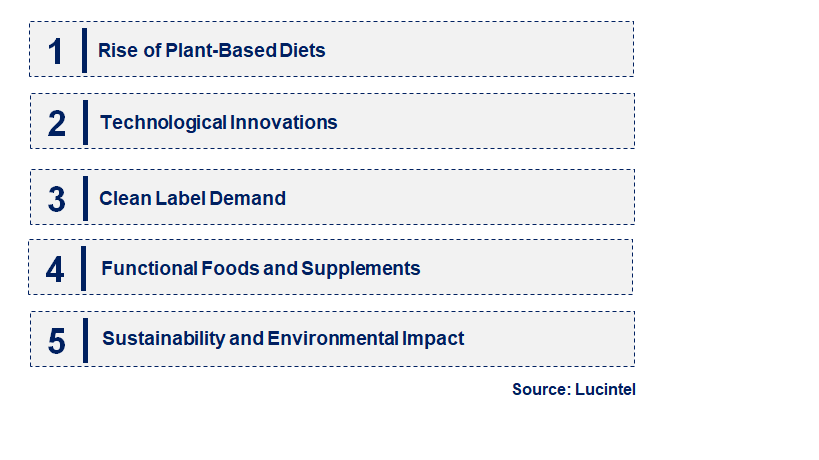
The hydrolyzed vegetable protein market is undergoing significant transformation as new trends emerge, influencing both production techniques and consumer preferences. These trends are driven by innovations in technology, shifts in dietary habits, and increasing demand for sustainable and health-conscious ingredients. Understanding these trends provides valuable insights into the future direction of the hydrolyzed vegetable protein market and its potential impact on global food systems.• Rise of Plant-Based Diets: The growing adoption of plant-based diets is significantly boosting the demand for hydrolyzed vegetable protein. Consumers are increasingly seeking plant-based protein sources due to health benefits and environmental concerns. This trend has led to higher incorporation of hydrolyzed vegetable protein in meat alternatives, dairy substitutes, and health foods. The shift aligns with broader dietary trends emphasizing sustainability and reducing animal product consumption.
• Technological Innovations: Advances in hydrolysis technology are enhancing the efficiency and quality of hydrolyzed vegetable protein production. New enzymatic processes and improved extraction methods are leading to better flavor profiles, functional properties, and cost-efficiency. These technological innovations are enabling manufacturers to produce hydrolyzed vegetable protein with superior attributes, making it more attractive for a wide range of applications.
• Clean Label Demand: There is a growing consumer preference for clean-label products, which has impacted the hydrolyzed vegetable protein market. Clean labels, which emphasize natural ingredients and transparency, are becoming a key factor in product development. hydrolyzed vegetable protein fits well within this trend due to its plant-based origin and minimal processing, making it a popular choice for health-conscious consumers seeking transparency in food labeling.
• Functional Foods and Supplements: The rising interest in functional foods and dietary supplements is driving the use of hydrolyzed vegetable protein in these categories. hydrolyzed vegetable protein’s ability to enhance protein content and provide essential amino acids makes it a valuable ingredient in health supplements and fortified foods. This trend is supported by increased consumer focus on health and wellness, leading to a greater market for functional hydrolyzed vegetable protein products.
• Sustainability and Environmental Impact: Sustainability is a critical trend influencing the hydrolyzed vegetable protein market. Consumers and manufacturers are increasingly concerned about the environmental impact of food production. hydrolyzed vegetable protein, derived from plant sources, is seen as a more sustainable alternative to animal-based proteins. This trend is driving investment in sustainable production practices and eco-friendly packaging, aligning with global efforts to reduce environmental footprints. These emerging trends are reshaping the hydrolyzed vegetable protein market by driving innovations, influencing consumer preferences, and encouraging sustainable practices. The rise of plant-based diets, technological advancements, clean-label demands, functional food applications, and a focus on sustainability are all contributing to the growth and evolution of the hydrolyzed vegetable protein market, creating new opportunities and challenges for industry players.
Recent Developments in the Hydrolyzed Vegetable Protein Market
The hydrolyzed vegetable protein market is experiencing dynamic changes as new developments reshape its landscape. These changes are driven by technological innovations, evolving consumer demands, and regulatory updates. Understanding these developments provides insight into how the hydrolyzed vegetable protein market is adapting to current and future trends.• Advanced Hydrolysis Technologies: Recent advancements in hydrolysis technologies are improving the efficiency and quality of hydrolyzed vegetable protein production. Innovations in enzyme technologies and extraction methods are leading to better flavor profiles and functional properties of hydrolyzed vegetable protein. These improvements are enhancing the appeal of hydrolyzed vegetable protein for use in a variety of food applications, from savory products to meat alternatives.
• Increased Demand for Clean Label Products: The demand for clean label products is driving growth in the hydrolyzed vegetable protein market. Consumers are increasingly seeking products with natural ingredients and transparent labeling. hydrolyzed vegetable protein, with its plant-based origin and minimal processing, aligns well with this trend, making it a popular choice for manufacturers aiming to meet clean label standards and consumer expectations.
• Expansion of Plant-Based Food Categories: The expansion of plant-based food categories is significantly impacting the hydrolyzed vegetable protein market. As plant-based diets gain popularity, hydrolyzed vegetable protein is being incorporated into a wider range of products, including meat substitutes, dairy alternatives, and snacks. This expansion reflects the growing consumer preference for plant-based options and the versatility of hydrolyzed vegetable protein in meeting diverse dietary needs.
• Focus on Sustainability: Sustainability has become a key focus in the hydrolyzed vegetable protein market, with efforts to reduce environmental impact and enhance resource efficiency. Companies are investing in sustainable production practices and eco-friendly packaging solutions. This shift aligns with broader environmental goals and responds to consumer demand for products that contribute to a more sustainable food system.
• Regulatory Updates and Standards: Recent regulatory updates and standards are influencing the hydrolyzed vegetable protein market by ensuring product safety and quality. New regulations are being introduced to address food safety, labeling, and production practices. These updates help standardize hydrolyzed vegetable protein production and provide assurance to consumers, supporting market growth and consumer confidence. These developments are shaping the Hydrolyzed Vegetable Protein market by driving technological advancements, aligning with consumer preferences, and responding to regulatory changes. As the market continues to evolve, these factors will play a crucial role in defining the future of hydrolyzed vegetable protein and its role in the global food industry.
Strategic Growth Opportunities for Hydrolyzed Vegetable Protein Market
The hydrolyzed vegetable protein market is evolving rapidly with diverse applications across various sectors. Strategic growth opportunities exist in these applications, driven by changing consumer preferences, technological advancements, and industry trends. By focusing on key applications, stakeholders can leverage these opportunities to expand their market presence and cater to emerging demands. Understanding these growth areas will help identify where investments and innovations can yield substantial returns in the hydrolyzed vegetable protein market.• Plant-Based Meat Alternatives: The demand for plant-based meat alternatives is one of the most significant growth opportunities for hydrolyzed vegetable protein. As consumers shift towards vegetarian and vegan diets, manufacturers are incorporating hydrolyzed vegetable protein into meat substitutes to enhance texture and flavor. Hydrolyzed vegetable protein provides a savory profile that mimics the umami taste found in meat, making it ideal for use in burgers, sausages, and other meat alternatives. This trend aligns with increasing health consciousness and sustainability concerns, driving growth in this sector.
• Functional Foods and Beverages: In the functional foods and beverages segment, hydrolyzed vegetable protein offers nutritional benefits that are highly valued by health-conscious consumers. Its rich amino acid profile and digestibility make it a desirable ingredient in protein-enriched drinks, snack bars, and dietary supplements. The rise of wellness trends and the growing interest in personalized nutrition are creating opportunities for hydrolyzed vegetable protein to be used in products that support health and well-being, expanding its market presence.
• Savory Snacks: Hydrolyzed vegetable protein is gaining traction in the savory snacks sector due to its ability to enhance flavor and reduce sodium content. Snack manufacturers are incorporating hydrolyzed vegetable protein to achieve a savory taste while meeting consumer demand for healthier options. The use of hydrolyzed vegetable protein in chips, popcorn, and other snacks allows for a reduction in artificial flavoring and a boost in protein content, appealing to both taste and health-conscious consumers.
• Soups and Sauces: The soups and sauces application presents a significant opportunity for hydrolyzed vegetable protein due to its flavor-enhancing properties. hydrolyzed vegetable protein can improve the taste profile of soups, broths, and sauces, making them more appealing to consumers. Its ability to provide a rich, umami flavor without additional salt aligns with the trend towards lower sodium and more natural ingredients in processed foods. This application supports market growth by catering to the demand for more wholesome and flavorful food options.
• Animal Feed: In the animal feed industry, hydrolyzed vegetable protein is emerging as a valuable ingredient due to its high protein content and digestibility. As the demand for high-quality feed grows, especially in the aquaculture and livestock sectors, hydrolyzed vegetable protein offers a sustainable and efficient alternative to traditional feed components. Its use in animal nutrition supports the growth of healthier livestock and aquaculture products, creating an expanding market for hydrolyzed vegetable protein in this sector. These strategic growth opportunities are shaping the future of the hydrolyzed vegetable protein market by diversifying its applications and meeting evolving consumer needs. The expansion into plant-based meat alternatives, functional foods, savory snacks, soups and sauces, and animal feed reflects the versatility of hydrolyzed vegetable protein and its potential for substantial market growth. Leveraging these opportunities will be crucial for stakeholders aiming to capitalize on emerging trends and drive the hydrolyzed vegetable protein market forward.
Hydrolyzed Vegetable Protein Market Driver and Challenges
The hydrolyzed vegetable protein market is shaped by various technological, economic, and regulatory drivers and challenges. These factors collectively influence market dynamics, affecting production, demand, and growth prospects. Analyzing these elements provides insight into the current landscape and helps stakeholders strategize effectively to leverage opportunities and address challenges. The factors responsible for driving the hydrolyzed vegetable protein market include: 1. Rising Demand for Plant-Based Proteins: The growing consumer preference for plant-based diets is a significant driver for the hydrolyzed vegetable protein market. With increasing awareness of health benefits and environmental concerns related to animal-based proteins, there is a surge in demand for plant-based alternatives. hydrolyzed vegetable protein, being a versatile and functional ingredient, aligns well with this trend, driving its adoption in various food products and beverages. 2. Technological Advancements: Innovations in hydrolysis technology are enhancing the production efficiency and quality of hydrolyzed vegetable protein. Advances in enzyme technologies and extraction processes are leading to better flavor profiles, improved functional properties, and reduced production costs. These technological improvements make hydrolyzed vegetable protein more attractive to manufacturers, driving market growth and expanding its applications. 3. Health and Wellness Trends: The increasing focus on health and wellness is driving demand for hydrolyzed vegetable protein, which offers nutritional benefits such as high protein content and essential amino acids. The rise of functional foods and dietary supplements that emphasize protein enrichment and nutritional value supports the growth of the hydrolyzed vegetable protein market, as consumers seek healthier and more nutritious food options. 4. Sustainability and Environmental Concerns: Sustainability is becoming a key consideration in food production, with consumers and companies focusing on reducing environmental impact. hydrolyzed vegetable protein, derived from plant sources, is viewed as a more sustainable alternative to animal-based proteins. This trend towards eco-friendly practices is driving the adoption of hydrolyzed vegetable protein as part of broader sustainability initiatives in the food industry. 5. Regulatory Support for Plant-Based Ingredients: Favorable regulatory environments and support for plant-based ingredients are contributing to the growth of the hydrolyzed vegetable protein market. Regulations that promote transparency, food safety, and labeling standards help build consumer trust and encourage the use of plant-based proteins like hydrolyzed vegetable protein. This supportive regulatory framework fosters market growth and innovation. Challenges in the hydrolyzed vegetable protein market are: 1. Price Volatility of Raw Materials: The price volatility of raw materials used in hydrolyzed vegetable protein production can pose a challenge. Fluctuations in the cost of plant sources and other inputs can impact production costs and pricing stability. Managing these cost variables is crucial for manufacturers to maintain competitive pricing and profitability in the market. 2. Consumer Perceptions and Awareness: Despite growing interest in plant-based proteins, there may still be consumer skepticism regarding the taste and nutritional benefits of hydrolyzed vegetable protein. Overcoming negative perceptions and educating consumers about the advantages of hydrolyzed vegetable protein is essential for driving acceptance and increasing market penetration. 3. Regulatory Compliance and Standards: Navigating complex regulatory requirements and ensuring compliance with food safety and labeling standards can be challenging for hydrolyzed vegetable protein producers. Adhering to varying regulations across different regions requires significant resources and can impact market entry and expansion. Ensuring consistent quality and regulatory adherence is critical for maintaining market position. The hydrolyzed vegetable protein market is influenced by several key drivers, including rising demand for plant-based proteins, technological advancements, health and wellness trends, sustainability concerns, and regulatory support. However, challenges such as raw material price volatility, consumer perceptions, and regulatory compliance also impact the market. Addressing these drivers and challenges is crucial for stakeholders to leverage growth opportunities and navigate the evolving market landscape effectively.List of Hydrolyzed Vegetable Protein Companies
Companies in the market compete on the basis of product quality offered. Major players in this market focus on expanding their manufacturing facilities, R&D investments, infrastructural development, and leverage integration opportunities across the value chain. through these strategies hydrolyzed vegetable protein companies cater increasing demand, ensure competitive effectiveness, develop innovative products & technologies, reduce production costs, and expand their customer base. Some of the hydrolyzed vegetable protein companies profiled in this report include-• Ajinomoto
• Kerry Group
• Aipu Food Industry
• Titan Biotech
• Cargill
• Roquette Frères
• DSM
• Tate & Lyle
• ADM
• Griffith Foods
Hydrolyzed Vegetable Protein by Segment
The study includes a forecast for the global hydrolyzed vegetable protein by source, function, application, and region.Hydrolyzed Vegetable Protein Market by Source [Analysis by Value from 2018 to 2030]:
• Soy
• Wheat
• Corn
• Pea
• Others
Hydrolyzed Vegetable Protein Market by Function [Analysis by Value from 2018 to 2030]:
• Flavoring Agent
• Emulsifying Agent
• Others
Hydrolyzed Vegetable Protein Market by Application [Analysis by Value from 2018 to 2030]:
• Bakery & Confectionary
• Processed Food Products
• Meat Substitutes
• Beverages
• Others
Hydrolyzed Vegetable Protein Market by Region [Analysis by Value from 2018 to 2030]:
• North America
• Europe
• Asia Pacific
• The Rest of the World
Country Wise Outlook for the Hydrolyzed Vegetable Protein Market
The hydrolyzed vegetable protein has seen notable advancements across major markets, reflecting the growing demand for plant-based protein sources. These developments are driven by shifts in consumer preferences, technological innovations, and regulatory changes. Key markets including the United States, China, Germany, India, and Japan are witnessing significant changes that impact production, application, and market dynamics. The following summaries outline recent progress and transformations within these regions, providing insights into how the hydrolyzed vegetable protein market is evolving on a global scale.• United States: In the United States, the hydrolyzed vegetable protein market has experienced robust growth due to increasing consumer demand for plant-based diets and clean-label products. Innovations in extraction and hydrolysis technology have improved the quality and functionality of hydrolyzed vegetable protein, making it a preferred ingredient in processed foods and beverages. Regulatory support for plant-based proteins and growing awareness about health benefits are also driving market expansion. Major food manufacturers are incorporating hydrolyzed vegetable protein into a variety of products, from meat alternatives to savory snacks, reflecting the shift towards healthier and more sustainable ingredients.
• China: China hydrolyzed vegetable protein market is expanding rapidly, fueled by rising health consciousness and the demand for protein-rich foods. The government’s push for modernizing agriculture and enhancing food safety standards has bolstered hydrolyzed vegetable protein production. Local companies are investing in advanced hydrolysis technologies to improve product quality and reduce costs. Additionally, the growing trend of plant-based diets among urban consumers is increasing the application of hydrolyzed vegetable protein in various food products. This shift aligns with broader trends towards healthier eating and reduced meat consumption in China.
• Germany: Germany is witnessing a surge in hydrolyzed vegetable protein usage driven by its strong focus on sustainability and clean-label products. German consumers are increasingly seeking out plant-based alternatives, prompting food manufacturers to adopt hydrolyzed vegetable protein as a versatile ingredient. Innovations in enzyme technology and hydrolysis processes are enhancing the functionality of hydrolyzed vegetable protein in diverse applications, from meat substitutes to soups and sauces. Germany rigorous regulatory environment ensures high standards for hydrolyzed vegetable protein production, which supports consumer confidence and market growth. The emphasis on eco-friendly practices and transparency is shaping the future of the hydrolyzed vegetable protein market in Germany.
• India: India hydrolyzed vegetable protein market is on the rise as demand for plant-based proteins grows in response to dietary preferences and health trends. Local food manufacturers are leveraging hydrolyzed vegetable protein to enhance the nutritional profile of traditional foods and snacks. Investments in research and development are driving technological advancements in hydrolyzed vegetable protein production, improving yield and quality. The Indian government’s support for agriculture and food processing sectors is also contributing to market growth. Increasing urbanization and changing dietary habits are key factors driving the adoption of hydrolyzed vegetable protein in India.
• Japan: In Japan, the hydrolyzed vegetable protein market is evolving with a focus on innovation and quality. The Japanese food industry is incorporating hydrolyzed vegetable protein into a range of products, including instant noodles and seasonings, to meet the demand for high-quality, plant-based ingredients. Advances in hydrolysis technology are improving the sensory attributes and functionality of hydrolyzed vegetable protein, aligning with Japan preference for umami-rich flavors. Regulatory frameworks in Japan support the safe and efficient production of hydrolyzed vegetable protein, fostering market growth. The emphasis on health and wellness is driving the use of hydrolyzed vegetable protein in functional foods and dietary supplements.

Features of the Global Hydrolyzed Vegetable Protein Market
Market Size Estimates: Hydrolyzed vegetable protein market size estimation in terms of value ($B). Trend and Forecast Analysis: Market trends (2018 to 2023) and forecast (2024 to 2030) by various segments and regions. Segmentation Analysis: Hydrolyzed vegetable protein market size by source, function, application, and region in terms of value ($B). Regional Analysis: Hydrolyzed vegetable protein market breakdown by North America, Europe, Asia Pacific, and Rest of the World. Growth Opportunities: Analysis of growth opportunities in different source, function, application, and regions for the hydrolyzed vegetable protein market. Strategic Analysis: This includes M&A, new product development, and competitive landscape of the hydrolyzed vegetable protein market. Analysis of competitive intensity of the industry based on Porter’s Five Forces model.If you are looking to expand your business in this market or adjacent markets, then contact us. We have done hundreds of strategic consulting projects in market entry, opportunity screening, due diligence, supply chain analysis, M & A, and more.

FAQ
Q1. What is the hydrolyzed vegetable protein market size? Answer: The global hydrolyzed vegetable protein market is expected to reach an estimated $2.0 billion by 2030. Q2. What is the growth forecast for hydrolyzed vegetable protein market? Answer: The global hydrolyzed vegetable protein market is expected to grow with a CAGR of 6.8% from 2024 to 2030. Q3. What are the major drivers influencing the growth of the hydrolyzed vegetable protein market? Answer: The major drivers for this market are growing demand for processed & convenience foods and meat analogs, rising popularity of vegetarian and vegan diets, and rising awareness about the health benefits of plant-based proteins. Q4. What are the major segments for hydrolyzed vegetable protein market? Answer: The future of the global hydrolyzed vegetable protein market looks promising with opportunities in the bakery & confectionary, processed food product, meat substitute, and beverage markets. Q5. Who are the key hydrolyzed vegetable protein market companies? Answer: Some of the key hydrolyzed vegetable protein companies are as follows:• Ajinomoto
• Kerry Group
• Aipu Food Industry
• Titan Biotech
• Cargill
• Roquette Frères
• DSM
• Tate & Lyle
• ADM
• Griffith Foods Q6. Which hydrolyzed vegetable protein market segment will be the largest in future? Answer: Lucintel forecasts that flavoring agent will remain larger segment over the forecast period due to strong desire to produce more enticing and tasty goods. Q7. In hydrolyzed vegetable protein market, which region is expected to be the largest in next 5 years? Answer: North America is expected to witness the highest growth over the forecast period due to substantial and well-established food and beverage sector, which generates a sizable demand for HVP as a functional component and taste enhancer. Q.8 Do we receive customization in this report? Answer: Yes, Lucintel provides 10% customization without any additional cost.
Table of Contents
Methodology
- In-depth interviews of the major players in this market
- Detailed secondary research from competitors’ financial statements and published data
- Extensive searches of published works, market, and database information pertaining to industry news, company press releases, and customer intentions
- A compilation of the experiences, judgments, and insights of Lucintel’s professionals, who have analyzed and tracked this market over the years.


Buy Now
Choose a license that fits your team. Instant PDF delivery.
Prices exclude taxes. Instant delivery. Custom licensing available on request.
Key Questions
- • What are some of the most promising, high-growth opportunities for the hydrolyzed vegetable protein market by source (soy, wheat, corn, pea, and others), function (flavoring agent, emulsifying agent, and others), application (bakery & confectionary, processed food products, meat substitutes, beverages, and others), and region (North America, Europe, Asia Pacific, and the Rest of the World)?
- • Which segments will grow at a faster pace and why?
- • Which region will grow at a faster pace and why?
- • What are the key factors affecting market dynamics? What are the key challenges and business risks in this market?
- • What are the business risks and competitive threats in this market?
- • What are the emerging trends in this market and the reasons behind them?
- • What are some of the changing demands of customers in the market?
- • What are the new developments in the market? Which companies are leading these developments?
- • Who are the major players in this market? What strategic initiatives are key players pursuing for business growth?
- • What are some of the competing products in this market and how big of a threat do they pose for loss of market share by material or product substitution?
- • What M&A activity has occurred in the last 5 years and what has its impact been on the industry? For any questions related to Hydrolyzed Vegetable Protein Market, Hydrolyzed Vegetable Protein Market Size, Hydrolyzed Vegetable Protein Market Growth, Hydrolyzed Vegetable Protein Market Analysis, Hydrolyzed Vegetable Protein Market Report, Hydrolyzed Vegetable Protein Market Share, Hydrolyzed Vegetable Protein Market Trends, Hydrolyzed Vegetable Protein Market Forecast, Hydrolyzed Vegetable Protein Companies, write Lucintel analyst at email: helpdesk@lucintel.com. We will be glad to get back to you soon.


