
Report Feature
Garden Cress Trends and Forecast
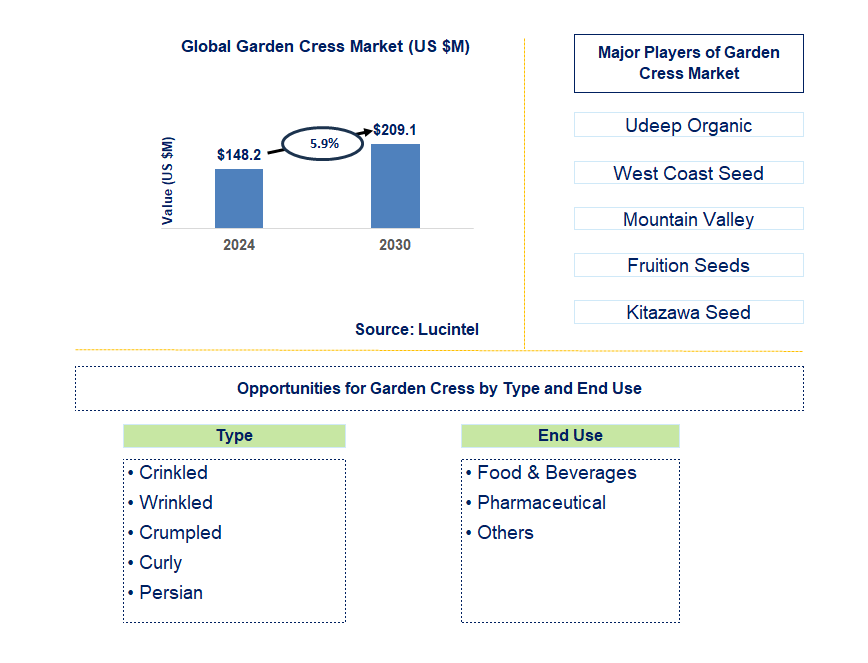
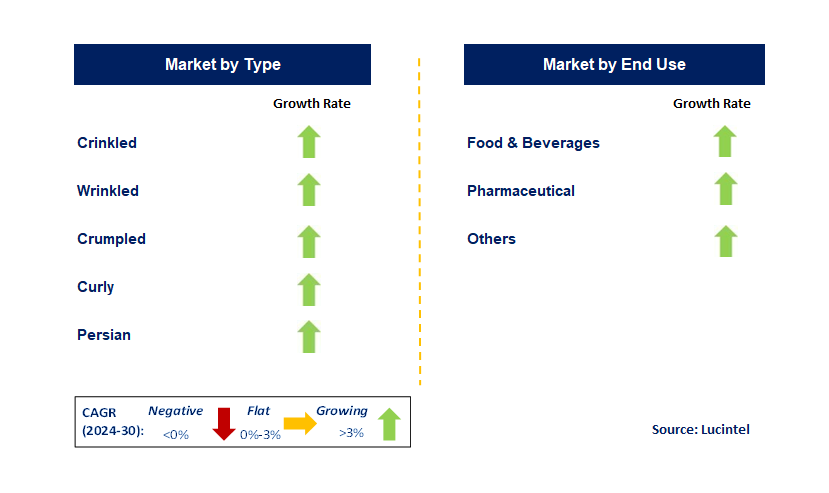
The future of the global garden cress market looks promising with opportunities in the food & beverage and pharmaceutical markets. The global garden cress market is expected to reach an estimated $209.1 million by 2030 with a CAGR of 5.9% from 2024 to 2030. The major drivers for this market are rising popularity of vertical farming, growing awareness of the environmental benefits of microgreens, and increasing demand for healthy and convenient food.• Lucintel forecasts that crinkled is expected to witness the highest growth over the forecast period.
• Within this market, food & beverage is expected to witness the higher growth.
• APAC is expected to witness the highest growth over the forecast period. A more than 150-page report is developed to help in your business decisions.
Emerging Trends in the Garden Cress Market
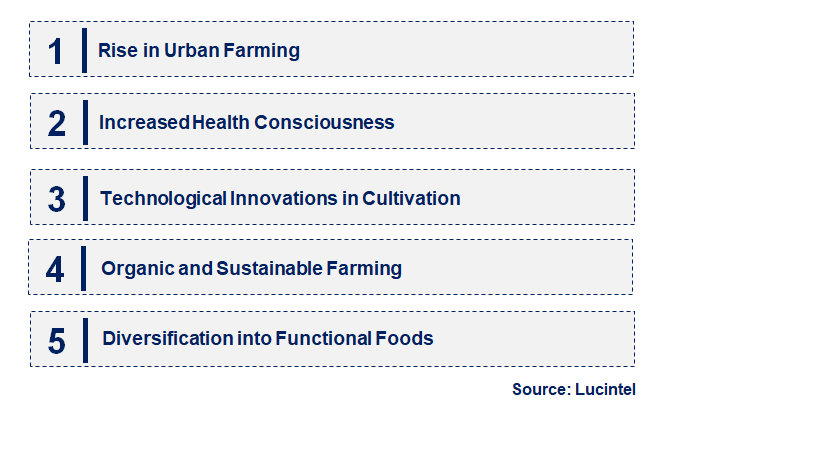
The garden cress market is evolving with new trends that reflect broader shifts in consumer behavior, agricultural practices, and health awareness. These emerging trends are reshaping how garden cress is produced, marketed, and consumed. These trends is crucial for stakeholders aiming to capitalize on the growing interest in this nutritious plant.• Rise in Urban Farming: Urban farming has become a significant trend, with garden cress being cultivated in city environments using hydroponics and vertical farming. This method offers a sustainable solution to food production, reduces transportation costs, and provides fresh produce directly to consumers. As urban areas become more densely populated, this trend is likely to grow, enhancing the accessibility and availability of garden cress.
• Increased Health Consciousness: There is a growing consumer focus on health and wellness, driving demand for nutrient-dense foods like garden cress. Rich in vitamins and minerals, garden cress is being promoted for its potential health benefits, including improved digestion and enhanced immunity. This trend is reflected in the rising number of health supplements and functional foods featuring garden cress as a key ingredient.
• Technological Innovations in Cultivation: Advancements in agricultural technology, such as improved hydroponic systems and genetic modifications, are revolutionizing garden cress cultivation. These innovations enhance yield, reduce resource use, and improve the nutritional profile of the crop. Technology is making it easier for producers to meet increasing demand and maintain high-quality standards, thus expanding garden cress’s market potential.
• Organic and Sustainable Farming: The demand for organic and sustainably farmed produce is driving growth in the garden cress market. Consumers are increasingly seeking products grown without synthetic pesticides or fertilizers. As a result, more garden cress is being cultivated using organic methods, which not only appeals to eco-conscious consumers but also aligns with global sustainability goals.
• Diversification into Functional Foods: Garden cress is increasingly being incorporated into a variety of functional foods and beverages. From smoothies to meal kits, its versatility is being leveraged to enhance the nutritional profile of different products. This trend reflects a broader movement towards integrating superfoods into everyday diets, positioning garden cress as a valuable addition to health-oriented food products. Emerging trends in the garden cress market, including rising health consciousness, sustainable agriculture practices, increased use in functional foods, innovation in product applications, and expansion into emerging markets, are shaping the future of this sector. These trends reflect a growing recognition of garden cress's nutritional benefits and versatility, driving market growth and innovation. By leveraging these trends, stakeholders can enhance their product offerings, meet evolving consumer demands, and capture new opportunities in the expanding garden cress market.
Recent Developments in the Garden Cress Market
The garden cress market is undergoing several key developments that are influencing its growth and positioning in various regions. These developments highlight advancements in production techniques, market trends, and consumer preferences. Understanding these changes is essential for stakeholders seeking to navigate the evolving landscape of garden cress.• Adoption of Hydroponic Cultivation: Hydroponic cultivation has gained traction for garden cress, particularly in urban areas. This method allows for year-round production in controlled environments, leading to higher yields and consistent quality. The rise of hydroponic farms is addressing the demand for fresh garden cress and reducing the environmental impact of traditional farming methods.
• Expansion of Health Food Products: Garden cress is increasingly featured in health food products, including supplements and fortified foods. Its high nutrient content is driving its incorporation into products aimed at health-conscious consumers. This expansion is boosting market demand and positioning garden cress as a key ingredient in the functional food sector.
• Government Support for Sustainable Agriculture: Governments in various countries are supporting sustainable agricultural practices, including those related to garden cress. Incentives for organic farming, research funding, and educational programs are fostering the growth of sustainable garden cress production. These initiatives are helping to improve environmental impact and enhance market appeal.
• Innovations in Genetic Engineering: Genetic engineering is being employed to develop garden cress varieties with improved traits, such as increased disease resistance and higher nutritional value. These innovations are enhancing the crop's market potential by improving its adaptability and health benefits. Such advancements are expected to play a significant role in meeting growing consumer demands.
• Growth of Local Production: Local production of garden cress is on the rise, driven by increasing consumer interest in fresh, locally sourced foods. This trend is supported by the development of urban farms and community gardening initiatives. The growth of local production is helping to meet demand and reduce the carbon footprint associated with food transportation. The garden cress market is experiencing dynamic changes influenced by technological innovations, consumer trends, and evolving agricultural practices. Key developments such as the adoption of hydroponic cultivation, expansion into health food products, and government support for sustainable practices are shaping the market. These changes are driving increased production, improving product quality, and enhancing market accessibility, positioning garden cress as a valuable and versatile crop in the global food industry.
Strategic Growth Opportunities for Garden Cress Market
The garden cress market is poised for significant growth due to its versatility and increasing consumer demand for nutritious foods. As the market evolves, various applications present unique opportunities for expansion. These growth opportunities span across health foods, supplements, culinary uses, agricultural innovation, and sustainability initiatives. By capitalizing on these applications, businesses can tap into emerging trends and meet the diverse needs of consumers while fostering industry advancement.• Health Food Products: Garden cress is gaining traction as an ingredient in health food products due to its rich nutritional profile. Incorporating garden cress into health bars, smoothies, and fortified snacks can meet the rising demand for functional foods. This application not only appeals to health-conscious consumers but also leverages garden cress's antioxidant and vitamin content, enhancing product differentiation in the competitive health food market.
• Nutritional Supplements: The expanding market for dietary supplements presents a significant opportunity for garden cress. Its high levels of vitamins, minerals, and bioactive compounds make it an attractive ingredient for capsules, powders, and tinctures aimed at boosting immunity and overall health. By developing supplements that highlight garden cress’s health benefits, companies can tap into the growing wellness trend and address consumer preferences for natural health solutions.
• Culinary Innovations: Garden cress is increasingly being incorporated into culinary creations, from gourmet dishes to everyday meals. Its peppery flavor and nutritional benefits make it a versatile ingredient in salads, soups, and sandwiches. By promoting garden cress as a key ingredient in new and innovative recipes, culinary brands can cater to health-conscious consumers while offering unique culinary experiences, enhancing market appeal.
• Urban and Vertical Farming: Urban and vertical farming are emerging as crucial growth areas for garden cress cultivation. These methods allow for efficient, year-round production in city environments, meeting the demand for locally grown, fresh produce. Investing in urban farming technologies and systems can help producers reduce transportation costs, minimize environmental impact, and provide consumers with high-quality garden cress directly from their communities.
• Sustainable and Organic Farming: The push towards sustainability and organic agriculture offers growth opportunities for garden cress. With increasing consumer preference for eco-friendly and organic products, cultivating garden cress using sustainable practices can enhance its market appeal. Emphasizing organic certification and environmentally responsible farming methods can attract eco-conscious consumers and align with global sustainability goals, driving market expansion. The strategic growth opportunities in the garden cress market span multiple applications, each offering unique potential for expansion. By focusing on health food products, nutritional supplements, culinary innovations, urban farming, and sustainable practices, businesses can tap into emerging trends and address growing consumer demands. These opportunities are shaping the future of the garden cress market, enhancing its appeal and positioning it for sustained growth.
Garden Cress Market Driver and Challenges
The garden cress market is influenced by various technological, economic, and regulatory factors that drive growth and present challenges. Understanding these drivers and challenges is essential for stakeholders to navigate the market effectively and capitalize on opportunities while mitigating potential obstacles. An analysis of the key drivers and challenges shaping the garden cress market. The factors responsible for driving the garden cress market include: 1. Increasing Health Consciousness: Growing health consciousness among consumers is a significant driver of the garden cress market. As individuals seek out nutrient-rich foods to improve their overall health, garden cress, known for its high vitamin and mineral content, is gaining popularity. This trend is boosting demand for garden cress in health foods, supplements, and culinary applications, driving market growth and expanding its consumer base. 2. Technological Advancements in Cultivation: Technological advancements in cultivation, such as hydroponics and vertical farming, are enhancing garden cress production. These innovations allow for more efficient, high-yield farming in controlled environments, addressing supply chain challenges and meeting increasing demand. By improving production efficiency and reducing resource use, these technologies are facilitating market expansion and making garden cress more accessible. 3. Growing Organic and Sustainable Agriculture: The shift towards organic and sustainable agriculture is a key driver for the garden cress market. Consumers are increasingly prioritizing eco-friendly and organically produced foods, which is boosting demand for garden cress cultivated using sustainable practices. This trend is encouraging growers to adopt organic methods, thus expanding the market and appealing to environmentally conscious consumers. 4. Urbanization and Local Farming Initiatives: Urbanization and local farming initiatives are driving growth in the garden cress market. As urban areas expand, the demand for locally grown, fresh produce increases. Urban and vertical farming systems that produce garden cress can meet this demand while reducing transportation costs and environmental impact. This localized production model supports market growth and improves product availability. 5. Increased Availability of Garden Cress Varieties: The development and commercialization of new garden cress varieties are enhancing market growth. Breeding programs focused on improving yield, taste, and disease resistance are making garden cress more appealing to consumers and producers alike. The increased availability of diverse garden cress varieties supports market expansion by catering to different consumer preferences and production needs. Challenges in the garden cress market are: 1. High Production Costs: High production costs, including expenses for advanced farming technologies and organic certification, pose a challenge for the garden cress market. These costs can impact profitability and limit market entry for smaller producers. Addressing these cost issues through technological advancements and economies of scale is essential for ensuring market competitiveness and sustainability. 2. Supply Chain and Distribution Issues: Supply chain and distribution challenges can affect the availability and pricing of garden cress. Factors such as transportation delays, spoilage, and logistical complexities can disrupt supply and impact market growth. Developing efficient supply chain solutions and improving distribution networks are crucial for maintaining product availability and meeting consumer demand. 3. Regulatory Compliance and Standards: Compliance with regulatory requirements and standards can be challenging for garden cress producers. Navigating regulations related to organic certification, food safety, and labeling can be complex and time-consuming. Ensuring adherence to these standards is essential for market entry and consumer trust, but it requires careful management and investment in compliance practices. The garden cress market is influenced by a range of drivers and challenges that shape its growth trajectory. Key drivers, including increasing health consciousness, technological advancements, and the shift towards organic agriculture, are fueling market expansion. However, challenges such as high production costs, supply chain issues, and regulatory compliance need to be addressed to ensure sustained growth. Understanding these factors allows stakeholders to navigate the market effectively and leverage opportunities while mitigating potential risks.List of Garden Cress Companies
Companies in the market compete on the basis of product quality offered. Major players in this market focus on expanding their manufacturing facilities, R&D investments, infrastructural development, and leverage integration opportunities across the value chain. through these strategies garden cress companies cater increasing demand, ensure competitive effectiveness, develop innovative products & technologies, reduce production costs, and expand their customer base. Some of the garden cress companies profiled in this report include-• Udeep Organic
• West Coast Seed
• Mountain Valley
• Fruition Seeds
• Kitazawa Seed
Garden Cress by Segment
The study includes a forecast for the global garden cress by type, end use, and region.Garden Cress Market by Type [Analysis by Value from 2018 to 2030]:
• Crinkled
• Wrinkled
• Crumpled
• Curly
• Persian
Garden Cress Market by End Use [Analysis by Value from 2018 to 2030]:
• Food & Beverages
• Pharmaceutical
• Others
Garden Cress Market by Region [Analysis by Value from 2018 to 2030]:
• North America
• Europe
• Asia Pacific
• The Rest of the World
Country Wise Outlook for the Garden Cress Market
The garden cress, a nutrient-rich leafy vegetable, is gaining momentum across global markets due to increasing health consciousness and demand for versatile, easy-to-grow crops. As consumers and businesses recognize its potential, significant developments are occurring in major markets, including the United States, China, Germany, India, and Japan. These developments reflect growing consumer interest, innovations in cultivation, and shifts in dietary preferences. Here’s a closer look at the recent advancements in each of these key regions.• United States: In the United States, garden cress is becoming popular in health food circles due to its high nutritional value. Urban farming and hydroponics have made cultivation more accessible, leading to an increase in local production. Furthermore, garden cress is being featured more frequently in mainstream health foods and supplements, with several companies incorporating it into smoothies, salads, and wellness products. Additionally, educational campaigns about its benefits are boosting consumer awareness and demand.
• China: China garden cress market is seeing growth as urban populations seek healthier food options. The rise of organic farming and improved agricultural practices are driving up production levels. Chinese consumers are increasingly incorporating garden cress into their diets, recognizing its health benefits and culinary versatility. Government initiatives to promote sustainable agriculture are also supporting this trend, enhancing garden cress's availability and affordability.
• Germany: Germany is experiencing a surge in garden cress consumption, driven by the country's focus on organic and sustainable agriculture. The vegetable is being incorporated into various organic products and meal kits, catering to the growing demand for healthy and convenient food options. German research institutions are also working on improving garden cress varieties to enhance yield and nutritional content, which is expected to further boost its market presence.
• India: In India, garden cress is gaining attention as part of a broader movement towards health and wellness. The traditional use of garden cress in Indian cuisine is being complemented by modern health food trends. Farmers are increasingly adopting innovative cultivation methods to improve yields and quality. Additionally, garden cress is being promoted as a superfood in health supplements, driving up its popularity and market growth.
• Japan: Japan garden cress market is expanding due to rising health consciousness and the incorporation of the vegetable into traditional and modern dishes. The trend towards home gardening and urban farming is also contributing to increased local production. Japanese consumers are showing interest in garden cress for its health benefits and culinary uses, and there are ongoing efforts to improve cultivation techniques and product availability.

Features of the Global Garden Cress Market
Market Size Estimates: Garden cress market size estimation in terms of value ($M). Trend and Forecast Analysis: Market trends (2018 to 2023) and forecast (2024 to 2030) by various segments and regions. Segmentation Analysis: Garden cress market size by type, end use, and region in terms of value ($M). Regional Analysis: Garden cress market breakdown by North America, Europe, Asia Pacific, and Rest of the World. Growth Opportunities: Analysis of growth opportunities in different types, end uses, and regions for the garden cress market. Strategic Analysis: This includes M&A, new product development, and competitive landscape of the garden cress market. Analysis of competitive intensity of the industry based on Porter’s Five Forces model.If you are looking to expand your business in this market or adjacent markets, then contact us. We have done hundreds of strategic consulting projects in market entry, opportunity screening, due diligence, supply chain analysis, M & A, and more.

FAQ
Q1. What is the garden cress market size? Answer: The global garden cress market is expected to reach an estimated $209.1 million by 2030. Q2. What is the growth forecast for garden cress market? Answer: The global garden cress market is expected to grow with a CAGR of 5.9% from 2024 to 2030. Q3. What are the major drivers influencing the growth of the garden cress market? Answer: The major drivers for this market are rising popularity of vertical farming, growing awareness of the environmental benefits of microgreens and increasing demand for healthy and convenient food. Q4. What are the major segments for garden cress market? Answer: The future of the garden cress market looks promising with opportunities in the food & beverage and pharmaceutical markets. Q5. Who are the key garden cress market companies? Answer: Some of the key garden cress companies are as follows:• Udeep Organic
• West Coast Seed
• Mountain Valley
• Fruition Seeds
• Kitazawa Seed Q6. Which garden cress market segment will be the largest in future? Answer: Lucintel forecasts that crinkled is expected to witness the highest growth over the forecast period. Q7. In garden cress market, which region is expected to be the largest in next 5 years? Answer: APAC is expected to witness the highest growth over the forecast period. Q.8 Do we receive customization in this report? Answer: Yes, Lucintel provides 10% customization without any additional cost.
Table of Contents
Methodology
- In-depth interviews of the major players in this market
- Detailed secondary research from competitors’ financial statements and published data
- Extensive searches of published works, market, and database information pertaining to industry news, company press releases, and customer intentions
- A compilation of the experiences, judgments, and insights of Lucintel’s professionals, who have analyzed and tracked this market over the years.


Buy Now
Choose a license that fits your team. Instant PDF delivery.
Prices exclude taxes. Instant delivery. Custom licensing available on request.
Key Questions
- • What are some of the most promising, high-growth opportunities for the garden cress market by type (crinkled, wrinkled, crumpled, curly, and persian), end use (food & beverages, pharmaceutical, and others), and region (North America, Europe, Asia Pacific, and the Rest of the World)?
- • Which segments will grow at a faster pace and why?
- • Which region will grow at a faster pace and why?
- • What are the key factors affecting market dynamics? What are the key challenges and business risks in this market?
- • What are the business risks and competitive threats in this market?
- • What are the emerging trends in this market and the reasons behind them?
- • What are some of the changing demands of customers in the market?
- • What are the new developments in the market? Which companies are leading these developments?
- • Who are the major players in this market? What strategic initiatives are key players pursuing for business growth?
- • What are some of the competing products in this market and how big of a threat do they pose for loss of market share by material or product substitution?
- • What M&A activity has occurred in the last 5 years and what has its impact been on the industry? For any questions related to Garden Cress Market, Garden Cress Market Size, Garden Cress Market Growth, Garden Cress Market Analysis, Garden Cress Market Report, Garden Cress Market Share, Garden Cress Market Trends, Garden Cress Market Forecast, Garden Cress Companies, write Lucintel analyst at email: helpdesk@lucintel.com. We will be glad to get back to you soon.


