
Market Report · July 31, 2026

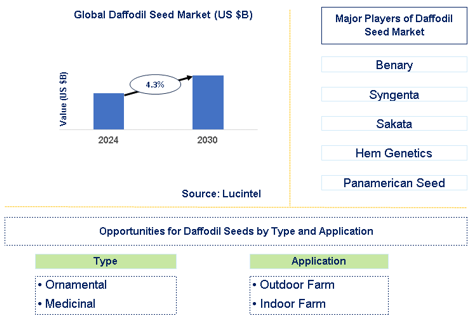
Key data points: The growth forecasts = 4.3% annually for the for the next 6 years. Scroll below to get more insights. This market report covers trends, opportunities, and forecastss in the global daffodil seed market to 2030 by type (ornamental and medicinal), application (outdoor farm and indoor farm), and region (North America, Europe, Asia Pacific, and the Rest of the World)
We'll send your sample report shortly.
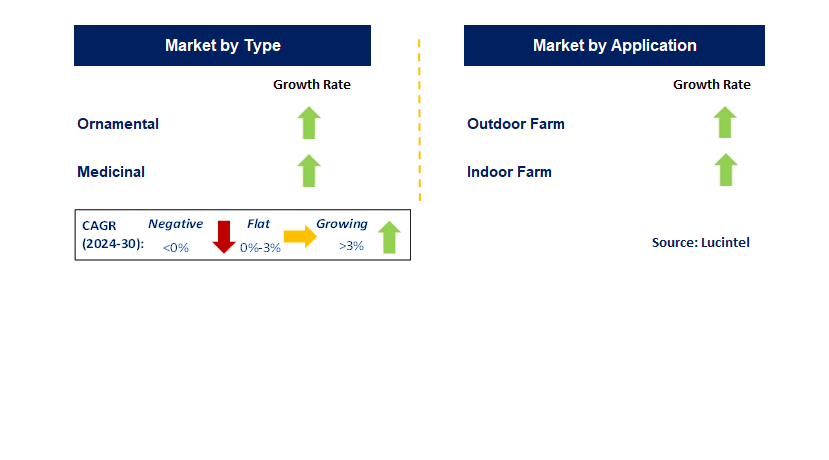
• Lucintel forecasts that, within the type category, ornamental is expected to witness a higher growth over the forecast period.
• Within the application category, outdoor farm is expected to witness a higher growth.
• In terms of regions, Europe is expected to witness the highest growth over the forecast period. Gain Valuable insights for your business decisions with our comprehensive 150+ page report.
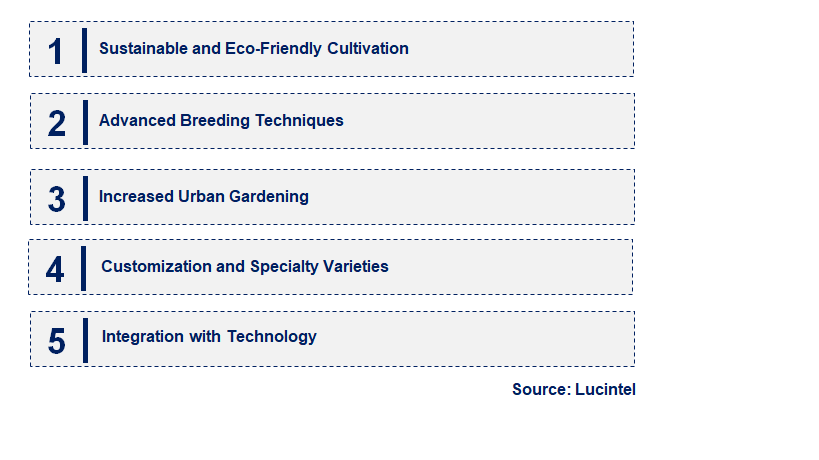
• Sustainable and Eco-Friendly Cultivation: A growing emphasis on environmental sustainability is driving demand for daffodil seeds cultivated through eco-friendly practices. This includes the use of organic fertilizers, reduced chemical inputs, and sustainable farming techniques. These practices aim to minimize the ecological footprint and appeal to environmentally conscious consumers. This trend aligns with a broader movement toward green gardening, where the focus is on reducing environmental impact while promoting biodiversity and soil health.
• Advanced Breeding Techniques: Recent advancements in breeding technologies are leading to the development of new daffodil varieties with enhanced traits. Innovations such as genetic modification and hybrid breeding are producing daffodils with improved resistance to pests and diseases, as well as longer blooming periods and vibrant colors. These advanced varieties cater to diverse consumer preferences and are better suited to varying climatic conditions, making them a popular choice among gardeners looking for robust and visually appealing plants.
• Increased Urban Gardening: The rise of urban gardening is significantly influencing the daffodil seed market. As more city dwellers seek to green their living spaces, there is an increased demand for ornamental plants like daffodils that can thrive in smaller, controlled environments. This trend is fueled by a growing interest in home beautification and the mental health benefits of gardening. Urban gardening initiatives often involve community projects and personal gardens, further driving demand for compact and adaptable daffodil varieties.
• Customization and Specialty Varieties: There is a growing trend toward customization and specialty daffodil varieties tailored to specific consumer preferences and regional conditions. Gardeners are seeking unique colors, shapes, and sizes to create personalized and distinctive landscapes. Specialty varieties, including those bred for particular soil types or climates, are becoming more popular. This trend reflects a broader desire for individuality in gardening and landscaping, as well as an increased focus on plant performance and aesthetic value.
• Integration with Technology: Technology is playing an increasingly important role in the daffodil seed market, from advanced cultivation methods to digital platforms for purchasing and information. Innovations such as smart irrigation systems and growth monitoring apps help optimize the growing conditions for daffodils, ensuring better yields and healthier plants. Online platforms and mobile apps provide consumers with easier access to a wide range of daffodil seeds, gardening advice, and community forums, enhancing the overall gardening experience. These trends are reshaping the daffodil seed market by fostering a shift toward sustainability, diversity, and technological integration. As the market continues to evolve, stakeholders must adapt to these changes to meet the growing demands and preferences of gardeners worldwide. The emphasis on eco-friendly practices, advanced breeding, urban gardening, customization, and technology is driving innovation and shaping the future of daffodil cultivation.
• Advances in Breeding Technology: Recent advances in breeding technology have revolutionized the daffodil seed market by enabling the development of more resilient and diverse varieties. Genetic engineering and marker-assisted selection allow breeders to create daffodils with enhanced resistance to pests and diseases, as well as those with unique flower colors and shapes. This innovation not only improves plant performance but also meets the rising demand for ornamental diversity in gardens and landscapes. The increased availability of high-quality seeds drives market growth and encourages gardeners to experiment with new varieties.
• Growing Interest in Sustainable Gardening: The surge in consumer interest in sustainable gardening practices has significantly influenced the daffodil seed market. Gardeners are increasingly seeking eco-friendly solutions that minimize environmental impact, such as organic seeds and practices that promote biodiversity. Daffodil seeds, known for their low maintenance and environmental benefits, align well with these preferences. This trend is fostering a market for sustainably sourced daffodil seeds and boosting demand for environmentally responsible gardening products, thereby expanding market opportunities and shaping industry standards.
• Innovations in Seed Production and Packaging: Innovations in seed production and packaging have greatly impacted the daffodil seed market. Advanced techniques in seed coating and packaging now offer enhanced protection against diseases and improve germination rates. Additionally, eco-friendly packaging solutions are gaining popularity, reflecting a broader push toward reducing plastic waste and enhancing sustainability. These innovations ensure better seed quality and contribute to a more responsible and efficient market. The resulting improved seed performance and reduced environmental footprint are driving consumer preference and market growth.
• Increased Demand for Ornamental Plants: The growing demand for ornamental plants has had a substantial effect on the daffodil seed market. As homeowners and landscapers increasingly seek to beautify their spaces with flowering plants, daffodils have become a popular choice due to their vibrant colors and seasonal appeal. This heightened interest in ornamental horticulture drives up demand for daffodil seeds, stimulating market growth. The emphasis on decorative plants also encourages breeders and suppliers to focus on novel and attractive daffodil varieties, further fueling market expansion.
• Shifts in Regional Cultivation Practices: Shifts in regional cultivation practices are influencing the daffodil seed market by altering where and how daffodils are grown. Climate change and varying local conditions are prompting adaptations in cultivation methods, including the use of new soil treatments and irrigation techniques. As regions that were previously less suited for daffodil cultivation become viable, the market sees increased geographic distribution and diversity. These changes expand market reach and create new opportunities for growers and suppliers, contributing to overall market growth and diversity. Recent developments in the daffodil seed market—ranging from technological advancements and sustainable practices to innovations in production and packaging—are reshaping the industry. These changes are fostering growth, improving seed quality, and expanding market reach. As consumer preferences shift toward sustainability and ornamental diversity, and as cultivation practices adapt to new conditions, the daffodil seed market is poised for continued evolution and expansion, reflecting broader trends in horticulture and environmental responsibility.
• Residential Gardening: Residential gardening is a significant growth opportunity for the daffodil seed market. With increasing interest in home gardening, homeowners are seeking diverse and attractive plant options. Daffodils, known for their vibrant blooms and low maintenance requirements, appeal to this demographic. By offering a variety of daffodil seeds that cater to different climates and garden sizes, suppliers can tap into this expanding market. This trend is further supported by the rising popularity of DIY garden projects and online gardening communities, creating robust demand for high-quality daffodil seeds.
• Commercial Landscaping: The commercial landscaping sector presents a lucrative opportunity for daffodil seed market expansion. Businesses and property developers are increasingly investing in aesthetically pleasing landscapes to enhance property value and appeal. Daffodils, with their striking appearance and seasonal blooms, are ideal for creating eye-catching displays in commercial spaces. By developing bulk supply options and customized solutions for large-scale projects, seed suppliers can capture a significant share of this market. Additionally, partnerships with landscaping companies and property managers can further drive sales and market penetration.
• Public Parks: Public parks are an underutilized opportunity for daffodil seed market growth. Municipalities and park services are continually seeking ways to improve the aesthetic and ecological value of public green spaces. Daffodils offer a cost-effective solution for colorful, low-maintenance planting that can enhance park landscapes. Seed suppliers can engage in collaborations with local governments and park authorities to provide seeds and planting guidance. This approach not only boosts market presence but also contributes to community beautification and environmental sustainability.
• Botanical Gardens: Botanical gardens offer a niche yet promising application for daffodil seed market growth. These institutions focus on showcasing diverse plant species and educating the public about horticulture. Daffodils, with their historical and botanical significance, can be featured prominently in garden displays and educational programs. By partnering with botanical gardens, seed suppliers can enhance their brand visibility and credibility within the horticultural community. This collaboration also provides an opportunity to introduce new and exotic daffodil varieties to a knowledgeable and engaged audience.
• Floral Industries: The floral industry represents a significant growth opportunity for daffodil seeds. Daffodils are popular in floral arrangements and seasonal bouquets due to their bright colors and long-lasting blooms. By targeting florists and floral wholesalers with high-quality daffodil seeds, suppliers can tap into the demand for fresh, vibrant flowers. Seasonal promotions and partnerships with floral designers can further drive sales. Additionally, developing specialty varieties tailored for the floral industry can help capture niche markets and enhance product appeal. The strategic growth opportunities in the daffodil seed market—spanning residential gardening, commercial landscaping, public parks, botanical gardens, and floral industries—highlight the diverse applications and potential for expansion. By targeting these areas, stakeholders can leverage evolving consumer preferences and market trends to drive growth. Each opportunity presents unique advantages, allowing suppliers and growers to tailor their strategies and capitalize on emerging demand. These applications collectively contribute to a dynamic and evolving daffodil seed market, offering promising avenues for future development.
• Advancements in Breeding Technologies: Advancements in breeding technologies are a major driver of growth in the daffodil seed market. Modern techniques such as genetic engineering and marker-assisted selection enable the development of daffodil varieties with improved traits, including disease resistance, extended bloom periods, and unique flower colors. These innovations not only enhance the attractiveness and performance of daffodils but also expand the range of available varieties. This drives consumer interest and demand, contributing to market growth and allowing suppliers to offer more diverse and high-quality products.
• Increasing Consumer Interest in Gardening: The rising interest in gardening is significantly boosting the daffodil seed market. As more individuals and families engage in gardening as a hobby or for home beautification, the demand for various ornamental plants, including daffodils, is growing. This trend is driven by a desire for outdoor relaxation, sustainability, and personal satisfaction from nurturing plants. The increased focus on gardening promotes higher sales of daffodil seeds and encourages suppliers to develop products that cater to different gardening needs and preferences.
• Market Trends Favoring Sustainability: Sustainability trends are influencing the daffodil seed market by driving demand for eco-friendly and organic products. Consumers are increasingly concerned about their environmental impact and are seeking sustainable gardening solutions. Daffodils, known for their low maintenance and minimal environmental footprint, align well with these preferences. This shift towards sustainability is prompting seed suppliers to adopt eco-friendly practices and offer organic seed options, enhancing their appeal to environmentally conscious consumers and driving market growth.
• Expansion of E-commerce Channels: The expansion of e-commerce channels is transforming the daffodil seed market by providing greater accessibility and convenience for consumers. Online platforms enable seed suppliers to reach a broader audience, including those in remote or underserved areas. E-commerce also facilitates direct-to-consumer sales, allowing for personalized marketing and customer engagement. This shift towards online purchasing is increasing market reach, driving sales growth, and enabling suppliers to respond more effectively to consumer demand and trends.
• Growing Popularity of Ornamental Plants: The growing popularity of ornamental plants is a key driver for the daffodil seed market. As homeowners, landscapers, and businesses seek to enhance aesthetic appeal, the demand for visually striking plants like daffodils is rising. Daffodils’ vibrant blooms and seasonal charm make them a popular choice for decorative purposes. This trend is fueling demand for a wide variety of daffodil seeds and encouraging suppliers to innovate and offer new varieties to meet market preferences. Challenges in the daffodil seed market are:
• Climate Change and Weather Variability: Climate change and weather variability present significant challenges for the daffodil seed market. Unpredictable weather patterns, including extreme temperatures and irregular rainfall, can affect the growth and blooming of daffodils. These conditions may lead to reduced yields and quality, impacting seed supply and market stability. Growers and suppliers must adapt to these changes by implementing resilient cultivation practices and developing varieties that can withstand environmental fluctuations.
• High Production Costs: High production costs are a major challenge for the daffodil seed market. Factors such as labor, materials, and technology contribute to the overall cost of producing and processing daffodil seeds. These costs can affect pricing and profitability, especially for small and medium-sized growers. Efficient production methods, cost management strategies, and economies of scale are essential for maintaining competitive pricing and ensuring market sustainability.
• Regulatory Hurdles: Regulatory hurdles pose a challenge to the daffodil seed market, particularly concerning seed certification and plant health regulations. Compliance with stringent regulations and standards can be time-consuming and costly for seed producers. Navigating these regulatory requirements is crucial for market access and product quality. Seed suppliers must stay informed about regulatory changes and work closely with authorities to ensure compliance and avoid potential disruptions in the supply chain. The drivers and challenges impacting the daffodil seed market reveal a complex landscape influenced by technological advancements, consumer trends, and regulatory factors. While advancements in breeding, rising consumer interest, and sustainability trends drive market growth, challenges such as climate change, high production costs, and regulatory compliance require careful management. By addressing these challenges and leveraging key drivers, stakeholders can navigate the market effectively and capitalize on emerging opportunities for growth and innovation.
• Benary
• Syngenta
• Sakata
• Hem Genetics
• Pan-American Seed
• Floranova
• Farao
• Ornamental
• Medicinal
• Outdoor Farm
• Indoor Farm
• North America
• Europe
• Asia Pacific
• The Rest of the World
• United States: In the U.S., the daffodil seed market is growing due to a surge in interest in native and sustainable gardening. Advances in hybrid breeding techniques have led to the introduction of new daffodil varieties with enhanced resilience and vibrant colors. Additionally, there is increased consumer focus on eco-friendly practices, driving demand for organically grown daffodil seeds. The market is also benefiting from rising home gardening trends and community beautification projects.
• China: Chinese daffodil seed market is expanding as urban gardening and landscaping become more popular. The country has seen growth in domestic production and breeding programs that focus on high-yield and low-maintenance varieties. Government initiatives promoting green spaces and environmental sustainability are contributing to this expansion. Additionally, Chinese consumers are increasingly interested in ornamental plants, which boosts the demand for diverse daffodil varieties.
• Germany: In Germany, the daffodil seed market is characterized by a strong emphasis on biodiversity and environmental stewardship. German horticulturists are developing new daffodil cultivars that are well-suited to local climates and have a lower environmental impact. The market is supported by a robust gardening culture and an increasing number of urban green projects. Sustainable practices and a focus on native plant species are key trends shaping the market.
• India: Indian daffodil seed market is emerging as a niche segment within the broader ornamental plant sector. The market is driven by growing interest in landscaping and garden beautification among urban populations. However, the market faces challenges such as climatic conditions and limited local production. Efforts are being made to import high-quality seeds and develop varieties suited to Indian climates. There is also a rising trend in gardening as a leisure activity among the middle class.
• Japan: Japanese daffodil seed market benefits from a strong cultural appreciation for ornamental plants and seasonal gardening. Recent developments include the introduction of daffodil varieties that cater to Japanese aesthetics and local environmental conditions. Innovations in seed technology and breeding have enhanced the longevity and visual appeal of daffodils. Additionally, the market is supported by a growing trend of home gardening and the use of daffodils in traditional and contemporary Japanese garden designs.


• Benary
• Syngenta
• Sakata
• Hem Genetics
• Pan-American Seed
• Floranova
• Farao Q5. Which daffodil seed market segment will be the largest in future? Answer: Lucintel forecasts that, within the type category, ornamental is expected to witness higher growth over the forecast period. Q6. In daffodil seed market, which region is expected to be the largest in next 5 years? Answer: In terms of regions, Europe is expected to witness the highest growth over the forecast period. Q.7 Do we receive customization in this report? Answer: Yes, Lucintel provides 10% customization without any additional cost.


Choose a license that fits your team. Instant PDF delivery.
Prices exclude taxes. Instant delivery. Custom licensing available on request.
Market Report · July 31, 2026
Market Report · July 31, 2026
Market Report · July 31, 2026
Trusted partner for strategic intelligence and business growth


Receive a complimentary market analysis tailored to your industry. Our analysts will identify key growth opportunities and competitive dynamics specific to your business.

Market size, growth rate, and key trend analysis for your specific sector.

Top competitor positioning and market share analysis.

Strategic recommendations backed by data-driven insights.
Get curated market intelligence and competitive moves straight to your inbox.
By subscribing, you agree to receive our monthly insights. Unsubscribe anytime.
Receive a complimentary market analysis tailored to your industry. Our analysts will identify key growth opportunities and competitive dynamics specific to your business.
Market size, growth rate, and key trend analysis for your specific sector.
Top competitor positioning and market share analysis.
Strategic recommendations backed by data-driven insights.
Get curated market intelligence, emerging trends, and competitive moves straight to your inbox each month.
By subscribing, you agree to receive our monthly insights. Unsubscribe anytime.
We'll send your sample report shortly.