
Market Report · July 22, 2026

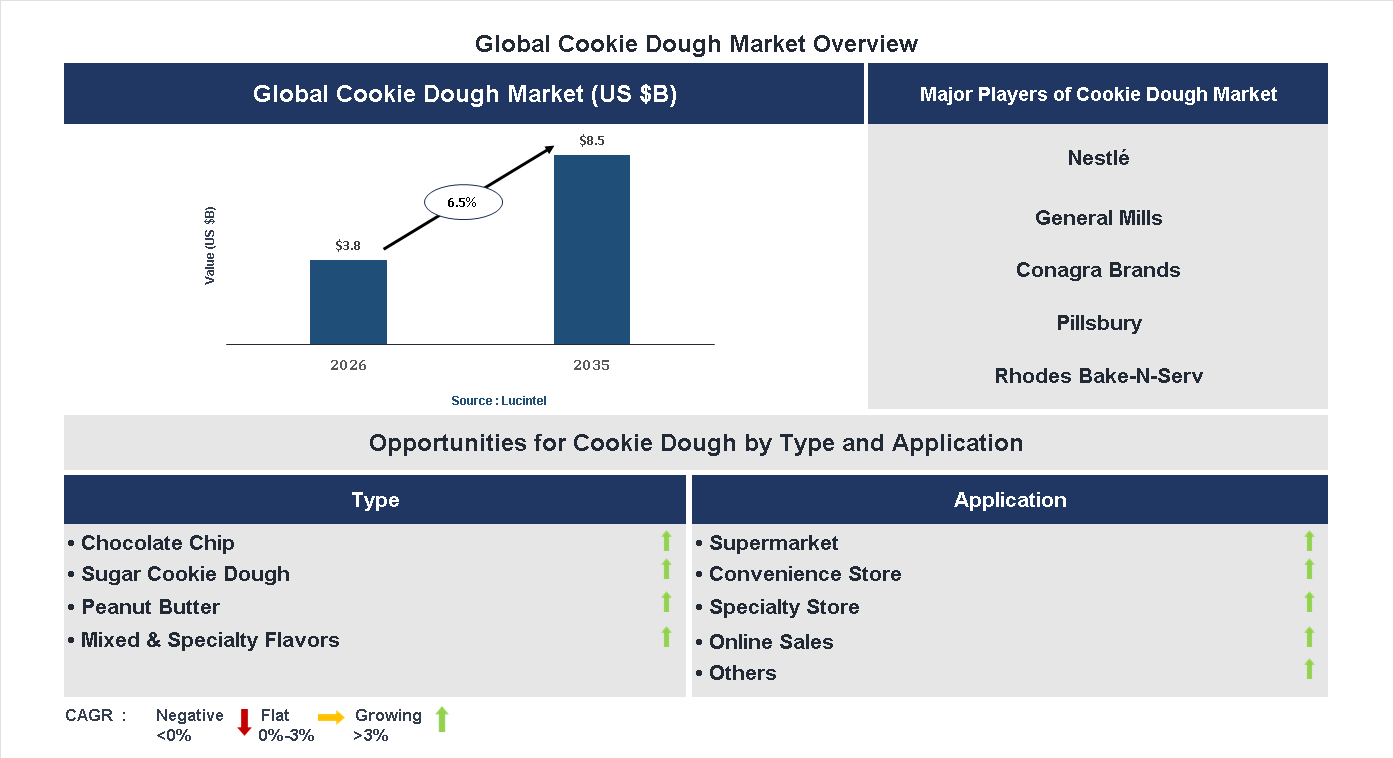
Key data points: The market size in 2035 = $8.5 billion, growth forecast = 6.5% annually for the next 8 years. Scroll below to get more insights. This market report covers trends, opportunities and forecasts in cookie dough market to 2035 by type (chocolate chip, sugar cookie dough, peanut butter, and mixed & specialty flavors), application (supermarket, convenience store, specialty store, online sales, and others), and region (North America, Europe, Asia Pacific, and the Rest of the World)
We'll send your sample report shortly.
• Lucintel forecasts that, within the type category, mixed & specialty flavor is expected to witness the highest growth over the forecast period.
• Within the application category, online sale is expected to witness the highest growth.
• In terms of region, APAC is expected to witness the highest growth over the forecast period. Gain valuable insights for your business decisions with our comprehensive 150+ page report. Sample figures with some insights are shown below.
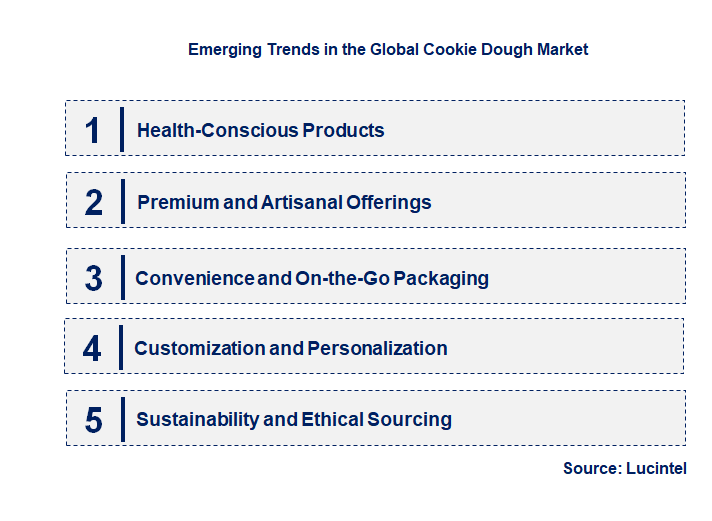
• Health-Conscious Products: Growing demand for healthier options is prompting manufacturers to develop gluten-free, low-sugar, and organic cookie dough varieties. Consumers are increasingly seeking products with natural ingredients and added nutritional benefits, which is driving innovation in formulation. This trend broadens market appeal to health-conscious demographics and encourages brands to differentiate through transparency and quality. As a result, companies are investing in R&D to create functional cookie dough that aligns with wellness trends, expanding the overall market size and consumer base.
• Premium and Artisanal Offerings: There is a rising preference for premium, handcrafted, and artisanal cookie dough products. Consumers are willing to pay more for unique flavors, high-quality ingredients, and small-batch production methods. This trend enhances brand differentiation and allows companies to target niche markets seeking gourmet experiences. The focus on craftsmanship and authenticity is fostering innovation in flavor profiles and packaging, which elevates the perceived value of cookie dough products and stimulates market growth through premiumization.
• Convenience and On-the-Go Packaging: The demand for convenient, ready-to-eat, and portable cookie dough options is increasing. Innovations such as single-serve packs, resealable containers, and microwaveable formats cater to busy lifestyles and impulse purchases. This trend enhances consumer accessibility and encourages frequent consumption. Companies are investing in packaging technology to improve shelf life and ease of use, thereby expanding distribution channels and boosting sales. The focus on convenience is making cookie dough more accessible to a broader audience, including younger consumers and families.
• Customization and Personalization: Consumers are seeking personalized cookie dough experiences, leading to the rise of customizable options. Brands are offering mix-ins, flavor combinations, and DIY kits that allow consumers to tailor products to their preferences. This trend fosters engagement and brand loyalty by providing a unique, interactive experience. It also opens opportunities for small-scale and local producers to differentiate themselves. The emphasis on customization is driving innovation in product development and marketing strategies, making the market more dynamic and consumer-centric.
• Sustainability and Ethical Sourcing: Increasing awareness of environmental and ethical issues is influencing consumer choices. Brands are adopting sustainable sourcing practices, eco-friendly packaging, and transparent supply chains. This trend appeals to socially conscious consumers and enhances brand reputation. Companies investing in sustainability initiatives are gaining a competitive advantage and fostering long-term loyalty. The focus on ethical practices is also encouraging innovation in ingredients and packaging, contributing to a more responsible and resilient market landscape. These emerging trends are collectively reshaping the cookie dough market by emphasizing health, quality, convenience, personalization, and sustainability. They are driving product innovation, influencing consumer behavior, and expanding market opportunities. As companies adapt to these developments, the industry is becoming more diverse, competitive, and aligned with modern values. This evolution not only enhances consumer satisfaction but also ensures sustainable growth and resilience in a rapidly changing marketplace.
• Digital Marketing Expansion: Leveraging social media and e-commerce platforms to reach wider audiences, increase brand visibility, and drive online sales. This approach allows companies to engage directly with consumers, gather feedback, and tailor marketing campaigns effectively, resulting in higher conversion rates and brand loyalty.
• Product Innovation and Flavors: Introducing unique, health-conscious, and allergen-free options to meet diverse consumer needs. Innovation in flavors and formulations attracts new customer segments, enhances product differentiation, and boosts market share by catering to evolving taste preferences and dietary restrictions.
• Health and Wellness Trends: Developing low-sugar, gluten-free, and organic cookie dough options to align with health-conscious consumer demands. These offerings appeal to a broader demographic, promote brand trust, and open new revenue streams, ultimately driving market growth and consumer loyalty.
• Sustainability Initiatives: Incorporating eco-friendly packaging and sustainable sourcing practices to meet environmental concerns. These efforts improve brand reputation, attract environmentally conscious consumers, and comply with regulatory standards, fostering long-term market sustainability.
• Expansion into Emerging Markets: Targeting developing regions with increasing disposable incomes and changing lifestyles. Market entry strategies, local partnerships, and tailored products enable companies to tap into new customer bases, diversify revenue sources, and accelerate global market penetration. The overall impact of these developments is a dynamic, competitive cookie dough market characterized by innovation, expanded consumer reach, and increased sustainability efforts. These trends are fostering growth opportunities, enhancing brand differentiation, and shaping future industry trajectories, ultimately benefiting both consumers and producers through diverse, high-quality product offerings.
• Expanding Organic and Natural Cookie Dough Offerings: Growing consumer demand for organic, non-GMO, and natural ingredients is prompting manufacturers to develop healthier cookie dough options. These products cater to health-conscious consumers seeking indulgence without compromising their dietary preferences. By investing in organic certifications and clean-label formulations, companies can differentiate themselves, tap into premium segments, and increase market share in health-focused retail channels.
• Developing Plant-Based and Vegan Cookie Dough Products: The rise of plant-based diets and vegan lifestyles is creating a substantial opportunity for dairy-free, vegan cookie dough variants. These products appeal to ethical, environmental, and health considerations, expanding the consumer base. Innovating with plant-based ingredients like coconut, almond, or soy, and ensuring comparable taste and texture, allows brands to capture a growing segment and meet the demand for inclusive, allergen-free options.
• Introducing Innovative Flavors and Customization Options: Consumer interest in unique, personalized treats is driving demand for diverse flavors and customizable cookie dough products. Offering options like seasonal, ethnic, or gourmet flavors, along with mix-ins and toppings, enhances consumer engagement. This strategy enables brands to stand out in a competitive market, cater to evolving tastes, and foster brand loyalty through tailored experiences that meet individual preferences.
• Leveraging E-commerce and Direct-to-Consumer Sales Channels: The digital shift has accelerated online purchasing of food products, including cookie dough. Establishing robust e-commerce platforms and direct-to-consumer channels allows brands to reach wider audiences, gather consumer data, and offer exclusive products or subscription services. This approach reduces reliance on traditional retail, increases margins, and provides agility to respond to market trends swiftly.
• Expanding Applications into Foodservice and Retail Sectors: The versatility of cookie dough presents opportunities beyond retail, particularly in foodservice establishments like cafes, bakeries, and restaurants. Offering bulk or ready-to-bake dough to these sectors can boost sales volume and brand visibility. Additionally, collaborations with retail chains for private label products or in-store baking experiences can enhance market penetration and consumer engagement across multiple channels. These strategic growth opportunities position the cookie dough market for sustained expansion by aligning product innovation with evolving consumer preferences and distribution strategies. Embracing health trends, flavor innovation, digital channels, and new application segments will enable industry players to strengthen their market presence and capitalize on emerging demand. This dynamic landscape promises continued growth and diversification in the cookie dough industry.
• Technological Innovation: The advent of advanced food processing and packaging technologies has significantly contributed to the markets growth. Innovations such as preservative-free formulations, microwaveable packaging, and portion-controlled packaging enhance convenience, freshness, and safety. These technological advancements enable manufacturers to extend shelf life, improve product quality, and meet consumer expectations for ready-to-eat and on-the-go options. As consumers increasingly seek innovative and convenient treats, companies investing in R&D to develop novel cookie dough products are gaining a competitive edge. The integration of automation and smart manufacturing processes further boosts efficiency, reducing costs and enabling rapid product launches, thus fueling overall market expansion.
• Rising Disposable Income and Urbanization: Increasing disposable incomes, especially in emerging economies, are driving demand for premium and indulgent food products, including cookie dough. Urbanization has led to changing lifestyles, with consumers seeking convenient, ready-to-consume snacks that fit into busy schedules. The growing middle class prefers high-quality, branded products, which encourages manufacturers to expand their product portfolios. Additionally, the trend towards experiential and indulgent foods is boosting sales of gourmet and specialty cookie dough variants. This economic shift not only broadens the consumer base but also encourages innovation in flavors, packaging, and marketing strategies to cater to diverse preferences, thereby expanding the market.
• Health and Wellness Trends: Consumers are increasingly prioritizing health, wellness, and natural ingredients, prompting the market to innovate healthier cookie dough options. Demand for gluten-free, organic, low-sugar, and allergen-free products is rising, compelling manufacturers to reformulate traditional recipes. Incorporating functional ingredients such as superfoods, probiotics, and plant-based components appeals to health-conscious consumers. This trend encourages product diversification and creates opportunities for niche markets within the cookie dough segment. However, balancing health benefits with taste and texture remains a challenge. Companies investing in clean-label formulations and transparent ingredient sourcing are better positioned to capture this growing segment, influencing overall market growth.
• E-commerce and Digital Marketing: The proliferation of online retail channels and digital marketing strategies has expanded the reach of cookie dough products globally. E-commerce platforms provide consumers with easy access to a wide variety of products, including niche and premium options that may not be available in traditional stores. Digital marketing enables brands to engage directly with consumers through social media, influencer collaborations, and targeted advertising, boosting brand awareness and loyalty. The convenience of online shopping, coupled with innovative packaging and delivery options, accelerates sales growth. As consumers increasingly prefer shopping from home, the e-commerce channel is becoming a vital driver for market expansion, especially among younger demographics.
• Product Innovation and Flavored Variants: Continuous innovation in flavors, textures, and formats is a key driver fueling consumer interest and market growth. Manufacturers are introducing unique flavor combinations, such as salted caramel, double chocolate, and seasonal variants, to attract diverse consumer segments. Additionally, the development of ready-to-bake and mini-sized cookie dough products caters to convenience and portion control preferences. Innovation also extends to packaging designs that enhance user experience and product freshness. This focus on product differentiation helps brands stand out in a competitive landscape, encouraging repeat purchases and attracting new customers. The ongoing trend of customization and limited-edition flavors sustains consumer excitement and market vitality. The challenges facing the cookie dough market include:
• Stringent Regulatory Standards: The cookie dough market faces complex regulatory requirements related to food safety, labeling, and ingredient disclosures. Governments and health authorities impose strict standards to ensure consumer safety, which can lead to increased compliance costs and product reformulation. Navigating different regional regulations adds complexity for international brands, potentially delaying product launches and increasing operational expenses. Non-compliance risks include legal penalties, product recalls, and damage to brand reputation. As regulations evolve, companies must continuously adapt their formulations, packaging, and marketing strategies, which can hinder innovation and market agility, posing a significant challenge to sustained growth.
• Health Concerns and Consumer Perception: Despite the popularity of indulgent treats, health concerns related to sugar content, artificial additives, and preservatives pose challenges for the cookie dough market. Consumers are becoming more aware of the health implications of their food choices, leading to skepticism about processed and high-calorie products. Negative perceptions about raw cookie doughs safety, due to potential Salmonella contamination, also impact consumer confidence. Manufacturers must invest in developing safer, healthier alternatives without compromising taste, which can be costly and technically challenging. Balancing indulgence with health consciousness remains a critical hurdle, influencing product acceptance and market expansion.
• Supply Chain Disruptions: The global supply chain has experienced significant disruptions due to factors such as the COVID-19 pandemic, geopolitical tensions, and logistical challenges. These disruptions affect the sourcing of raw materials like flour, sugar, and specialty ingredients, leading to increased costs and potential shortages. Delays in transportation and customs clearance can impact product availability and freshness, negatively affecting consumer satisfaction. Additionally, fluctuating commodity prices add financial uncertainty for manufacturers. Managing supply chain risks requires strategic planning, diversified sourcing, and inventory management, which can increase operational complexity and costs, thereby constraining market growth. The cookie dough market is driven by technological advancements, economic growth, health trends, digital expansion, and product innovation. However, regulatory hurdles, health concerns, and supply chain issues pose significant challenges. These factors collectively influence market dynamics, requiring stakeholders to innovate continuously, adapt to regulatory changes, and manage operational risks. While growth opportunities are substantial, addressing these challenges effectively is crucial for sustainable development. Overall, the markets future will depend on how well companies can leverage drivers while mitigating challenges to meet evolving consumer demands and regulatory standards.
• Nestlé
• General Mills
• Conagra Brands
• Pillsbury
• Rhodes Bake-N-Serv
• Dawn Foods
• Rich Products
• CSM Ingredients
• Grupo Bimbo
• Sweet Time Food
• Chocolate Chip
• Sugar Cookie Dough
• Peanut Butter
• Mixed & Specialty Flavors
• Supermarket
• Convenience Store
• Specialty Store
• Online Sales
• Others
• North America
• Europe
• Asia Pacific
• The Rest of the World
• United States: The US cookie dough market has seen a surge in demand for organic and gluten-free options, driven by health-conscious consumers. Major brands are investing in plant-based ingredients and innovative packaging to enhance convenience. Online sales channels have expanded significantly, with direct-to-consumer models gaining popularity. Additionally, there is a growing trend toward premium and artisanal cookie dough products, emphasizing unique flavors and natural ingredients. The market is also witnessing increased collaborations between traditional manufacturers and startups to develop novel offerings.
• China: In China, the cookie dough market is rapidly expanding due to rising urbanization and Western dietary influences. Local brands are innovating with flavors tailored to Chinese tastes, such as red bean and matcha. E-commerce platforms play a crucial role in distribution, with social media marketing boosting brand visibility. The market also benefits from the growing popularity of baking at home, especially among younger consumers. International brands are entering the market through partnerships and localized product offerings, fostering a competitive environment focused on quality and affordability.
• Germany: The German cookie dough market emphasizes sustainability and organic certification, aligning with consumer preferences for eco-friendly products. There is a notable increase in demand for vegan and allergen-free options, reflecting health and ethical considerations. Retail chains are expanding their private label offerings, providing affordable yet high-quality products. Innovation in packaging, such as recyclable materials, is gaining traction. The market also sees a focus on traditional recipes with a modern twist, appealing to both nostalgic and adventurous consumers. Digital marketing and in-store promotions are key strategies for growth.
• India: The Indian cookie dough market is experiencing rapid growth fueled by urbanization, rising disposable incomes, and changing lifestyles. Local flavors like cardamom, saffron, and pistachio are being incorporated into products to cater to regional tastes. The market is witnessing increased penetration of organized retail and e-commerce platforms, making products more accessible. Health-conscious variants, including low-sugar and fortified options, are gaining popularity. Small and medium-sized enterprises are innovating with traditional recipes and modern packaging to attract a diverse consumer base. The focus remains on affordability and flavor diversity.
• Japan: In Japan, the cookie dough market is characterized by a focus on premium quality and unique flavors. Consumers prefer artisanal and handcrafted products, often with limited-edition flavors and seasonal offerings. There is a strong emphasis on health and wellness, leading to the development of low-calorie and functional cookie dough options. Packaging innovations emphasize aesthetic appeal and convenience. E-commerce and specialty stores are primary distribution channels, with a growing interest in organic and natural ingredients. The market also benefits from a culture of baking at home, supported by easy-to-use products and online tutorials.


• Nestlé
• General Mills
• Conagra Brands
• Pillsbury
• Rhodes Bake-N-Serv
• Dawn Foods
• Rich Products
• CSM Ingredients
• Grupo Bimbo
• Sweet Time Food Q6. Which cookie dough market segment will be the largest in future? Answer: Lucintel forecasts that, within the type category, mixed & specialty flavor is expected to witness the highest growth over the forecast period. Q7. In cookie dough market, which region is expected to be the largest in next 5 years? Answer: In terms of region, APAC is expected to witness the highest growth over the forecast period. Q8. Do we receive customization in this report? Answer: Yes, Lucintel provides 10% customization without any additional cost.


Choose a license that fits your team. Instant PDF delivery.
Prices exclude taxes. Instant delivery. Custom licensing available on request.
Market Report · July 22, 2026
Market Report · July 22, 2026
Market Report · July 22, 2026
Trusted partner for strategic intelligence and business growth


Receive a complimentary market analysis tailored to your industry. Our analysts will identify key growth opportunities and competitive dynamics specific to your business.

Market size, growth rate, and key trend analysis for your specific sector.

Top competitor positioning and market share analysis.

Strategic recommendations backed by data-driven insights.
Get curated market intelligence and competitive moves straight to your inbox.
By subscribing, you agree to receive our monthly insights. Unsubscribe anytime.
Receive a complimentary market analysis tailored to your industry. Our analysts will identify key growth opportunities and competitive dynamics specific to your business.
Market size, growth rate, and key trend analysis for your specific sector.
Top competitor positioning and market share analysis.
Strategic recommendations backed by data-driven insights.
Get curated market intelligence, emerging trends, and competitive moves straight to your inbox each month.
By subscribing, you agree to receive our monthly insights. Unsubscribe anytime.
We'll send your sample report shortly.