
Market Report · July 22, 2026

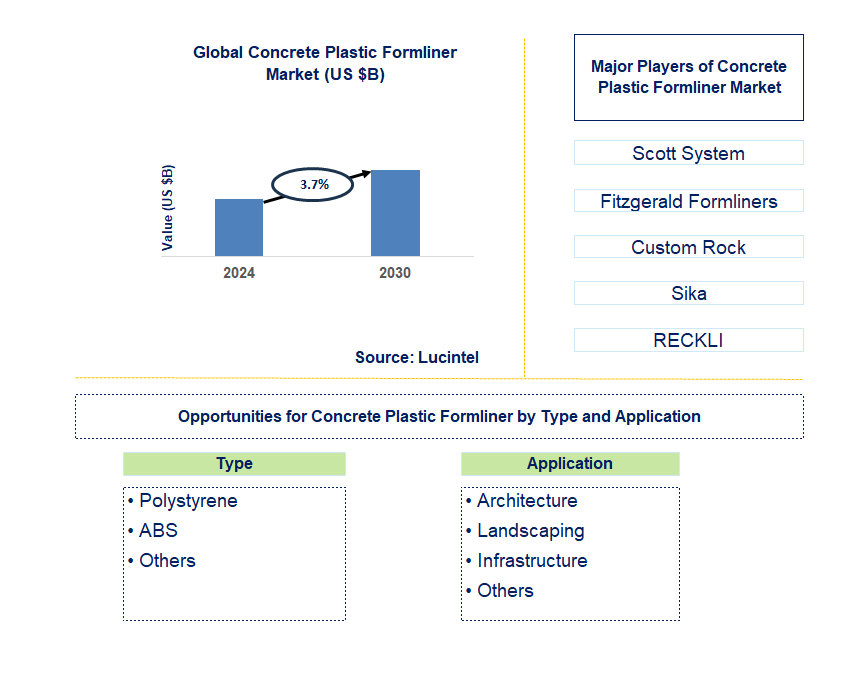
Key data points: The growth forecasts = 3.7% annually for the next 6 years. Scroll below to get more insights. This market report covers trends, opportunities, and forecasts in the global concrete plastic formliner market to 2030 by type (polystyrene, abs, and others), application (architecture, landscaping, infrastructure, and others), and region (North America, Europe, Asia Pacific, and the Rest of the World)
We'll send your sample report shortly.
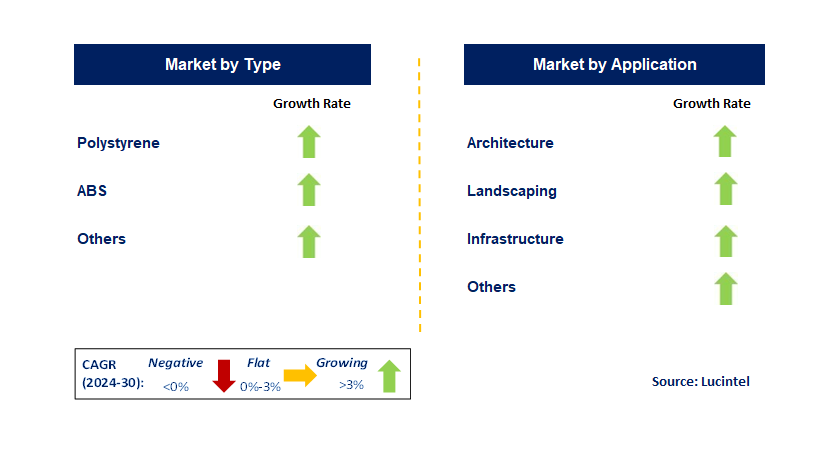
• Lucintel forecasts that, within the type category, polystyrene is expected to witness a higher growth over the forecast period.
• Within the application category, architecture is expected to witness the highest growth.
• In terms of regions, APAC is expected to witness the highest growth over the forecast period. Gain Valuable insights for your business decisions with our comprehensive 150+ page report.
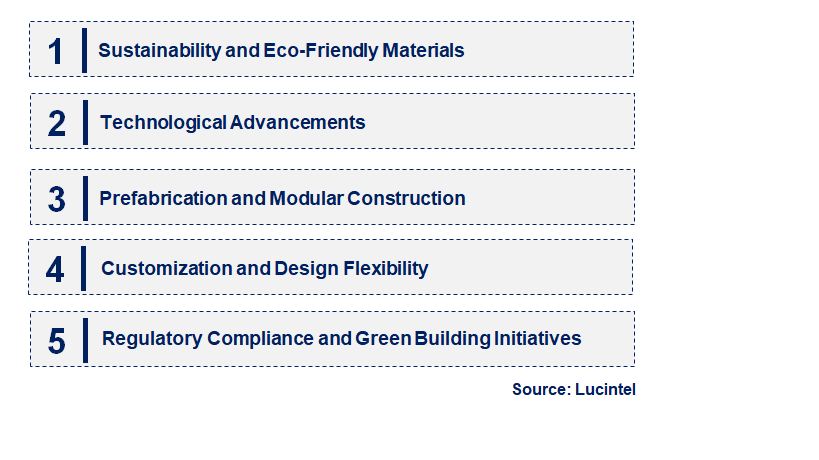
• Sustainability and Eco-Friendly Materials: The push for sustainability is a defining trend in the concrete plastic formliner market. Companies are increasingly producing formliners from recycled plastics and other eco-friendly materials. This shift is driven by both regulatory pressures and consumer demand for greener construction practices. As sustainability becomes a core value in the construction industry, the adoption of eco-friendly formliners is expected to grow, leading to reduced environmental impact and enhanced corporate responsibility.
• Technological Advancements: Technological innovations, such as 3D printing and computer-aided design (CAD), are revolutionizing the concrete plastic formliner market. These technologies allow for more intricate and customizable designs, enhancing aesthetic appeal while improving production efficiency. The ability to create complex textures and patterns quickly is attracting architects and builders, leading to a broader range of applications. As technology continues to evolve, its integration into formliner production will likely expand, driving market growth.
• Prefabrication and Modular Construction: The rise of prefabricated and modular construction techniques is influencing the concrete plastic formliner market significantly. Formliners that facilitate quick assembly and integration into prefabricated systems are increasingly in demand. This trend allows for faster construction timelines and reduced labor costs, making it attractive for builders. As modular construction gains traction, the market for formliners tailored to these systems will likely see substantial growth.
• Customization and Design Flexibility: The demand for customized concrete surfaces is rising, prompting manufacturers to offer more design options and flexibility in formliner production. Architects and builders are seeking unique textures and patterns to differentiate their projects, which has led to an increase in bespoke formliner solutions. This trend not only enhances aesthetic value but also allows for greater creativity in concrete applications, further driving market competitiveness.
• Regulatory Compliance and Green Building Initiatives: Increasing regulatory requirements related to sustainability and green building practices are shaping the concrete plastic formliner market. Many regions are implementing stricter standards for construction materials, promoting the use of sustainable formliners. As builders aim to meet these standards, the demand for compliant products will rise. This trend is encouraging manufacturers to innovate and invest in developing formliners that align with green building certifications, creating opportunities for growth in the market. In conclusion, these emerging trends are reshaping the concrete plastic formliner market by promoting sustainability, enhancing design possibilities, and driving technological advancements. As the construction industry evolves, stakeholders must adapt to these trends to maintain a competitive edge and contribute to more sustainable building practices.
• Adoption of Advanced Manufacturing Techniques: Recent developments in manufacturing techniques, including injection molding and 3D printing, are significantly impacting the concrete plastic formliner market. These technologies enable the production of more intricate and durable designs while reducing waste and lead times. Manufacturers are investing in advanced machinery to enhance their production capabilities, leading to higher quality formliners that meet diverse architectural demands. This evolution in manufacturing is fostering innovation and improving product availability in the market.
• Growth of Eco-Friendly Formliners: There is a notable shift towards eco-friendly formliners made from recycled materials, driven by rising environmental awareness and regulatory pressures. Companies are responding to this trend by developing formliners that minimize environmental impact without compromising quality or performance. This focus on sustainability not only appeals to environmentally conscious consumers but also aligns with government initiatives aimed at reducing carbon footprints in construction. The growing demand for green products is likely to continue influencing market dynamics.
• Expansion into Emerging Markets: The concrete plastic formliner market is expanding into emerging economies, particularly in Asia and Africa, where infrastructure development is booming. Companies are targeting these regions to capitalize on increasing urbanization and investment in construction projects. As the demand for aesthetic concrete surfaces rises, manufacturers are tailoring their products to meet local preferences and regulatory requirements. This expansion strategy is opening new opportunities for growth and enhancing global market reach.
• Collaborative Approaches in Design: Collaboration between architects, builders, and forliner manufacturers is becoming more prevalent in the market. This trend involves engaging stakeholders early in the design process to create customized formliners that align with project specifications and aesthetic goals. Such collaborative approaches enhance communication and innovation, leading to better end products that satisfy diverse needs. This development is fostering stronger relationships among industry players and improving overall project outcomes.
• Enhanced Performance Features: Recent developments have also focused on enhancing the performance features of concrete plastic formliners. Innovations include improved durability, resistance to weathering, and ease of removal, which are becoming essential attributes for contractors. Manufacturers are investing in research and development to optimize these features, ensuring that formliners can withstand the rigors of construction and provide long-lasting results. As performance expectations rise, these enhancements will play a critical role in market competitiveness. These key developments are transforming the concrete plastic formliner market by promoting sustainability, enhancing product quality, and fostering collaboration. As these trends continue to evolve, they will significantly impact the market, creating opportunities for growth and innovation in the industry.
• Commercial Construction: The commercial construction sector presents a substantial growth opportunity for concrete plastic formliners. As businesses invest in visually appealing structures to attract customers, the demand for customized formliners that offer unique textures and designs is rising. This trend allows architects to create distinctive facades that enhance brand identity. Manufacturers can capitalize on this demand by developing innovative formliners that align with contemporary architectural styles, resulting in increased sales and market penetration.
• Residential Development: In residential development, the growing trend of aesthetic concrete surfaces is driving the adoption of formliners in driveways, patios, and decorative walls. Homeowners increasingly seek customizable and visually appealing outdoor spaces, leading to a rising demand for textured and patterned concrete finishes. This creates opportunities for manufacturers to develop a variety of design options that cater to diverse consumer preferences, fostering market growth as more builders incorporate formliners into residential projects.
• Public Infrastructure: The public infrastructure sector offers considerable growth potential due to government investments in urban development and transportation projects. Formliners can enhance the visual appeal of bridges, retaining walls, and sound barriers, aligning with the trend of beautifying public spaces. As municipalities prioritize aesthetics alongside functionality, manufacturers can position themselves as key suppliers of innovative formliners that meet these dual requirements, driving revenue growth and expanding market presence.
• Artistic Applications: Artistic applications of concrete, such as sculptures and installations in public spaces, are gaining popularity. Artists and designers are increasingly utilizing formliners to create intricate and unique designs, resulting in a demand for customizable products. This trend provides manufacturers with opportunities to collaborate with artists, creating specialized formliners that facilitate creative expression. By tapping into this niche market, manufacturers can differentiate their offerings and establish a strong foothold in the artistic sector.
• Precast Concrete: The precast concrete market is experiencing growth as construction methods evolve towards efficiency and sustainability. Precast elements often require formliners to achieve desired aesthetic qualities, driving demand for specialized products. Manufacturers can focus on developing durable, easy-to-use formliners that cater to the precast industry’s needs, thus fostering partnerships with precast manufacturers. This strategic alignment can lead to increased sales and a robust competitive advantage in the market. These strategic growth opportunities highlight the diverse applications of concrete plastic formliners across various sectors. By capitalizing on these trends, manufacturers can enhance their market presence, drive innovation, and respond effectively to evolving consumer demands.
• Technological Innovations: Advancements in manufacturing technologies, such as 3D printing and digital design tools, are transforming the concrete plastic formliner market. These innovations allow for greater customization, reduced lead times, and improved product quality. As manufacturers adopt these technologies, they can create intricate designs that cater to modern architectural demands, enhancing their competitive edge. This trend encourages more builders to integrate formliners into their projects, boosting market growth.
• Sustainability Initiatives: Growing environmental awareness and regulatory pressure for sustainable construction practices are driving the adoption of eco-friendly formliners. Manufacturers are increasingly producing formliners from recycled materials, appealing to environmentally conscious consumers and complying with green building standards. This focus on sustainability not only aligns with global initiatives but also creates market opportunities for innovative products that minimize environmental impact, thus fostering overall growth in the sector.
• Infrastructure Investment: Government investments in infrastructure development, particularly in emerging economies, are boosting demand for concrete solutions, including plastic formliners. As countries prioritize urbanization and public works projects, the need for aesthetically pleasing concrete surfaces in roads, bridges, and public facilities rises. This trend provides manufacturers with substantial opportunities to supply formliners that enhance the visual appeal and functionality of infrastructure projects, contributing to market expansion.
• Rising Aesthetic Demand: The increasing emphasis on aesthetics in construction is a significant driver for the concrete plastic formliner market. Architects and builders are looking for ways to enhance the visual appeal of their projects, leading to greater demand for customizable and innovative formliners. As the desire for unique textures and designs grows, manufacturers can develop specialized products that meet these demands, thereby increasing their market share and revenue.
• Urbanization Trends: Rapid urbanization, especially in developing regions, is driving the demand for construction materials that provide both functionality and visual appeal. As cities expand, the need for residential, commercial, and public spaces rises, creating opportunities for formliners in various applications. This trend encourages manufacturers to innovate and offer products that align with urban development goals, promoting overall market growth. Challenges in the concrete plastic formliner market are:
• Raw Material Fluctuations: The concrete plastic formliner market faces challenges due to fluctuations in raw material prices. Variability in costs for plastics and other components can impact manufacturing expenses and profit margins. Manufacturers may struggle to maintain competitive pricing while ensuring quality, which could lead to reduced market share. To mitigate this challenge, companies must develop strategic sourcing practices and explore alternative materials to stabilize costs.
• Regulatory Compliance: Increasing regulations surrounding construction materials, particularly regarding sustainability and safety, pose challenges for forliner manufacturers. Navigating these regulatory landscapes can be complex and resource-intensive. Companies must ensure that their products meet specific standards, which may require additional investments in research and development. Failure to comply with regulations can lead to penalties, reputational damage, and loss of market access.
• Competition and Market Saturation: As the concrete plastic formliner market grows, competition is intensifying, with numerous players entering the field. Market saturation can lead to price wars and reduced profit margins, making it challenging for smaller manufacturers to compete. To differentiate themselves, companies must focus on innovation, quality, and customer service. This competitive landscape requires ongoing investment in marketing and product development to maintain market relevance. The drivers of technological advancements, sustainability initiatives, and infrastructure investment are propelling growth in the concrete plastic formliner market, while challenges such as raw material fluctuations, regulatory compliance, and heightened competition pose significant hurdles. Understanding and addressing these dynamics will be crucial for stakeholders aiming to thrive in this evolving market.
• Scott System
• Fitzgerald Formliners
• Custom Rock
• Sika
• RECKLI
• Architectural Polymers
• Atlas Construction Supply
• Volatile Free
• Form Tech
• Symons
• Polystyrene
• ABS
• Others
• Architecture
• Landscaping
• Infrastructure
• Others
• North America
• Europe
• Asia Pacific
• The Rest of the World
• United States: In the U.S., the concrete plastic formliner market is experiencing a surge in demand due to infrastructure investment initiatives. Innovations such as 3D-printed formliners are becoming popular, allowing for intricate designs and reduced waste. Companies are also focusing on environmentally friendly materials, responding to growing sustainability concerns.
• China: China concrete plastic formliner market is evolving rapidly, largely due to the government's ambitious infrastructure projects, including urbanization and transportation networks. The market is witnessing a shift towards eco-friendly materials and innovative designs that meet both aesthetic and functional requirements. Local manufacturers are increasingly adopting advanced production techniques, leading to higher quality and customizable products. Furthermore, the growing trend of green building practices is prompting developers to choose sustainable formliners, aligning with national goals for reducing carbon emissions. This combination of factors is propelling market growth and innovation in the region.
• Germany: Germany is at the forefront of adopting advanced technologies in the concrete plastic formliner market, with a focus on sustainability and efficiency. The integration of digital tools, such as computer-aided design (CAD), is enabling more complex and precise designs, catering to the high standards of German construction. Additionally, the emphasis on recycling and circular economy principles is driving manufacturers to develop formliners from recycled materials. Regulatory frameworks favoring sustainable construction are also influencing market dynamics, leading to increased collaboration between architects, builders, and forliner producers to achieve innovative solutions that meet environmental standards.
• India: In India, the concrete plastic formliner market is gaining momentum due to rapid urbanization and increased investments in infrastructure. The demand for aesthetically appealing concrete surfaces is driving the adoption of formliners, particularly in commercial and residential projects. Indian manufacturers are focusing on cost-effective solutions while improving product quality through technological advancements. Moreover, government initiatives promoting smart city development are encouraging the use of innovative materials. The growing awareness of sustainable practices is also influencing market growth, as builders increasingly opt for eco-friendly formliners to comply with regulations and meet consumer expectations.
• Japan: Japan concrete plastic formliner market is characterized by its commitment to high-quality standards and innovative design solutions. Recent developments include the adoption of advanced molding technologies that allow for intricate textures and patterns. The Japanese construction industry is also increasingly focusing on disaster-resistant designs, leading to a demand for durable and flexible formliners that can withstand seismic activity. Furthermore, the emphasis on sustainable practices is promoting the use of recyclable materials in formliner production. This focus on innovation and sustainability is reshaping the market, aligning with Japan's broader goals for resilient and environmentally friendly construction. A more than 150-page report is developed to help in your business decisions.


• Scott System
• Fitzgerald Formliners
• Custom Rock
• Sika
• RECKLI
• Architectural Polymers
• Atlas Construction Supply
• Volatile Free
• Form Tech
• Symons Q5. Which concrete plastic formliner market segment will be the largest in future? Answer: Lucintel forecasts that polystyrene is expected to witness the higher growth over the forecast period. Q6. In concrete plastic formliner market, which region is expected to be the largest in next 5 years? Answer: APAC is expected to witness highest growth over the forecast period. Q7. Do we receive customization in this report? Answer: Yes, Lucintel provides 10% customization without any additional cost.


Choose a license that fits your team. Instant PDF delivery.
Prices exclude taxes. Instant delivery. Custom licensing available on request.
Market Report · July 22, 2026
Market Report · July 22, 2026
Market Report · July 22, 2026
Trusted partner for strategic intelligence and business growth


Receive a complimentary market analysis tailored to your industry. Our analysts will identify key growth opportunities and competitive dynamics specific to your business.

Market size, growth rate, and key trend analysis for your specific sector.

Top competitor positioning and market share analysis.

Strategic recommendations backed by data-driven insights.
Get curated market intelligence and competitive moves straight to your inbox.
By subscribing, you agree to receive our monthly insights. Unsubscribe anytime.
Receive a complimentary market analysis tailored to your industry. Our analysts will identify key growth opportunities and competitive dynamics specific to your business.
Market size, growth rate, and key trend analysis for your specific sector.
Top competitor positioning and market share analysis.
Strategic recommendations backed by data-driven insights.
Get curated market intelligence, emerging trends, and competitive moves straight to your inbox each month.
By subscribing, you agree to receive our monthly insights. Unsubscribe anytime.
We'll send your sample report shortly.