
Market Report · July 31, 2026

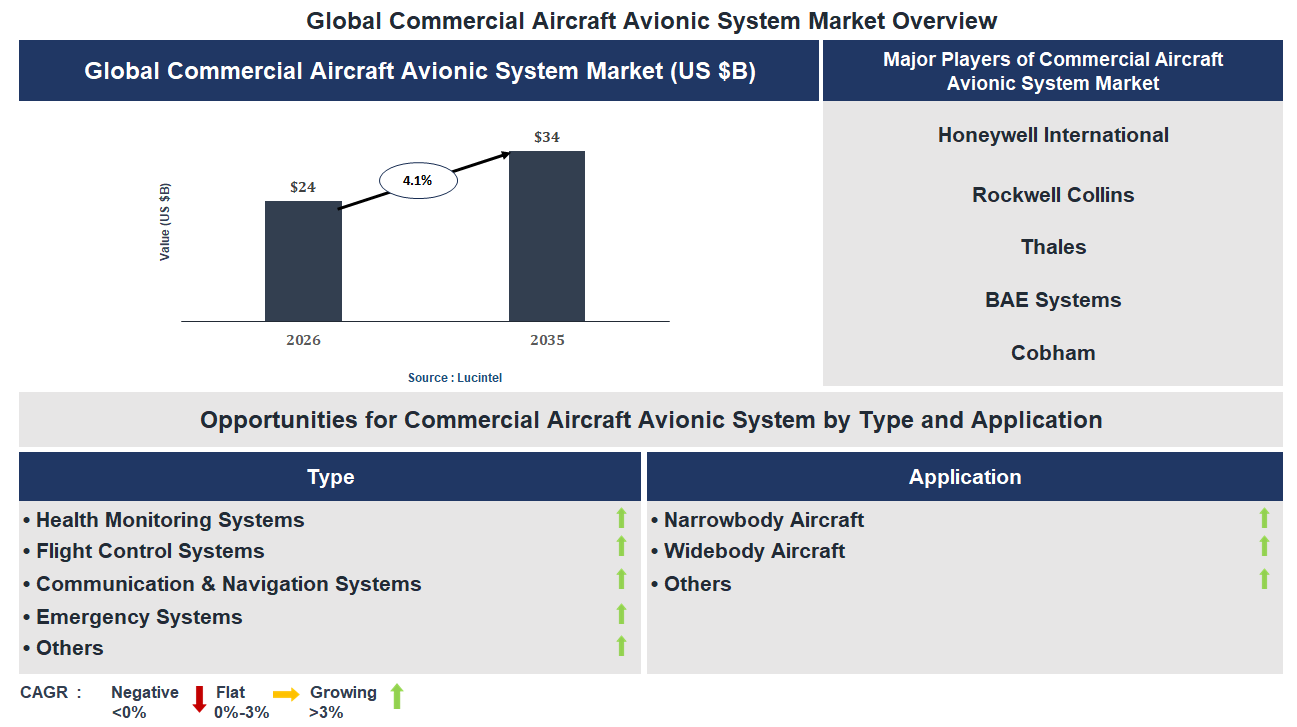
Key data points: The market size in 2035 = $34 billion, growth forecast = 4.1% annually for the next 8 years. Scroll below to get more insights. This market report covers trends, opportunities and forecasts in commercial aircraft avionic system market to 2035 by type (health monitoring systems, flight control systems, communication & navigation systems, emergency systems, and others), application (narrowbody aircraft, widebody aircraft, and others), and region (North America, Europe, Asia Pacific, and the Rest of the World)
We'll send your sample report shortly.
• Lucintel forecasts that, within the type category, health monitoring system is expected to witness the highest growth over the forecast period.
• Within the application category, narrowbody aircraft is expected to witness higher growth.
• In terms of region, APAC is expected to witness the highest growth over the forecast period. Gain valuable insights for your business decisions with our comprehensive 150+ page report. Sample figures with some insights are shown below.
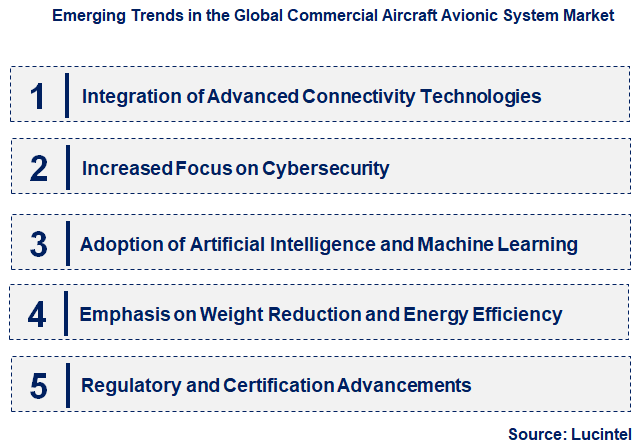
• Integration of Advanced Connectivity Technologies: The adoption of high-speed satellite communication, 5G, and IoT-enabled systems is transforming aircraft connectivity. These advancements enable real-time data sharing, enhanced passenger services, and improved maintenance processes. Airlines benefit from better operational efficiency and passenger experience, while manufacturers develop smarter, more integrated avionics solutions. This trend is driving the market toward more connected, intelligent aircraft that can communicate seamlessly with ground systems and other aircraft, ultimately leading to safer and more efficient operations.
• Increased Focus on Cybersecurity: As avionics systems become more interconnected and reliant on digital technologies, cybersecurity has become a critical concern. Protecting aircraft systems from cyber threats is essential to ensure safety, data integrity, and operational continuity. Market players are investing in robust cybersecurity measures, including encryption, intrusion detection, and secure communication protocols. This trend is prompting the development of specialized cybersecurity solutions tailored for aviation, influencing system design, certification processes, and industry standards, thereby reshaping how avionics security is approached.
• Adoption of Artificial Intelligence and Machine Learning: AI and ML are increasingly integrated into avionic systems to enhance decision-making, predictive maintenance, and flight optimization. These technologies enable aircraft to analyze vast amounts of data for real-time insights, reducing human error and improving safety. Predictive maintenance minimizes downtime and operational costs by forecasting component failures before they occur. The incorporation of AI-driven systems is transforming traditional avionics into intelligent platforms, leading to more autonomous and efficient aircraft operations, and opening new avenues for innovation within the market.
• Emphasis on Weight Reduction and Energy Efficiency: The drive for fuel savings and environmental sustainability is pushing manufacturers to develop lighter, more energy-efficient avionics systems. Advanced materials, miniaturization, and integrated designs contribute to reducing aircraft weight without compromising performance. These improvements lead to lower fuel consumption, reduced emissions, and compliance with stringent environmental regulations. This trend influences system design choices, encourages innovation in component manufacturing, and aligns with the broader industry goal of sustainable aviation, significantly impacting the market's product development strategies.
• Regulatory and Certification Advancements: Evolving safety standards and certification requirements are shaping the development and deployment of avionic systems. Regulatory bodies are implementing stricter guidelines for system reliability, cybersecurity, and interoperability. This trend necessitates rigorous testing, validation, and compliance processes, which can influence product timelines and costs. However, it also drives innovation by encouraging the adoption of standardized, modular, and scalable systems. As regulations continue to evolve, they are fostering a more resilient, secure, and interoperable avionic ecosystem, ultimately influencing market growth and technological adoption. These emerging trends are collectively transforming the commercial aircraft avionic system market by fostering innovation, enhancing safety, and promoting sustainability. They are enabling smarter, more connected, and efficient aircraft, which are crucial for meeting the evolving demands of the aviation industry and maintaining competitive advantage in a rapidly changing landscape.
• Integration of Artificial Intelligence in Avionics: AI is revolutionizing aircraft systems by enabling predictive maintenance, improving navigation accuracy, and enhancing safety protocols. This integration reduces operational costs and minimizes downtime, offering airlines a competitive edge. AI-driven systems facilitate real-time data analysis, enabling proactive decision-making. As AI becomes more sophisticated, its adoption will expand, leading to smarter, more autonomous aircraft. This development is expected to significantly impact efficiency, safety, and passenger experience in the commercial aviation sector.
• Adoption of Next-Generation Communication Systems: New communication technologies like 5G and satellite-based links are transforming aircraft connectivity. These systems provide high-speed internet, real-time data sharing, and improved communication between aircraft and ground control. Enhanced connectivity supports operational efficiency, passenger entertainment, and safety management. The deployment of these advanced communication systems is expected to boost airline competitiveness and passenger satisfaction. As demand for seamless connectivity grows, manufacturers are investing heavily in developing robust, reliable communication solutions for future aircraft.
• Development of Lightweight Avionic Components: Innovations in materials and design are leading to lighter avionic systems, which contribute to overall aircraft weight reduction. Lighter systems improve fuel efficiency, reduce emissions, and lower operating costs. These advancements also enable the integration of more sophisticated features without adding weight. The push for sustainability and cost savings is driving manufacturers to develop compact, lightweight components. This trend is expected to accelerate, supporting the industry’s shift toward greener, more efficient aircraft.
• Implementation of Cybersecurity Measures: As aircraft systems become more connected, cybersecurity has become a critical concern. Recent developments focus on protecting avionic systems from cyber threats through advanced encryption, intrusion detection, and secure communication protocols. Strengthening cybersecurity safeguards ensures safety, regulatory compliance, and passenger trust. The increasing sophistication of cyberattacks necessitates continuous innovation in security measures. This focus on cybersecurity is shaping industry standards and influencing future system designs, making aircraft more resilient against digital threats.
• Expansion of Electric and Hybrid Avionic Systems: The shift toward electric and hybrid systems aims to reduce reliance on traditional hydraulic and pneumatic systems. These innovations improve energy efficiency, reduce maintenance costs, and support sustainability goals. Electric avionics also enable more precise control and automation, enhancing safety and operational performance. The development of these systems aligns with global efforts to decarbonize aviation. As technology matures, electric and hybrid avionic solutions are expected to become standard, transforming aircraft design and operation. The overall impact of these developments is a more efficient, safer, and environmentally sustainable commercial aircraft market. Enhanced technological capabilities are driving innovation, reducing costs, and improving passenger experience. These trends are fostering increased competition and collaboration among industry players, shaping the future landscape of commercial aviation.
• Integration of Next-Generation Avionics for Enhanced Safety and Efficiency: The adoption of next-generation avionic systems offers improved safety features, real-time data processing, and better aircraft management. These systems enable predictive maintenance, reduce operational costs, and enhance situational awareness for pilots. As airlines seek to optimize performance and safety, manufacturers are focusing on integrating advanced sensors, AI, and connectivity solutions into existing platforms, creating significant growth opportunities in upgrading legacy aircraft and developing new models with cutting-edge avionics.
• Rising Demand for Lightweight and Fuel-Efficient Avionic Components: The push for fuel efficiency and reduced emissions is driving the development of lightweight avionic components. Manufacturers are investing in miniaturization, advanced materials, and power-efficient electronics to reduce aircraft weight without compromising performance. This trend supports airlines' sustainability goals and regulatory compliance, opening avenues for innovative materials and design approaches. The demand for compact, energy-efficient systems is expected to grow, especially in single-aisle and regional aircraft segments.
• Expansion of Digital and Connected Avionic Systems for Improved Passenger Experience: Digitalization is transforming passenger interactions through in-flight entertainment, connectivity, and personalized services. Connected avionic systems enable real-time data sharing, remote diagnostics, and seamless communication between aircraft and ground stations. This enhances operational efficiency and passenger satisfaction. As airlines prioritize digital passenger experiences, there is a significant opportunity for vendors to develop integrated, user-friendly, and secure digital solutions that cater to evolving customer expectations.
• Increasing Adoption of Autonomous and Semi-Autonomous Avionic Technologies: The development of autonomous systems aims to improve safety, reduce pilot workload, and enhance operational reliability. Semi-autonomous features such as automated flight control, collision avoidance, and system diagnostics are gaining traction. These technologies require sophisticated sensors, AI algorithms, and fail-safe mechanisms, creating opportunities for innovation and collaboration among technology providers. The trend is particularly prominent in new aircraft designs and retrofit projects, supporting future autonomous flight initiatives.
• Growing Focus on Cybersecurity and Data Protection in Avionic Systems: As avionic systems become more connected and reliant on digital data, cybersecurity becomes critical. Protecting aircraft systems from cyber threats ensures safety, operational integrity, and regulatory compliance. Manufacturers are investing in advanced encryption, intrusion detection, and secure communication protocols. The increasing complexity of avionic networks presents opportunities for cybersecurity firms to develop specialized solutions. Strengthening cybersecurity measures is essential for maintaining trust and safeguarding the integrity of commercial aircraft operations. The overall market is poised for substantial growth as these opportunities drive innovation, improve safety, and enhance passenger experience. Strategic focus on technological advancements and collaboration will be key for industry players to capitalize on emerging trends. This evolution will shape the future landscape of commercial aircraft avionic systems, fostering increased efficiency, safety, and customer satisfaction across the aviation sector.
• Technological Innovation: The rapid development of advanced avionics systems, including integrated flight management and communication systems, enhances aircraft safety, efficiency, and passenger experience. Continuous innovation driven by aerospace R&D investments enables manufacturers to offer more reliable, lightweight, and energy-efficient systems, which are crucial for meeting airline demands and regulatory standards. This technological evolution attracts OEMs and airlines, fostering market expansion and competitive differentiation.
• Increasing Air Traffic and Fleet Expansion: The global rise in air travel, especially in emerging economies, leads to increased demand for new aircraft equipped with advanced avionic systems. Airlines are expanding their fleets to meet passenger demand, which directly boosts the need for sophisticated avionics. This trend is supported by economic growth, urbanization, and improved connectivity, creating a sustained market opportunity for avionics suppliers and manufacturers.
• Regulatory and Safety Standards: Stringent safety regulations and certification requirements by authorities such as FAA and EASA drive the adoption of advanced avionic systems. These standards necessitate the integration of cutting-edge safety features, navigation, and communication systems, encouraging manufacturers to innovate and upgrade existing systems. Compliance with these regulations ensures market credibility and opens avenues for new product development.
• Cost Reduction and Fuel Efficiency: Airlines seek avionics solutions that contribute to operational cost savings and fuel efficiency. Modern avionics systems enable better flight management, route optimization, and weight reduction, leading to lower fuel consumption. As fuel costs constitute a significant portion of airline expenses, the demand for cost-effective avionics solutions is a major growth driver, prompting manufacturers to develop innovative, lightweight, and energy-efficient systems. The challenges in the commercial aircraft avionic system market are:
• High Development and Certification Costs: Developing advanced avionic systems involves substantial R&D investments and lengthy certification processes, which can be prohibitively expensive. These costs can delay product launches and increase overall project budgets, discouraging smaller players from entering the market. Additionally, the complexity of certification standards requires rigorous testing, further extending development timelines and impacting profitability.
• Regulatory Compliance and Certification Delays: Navigating the complex regulatory landscape can be challenging, with delays in certification processes affecting product deployment. Variations in standards across regions may require multiple certifications, increasing time-to-market and costs. These regulatory hurdles can hinder innovation and slow down the adoption of new technologies, impacting overall market growth.
• Cybersecurity Threats: As avionic systems become more interconnected and reliant on digital technologies, they are increasingly vulnerable to cyberattacks. Security breaches can compromise aircraft safety, lead to data theft, and damage manufacturer reputations. Ensuring robust cybersecurity measures adds to development costs and complexity, posing a significant challenge for market players striving to balance innovation with security. The commercial aircraft avionic system market is driven by technological advancements, increasing air travel, regulatory standards, and cost-efficiency demands. However, high development costs, regulatory delays, and cybersecurity threats present notable challenges. These factors collectively shape the market landscape, requiring stakeholders to innovate strategically while managing risks effectively. The interplay of these drivers and challenges will determine the pace and direction of market growth, influencing investment, product development, and competitive dynamics in the aerospace industry.
• Honeywell International
• Rockwell Collins
• Thales
• BAE Systems
• Cobham
• Esterline Technologies
• General Electric
• L-3 Communications Holdings
• United Technology
• Universal Avionics Systems
• Health Monitoring Systems
• Flight Control Systems
• Communication & Navigation Systems
• Emergency Systems
• Others
• Narrowbody Aircraft
• Widebody Aircraft
• Others
• North America
• Europe
• Asia Pacific
• The Rest of the World
• United States: The US market is leading in innovation, with major aerospace companies investing heavily in next-generation avionic systems. Recent developments include advancements in fly-by-wire technology, integrated cockpit displays, and cybersecurity measures. The Federal Aviation Administration (FAA) has also introduced new certification standards, encouraging the adoption of more sophisticated systems. US firms are collaborating with tech giants to develop AI-powered avionics, enhancing automation and safety features. The focus remains on improving aircraft efficiency and passenger experience, with significant investments in research and development.
• China: China is rapidly expanding its aerospace capabilities, with government initiatives supporting domestic avionics development. Recent developments include the launch of indigenous avionic systems for commercial aircraft, reducing reliance on foreign technology. The country is emphasizing digital cockpit solutions, integrated navigation, and communication systems to modernize its fleet. Chinese companies are also investing in smart avionics that leverage AI and big data analytics to improve aircraft maintenance and operational efficiency. The market is driven by increasing aircraft orders and a strategic push to become a global aerospace hub.
• Germany: Germany's aerospace sector is focusing on high-precision, reliable avionic systems, driven by its strong engineering tradition. Recent advancements include the integration of advanced sensor technologies, enhanced redundancy features, and improved communication systems for commercial aircraft. German companies are also pioneering in the development of lightweight materials for avionics, contributing to fuel efficiency. The country benefits from close collaborations with European aerospace initiatives, emphasizing sustainability and innovation. Regulatory compliance and safety standards remain a priority, fostering continuous technological upgrades in the market.
• India: India is witnessing significant growth in its aerospace sector, with government initiatives promoting indigenous avionics development. Recent developments include the deployment of advanced cockpit displays, digital communication systems, and integrated flight management solutions. The country is also focusing on cost-effective, robust systems suitable for its expanding fleet of commercial aircraft. Indian firms are increasingly partnering with global aerospace companies to enhance technological capabilities. The market is driven by rising aircraft orders, government defense and civil aviation policies, and a strategic aim to establish India as a major aerospace manufacturing hub.
• Japan: Japan's aerospace industry is emphasizing innovation in avionics to improve aircraft safety, efficiency, and passenger comfort. Recent advancements include the integration of AI and IoT technologies into avionic systems, enabling predictive maintenance and real-time data analysis. Japanese companies are also developing lightweight, energy-efficient components to meet environmental standards. The country is investing in research collaborations with international firms to incorporate cutting-edge technologies such as autonomous flight systems. Regulatory frameworks are evolving to support these innovations, positioning Japan as a key player in the future of commercial aircraft avionics.


• Honeywell International
• Rockwell Collins
• Thales
• BAE Systems
• Cobham
• Esterline Technologies
• General Electric
• L-3 Communications Holdings
• United Technology
• Universal Avionics Systems Q6. Which commercial aircraft avionic system market segment will be the largest in future? Answer: Lucintel forecasts that, within the type category, health monitoring system is expected to witness the highest growth over the forecast period. Q7. In commercial aircraft avionic system market, which region is expected to be the largest in next 8 years? Answer: In terms of region, APAC is expected to witness the highest growth over the forecast period. Q8. Do we receive customization in this report? Answer: Yes, Lucintel provides 10% customization without any additional cost.


Choose a license that fits your team. Instant PDF delivery.
Prices exclude taxes. Instant delivery. Custom licensing available on request.
Market Report · July 31, 2026
Market Report · July 31, 2026
Market Report · July 31, 2026
Trusted partner for strategic intelligence and business growth


Receive a complimentary market analysis tailored to your industry. Our analysts will identify key growth opportunities and competitive dynamics specific to your business.

Market size, growth rate, and key trend analysis for your specific sector.

Top competitor positioning and market share analysis.

Strategic recommendations backed by data-driven insights.
Get curated market intelligence and competitive moves straight to your inbox.
By subscribing, you agree to receive our monthly insights. Unsubscribe anytime.
Receive a complimentary market analysis tailored to your industry. Our analysts will identify key growth opportunities and competitive dynamics specific to your business.
Market size, growth rate, and key trend analysis for your specific sector.
Top competitor positioning and market share analysis.
Strategic recommendations backed by data-driven insights.
Get curated market intelligence, emerging trends, and competitive moves straight to your inbox each month.
By subscribing, you agree to receive our monthly insights. Unsubscribe anytime.
We'll send your sample report shortly.