
Market Report · July 22, 2026

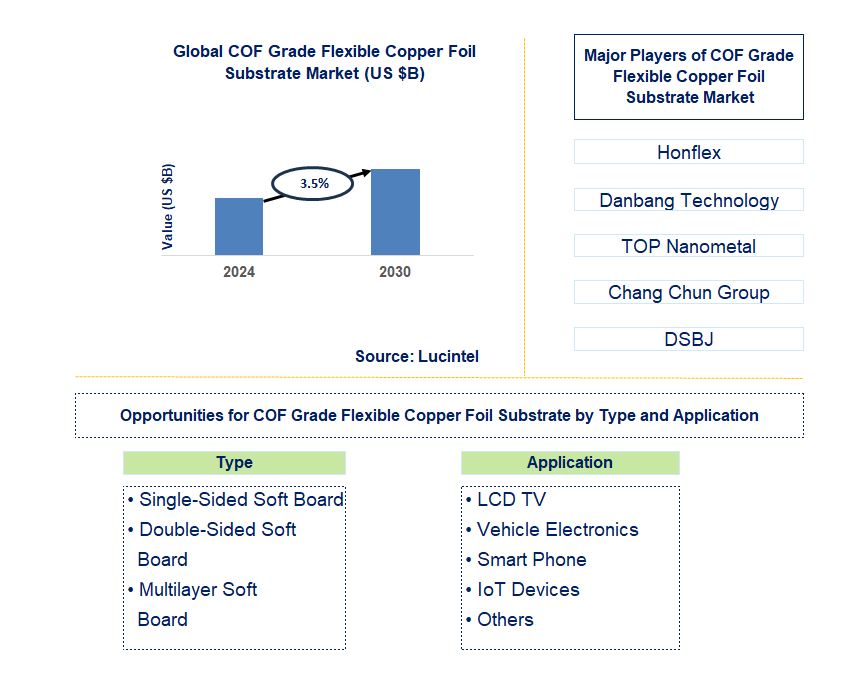
Key data points: The growth forecast = 3.5% annually next 6 years. Scroll below to get more insights. This market report covers trends, opportunities, and forecast in the global cof grade flexible copper foil substrate market to 2030 by type (single-sided soft board, double-sided soft board, and multilayer soft board), application (lcd tv, vehicle electronics, smart phone, iot devices, and others), and region (North America, Europe, Asia Pacific, and the Rest of the World)
We'll send your sample report shortly.
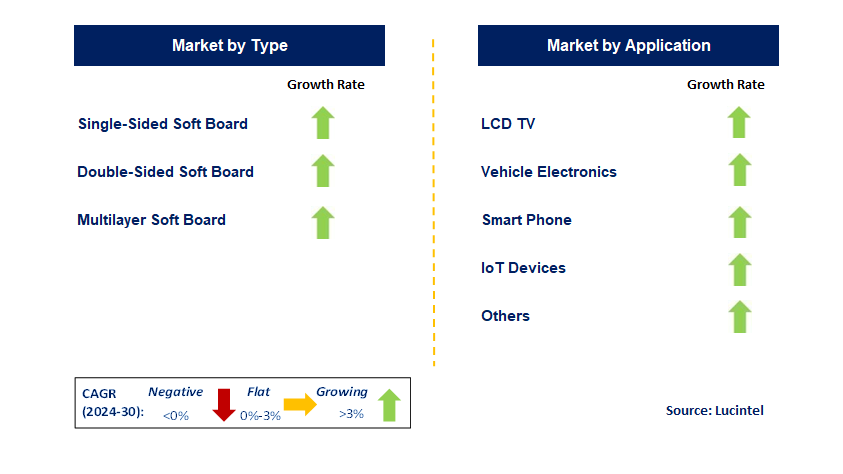
• Lucintel forecasts that, within the type category, single-sided soft board is expected to witness the highest growth over the forecast period.
• Within the application category, lcd tv is expected to witness the highest growth.
• In terms of regions, North America is expected to witness the highest growth over the forecast period. Gain Valuable insights for your business decisions with our comprehensive 150+ page report.
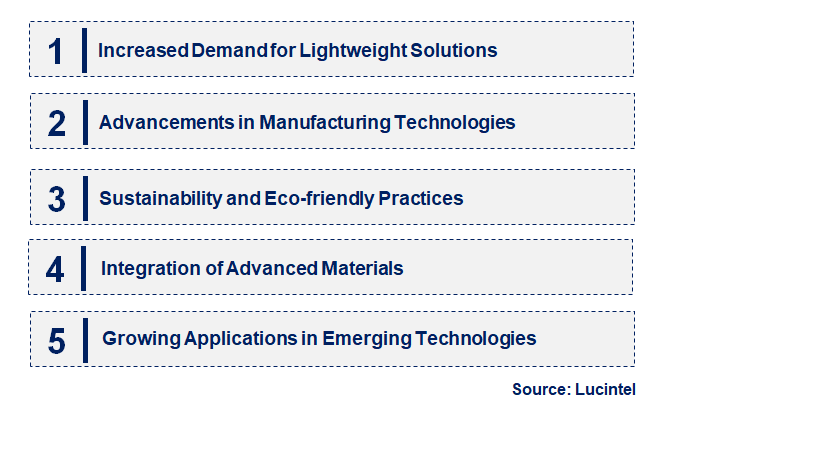
• Increased Demand for Lightweight Solutions: The push for lighter devices, particularly in the consumer electronics and automotive sectors, is driving the demand for chip-on-flex flexible copper foil substrates. As manufacturers focus on reducing the overall weight of products, chip-on-flex flexible copper foiltechnology offers an excellent solution due to its thin profile and flexibility. This trend is especially significant in smartphones, tablets, and electric vehicles, where weight reduction can lead to improved energy efficiency and user experience. The ongoing trend towards miniaturization in electronic devices further fuels the need for lightweight, flexible interconnect solutions.
• Advancements in Manufacturing Technologies: Innovations in manufacturing processes are reshaping the chip-on-flex flexible copper foil market, with automation and precision engineering becoming increasingly prevalent. Advanced techniques such as laser processing and automated assembly lines improve production efficiency and reduce costs. These technological advancements enable manufacturers to produce high-quality substrates at scale, meeting the rising demand from various industries. Furthermore, enhanced manufacturing capabilities allow for more complex designs and functionalities, supporting the development of next-generation electronic devices.
• Sustainability and Eco-friendly Practices: Sustainability is becoming a key focus in the chip-on-flex flexible copper foil market as companies aim to reduce their environmental impact. Manufacturers are investing in eco-friendly materials and processes, such as recyclable substrates and waste-reduction techniques. This trend is driven by increasing regulatory pressure and consumer demand for sustainable products. By prioritizing sustainability, companies can not only enhance their brand reputation but also comply with environmental standards, making them more competitive in a market that increasingly values green technology.
• Integration of Advanced Materials: The integration of advanced materials into chip-on-flex flexible copper foil substrates is another emerging trend. Manufacturers are exploring options like nano-coatings and hybrid materials that enhance thermal and electrical performance. These advancements allow for better signal integrity and heat dissipation, crucial for high-performance applications in telecommunications and computing. As electronic devices become more sophisticated, the demand for substrates that can withstand higher operational demands continues to grow, driving innovation in material science within the chip-on-flex flexible copper foilsector.
• Growing Applications in Emerging Technologies The applications of chip-on-flex flexible copper foil technology are expanding beyond traditional uses. With the rise of the Internet of Things (IoT), wearable technology, and augmented reality, there is an increasing need for flexible and efficient interconnect solutions. chip-on-flex flexible copper foil substrates are well-suited for these emerging technologies due to their flexibility and adaptability. As industries increasingly adopt these technologies, the demand for chip-on-flex flexible copper foil substrates tailored for specific applications will grow, leading to further innovation and market diversification. These trends are significantly reshaping the chip-on-flex flexible copper foil substrate market by driving innovation, enhancing sustainability, and broadening applications. As manufacturers adapt to these developments, they are better positioned to meet the evolving demands of the electronics landscape. The convergence of lightweight design, advanced materials, and sustainable practices will not only enhance product performance but also create new opportunities for growth, ensuring that the chip-on-flex flexible copper foil market remains a vital component of the future of flexible electronics.
• Advanced Material Innovations: Recent innovations in materials, such as the use of high-conductivity copper and hybrid substrates, have enhanced the performance characteristics of chip-on-flex products. These advancements improve electrical conductivity and thermal management, making them suitable for demanding applications in high-speed electronics. The introduction of flexible and lightweight materials allows manufacturers to create thinner and more compact designs, which is increasingly important in consumer electronics and automotive applications. This trend is facilitating the development of devices that are not only lighter but also more efficient and durable.
• Automation in Manufacturing: The adoption of automation technologies in the manufacturing of chip-on-flex substrates has significantly improved production efficiency and quality. Automated assembly lines and precision manufacturing techniques reduce the risk of human error and enhance output consistency. This shift allows companies to scale operations more effectively, meeting rising demand without compromising quality. The efficiency gains achieved through automation also translate to lower production costs, making chip-on-flex substrates more competitive in the market and enabling manufacturers to invest in further innovations.
• Eco-friendly Manufacturing Practices: Sustainability is becoming increasingly important in the chip-on-flex market, with manufacturers adopting eco-friendly practices and materials. This includes the development of recyclable substrates and the implementation of waste-reduction strategies in production. The emphasis on sustainability is not only driven by regulatory requirements but also by consumer preferences for environmentally responsible products. As companies prioritize sustainable practices, they enhance their brand image and meet the growing demand for green technology, ultimately contributing to a more responsible electronics industry.
• Enhanced Flexibility and Performance: Recent advancements have led to chip-on-flex substrates that offer improved flexibility and performance under various conditions. Innovations in polymer materials and bonding techniques have resulted in substrates that can withstand higher temperatures and mechanical stress. This enhanced durability is crucial for applications in automotive and wearable technology, where reliability is paramount. As chip-on-flex substrates become more resilient, they are increasingly adopted in diverse applications, broadening their market reach and potential.
• Expansion into New Applications: The chip-on-flex flexible copper foil substrate market is witnessing an expansion into new applications, driven by the rise of the Internet of Things (IoT), wearables, and augmented reality. These emerging technologies require advanced interconnect solutions that chip-on-flex substrates can provide due to their flexibility and high performance. As industries continue to innovate and seek efficient solutions, the versatility of chip-on-flex substrates positions them as essential components for next-generation devices, driving further growth and diversification in the market. These developments are significantly impacting the chip-on-flex flexible copper foil substrate market by driving innovation, enhancing sustainability, and expanding application possibilities. As manufacturers adapt to these changes, they are positioned to meet the evolving demands of various industries, ensuring that chip-on-flex substrates remain integral to the future of flexible electronics. This dynamic landscape not only fosters competitive advantage but also promotes the growth of new technologies, ultimately shaping the direction of the electronics industry as a whole.
• Consumer Electronics: The consumer electronics sector is a primary growth opportunity for chip-on-flex substrates, driven by the demand for thinner and lighter devices. As smartphones, tablets, and laptops continue to evolve, the need for advanced interconnect solutions is rising. chip-on-flex substrates provide the necessary flexibility and performance, allowing manufacturers to design sleeker devices without compromising functionality. By investing in research and development for innovative chip-on-flex solutions tailored for this sector, companies can capture significant market share and meet the ever-changing consumer preferences for compact and high-performance electronics.
• Automotive Applications: The automotive industry presents a growing opportunity for chip-on-flex substrates, especially with the rise of electric vehicles (EVs) and advanced driver-assistance systems (ADAS). These applications require lightweight, high-performance interconnect solutions that chip-on-flex technology can provide. As automotive manufacturers focus on enhancing vehicle efficiency and safety, the demand for flexible substrates that can handle high temperatures and mechanical stress is increasing. By developing chip-on-flex solutions specifically designed for automotive applications, manufacturers can tap into this expanding market and support the industry's transition towards electrification and automation.
• Telecommunications: Telecommunications is another key application driving growth in the chip-on-flex market, particularly with the rollout of 5G technology. The demand for faster data transmission and improved network performance necessitates advanced interconnect solutions. chip-on-flex substrates offer the flexibility and performance required for high-density applications, enabling efficient connections in 5G infrastructure and devices. As telecom companies invest in expanding their networks, manufacturers that focus on developing chip-on-flex solutions tailored for telecommunications can gain a competitive edge and drive significant revenue growth.
• Wearable Technology: The rise of wearable technology is creating substantial opportunities for chip-on-flex substrates. Devices like smartwatches and fitness trackers require lightweight, flexible solutions that can fit into compact designs while maintaining performance. chip-on-flex technology is well-suited for these applications, offering the necessary durability and efficiency. As consumer interest in health and fitness continues to grow, manufacturers who innovate chip-on-flex solutions for wearables can capture market share and contribute to the advancement of this burgeoning sector.
• Medical Devices: The medical device market represents a promising growth opportunity for chip-on-flex substrates, particularly in applications such as diagnostic equipment and wearable health monitors. These devices require reliable, flexible, and high-performance interconnects that chip-on-flex technology can provide. As healthcare becomes increasingly digitized and patient monitoring devices proliferate, the demand for advanced substrates that support connectivity and functionality will grow. By focusing on developing chip-on-flex solutions tailored for the medical sector, manufacturers can establish themselves as leaders in this critical market. These strategic growth opportunities across key applications are significantly impacting the chip-on-flex flexible copper foil substrate market. By focusing on consumer electronics, automotive, telecommunications, wearables, and medical devices, manufacturers can drive innovation and expand their market presence. Capitalizing on these trends not only enhances competitiveness but also contributes to the overall evolution of flexible electronics, positioning the chip-on-flex market for sustained growth.
• Technological Advancements: Continuous technological advancements are a major driver for the chip-on-flex market. Innovations in materials science and manufacturing processes are enabling the production of more efficient and reliable substrates. Developments such as improved thermal management, higher electrical conductivity, and enhanced flex ibility are making chip-on-flex substrates more appealing for various applications. As industries increasingly adopt these advanced technologies, the demand for chip-on-flex solutions is expected to rise, driving growth in the market.
• Rising Demand for Miniaturization: The increasing demand for smaller, lighter electronic devices is significantly boosting the chip-on-flex market. As consumers seek more compact products, manufacturers are turning to chip-on-flex technology to achieve miniaturization without compromising performance. This trend is particularly evident in the consumer electronics and automotive sectors, where sleek designs are crucial. The ability of chip-on-flex substrates to support smaller form factors while maintaining high functionality positions them as an essential component in meeting market demands.
• Focus on Sustainability: Sustainability is becoming a key driver in the chip-on-flex market as companies and consumers prioritize environmentally friendly practices. Manufacturers are increasingly adopting eco-friendly materials and production processes to minimize their environmental impact. This shift not only enhances brand reputation but also meets regulatory requirements and consumer expectations for sustainable products. The focus on sustainability is driving innovation in chip-on-flex technology, leading to the development of recyclable and energy-efficient substrates.
• Growth of IoT and Wearables: The rapid expansion of the Internet of Things (IoT) and wearable technology is creating a robust demand for chip-on-flex substrates. These applications require flexible, high-performance interconnect solutions that can accommodate various connectivity needs. As the market for smart devices continues to grow, the need for advanced substrates that support reliable and efficient communication will drive the adoption of chip-on-flex technology. This trend presents significant growth opportunities for manufacturers in the chip-on-flex market.
• Increasing Investment in R&D: Growing investment in research and development within the electronics sector is fostering innovation in chip-on-flex substrates. Companies are allocating resources to explore new materials and manufacturing techniques that enhance substrate performance. This focus on R&D is leading to breakthroughs that improve durability, efficiency, and functionality, further driving market growth. As manufacturers strive to differentiate their products, R&D investments will continue to play a critical role in shaping the future of the chip-on-flex market. Challenges in the chip-on-flex grade flexible copper foil substrate market are:
• High Manufacturing Costs: One of the key challenges facing the chip-on-flex market is the high cost of manufacturing advanced substrates. The production processes often involve expensive materials and specialized equipment, which can deter smaller players from entering the market. These high costs can also limit profit margins for manufacturers, making it essential to find ways to optimize production efficiency and reduce expenses. Addressing this challenge is crucial for sustaining growth and competitiveness in the chip-on-flex market.
• Supply Chain Disruptions: Supply chain disruptions pose a significant challenge for the chip-on-flex substrate market, particularly in the wake of global events such as the COVID-19 pandemic. Fluctuations in raw material availability and transportation issues can lead to delays in production and increased costs. Manufacturers must navigate these uncertainties to ensure a steady supply of components. Developing robust supply chain strategies and diversifying sourcing options are essential to mitigate the impact of disruptions on chip-on-flex production.
• Stringent Regulatory Requirements: The chip-on-flex market is subject to various regulatory requirements related to materials and manufacturing processes. Compliance with environmental standards and safety regulations can increase production costs and complexity. Additionally, navigating the regulatory landscape can be time-consuming for manufacturers. Ensuring compliance while maintaining competitive pricing is a challenge that companies must address to succeed in the chip-on-flex substrate market. Understanding and adapting to these regulations will be crucial for market participants. The drivers and challenges facing the chip-on-flex flexible copper foil substrate market significantly influence its trajectory. While technological advancements, demand for miniaturization, and a focus on sustainability present substantial growth opportunities, high manufacturing costs, supply chain disruptions, and stringent regulatory requirements pose challenges that must be navigated. Balancing these factors will be critical for stakeholders seeking to capitalize on the potential of the chip-on-flex market while ensuring long-term sustainability and competitiveness.
• Honflex
• Danbang Technology
• TOP Nanometal Corporation
• Chang Chun Group
• DSBJ
• DuPont
• Nippon Steel Corporation
• Single-Sided Soft Board
• Double-Sided Soft Board
• Multilayer Soft Board
• LCD TV
• Vehicle Electronics
• Smart Phone
• IoT Devices
• Others
• North America
• Europe
• Asia Pacific
• The Rest of the World
• United States: In the U.S., the chip-on-flex flexible copper foil substrate market has advanced with the integration of new materials that enhance thermal conductivity and flexibility. Major companies are investing in R&D to produce more reliable and efficient substrates for high-performance applications, especially in consumer electronics. Additionally, the push for sustainable practices has led to the development of eco-friendly manufacturing processes, reducing waste and energy consumption.
• China: China remains a dominant player in the chip-on-flex flexible copper foil substrate market, focusing on scaling production capabilities. Recent developments include advancements in automated manufacturing technologies, which improve efficiency and reduce costs. The Chinese government is also supporting innovation through funding and policies aimed at enhancing the semiconductor supply chain, fostering a robust ecosystem for chip-on-flex flexible copper foil substrate applications, particularly in mobile devices and electric vehicles.
• Germany: Germany is emphasizing precision engineering and quality in the chip-on-flex flexible copper foil substrate market. Recent developments include collaborations between manufacturers and research institutions to innovate substrate materials with improved electrical performance. The industry is also shifting towards smart manufacturing technologies, enabling greater customization and efficiency. This focus on quality aligns with Germany reputation for engineering excellence, particularly in the automotive sector.
• India: In India, the chip-on-flex flexible copper foil substrate market is emerging, supported by a growing electronics manufacturing sector. Recent developments include investments from both domestic and international players in production facilities, driven by the "Make in India" initiative. Indian companies are also exploring partnerships to enhance technological capabilities and meet the rising demand for flexible substrates in consumer electronics and telecommunications.
• Japan: Japan continues to be at the forefront of chip-on-flex flexible copper foil substrate innovation, particularly in high-density applications. Recent advancements include the development of ultra-thin copper foils that offer enhanced performance while reducing weight. Japanese firms are also focusing on advanced bonding techniques to improve substrate reliability. Additionally, the market is seeing increased collaboration between industry leaders and academia to push the boundaries of flexible electronics technology. A more than 150-page report is developed to help in your business decisions.


• Honflex
• Danbang Technology
• TOP Nanometal Corporation
• Chang Chun Group
• DSBJ
• DuPont
• Nippon Steel Corporation Q5. Which COF grade flexible copper foil substrate market segment will be the largest in future? Answer: Lucintel forecasts that single-sided soft board is expected to witness the highest growth over the forecast period. Q6. In COF grade flexible copper foil substrate market, which region is expected to be the largest in next 5 years? Answer: North America is expected to witness highest growth over the forecast period. Q.7 Do we receive customization in this report? Answer: Yes, Lucintel provides 10% customization without any additional cost.


Choose a license that fits your team. Instant PDF delivery.
Prices exclude taxes. Instant delivery. Custom licensing available on request.
Market Report · July 22, 2026
Market Report · July 22, 2026
Market Report · July 22, 2026
Trusted partner for strategic intelligence and business growth


Receive a complimentary market analysis tailored to your industry. Our analysts will identify key growth opportunities and competitive dynamics specific to your business.

Market size, growth rate, and key trend analysis for your specific sector.

Top competitor positioning and market share analysis.

Strategic recommendations backed by data-driven insights.
Get curated market intelligence and competitive moves straight to your inbox.
By subscribing, you agree to receive our monthly insights. Unsubscribe anytime.
Receive a complimentary market analysis tailored to your industry. Our analysts will identify key growth opportunities and competitive dynamics specific to your business.
Market size, growth rate, and key trend analysis for your specific sector.
Top competitor positioning and market share analysis.
Strategic recommendations backed by data-driven insights.
Get curated market intelligence, emerging trends, and competitive moves straight to your inbox each month.
By subscribing, you agree to receive our monthly insights. Unsubscribe anytime.
We'll send your sample report shortly.