
Report Feature
Cloud Security Software Market Trends and Forecast
The technologies in the cloud security software market have undergone significant changes in recent years, with a shift from traditional perimeter-based security solutions to AI-powered threat detection and automated security protocols. This shift reflects the industry’s need to adapt to more sophisticated cyber threats and the growing reliance on cloud infrastructure for business operations. As cloud environments become more complex, security solutions are evolving to address new challenges like data breaches, advanced persistent threats, and compliance requirements.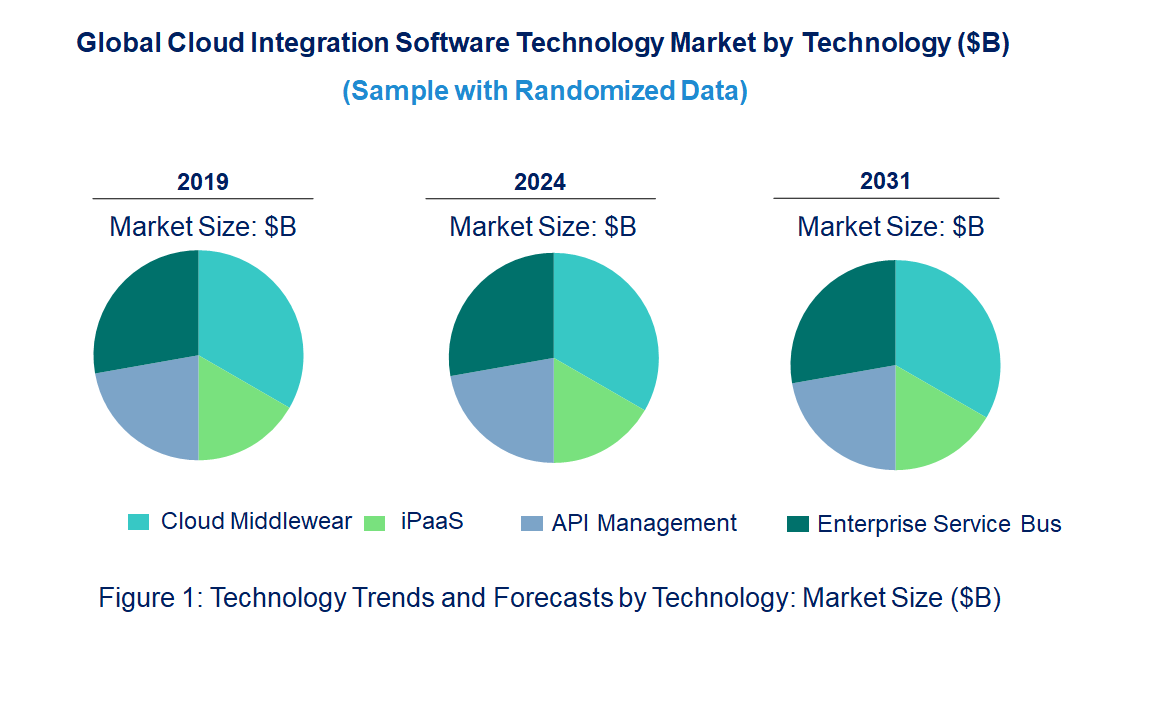
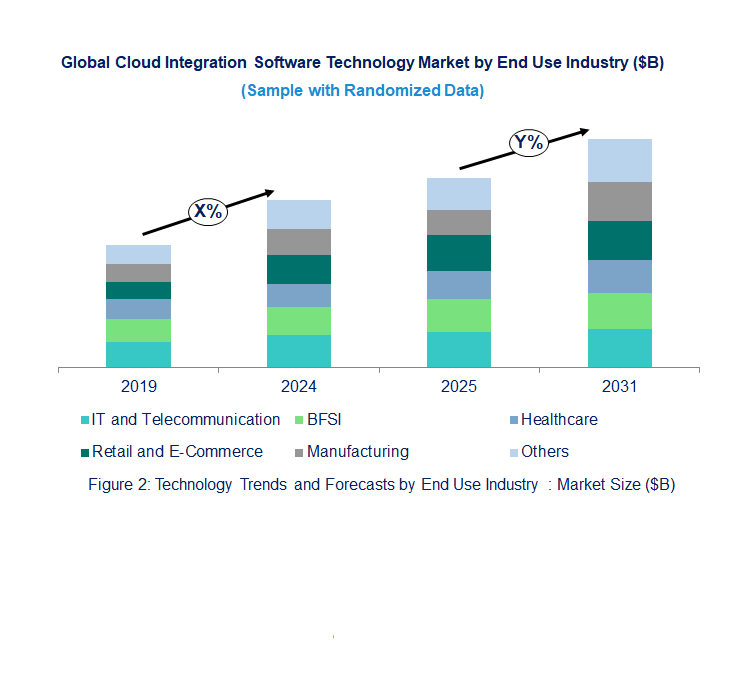
Emerging Trends in the Cloud Security Software Market
The cloud security software market has been evolving rapidly, with organizations adopting new technologies to combat advanced threats and ensure secure cloud adoption. These emerging trends highlight the industry’s shifting priorities and how cloud security is becoming more integrated and intelligent.• AI and Machine Learning Integration: Cloud security solutions are increasingly incorporating AI and machine learning to provide real-time threat detection, predictive analytics, and automated responses to security incidents. This trend improves the efficiency and accuracy of threat identification, reducing the burden on security teams and enhancing cloud infrastructure protection.
• Zero Trust Security Models: The adoption of zero trust security frameworks is on the rise, emphasizing continuous authentication, validation, and least-privilege access. This trend shifts security from traditional perimeter-based models to identity and access management that verifies every user and device request, regardless of their location within the network.
• Cloud-Native Security Tools: Cloud-native security tools are designed to integrate seamlessly with cloud environments, offering enhanced scalability and flexibility. These tools are optimized to work in multi-cloud and hybrid cloud settings, providing real-time security across distributed cloud services and applications without compromising performance.
• Automated Cloud Security Management: Automation in cloud security management is becoming a significant trend, allowing organizations to continuously monitor, detect, and respond to security threats with minimal human intervention. This trend helps streamline security processes, reduce errors, and improve incident response times, which is crucial in fast-paced cloud environments.
• Data Privacy and Compliance Enhancements: As data privacy regulations such as GDPR and CCPA evolve, cloud security software is increasingly focused on ensuring compliance. Security providers are offering tools that help businesses meet regulatory requirements, ensuring secure data storage and transmission while protecting customer privacy across global jurisdictions. These emerging trends are reshaping the cloud security software market by making security solutions smarter, more integrated, and automated. As organizations continue to migrate to the cloud, these trends enable better protection, compliance, and management of cloud environments.
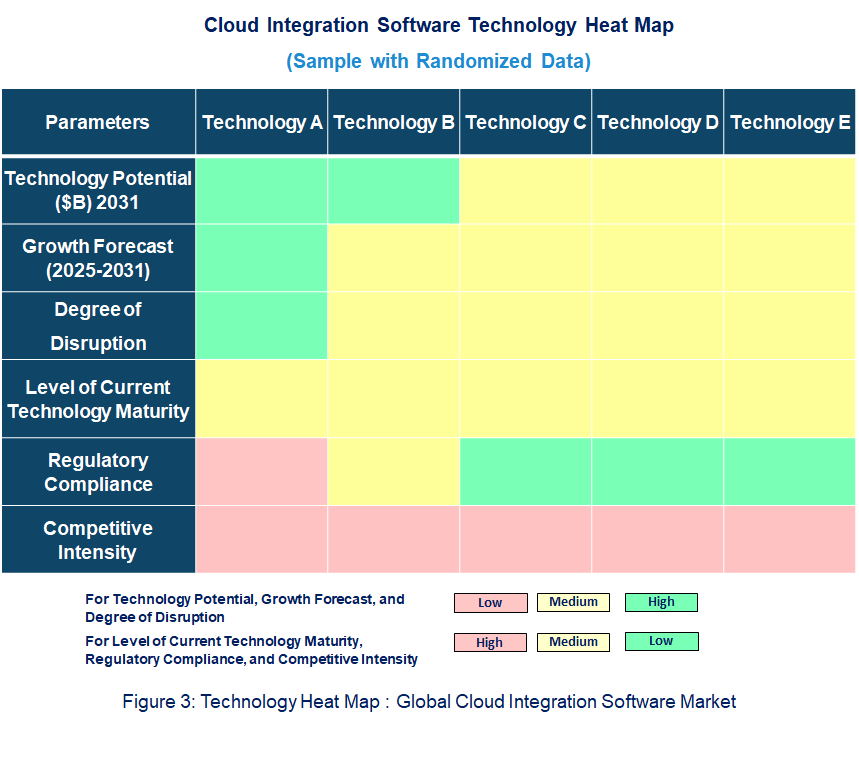
Cloud Security Software Market : Industry Potential, Technological Development, and Compliance Considerations
The cloud security software market is evolving rapidly as organizations shift critical infrastructure to the cloud. Cloud security technologies are designed to protect data, applications, and services hosted in cloud environments, addressing the unique challenges posed by this shift, such as data breaches, cyberattacks, and regulatory compliance.• Technology Potential: Cloud security software has immense potential to enhance data protection, streamline security management, and automate threat detection. The growing adoption of AI, machine learning, and advanced encryption methods enhances real-time threat identification, predictive analytics, and incident response, significantly improving overall cloud security.
• Degree of Disruption: Cloud security is disrupting traditional security models by shifting the focus from perimeter-based protection to securing data in dynamic, distributed cloud environments. This transformation reduces reliance on on-premises hardware and enables businesses to scale security alongside their cloud infrastructure, improving flexibility and cost-efficiency. The adoption of Zero Trust models and AI-powered threat management is further transforming security practices.
• Level of Current Technology Maturity: While cloud security technologies are mature in areas like access control, encryption, and basic threat detection, AI-driven and automated solutions are still evolving. Integration with multi-cloud environments and real-time response capabilities is a key area of ongoing development.
• Regulatory Compliance: Cloud security solutions must adhere to stringent regulatory standards such as GDPR, HIPAA, and CCPA. Ensuring compliance with these frameworks is a critical aspect of cloud security software, influencing its design and implementation. Cloud security software is reshaping the IT landscape, offering enhanced security, scalability, and flexibility, with further advancements needed to fully realize its potential.
Recent Technological development in Cloud Security Software Market by Key Players
Key players in the cloud security software market, such as Amazon Web Services, Inc., Broadcom, Inc., Check Point Software Technologies Ltd., Cisco Systems, Inc., and Extreme Networks, Inc., have made notable advancements in their cloud security offerings. These developments reflect the growing importance of secure cloud adoption and the shift towards more advanced, scalable, and efficient security technologies.• Amazon Web Services, Inc.: AWS has expanded its cloud security portfolio with innovations such as AWS Security Hub and Amazon GuardDuty, enhancing threat detection and compliance capabilities across multi-cloud environments. AWS’s proactive approach helps businesses mitigate potential threats, strengthen their cloud infrastructure, and meet regulatory requirements, solidifying its leadership in the cloud security space.
• Broadcom, Inc.: Broadcom has developed advanced cloud security solutions, particularly through its acquisition of Symantec’s enterprise security business. The integration of Broadcom’s security technologies has enabled more robust protection for cloud environments, focusing on data loss prevention, endpoint security, and secure access. This positions Broadcom as a key player in providing comprehensive, end-to-end cloud security solutions.
• Check Point Software Technologies Ltd.: Check Point Software has enhanced its CloudGuard platform, integrating threat intelligence and automated security management to provide multi-cloud protection. With a focus on network security, workload protection, and compliance, Check Point’s advancements help organizations better defend their cloud infrastructure from evolving cyber threats.
• Cisco Systems, Inc.: Cisco’s cloud security solutions have grown with the introduction of Cisco Umbrella and SecureX. These tools offer integrated security management for cloud and on-premise infrastructures, providing comprehensive protection against web-based threats. Cisco’s investments in automation and AI-driven security solutions position it as a leader in securing hybrid and multi-cloud environments.
• Extreme Networks, Inc.: Extreme Networks has enhanced its cloud security offerings with integrated network security and visibility tools. Their solutions enable real-time monitoring of network traffic, providing better detection and response to potential threats. This focus on cloud-based security management aligns with the increasing need for secure network infrastructures in highly dynamic environments. These developments highlight the growing importance of cloud security and the need for scalable, integrated solutions. With key players like AWS, Broadcom, Check Point, Cisco, and Extreme Networks at the forefront, cloud security is evolving to meet the demands of modern enterprises and emerging threats.
Cloud Security Software Market Driver and Challenges
The cloud security software market is influenced by various drivers and challenges that shape its growth. As organizations continue to embrace cloud technologies, understanding these factors is essential for navigating the market dynamics. The factors responsible for driving the global cloud security software market are:• Rising Cybersecurity Threats: The increasing frequency and sophistication of cyberattacks, including ransomware and phishing, are driving the need for robust cloud security solutions. As businesses shift to the cloud, securing sensitive data and applications becomes a top priority to prevent financial losses and reputational damage.
• Cloud Adoption and Digital Transformation: Rapid cloud adoption across industries is fueling the demand for cloud security software. As businesses migrate critical operations to the cloud, they require comprehensive security measures to protect their digital infrastructure, ensuring business continuity and compliance with regulations.
• Regulatory Compliance Requirements: Stringent regulations, such as GDPR and CCPA, require organizations to implement security measures that protect customer data. Cloud security solutions that ensure compliance with these evolving standards are in high demand, driving market growth as businesses work to avoid legal and financial penalties.
• Increased Demand for Data Privacy: Growing concerns over data privacy, coupled with consumer expectations, are encouraging businesses to invest in cloud security software that guarantees the protection of personal information. This trend is driving market growth as companies prioritize secure cloud environments to build trust and maintain brand reputation. Challenges facing the global cloud security software market are:
• Complexity of Multi-Cloud Environments: Managing security across multi-cloud environments presents significant challenges due to differences in security protocols, configurations, and compliance requirements. Organizations often struggle to secure their infrastructure effectively, hindering the adoption of cloud security solutions.
• Lack of Skilled Security Professionals: The demand for skilled cybersecurity professionals continues to outstrip supply, leading to a shortage of expertise to manage and implement cloud security solutions. This skills gap challenges organizations in fully utilizing cloud security technologies and responding effectively to threats.
• Integration with Legacy Systems: Integrating cloud security solutions with legacy on-premises systems remains a challenge for many organizations. Compatibility issues and the complexity of migrating older systems to cloud environments can delay the adoption of cloud security measures and increase the risk of security gaps. The drivers and challenges in the cloud security software market reflect a growing need for effective solutions to manage cybersecurity risks. As cloud adoption accelerates, organizations must navigate complexities, regulatory pressures, and a shortage of skilled talent to ensure comprehensive protection for their digital assets.
List of Cloud Security Software Companies
Companies in the market compete on the basis of product quality offered. Major players in this market focus on expanding their manufacturing facilities, R&D investments, infrastructural development, and leverage integration opportunities across the value chain. With these strategies cloud security software companies cater increasing demand, ensure competitive effectiveness, develop innovative products & technologies, reduce production costs, and expand their customer base. Some of the cloud security software companies profiled in this report includes.• Amazon Web Services, Inc.
• Broadcom, Inc.
• Check Point Software Technologies Ltd.
• Cisco Systems, Inc.
• Extreme Networks, Inc.
Cloud Security Software Market by Technology
• Technology Readiness by Technology Type: Cloud security technologies like AI and machine Learning are highly mature, providing advanced threat detection with strong data privacy compliance. Zero trust models are rapidly growing but face integration challenges and regulatory hurdles. Blockchain is still emerging for cloud security, focusing on data integrity. Cloud-native security solutions are mature, supporting multi-cloud environments with robust compliance features. Automated security tools are evolving, offering faster threat responses, but still need to meet varying regulations.
• Competitive Intensity and Regulatory Compliance: AI, zero trust, and cloud-native security tools drive intense competition in the cloud security software market. Blockchain is emerging but faces unclear regulatory guidelines. All technologies must comply with stringent standards like GDPR, CCPA, and HIPAA, ensuring secure data management across industries.
• Disruption Potential by Technology Type: AI and Machine Learning disrupt cloud security with predictive analytics, while zero trust transforms access controls. Blockchain offers secure, immutable data management, and Cloud-native security solutions offer flexible, scalable protection. Automated security tools streamline incident response, revolutionizing how cloud environments are secured.
Cloud Security Software Market Trend and Forecast by Technology [Value from 2019 to 2031]:
• Cloud Access Security Broker (CASB)
• Cloud Detection and Response (CDR)
• Cloud Security Posture Management (CSPM)
• Cloud Infrastructure Entitlement Management (CIEM)
• Cloud Workload Protection Platform (CWPP)
Cloud Security Software Market Trend and Forecast by End Use [Value from 2019 to 2031]:
• BFSI
• Retail & E-commerce
• IT & Telecom
• Healthcare
• Others
Cloud Security Software Market by Region [Value from 2019 to 2031]:
• North America
• Europe
• Asia Pacific
• The Rest of the World
• Latest Developments and Innovations in the Cloud Security Software Technologies
• Companies / Ecosystems
• Strategic Opportunities by Technology Type
Features of the Global Cloud Security Software Market
Market Size Estimates: Cloud security software market size estimation in terms of ($B). Trend and Forecast Analysis: Market trends (2019 to 2024) and forecast (2025 to 2031) by various segments and regions. Segmentation Analysis: Technology trends in the global cloud security software market size by various segments, such as end use and technology in terms of value and volume shipments. Regional Analysis: Technology trends in the global cloud security software market breakdown by North America, Europe, Asia Pacific, and the Rest of the World. Growth Opportunities: Analysis of growth opportunities in different end uses, technologies, and regions for technology trends in the global cloud security software market. Strategic Analysis: This includes M&A, new product development, and competitive landscape for technology trends in the global cloud security software market. Analysis of competitive intensity of the industry based on Porter’s Five Forces model.Table of Contents
Methodology
- In-depth interviews of the major players in this market
- Detailed secondary research from competitors’ financial statements and published data
- Extensive searches of published works, market, and database information pertaining to industry news, company press releases, and customer intentions
- A compilation of the experiences, judgments, and insights of Lucintel’s professionals, who have analyzed and tracked this market over the years.


Buy Now
Choose a license that fits your team. Instant PDF delivery.
Prices exclude taxes. Instant delivery. Custom licensing available on request.
Key Questions
- • What are some of the most promising potential, high-growth opportunities for the technology trends in the global cloud security software market by technology (cloud access security broker (casb), cloud detection and response (cdr), cloud security posture management (cspm), cloud infrastructure entitlement management (ciem), and cloud workload protection platform (cwpp)), end use (bfsi, retail & e-commerce, it & telecom, healthcare, and others), and region (North America, Europe, Asia Pacific, and the Rest of the World)?
- • Which technology segments will grow at a faster pace and why?
- • Which regions will grow at a faster pace and why?
- • What are the key factors affecting dynamics of different technology? What are the drivers and challenges of these technologies in the global cloud security software market?
- • What are the business risks and threats to the technology trends in the global cloud security software market?
- • What are the emerging trends in these technologies in the global cloud security software market and the reasons behind them?
- • Which technologies have potential of disruption in this market?
- • What are the new developments in the technology trends in the global cloud security software market? Which companies are leading these developments?
- • Who are the major players in technology trends in the global cloud security software market? What strategic initiatives are being implemented by key players for business growth?
- • What are strategic growth opportunities in this cloud security software technology space?
- • What M & A activities did take place in the last five years in technology trends in the global cloud security software market?


