
Market Report · July 16, 2026

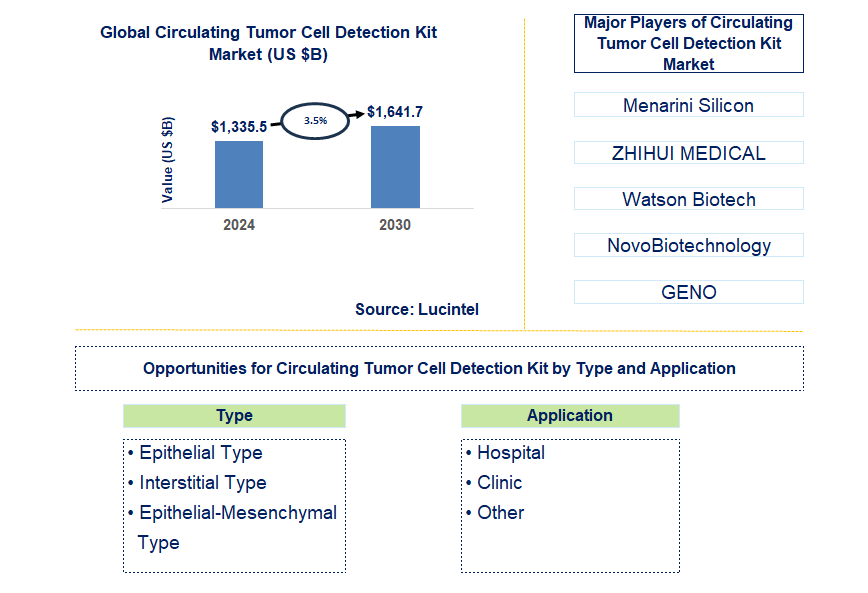
Key data points: The market size in 2030 = $1641.7 billion, growth forecast = 3.5% annually for the next 6 years. Scroll below to get more insights. This market report covers trends, opportunities, and forecast in the global circulating tumor cell detection kit market to 2030 by type (epithelial type, interstitial type, and epithelial-mesenchymal type), application (hospital, clinic, and other), and region (North America, Europe, Asia Pacific, and the Rest of the World)
We'll send your sample report shortly.
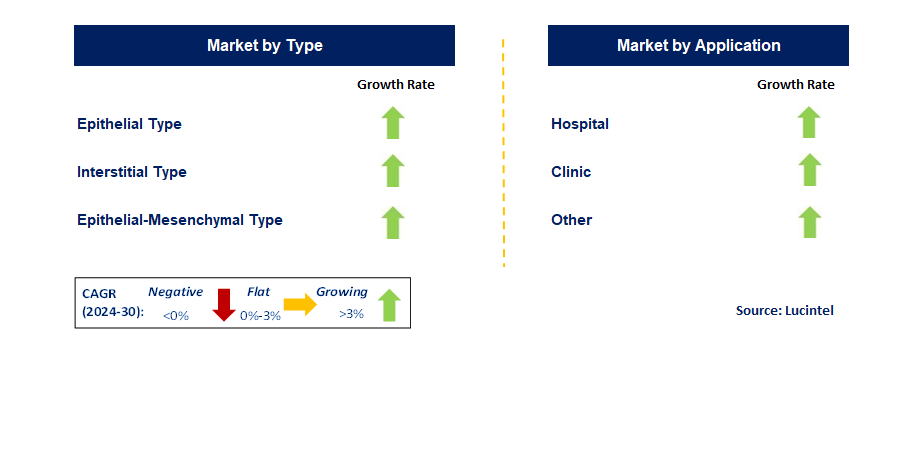
• Lucintel forecasts that, within the type category, epithelial type is expected to witness the highest growth over the forecast period.
• Within the application category, hospital and clinics is expected to witness a higher growth.
• In terms of regions, North America is expected to witness the highest growth over the forecast period. A more than 150-page report is developed to help in your business decisions.
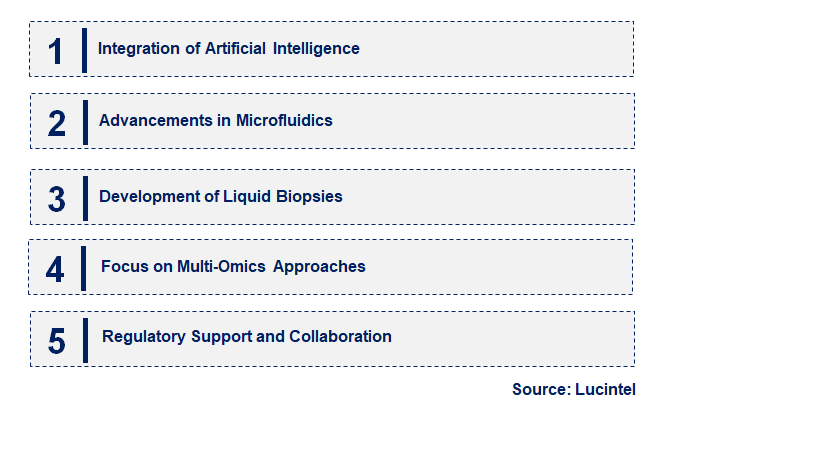
• Integration of Artificial Intelligence: The integration of artificial intelligence (AI) into CTC detection is revolutionizing data analysis. AI algorithms enhance the accuracy of CTC identification and characterization, enabling faster and more reliable results. This technology assists clinicians in interpreting complex data, ultimately leading to better patient outcomes and personalized treatment strategies.
• Advancements in Microfluidics: Microfluidics technology is gaining traction in the CTC detection kit market. By allowing the manipulation of tiny volumes of fluids, these systems improve the capture and analysis of circulating tumor cells with higher efficiency and sensitivity. This trend is paving the way for portable point-of-care testing solutions that can provide timely diagnostic information.
• Development of Liquid Biopsies: Liquid biopsies, which analyze biomarkers from bodily fluids, are becoming more prevalent in CTC detection. These minimally invasive procedures allow for continuous monitoring of cancer progression and treatment response. This trend is facilitating personalized medicine by enabling oncologists to tailor therapies based on real-time data from CTCs.
• Focus on Multi-Omics Approaches: The trend toward multi-omics approaches—integrating genomics, proteomics, and metabolomics—is enhancing the understanding of tumor biology. This holistic view allows for the comprehensive profiling of CTCs, providing deeper insights into tumor heterogeneity and aiding in the development of targeted therapies that can address specific patient needs.
• Regulatory Support and Collaboration: Growing regulatory support is encouraging innovation in the CTC detection market. Agencies are streamlining approval processes for new diagnostic kits and fostering collaboration between academia and industry. This trend is essential for accelerating the development of cutting-edge technologies and bringing effective solutions to market more quickly. The circulating tumor cell detection kit market is poised for significant growth as emerging trends like AI integration, microfluidics advancements, and regulatory support shape its future, ultimately enhancing cancer diagnostics and treatment.
• FDA Approvals for Innovative Kits: The U.S. Food and Drug Administration (FDA) has recently approved several new CTC detection kits that incorporate advanced technologies. These innovations focus on increasing the sensitivity and specificity of CTC detection, enabling healthcare providers to monitor cancer progression more effectively and tailor treatments based on individual patient profiles.
• Emergence of Point-of-Care Solutions: A new wave of point-of-care CTC detection kits is entering the market, designed for use in outpatient settings. These kits utilize simplified protocols and portable technologies, allowing healthcare professionals to conduct tests quickly and efficiently. This development is particularly beneficial for resource-limited environments, improving access to crucial diagnostic tools.
• Partnerships for Technology Development: Collaborations between biotech companies and research institutions are driving technological advancements in CTC detection. Recent partnerships focus on integrating next-generation sequencing and advanced imaging techniques into existing kits. This synergy enhances the ability to detect rare tumor cells and provides more comprehensive information about tumor biology.
• Focus on Personalized Medicine: The market is witnessing a shift toward personalized medicine, with CTC detection kits being tailored to assess treatment responses in real-time. Recent developments emphasize the need for kits that can analyze multiple biomarkers simultaneously, enabling oncologists to adapt therapies based on the evolving characteristics of a patient's tumor.
• Global Expansion of CTC Technologies: Companies are expanding their CTC detection technologies into emerging markets, particularly in Asia and Latin America. This expansion is driven by increasing cancer rates and the need for advanced diagnostic tools. Recent efforts include collaborations with local distributors to ensure that innovative CTC detection kits reach healthcare providers in these regions. Recent developments in the circulating tumor cell detection kit market reflect a dynamic landscape, with innovations in technology, partnerships, and a focus on personalized medicine driving improvements in cancer diagnostics and treatment accessibility.
• Expansion into Emerging Markets: Emerging markets in Asia, Africa, and Latin America represent significant growth opportunities for CTC detection kits. Rising cancer rates and increased healthcare investments are driving demand for advanced diagnostic solutions. Companies can tap into these markets by forming local partnerships and adapting their products to meet regional needs, ensuring broader access to CTC technologies.
• Integration of Artificial Intelligence: The incorporation of artificial intelligence (AI) in CTC detection processes offers a transformative growth opportunity. AI can enhance data analysis and interpretation, making CTC identification faster and more accurate. Companies that develop AI-driven solutions can differentiate themselves and provide valuable insights to oncologists, facilitating better patient management and outcomes.
• Development of Combination Diagnostics: There is a growing trend toward developing combination diagnostic kits that integrate CTC detection with other biomarker assessments. This holistic approach can provide a more comprehensive view of a patient's tumor biology and response to treatment. Companies that innovate in this space can enhance the utility of their products, appealing to healthcare providers seeking more informative diagnostic tools.
• Focus on Research and Development: Investing in research and development is crucial for advancing CTC detection technologies. Companies that prioritize R&D can develop next-generation kits with improved sensitivity, specificity, and usability. This focus can lead to breakthroughs in liquid biopsy technologies, positioning firms as leaders in a rapidly evolving market.
• Regulatory Engagement for Faster Approvals: Engaging proactively with regulatory agencies can expedite the approval process for new CTC detection kits. Companies that navigate the regulatory landscape effectively can bring innovative products to market more quickly. This strategic engagement can also foster collaboration opportunities, enhancing the credibility and visibility of their offerings within the industry. Strategic growth opportunities in the circulating tumor cell detection kit market, including expansion into emerging markets, AI integration, combination diagnostics, R&D investment, and regulatory engagement, position companies for success in a competitive and evolving landscape.
• Rising Cancer Incidence: The increasing global incidence of cancer is a major driver for the CTC detection kit market. As more people are diagnosed with various types of cancer, there is a growing demand for effective diagnostic tools that enable early detection and monitoring. This heightened need encourages healthcare providers to adopt advanced CTC technologies, thus expanding market opportunities.
• Technological Advancements: Continuous innovations in technology, such as microfluidics and next-generation sequencing, are propelling the CTC detection market. These advancements enhance the sensitivity and specificity of detection kits, making them more reliable for clinical applications. Companies that leverage cutting-edge technologies can offer superior products, attracting both healthcare professionals and patients.
• Shift Toward Personalized Medicine: The growing trend toward personalized medicine is driving the demand for CTC detection kits. Oncologists are increasingly seeking tailored treatment plans based on individual patient profiles, and CTC analysis provides critical insights for these personalized approaches. This focus on customized treatment is creating lucrative opportunities for companies in the CTC detection space.
• Increasing Investment in Cancer Research: Significant investments in cancer research and development are further fueling the CTC detection market. Government agencies, private organizations, and pharmaceutical companies are dedicating resources to innovative cancer diagnostics, including CTC technologies. This influx of funding fosters collaboration and accelerates the development of new, effective diagnostic solutions
• Awareness of Liquid Biopsy Benefits: The growing awareness of the advantages of liquid biopsies is a crucial driver for the CTC detection kit market. Patients and healthcare providers recognize the benefits of non-invasive testing methods, which reduce the need for traditional tissue biopsies. As knowledge about liquid biopsies spreads, demand for CTC detection kits is expected to rise. Challenges in the circulating tumor cell detection kit market are:
• High Costs of Technology: One of the significant challenges in the CTC detection kit market is the high cost associated with advanced technologies. Many CTC detection kits are priced at a premium due to the complexity of their development and manufacturing processes. This high cost can limit accessibility, particularly in resource-limited settings, affecting widespread adoption.
• Regulatory Hurdles: Navigating the regulatory landscape can pose challenges for companies seeking to launch new CTC detection products. Stringent approval processes and varying regulatory requirements across regions can delay time-to-market and increase operational costs. Companies must invest time and resources to ensure compliance with these regulations, impacting their competitiveness.
• Competition and Market Saturation: The increasing number of players entering the CTC detection market presents challenges related to competition and market saturation. As more companies offer similar products, distinguishing their offerings becomes critical. This competitive pressure can lead to price wars, impacting profit margins and necessitating ongoing innovation to maintain market relevance. The circulating tumor cell detection kit market is driven by rising cancer incidence, technological advancements, personalized medicine trends, increased research investment, and awareness of liquid biopsy benefits, while facing challenges such as high costs, regulatory hurdles, and intense competition.
• Menarini Silicon Biosystems
• ZHIHUI MEDICAL
• Watson Biotech
• NovoBiotechnology
• GENO
• BioMab
• STEMCELL Technologies
• Epithelial Type
• Interstitial Type
• Epithelial-Mesenchymal Type
• Hospital
• Clinic
• Other
• North America
• Europe
• Asia Pacific
• The Rest of the World
• United States: The U.S. market is witnessing innovative breakthroughs with the FDA approving several new CTC detection kits that enhance sensitivity and specificity. Companies are investing heavily in research and development, focusing on liquid biopsy technologies that allow for less invasive cancer monitoring and personalized treatment plans.
• China: The Chinese CTC detection market is expanding due to increasing healthcare investments and a rising cancer incidence. Local biotech firms are developing affordable kits tailored for domestic use, and collaborations with international companies are enhancing technology transfer and market access.
• Germany: Germany remains a leader in Europe for CTC technology, with significant advancements in microfluidics and digital imaging. German firms are focusing on integrating artificial intelligence into their detection kits, improving accuracy and workflow efficiency for clinical laboratories.
• India: In India, the CTC detection kit market is growing as awareness of cancer and early detection rises. Local startups are innovating cost-effective solutions for CTC detection, aiming to make advanced cancer diagnostics more accessible in both urban and rural areas.
• Japan: The Japanese market is characterized by a strong emphasis on precision medicine. Recent developments include partnerships between universities and private companies to enhance CTC detection methodologies, integrating advanced technologies like next-generation sequencing to improve diagnostic capabilities.


• Menarini Silicon Biosystems
• ZHIHUI MEDICAL
• Watson Biotech
• NovoBiotechnology
• GENO
• BioMab
• STEMCELL Technologies Q6. Which circulating tumor cell detection kit market segment will be the largest in the future? Answer: Lucintel forecasts that epithelial type is expected to witness the highest growth over the forecast period. Q7. In the circulating tumor cell detection kit market, which region is expected to be the largest in the next 5 years? Answer: North America is expected to witness the highest growth over the forecast period. Q.8 Do we receive customization in this report? Answer: Yes, Lucintel provides 10% customization without any additional cost.


Choose a license that fits your team. Instant PDF delivery.
Prices exclude taxes. Instant delivery. Custom licensing available on request.
Market Report · July 16, 2026
Market Report · May 18, 2026
Market Report · May 18, 2026
Trusted partner for strategic intelligence and business growth


Receive a complimentary market analysis tailored to your industry. Our analysts will identify key growth opportunities and competitive dynamics specific to your business.

Market size, growth rate, and key trend analysis for your specific sector.

Top competitor positioning and market share analysis.

Strategic recommendations backed by data-driven insights.
Get curated market intelligence and competitive moves straight to your inbox.
By subscribing, you agree to receive our monthly insights. Unsubscribe anytime.
Receive a complimentary market analysis tailored to your industry. Our analysts will identify key growth opportunities and competitive dynamics specific to your business.
Market size, growth rate, and key trend analysis for your specific sector.
Top competitor positioning and market share analysis.
Strategic recommendations backed by data-driven insights.
Get curated market intelligence, emerging trends, and competitive moves straight to your inbox each month.
By subscribing, you agree to receive our monthly insights. Unsubscribe anytime.
We'll send your sample report shortly.