
Market Report · July 31, 2026

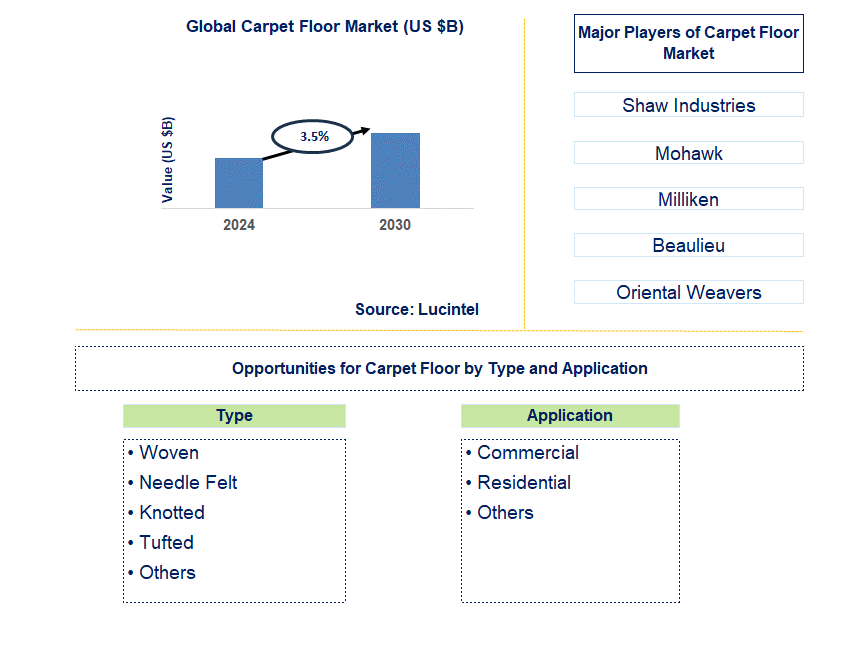
Key data points: The growth forecast = 3.5% annually for the next 6 years. Scroll below to get more insights. This market report covers trends, opportunities, and forecast in the global carpet floor market to 2030 by type (woven, needle felt, knotted, tufted, and others), application (commercial, residential, and others), and region (North America, Europe, Asia Pacific, and the Rest of the World)
We'll send your sample report shortly.
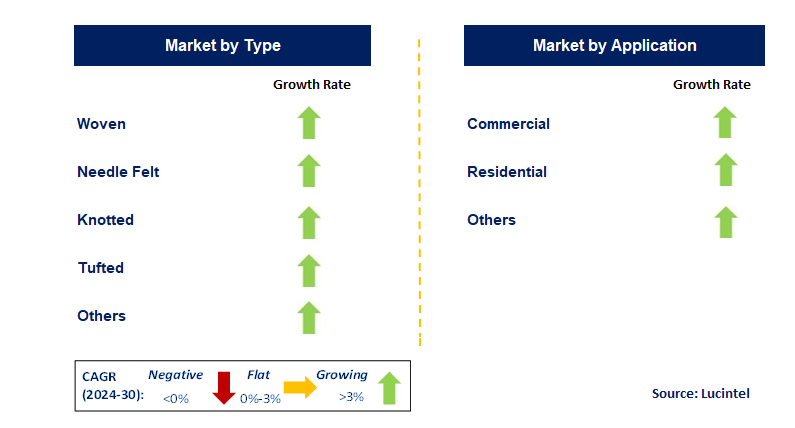
• Lucintel forecasts that, within the type category, woven is expected to witness the highest growth.
• Within the application category, commercial is expected to witness higher growth.
• In terms of regions, APAC is expected to witness the highest growth. A more than 150-page report is developed to help in your business decisions.
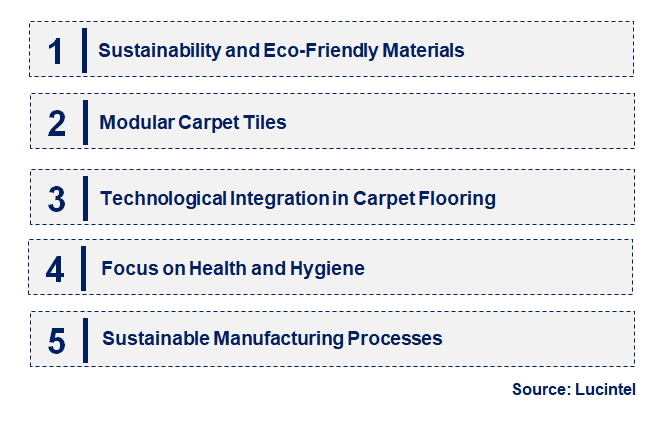
• Sustainability and Eco-Friendly Materials: Consumers are increasingly prioritizing sustainability, leading to the rise of eco-friendly carpets made from recycled and renewable materials, such as PET and organic fibers. These carpets are produced with minimal environmental impact, focusing on reducing carbon footprints and water usage during manufacturing. Sustainable carpets appeal to both environmentally conscious consumers and businesses looking to meet green certification standards. As sustainability becomes more important, manufacturers are investing heavily in the development of greener, more sustainable products.
• Modular Carpet Tiles: Modular carpet tiles are becoming increasingly popular due to their flexibility, ease of installation, and replacement. These tiles allow for easy customization and can be installed without the need for professional help. They are particularly attractive to commercial spaces, which benefit from the ability to replace damaged tiles individually rather than the entire carpet. Additionally, modular tiles are more versatile in design, enabling businesses and homeowners to create unique, customizable spaces. This trend also supports sustainability, as individual tiles can be replaced, reducing waste.
• Technological Integration in Carpet Flooring: The incorporation of technology into carpet flooring is one of the most significant emerging trends. Smart carpets that include sensors for temperature control, light regulation, or even air purification are gaining attention. These carpets can be integrated into smart homes and offices, adding comfort and convenience. Furthermore, carpets with built-in technology can help monitor room conditions, provide data on foot traffic, and even alert users to cleaning needs, offering practical benefits for both residential and commercial users.
• Focus on Health and Hygiene: There is a growing focus on health-conscious products, especially carpets with antimicrobial, hypoallergenic, and easy-to-clean properties. With increasing awareness of indoor air quality and its impact on health, carpets that prevent the growth of mold, bacteria, and allergens are in high demand. Products designed to improve air quality and provide a cleaner, healthier environment are particularly appealing in sectors such as healthcare, hospitality, and homes with children or pets.
• Sustainable Manufacturing Processes: In response to rising consumer demand for sustainable products, carpet manufacturers are adopting eco-friendly production methods. These processes aim to reduce water and energy consumption, minimize waste, and eliminate harmful chemicals from production. Many companies are also focused on designing carpets that can be recycled or repurposed at the end of their lifecycle. The shift to sustainable manufacturing is driven not only by consumer demand but also by regulatory pressures and the industry’s desire to reduce its environmental footprint.
• Customization and Personalization: Increasing consumer demand for personalized products has led to a rise in customized carpet solutions. Consumers are seeking unique designs, patterns, and colors that match their individual tastes and preferences. This trend is particularly noticeable in commercial applications, where businesses are looking for flooring that reflects their brand identity. Technological advancements in manufacturing and digital printing techniques are enabling greater customization, allowing for more diverse and unique carpet designs.
• Integration of Recycled Materials: The carpet flooring industry is increasingly incorporating recycled materials, such as recycled PET bottles, into their products. This helps reduce waste and carbon emissions associated with raw material production. Many manufacturers are focusing on creating fully recyclable carpets that can be reused or repurposed at the end of their lifecycle. This trend is driven by both environmental concerns and consumer demand for sustainable products, with recycled materials often seen as a cost-effective and eco-friendly alternative to traditional materials. These trends are reshaping the carpet floor market, with a clear shift towards sustainability, innovation, and customization. As consumer preferences evolve, manufacturers who embrace these trends and offer environmentally friendly, health-conscious, and technologically advanced products will be well-positioned for long-term success.
• Adoption of Eco-Friendly Materials: Many carpet manufacturers are increasingly using eco-friendly materials such as recycled PET, jute, and natural fibers like wool. This shift is a response to growing consumer demand for sustainable products and stricter environmental regulations. By incorporating these materials, manufacturers not only reduce their carbon footprint but also appeal to a more environmentally conscious customer base, contributing to the market’s overall growth and long-term sustainability.
• Growth of Modular Carpet Tiles: Modular carpet tiles are becoming a popular choice due to their versatility, ease of installation, and maintenance. Unlike traditional carpets, these tiles can be replaced individually, reducing waste and cost in the event of damage. This innovation has found significant appeal in commercial spaces, including offices, hotels, and educational institutions, where flooring durability and design flexibility are highly valued.
• Technological Advancements in Carpet Flooring: The rise of smart carpets, integrated with sensors and technology such as temperature regulation and air purification, is transforming the carpet industry. These carpets not only provide enhanced comfort but also offer practical benefits, such as energy savings and improved air quality. The integration of these technologies into carpets is expected to drive growth in the residential and commercial markets as consumers embrace smart home solutions.
• Sustainability in Manufacturing Processes: Sustainability has become a key focus for manufacturers, with efforts to reduce water, energy consumption, and waste throughout the production process. Some manufacturers are also working towards creating carpets that are entirely recyclable, reducing the environmental impact of flooring products. This trend is gaining momentum as consumers increasingly demand products with a lower environmental footprint.
• Health-Conscious Flooring Solutions: The rising concern over health and wellness is pushing demand for carpets with antimicrobial, hypoallergenic, and easy-to-clean properties. These carpets help maintain a cleaner, healthier indoor environment, reducing allergens and bacteria. The focus on hygiene and health is particularly strong in sectors like healthcare, education, and hospitality, where maintaining a sanitary environment is critical. These developments are pushing the carpet flooring market toward greater innovation and sustainability. Companies that embrace eco-friendly practices, technological advancements, and customization will be well-positioned to meet evolving consumer demands.
• Sustainability and Eco-Friendly Products: The growing consumer demand for environmentally friendly products presents an opportunity for carpet manufacturers to innovate with sustainable materials, recyclable fibers, and eco-friendly manufacturing processes. Invest in developing carpets made from renewable or recycled materials such as PET (from recycled plastic bottles), natural fibers like wool, jute, or sisal, and offer products with low environmental impact.
• Smart Carpet Technologies: The rise of smart homes and IoT (Internet of Things) offers opportunities to integrate sensors, heating, or even air purification technologies into carpets. This can provide added functionality beyond traditional flooring. Develop carpets with embedded sensors that can detect moisture, temperature, or air quality. Smart carpets can also integrate with home automation systems to control heating or even provide data on floor health.
• Customization and Personalization: Consumers are increasingly seeking personalized and unique home décor items. Offering custom carpet designs that cater to specific tastes or needs can appeal to this market segment. Offer carpet customization options, such as a variety of colors, patterns, textures, or even personalized logos for commercial clients. Digital printing technology allows for more flexible and cost-effective customization at scale.
• Growth in Commercial Real Estate and Hospitality Sectors: Commercial spaces, such as offices, hotels, and retail environments, continue to be a significant source of demand for carpet flooring, especially as design preferences shift toward comfort and aesthetics in workspaces and leisure environments. Develop high-performance carpets that combine aesthetics with durability. Target sectors like hospitality, corporate offices, healthcare, and education, where flooring needs vary from comfort to functionality.
• Expansion into Emerging Markets: Emerging economies, especially in Asia-Pacific, Latin America, and Africa, are experiencing growth in construction and real estate development, driving demand for flooring solutions. Explore partnerships and distribution channels in these markets, tailoring products to meet local demands in terms of style, affordability, and performance. To capitalize on these opportunities, companies in the carpet flooring market must stay ahead of industry trends, invest in innovation, and focus on customer-centric strategies. Sustainability, technological integration, personalization, and expansion into emerging markets are key to gaining a competitive edge and achieving sustained growth.
• Technological Innovations: The development of smart carpets, which include features like air purification and temperature regulation, is driving growth in both residential and commercial markets. These innovations provide added functionality and convenience, making carpets more appealing to consumers who seek comfort and technological integration in their homes and offices.
• Increasing Consumer Demand for Sustainable Products: As sustainability becomes a central concern, there is rising demand for eco-friendly carpet materials made from recycled fibers, biodegradable materials, and natural resources. Manufacturers are responding by investing in greener production processes and offering products that align with consumers' environmental values.
• Growth in Commercial Applications: The expansion of the commercial real estate sector, including office spaces, hospitality, and retail, has boosted demand for durable, cost-effective flooring solutions. Modular carpet tiles, which allow for easy installation and replacement, are especially popular in this sector due to their versatility and low maintenance.
• Health and Hygiene Awareness: As consumers become more health-conscious, the demand for carpets with antimicrobial, hypoallergenic, and easy-to-clean properties is increasing. This is particularly relevant in sectors like healthcare, education, and hospitality, where hygiene is paramount. Manufacturers are responding by developing carpets that support cleaner, healthier environments.
• Customization and Personalization Trends: The growing demand for personalized products is driving manufacturers to offer customizable carpet options. Consumers are increasingly looking for unique patterns, colors, and designs that reflect their personal tastes, especially in residential and commercial settings. Digital printing technology has made customization more accessible and affordable. Challenges in the Carpet Floor Market:
• Fluctuating Raw Material Prices: The volatility of raw material prices, particularly synthetic fibers and natural materials like wool, poses a challenge for carpet manufacturers. Rising production costs can impact profit margins, making it difficult for companies to maintain competitive pricing without sacrificing quality.
• Environmental Regulations: Increasingly stringent environmental regulations are pushing manufacturers to adopt sustainable practices, which can be costly. Compliance with these regulations requires investment in new technologies and materials, which may strain smaller companies that lack the resources to make these changes.
• Intense Market Competition: The carpet flooring market is highly competitive, with numerous manufacturers offering a wide range of products. This competition, combined with changing consumer preferences, requires companies to continuously innovate and differentiate their products. Manufacturers that fail to adapt to market trends risk losing market share. While drivers like sustainability and technology create opportunities, challenges such as raw material costs and regulatory pressures require strategic responses. Companies that adapt to these changes while offering innovative, eco-friendly products will thrive in the evolving carpet floor market.
• Shaw Industries
• Mohawk
• Milliken
• Beaulieu
• Oriental Weavers
• Asditan
• Milanb
• Ruome
• Astra
• Interface
• Woven
• Needle Felt
• Knotted
• Tufted
• Others
• Commercial
• Residential
• Others
• North America
• Europe
• Asia Pacific
• The Rest of the World
• United States: In the U.S., eco-friendly flooring solutions have become a major focus, with consumers increasingly opting for carpets made from recycled materials and natural fibers. Additionally, modular carpet tiles are gaining traction in both commercial and residential sectors due to their flexibility and ease of maintenance. These trends reflect a growing preference for sustainable and adaptable flooring options.
• China: China's carpet market continues to expand, driven by the rapid growth of the real estate sector and urbanization. As demand increases, manufacturers are focusing on offering high-quality synthetic carpets at competitive prices. The Chinese market is also seeing rising interest in modular tiles and eco-friendly options, in line with global sustainability trends.
• Germany: Germany's carpet flooring market is heavily influenced by the demand for sustainable products, with a growing preference for carpets made from recycled fibers and environmentally friendly materials. The country’s commercial sector, particularly office spaces, is a major driver of market growth. Innovations in low-maintenance, durable flooring options are gaining popularity in this market.
• India: In India, the carpet flooring market is experiencing rapid growth due to increasing disposable income and urbanization. There is a strong demand for cost-effective, durable synthetic carpets, particularly those made from polypropylene. Modular tiles and carpets with antimicrobial and stain-resistant properties are also rising in popularity, meeting the needs of busy, health-conscious consumers.
• Japan: Japan's carpet market is characterized by a preference for high-quality, aesthetic products with a focus on sustainability and hypoallergenic materials. The demand for carpets made from recycled materials is growing, and manufacturers are increasingly incorporating advanced technology to improve functionality, such as carpets with built-in temperature regulation and air purification.


• Shaw Industries
• Mohawk
• Milliken
• Beaulieu
• Oriental Weavers
• Asditan
• Milanb
• Ruome
• Astra
• Interface Q5. Which carpet floor market segment will be the largest in the future? Answer: Lucintel forecasts that woven is expected to witness the highest growth. Q6. In the carpet floor market, which region is expected to be the largest in the next 5 years? Answer: APAC is expected to witness the highest growth. Q.7 Do we receive customization in this report? Answer: Yes, Lucintel provides 10% customization without any additional cost.


Choose a license that fits your team. Instant PDF delivery.
Prices exclude taxes. Instant delivery. Custom licensing available on request.
Market Report · July 31, 2026
Market Report · July 31, 2026
Market Report · July 31, 2026
Trusted partner for strategic intelligence and business growth


Receive a complimentary market analysis tailored to your industry. Our analysts will identify key growth opportunities and competitive dynamics specific to your business.

Market size, growth rate, and key trend analysis for your specific sector.

Top competitor positioning and market share analysis.

Strategic recommendations backed by data-driven insights.
Get curated market intelligence and competitive moves straight to your inbox.
By subscribing, you agree to receive our monthly insights. Unsubscribe anytime.
Receive a complimentary market analysis tailored to your industry. Our analysts will identify key growth opportunities and competitive dynamics specific to your business.
Market size, growth rate, and key trend analysis for your specific sector.
Top competitor positioning and market share analysis.
Strategic recommendations backed by data-driven insights.
Get curated market intelligence, emerging trends, and competitive moves straight to your inbox each month.
By subscribing, you agree to receive our monthly insights. Unsubscribe anytime.
We'll send your sample report shortly.