
Market Report · July 22, 2026

Key data points: The growth forecast = 6.4% annually next 6 years. Scroll below to get more insights. This market report covers trends, opportunities, and forecast in the global camelina seed oil market to 2030 by type (unrefined camellia oil and refined camellia oil), application (food & beverages, cosmetics & personal care, and others), and region (North America, Europe, Asia Pacific, and the Rest of the World)
We'll send your sample report shortly.
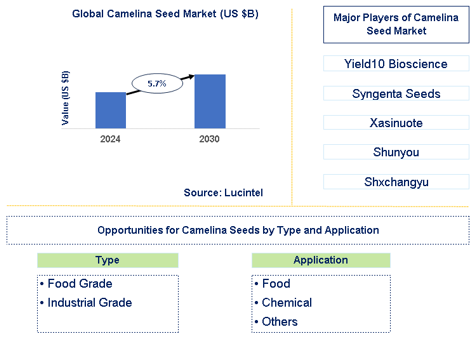
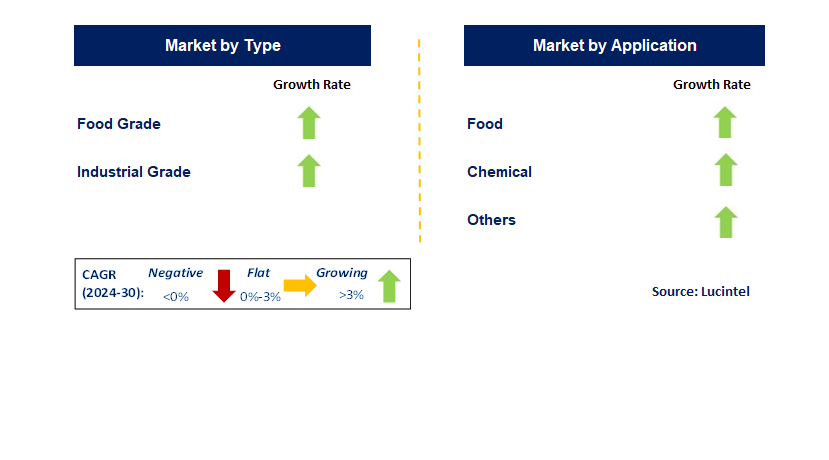
• Sustainable Agriculture: Camelina is increasingly recognized for its low environmental impact. Its ability to thrive in poor soil conditions and with minimal water makes it a popular choice for sustainable farming. This trend is reshaping agriculture by promoting crop diversity and reducing reliance on more resource-intensive crops. As sustainability becomes a central theme in agriculture, camelina’s role is likely to expand, attracting interest from both farmers and investors.
• Nutritional Benefits: Camelina oil is gaining attention for its high levels of omega-3 and omega-6 fatty acids. These essential nutrients are linked to various health benefits, including reduced inflammation and improved cardiovascular health. The growing consumer focus on health and wellness is driving demand for camelina oil as a functional food ingredient. This trend is influencing food manufacturers to explore camelina oil’s potential in dietary supplements and health-focused products.
• Biofuel Production: The push for renewable energy sources is boosting interest in camelina oil for biofuel production. Camelina’s high oil content and quick growth cycle make it a promising feedstock for biodiesel. As countries and companies commit to reducing carbon emissions, camelina oil’s role in biofuels is becoming more prominent. This trend is fostering research into more efficient cultivation and processing methods to meet increasing biofuel demands.
• Technological Advancements: Recent technological innovations in oil extraction and refining are improving camelina oil’s quality and processing efficiency. Enhanced extraction techniques are yielding higher purity oils, which are crucial for both food and industrial applications. Advances in refining processes are extending the oil’s shelf life and enhancing its suitability for diverse uses. These developments are making camelina oil more competitive with other edible oils and industrial feedstocks.
• Consumer Awareness: There is a growing awareness among consumers about the benefits of camelina oil, driven by increasing information about its health benefits and sustainability. This trend is evident in the rise of camelina oil products on health food store shelves and in mainstream supermarkets. As consumers become more knowledgeable about the advantages of camelina oil, its market presence is expected to expand, influencing product offerings and marketing strategies in the food and wellness sectors. These emerging trends above are reshaping the camelina seed oil market by highlighting its environmental, nutritional, and economic benefits. As sustainability, health, and technological advancements become increasingly important, camelina oil is poised to play a significant role in both the food industry and biofuel sector. The combination of consumer awareness and technological innovation is likely to drive continued growth and integration of camelina oil into various markets.
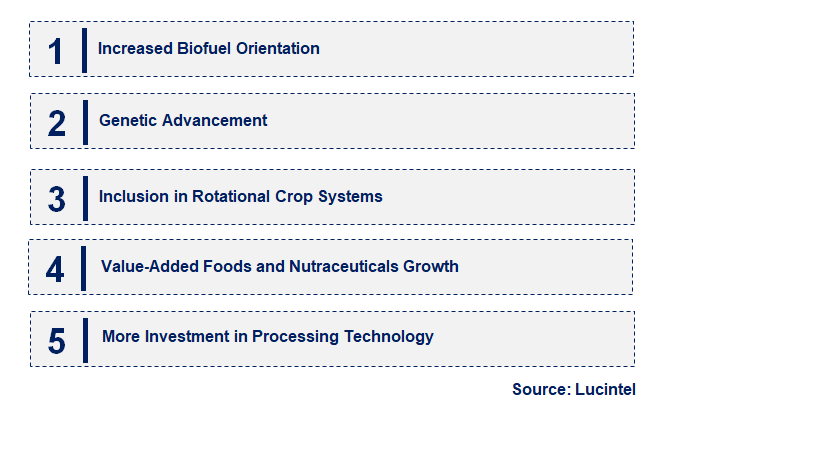
• Increased Research Funding: Significant funding has been directed towards research on camelina seed oil, focusing on improving cultivation practices and extraction techniques. This funding is aimed at enhancing oil yield, quality, and sustainability. As a result, research breakthroughs are expected to increase camelina oil’s competitiveness and expand its market applications.
• Partnerships with Agricultural Firms: Major agricultural companies are forming partnerships to boost camelina cultivation. These collaborations aim to optimize farming practices and integrate camelina into existing crop rotation systems. The partnerships are expected to scale up production and make camelina oil more widely available in the market, benefiting both food and biofuel sectors.
• Technological Innovations: Advancements in oil extraction and refining technologies are enhancing the efficiency and quality of camelina oil. New extraction methods are increasing oil purity and yield, while improved refining processes are extending shelf life and applicability. These innovations are making camelina oil more viable for various uses, from food products to industrial applications.
• Government Support for Biofuels: Government initiatives in several countries are promoting camelina oil as a sustainable biofuel source. Policies supporting renewable energy and reducing carbon emissions are driving investment in camelina-based biodiesel. This support is expected to accelerate camelina oil’s adoption in the biofuel industry, contributing to a more sustainable energy future.
• Consumer Product Innovations: There is a growing presence of camelina oil in consumer products, including health foods and dietary supplements. Companies are leveraging camelina oil’s nutritional benefits and sustainability to attract health-conscious consumers. This trend is driving innovation in product development and increasing camelina oil’s visibility in the consumer market. These developments above are driving growth in the camelina seed oil market by enhancing production efficiency, expanding applications, and increasing consumer awareness. The combination of research advancements, strategic partnerships, technological improvements, and supportive policies is positioning camelina oil as a key player in both the food and biofuel industries. As these trends continue, the market for camelina seed oil is expected to grow, offering new opportunities and benefits across various sectors.
• Functional Foods and Nutraceuticals: Camelina seed oil’s high omega-3 content makes it an appealing ingredient for functional foods and nutraceuticals. With rising consumer awareness about heart health and inflammation, camelina oil is positioned as a valuable addition to health supplements and fortified foods. This application leverages the oil’s nutritional profile to meet the growing demand for products that support wellness and prevent chronic diseases.
• Biofuels and Renewable Energy: The biofuel sector presents a significant growth opportunity for camelina seed oil. Its high oil content and rapid growth cycle make it an ideal feedstock for biodiesel production. As global efforts to reduce carbon emissions intensify, camelina oil’s role in producing renewable energy is becoming increasingly prominent. This application aligns with sustainability goals and offers a viable alternative to traditional fossil fuels.
• Cosmetics and Personal Care: Camelina oil is gaining traction in the cosmetics and personal care industry due to its moisturizing and anti-inflammatory properties. It is used in skincare products, hair care formulations, and cosmetics for its nourishing benefits. The rising consumer preference for natural and organic beauty products is driving growth in this segment, making camelina oil a sought-after ingredient in premium and eco-friendly personal care items.
• Animal Feed and Pet Foods: Incorporating camelina oil into animal feed and pet foods is an emerging opportunity. Its omega-3 content benefits animal health, improving skin condition, and overall well-being. As the pet food industry grows and consumer awareness about pet nutrition increases, camelina oil is becoming a valuable ingredient. This application aligns with trends towards more nutritious and functional pet food products.
• Industrial Applications: Camelina oil’s properties are also suitable for various industrial applications, such as lubricants and biodegradable plastics. Its high stability and eco-friendly profile make it an attractive alternative to petroleum-based products. As industries seek more sustainable solutions, camelina oil’s use in these applications is expected to grow, offering new avenues for market expansion and innovation. These strategic growth opportunities above highlight camelina seed oil’s versatility and potential across multiple sectors. By leveraging its nutritional, environmental, and functional benefits, stakeholders can drive market expansion and tap into new consumer demands. The diversification into functional foods, biofuels, cosmetics, animal feed, and industrial applications is shaping the future of camelina oil, positioning it as a key player in both health and sustainability-oriented markets.
• Henry Lamotte Oils
• Smart Earth Seeds
• Arette Foods
• OPW Ingredients
• Three Farmers Foods
• Bio Planete
• Shanghai Youngsun Foods
• Unrefined Camellia Oil
• Refined Camellia Oil
• Food & Beverages
• Cosmetics & Personal Care
• Others
• North America
• Europe
• Asia Pacific
• The Rest of the World
• United States: In the U.S., camelina seed oil is gaining prominence in both the food and biofuel sectors. Recent developments include increased research funding and commercial partnerships aimed at optimizing oil extraction processes and enhancing oil quality. Major agricultural firms are investing in camelina cultivation due to its low input requirements and high oil yield. Additionally, the U.S. government’s support for biofuels is promoting camelina oil as a sustainable alternative to traditional fossil fuels.
• China: China's interest in camelina seed oil is largely driven by its potential for sustainable agriculture and high nutritional value. Recent advancements include pilot projects and collaborations with international agricultural firms to integrate camelina into China’s crop rotation systems. Research is focused on improving camelina’s adaptability to various climates and soil conditions. Additionally, camelina oil is being explored as a functional food ingredient due to its high omega-3 fatty acid content.
• Germany: Germany is at the forefront of camelina seed oil research in Europe, focusing on its use in both food and industrial applications. Recent developments include technological innovations in oil extraction and refining processes, which enhance the oil's purity and shelf life. German researchers are also exploring camelina oil’s potential as a sustainable feedstock for biodiesel production. Increased consumer awareness and demand for healthy oils are driving Germany’s investment in camelina as a viable alternative to more conventional oils.
• India: In India, camelina seed oil is gaining attention for its potential to improve agricultural sustainability and provide a nutritious oil alternative. Recent developments include government-backed initiatives to promote camelina cultivation in arid regions, where it serves as a drought-resistant crop. Research institutions are focusing on optimizing oil extraction techniques and assessing camelina’s benefits for local diets. The Indian market is slowly adopting camelina oil in health food products, driven by rising health consciousness among consumers.
• Japan: Japan is exploring camelina seed oil for its potential health benefits and environmental sustainability. Recent developments include collaborations between Japanese food companies and international camelina producers to incorporate camelina oil into functional foods and dietary supplements. Research is concentrated on camelina’s benefits for cardiovascular health due to its high omega-3 content. Additionally, Japan’s interest in sustainable agricultural practices is fostering growth in camelina cultivation and oil production as part of its broader environmental goals.


• Henry Lamotte Oils
• Smart Earth Seeds
• Arette Foods
• OPW Ingredients
• Three Farmers Foods
• Bio Planete
• Shanghai Youngsun Foods Q5. Which camelina seed oil market segment will be the largest in future? Answer: Lucintel forecasts that unrefined is expected to witness higher growth over the forecast period. Q6. In camelina seed oil market, which region is expected to be the largest in next 5 years? Answer: APAC is expected to witness the highest growth over the forecast period. Q.7 Do we receive customization in this report? Answer: Yes, Lucintel provides 10% customization without any additional cost.


Choose a license that fits your team. Instant PDF delivery.
Prices exclude taxes. Instant delivery. Custom licensing available on request.
Market Report · July 22, 2026
Market Report · July 20, 2026
Market Report · July 20, 2026
Trusted partner for strategic intelligence and business growth


Receive a complimentary market analysis tailored to your industry. Our analysts will identify key growth opportunities and competitive dynamics specific to your business.

Market size, growth rate, and key trend analysis for your specific sector.

Top competitor positioning and market share analysis.

Strategic recommendations backed by data-driven insights.
Get curated market intelligence and competitive moves straight to your inbox.
By subscribing, you agree to receive our monthly insights. Unsubscribe anytime.
Receive a complimentary market analysis tailored to your industry. Our analysts will identify key growth opportunities and competitive dynamics specific to your business.
Market size, growth rate, and key trend analysis for your specific sector.
Top competitor positioning and market share analysis.
Strategic recommendations backed by data-driven insights.
Get curated market intelligence, emerging trends, and competitive moves straight to your inbox each month.
By subscribing, you agree to receive our monthly insights. Unsubscribe anytime.
We'll send your sample report shortly.