
Market Report · July 31, 2026

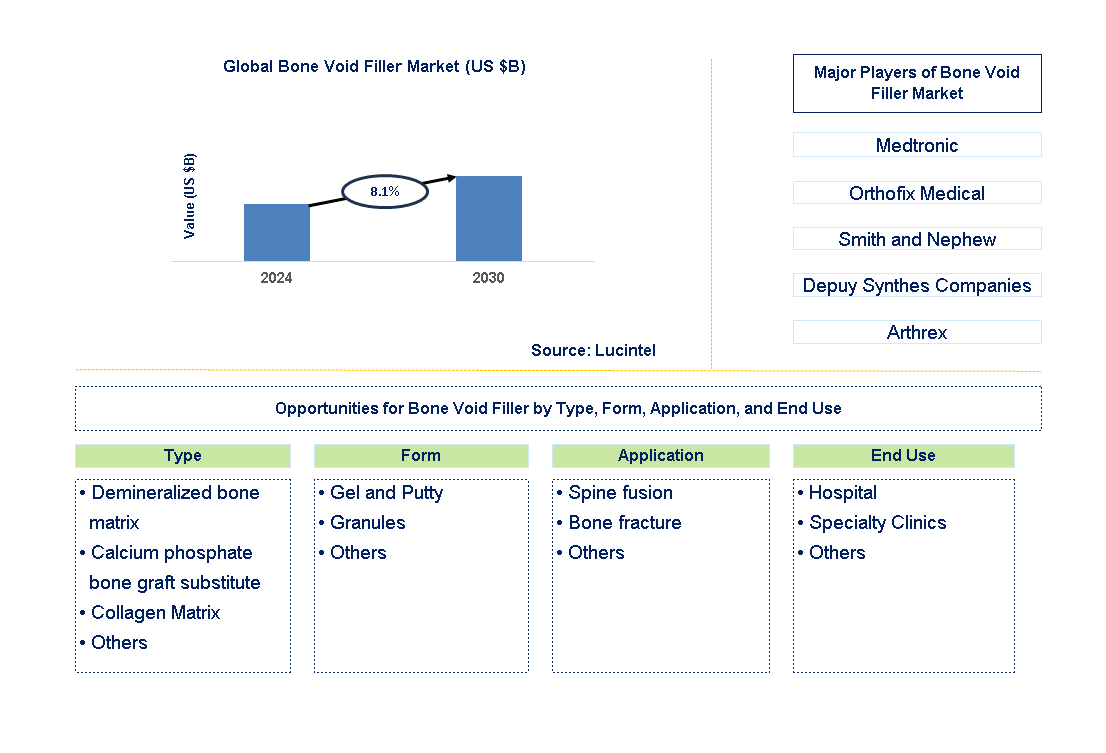
Key data points: The growth forecast = 8.1% annually for the next 6 years. Scroll below to get more insights. This market report covers trends, opportunities, and forecasts in the global bone void filler market to 2030 by type (demineralized bone matrix, calcium phosphate bone graft substitute, collagen matrix, and others), form (gel and putty, granules, and others), application (spine fusion, bone fracture, and others), end use (hospital, specialty clinics, and others), and region (North America, Europe, Asia Pacific, and the Rest of the World)
We'll send your sample report shortly.
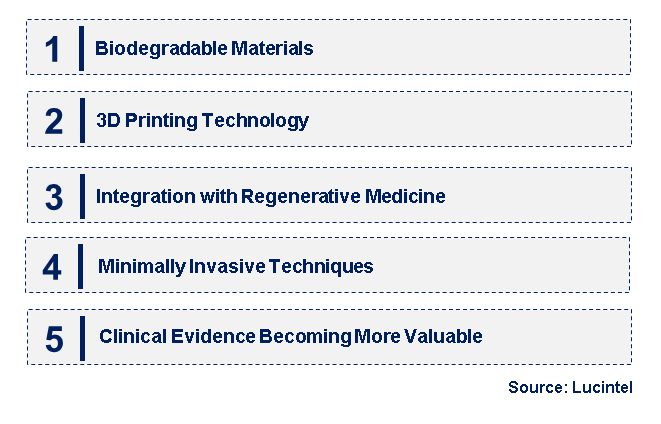
• Biodegradable Materials: Advantages of biodegradable bone void fillers attract attention. This material offers the benefit of slow absorption, which promotes gradual bone regeneration. This reduces the need for secondary surgery to remove the implants, making patients happier and postoperative care much easier.
• 3D Printing Technology: 3D printing is revolutionizing the customization of bone void fillers. It allows for the creation of patient-specific implants tailored to individual anatomical needs. Customized fillers promote better integration with adjacent bone, leading to improved healing and more effective surgical interventions.
• Integration with Regenerative Medicine: One new direction in bone void fillers is the incorporation of regenerative medicine principles. Products are being developed that contain growth factors, stem cells, or other agents to support osteogenesis. This may lead to a dramatic increase in healing rates and better long-term outcomes for patients undergoing orthopedic surgery.
• Minimally Invasive Techniques: Recent advancements in bone void fillers show an increasing trend toward minimally invasive surgical approaches. This method tends to cause less trauma to surrounding tissues, allowing for quicker recovery with less postoperative pain. The demand for less invasive procedures is changing the nature and modality of orthopedic surgery.
• Clinical Evidence Becoming Ever More Valuable: The demand for clinical evidence and outcomes is currently determining product development in the bone void filler market. Companies are investing in clinical trials to demonstrate the safety and efficacy of their products. This is essential for obtaining regulatory approval and acceptance by healthcare providers. The bone void filler market is evolving to make products more effective, patient-centered, and innovative within orthopedic surgery through emerging trends.
• Emergence of Biodegradable Materials: There is a growing trend toward the use of biodegradable bone void fillers, which promote natural bone healing and reduce the need for secondary surgeries.
• Innovations in 3D Printing: The application of 3D printing technology is revolutionizing the production of bone void fillers, allowing for custom-designed implants that match the specific anatomical needs of patients.
• Enhanced Regulatory Approvals: Recent regulatory approvals for new and innovative bone void filler products are expanding the market, providing healthcare professionals with a broader range of effective treatment options.
• Focus on Minimally Invasive Techniques: The rise of minimally invasive surgical techniques is leading to the development of bone void fillers that can be easily delivered through smaller incisions, improving patient recovery times and outcomes.
• Increased Collaboration in Research: Partnerships between medical device companies and research institutions are fostering innovation in bone void filler materials and applications, driving the development of next-generation products.
• Growing Awareness and Education: Increased awareness of the benefits of advanced bone void fillers among healthcare providers is driving their adoption in clinical settings. The Bone Void Filler market is set to grow significantly, supported by ongoing innovations, a rise in orthopedic surgeries, and a strong emphasis on patient-centered solutions. As research and development continue, the market is likely to see more effective and versatile options for bone regeneration.
• Product Portfolio Expansion: An opportunity for growth lies in expanding the portfolios of bone void fillers, covering advanced biomaterials and customizable options across diverse patient needs and preferences, thereby increasing market competitiveness.
• Incorporation of Telemedicine: Incorporating telemedicine into orthopedic delivery will open up growth opportunities in the bone void filler market. It will allow for remote visits, creating efficient assessments and reviews after surgery, resulting in more engaged patients and better outcomes while reducing pressure on healthcare facilities.
• Collaborations with Research Institutions: Forming partnerships with research institutions for the development of innovative bone void fillers could propel growth. Increased research collaborations will hasten the discovery of advanced materials and techniques, leading to breakthrough products that improve healing and patient satisfaction.
• Education and Training Focus: Investing in healthcare professionals' education and training will stimulate the adoption of new bone void fillers. Comprehensive training will ensure that surgeons are abreast of the latest developments, aiding in good practices and optimal use of products.
• Targeting Emerging Markets: There is significant growth potential through expansion into emerging markets. With improving access to healthcare, there will be an increasing demand for effective bone void fillers as orthopedic surgery rates rise in countries like India and China. Companies can capture these markets to intensify revenue growth. These strategic growth opportunities in the market will determine the scope of the bone void filler market as it advances product offerings, enhances patient engagement, and drives innovation in orthopedic management.
• Technological Advancements: Advances in materials and surgical techniques for bone void fillers are driving this market. Biodegradable materials and 3D printing enable more effective products and individually targeted treatments, enhancing patient outcomes.
• Advancements in Orthopedic Disorders: The rising incidence of orthopedic disorders, especially among the elderly, is an emerging growth trend. As more patients require surgical interventions for fractures and degenerative diseases, the need for effective bone void fillers increases.
• Growing Demand for Minimally Invasive Techniques: The demand for minimally invasive surgical procedures is creating interest in bone void fillers. Such techniques minimize recovery time and postoperative complications, leading to increased patient satisfaction and encouraging healthcare providers to introduce innovative filler products.
• Regulatory Support for Innovation: Supportive regulatory environments aid the development of emerging bone void fillers. Simplified new product registration processes accelerate R&D, allowing the latest treatments to reach patients with minimal delay.
• Healthcare Expenditure: Rising healthcare expenditure worldwide is driving investment in new medical technologies, including the development of bone void fillers. Increased spending on new technologies ultimately benefits patients and opens further sales opportunities. Challenges in the bone void filler market include:
• High Cost of Advanced Products: The high capital cost of advanced bone void fillers limits accessibility for many patients, particularly in developing regions, negatively impacting market growth.
• Legal Issues: New innovative fillers often face long delays in market entry due to complex regulatory processes. Companies must invest significant resources to ensure compliance, delaying the timely launch of potentially beneficial products.
• Lack of Knowledge among Healthcare Providers: Despite advancements, some healthcare professionals remain unaware of the latest bone void filler products and techniques. Continuous education and outreach are necessary to ensure healthcare providers are informed and can make evidence-based decisions for their patients. Understanding the explicit driving and challenging forces in the bone void filler market will shape its evolution regarding product development, treatment adoption, and overall patient care strategies.
• Medtronic
• Orthofix Medical
• Smith and Nephew
• Depuy Synthes Companies
• Arthrex
• Baxter International
• NuVasive
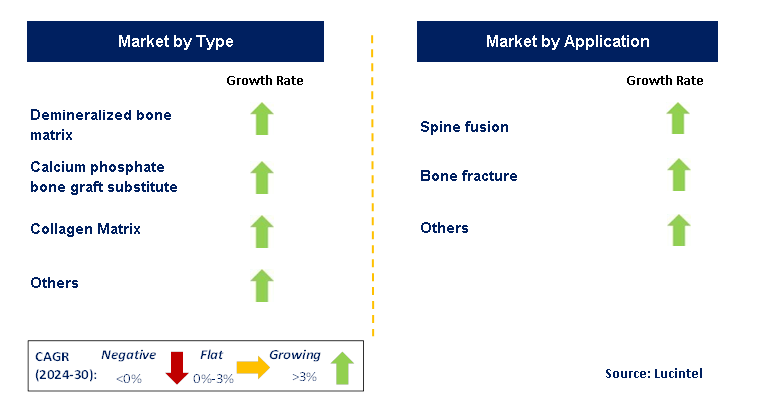
• Demineralized bone matrix
• Calcium phosphate bone graft substitute
• Collagen Matrix
• Others
• Gel and Putty
• Granules
• Others
• Spine fusion
• Bone fracture
• Others
• Hospital
• Specialty Clinics
• Others
• North America
• Europe
• Asia Pacific
• The Rest of the World
• United States: Recent developments in synthetic and biologic bone void fillers are making surgeries easier. Companies focus on advancing composites to enhance osteoconductivity and osteoinduction. Regulatory approvals for new products are accelerating, and the trend toward minimally invasive techniques is further expediting patient recovery.
• China: The bone void filler market in China is developing with significant investments in research and development. Indigenous manufacturers produce various fillers, such as calcium phosphate and bioactive glass. The growing elderly population and increasing prevalence of orthopedic disorders are driving demand, necessitating greater collaboration with healthcare providers to improve product availability and performance.
• Germany: Innovation in bone void fillers in Germany is spurred by extensive clinical research and development activities. Customized fillers are now produced through 3D printing technology, enabling solution-specific management at the patient level. Regulatory frameworks encourage the use of new material applications in orthopedic surgery.
• India: The increasing number of trauma cases and orthopedic surgeries is raising demand for bone void fillers in India. Local companies are focusing on cost-effectiveness and accessibility by developing low-cost products without compromising quality. Government support for innovation in medical devices is attracting new entrants, thereby improving competition and variety.
• Japan: Japan is witnessing innovation in biocompatible materials for bone void fillers, particularly concerning regenerative medicine. Scientific research institutions are collaborating with manufacturers to develop new products that facilitate bone regeneration. Regulatory authorities are streamlining approval procedures for novel fillers, enabling timely market entry of new solutions for improved patient outcomes.


• Medtronic
• Orthofix Medical
• Smith and Nephew
• Depuy Synthes Companies
• Arthrex
• Baxter International
• NuVasive Q5. Which bone void filler market segment will be the largest in future? Answer: Lucintel forecasts that demineralized bone matrix will remain the largest segment over the forecast period due to increasing use for dental implants and orthopedic surgery. Q6. In bone void filler market, which region is expected to be the largest in next 5 years? Answer: North America will remain the largest region over the forecast period due to increased utilization of synthetic bone void fillers and the substantial presence of the bone void fillers industry. Q.7 Do we receive customization in this report? Answer: Yes, Lucintel provides 10% customization without any additional cost.


Choose a license that fits your team. Instant PDF delivery.
Prices exclude taxes. Instant delivery. Custom licensing available on request.
Market Report · July 31, 2026
Market Report · July 31, 2026
Market Report · July 31, 2026
Trusted partner for strategic intelligence and business growth


Receive a complimentary market analysis tailored to your industry. Our analysts will identify key growth opportunities and competitive dynamics specific to your business.

Market size, growth rate, and key trend analysis for your specific sector.

Top competitor positioning and market share analysis.

Strategic recommendations backed by data-driven insights.
Get curated market intelligence and competitive moves straight to your inbox.
By subscribing, you agree to receive our monthly insights. Unsubscribe anytime.
Receive a complimentary market analysis tailored to your industry. Our analysts will identify key growth opportunities and competitive dynamics specific to your business.
Market size, growth rate, and key trend analysis for your specific sector.
Top competitor positioning and market share analysis.
Strategic recommendations backed by data-driven insights.
Get curated market intelligence, emerging trends, and competitive moves straight to your inbox each month.
By subscribing, you agree to receive our monthly insights. Unsubscribe anytime.
We'll send your sample report shortly.