
Market Report · July 22, 2026

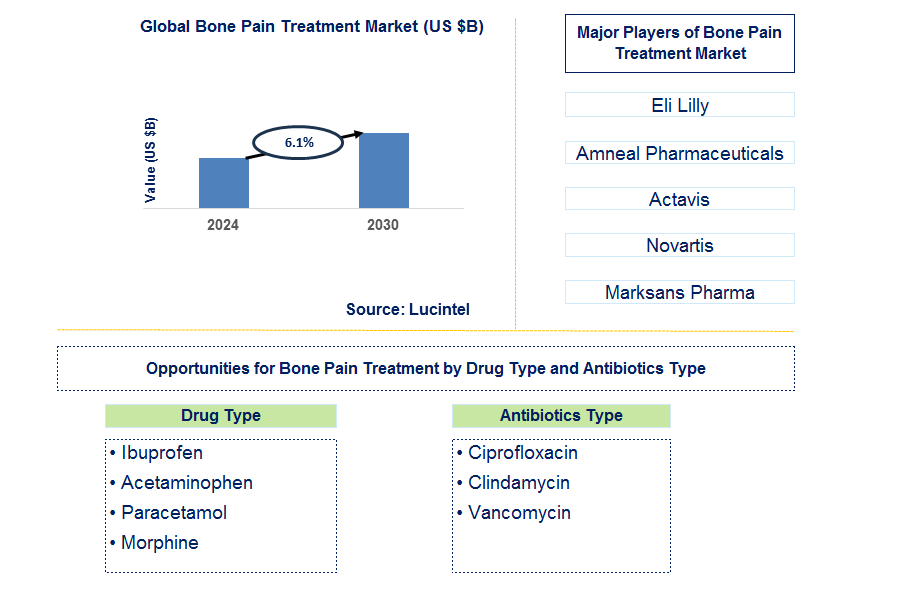
Key data points: The growth forecast = 6.1% annually for the next 6 years. Scroll below to get more insights. This market report covers trends, opportunities, and forecasts in the global bone pain treatment market to 2030 by drug type (ibuprofen, acetaminophen, paracetamol, and morphine), antibiotics type (ciprofloxacin, clindamycin, and vancomycin), and region (North America, Europe, Asia Pacific, and the Rest of the World)
We'll send your sample report shortly.
• United States: In the U.S., recent advancements include the approval of new medications for osteoarthritis and osteoporosis, such as monoclonal antibodies and bisphosphonates. Increased focus on personalized medicine is driving treatment plans tailored to individual patient needs, enhancing efficacy and patient compliance.
• China: China has witnessed a surge in the use of traditional Chinese medicine alongside Western treatments for bone pain. New research supports the efficacy of herbal remedies, leading to increased integration of traditional Chinese medicine in mainstream healthcare practices, particularly for managing chronic pain conditions.
• Germany: In Germany, there is a strong emphasis on innovative surgical techniques and minimally invasive procedures for treating bone pain. Advancements in robotic-assisted surgeries and joint replacement technologies are improving patient outcomes and recovery times, attracting more patients to advanced treatment options.
• India: India's bone pain treatment landscape is rapidly expanding, with a growing number of hospitals adopting advanced diagnostic tools and therapies. The rise of telemedicine is facilitating better access to pain management services, especially in rural areas, enhancing overall patient care.
• Japan: Japan is focusing on research into novel pharmacological treatments for bone pain, including regenerative medicine approaches such as stem cell therapy. This research aims to improve healing processes and reduce reliance on traditional pain management therapies, paving the way for future breakthroughs.
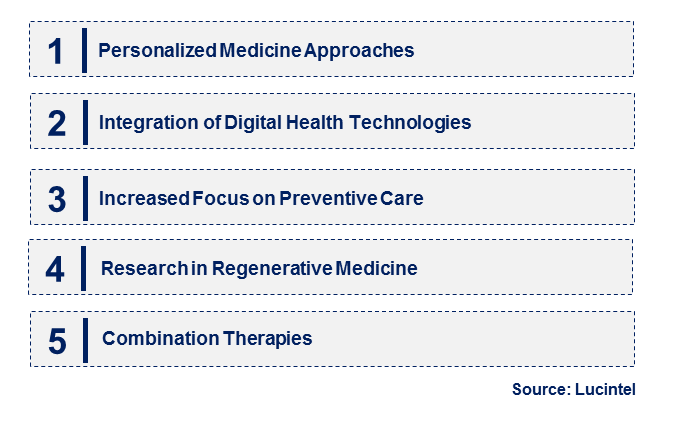
• Personalized Medicine Approaches: The shift toward personalized medicine allows healthcare providers to tailor treatments based on individual genetic profiles, improving treatment outcomes. This trend enhances patient satisfaction and adherence, as therapies become more aligned with specific patient characteristics.
• Integration of Digital Health Technologies: Digital health technologies, including mobile health apps and telemedicine platforms, are transforming bone pain management. These tools enable remote monitoring and consultations, improving accessibility and ensuring continuous care for patients, particularly in underserved regions.
• Increased Focus on Preventive Care: There is a growing emphasis on preventive measures to mitigate bone pain risks. Initiatives promoting healthy lifestyles, including nutrition and physical activity, are crucial in reducing the incidence of bone-related conditions, ultimately leading to better long-term outcomes.
• Research in Regenerative Medicine: Innovations in regenerative medicine, particularly stem cell therapies and tissue engineering, are gaining momentum in treating bone pain. These approaches aim to repair damaged tissues and restore function, offering promising alternatives to traditional treatment modalities.
• Combination Therapies: The use of combination therapies that integrate pharmacological and non-pharmacological treatments is becoming more prevalent. This holistic approach addresses the multifaceted nature of bone pain, enhancing overall effectiveness and improving patient quality of life. These trends are reshaping the bone pain treatment market by driving innovation, improving patient outcomes, and enhancing accessibility to effective therapies.
• Emergence of Novel Pharmacotherapies: New drug formulations targeting specific pain pathways have been introduced, significantly improving pain management in conditions like osteoporosis and arthritis. These medications offer more effective relief and fewer side effects compared to traditional therapies.
• Advancements in Diagnostic Techniques: Enhanced imaging technologies, such as MRI and CT scans, are being utilized for better diagnosis of bone-related conditions. Early and accurate diagnosis leads to timely interventions, reducing the risk of chronic pain.
• Telehealth Expansion: The COVID-19 pandemic accelerated the adoption of telehealth services, providing patients with easier access to specialists for bone pain management. This development has improved treatment adherence and patient satisfaction.
• Growth of Multidisciplinary Care Models: The integration of multidisciplinary approaches involving pain specialists, physical therapists, and nutritionists is becoming common. This collaborative model ensures comprehensive treatment plans, addressing all aspects of bone health and pain management.
• Increased Investment in Research: Pharmaceutical companies are investing significantly in R&D for bone pain treatments. This focus aims to discover innovative therapies that can improve outcomes for patients suffering from chronic bone pain conditions. These developments are impacting the bone pain treatment market by enhancing therapeutic options, improving patient outcomes, and promoting a more holistic approach to care.
• Osteoporosis Management: With the rising prevalence of osteoporosis, there is a growing need for effective treatment options. Opportunities exist for developing innovative therapies and prevention strategies aimed at reducing fracture risk and improving bone density.
• Arthritis Treatment Innovations: As arthritis cases increase, demand for advanced treatments is on the rise. Innovations in biologics and personalized therapy options present significant growth potential in addressing the diverse needs of arthritis patients.
• Chronic Pain Management Programs: The shift toward integrated chronic pain management programs offers opportunities for healthcare providers to develop comprehensive treatment plans. These programs can improve patient outcomes and satisfaction by addressing the multifaceted nature of chronic bone pain.
• Emerging Markets Expansion: Developing countries present untapped opportunities for growth in bone pain treatments. As healthcare infrastructure improves and awareness of bone health increases, manufacturers can introduce new products and services to meet growing demand.
• Regenerative Medicine Applications: The exploration of regenerative medicine techniques, such as stem cell therapy, provides avenues for innovative treatments in bone pain management. As research progresses, these therapies may offer effective solutions for conditions previously deemed difficult to treat. These growth opportunities are shaping the bone pain treatment market by fostering innovation, improving patient outcomes, and addressing the evolving needs of diverse patient populations.
• Increasing Incidence of Bone Disorders: The rising prevalence of bone-related conditions, such as osteoporosis and arthritis, is driving demand for effective treatment solutions, encouraging research and development in this field.
• Technological Advancements: Innovations in treatment methodologies and diagnostic technologies enhance the efficacy of bone pain treatments, leading to better patient outcomes and increased market opportunities.
• Aging Population: The global aging population contributes to higher rates of bone disorders, resulting in increased demand for specialized treatments and comprehensive pain management solutions.
• Growing Awareness of Bone Health: Increased awareness regarding bone health and preventive measures is driving patients to seek timely interventions, expanding the market for bone pain treatments.
• Investment in Research and Development: Ongoing investment by pharmaceutical companies and healthcare organizations in R&D is fostering the development of novel therapies and improving existing treatment options. Challenges in the bone pain treatment market are:
• High Treatment Costs: The cost of advanced bone pain treatments can be prohibitive for some patients, potentially limiting access to necessary therapies and impacting market growth.
• Regulatory Hurdles: Navigating complex regulatory environments can pose challenges for manufacturers seeking to bring new therapies to market, potentially delaying product launches.
• Variability in Treatment Guidelines: Differences in treatment protocols across regions can lead to inconsistent patient care, complicating the establishment of standardized practices in bone pain management. Overall, these drivers and challenges are shaping the dynamics of the bone pain treatment market, influencing strategic decisions and growth trajectories.
• APS Materials
• Berkeley Advanced Biomaterials
• Bio-Rad Laboratories
• Cgbio
• FLUIDINOVA
• Granulab
• Technosurgical
• Ibuprofen
• Acetaminophen
• Paracetamol
• Morphine
• Ciprofloxacin
• Clindamycin
• Vancomycin
• North America
• Europe
• Asia Pacific
• The Rest of the World
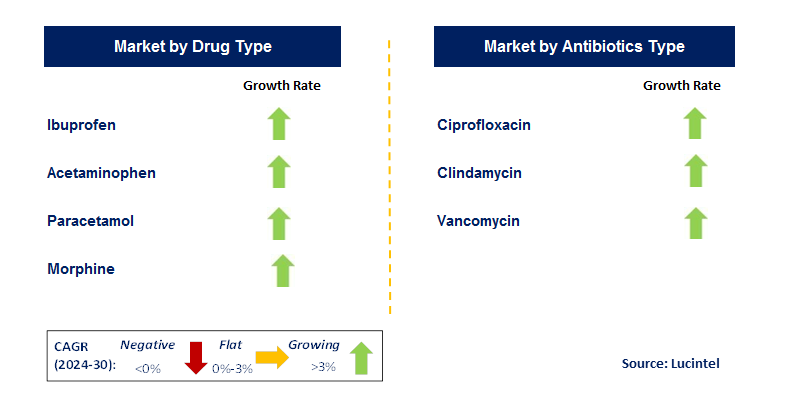
• Lucintel forecasts that, within the drug type category, vancomycin is expected to witness the highest growth over the forecast period due to its broad-spectrum efficacy against bacterial infections.
• Within the antibiotics type category, ibuprofen will remain the largest segment due to widespread adoption for pain relief.
• In terms of regions, North America will remain the largest region over the forecast period due to the presence of a substantial elderly population and supportive regulatory environments in the region.


• APS Materials
• Berkeley Advanced Biomaterials
• Bio-Rad Laboratories
• Cgbio
• FLUIDINOVA
• Granulab
• Technosurgical Q5. Which bone pain treatment market segment will be the largest in future? Answer: Lucintel forecasts that vancomycin is expected to witness the highest growth over the forecast period due to its broad-spectrum efficacy against bacterial infections. Q6. In bone pain treatment market, which region is expected to be the largest in next 5 years? Answer: North America will remain the largest region over the forecast period due to the presence of a substantial elderly population and supportive regulatory environments in the region. Q.7 Do we receive customization in this report? Answer: Yes, Lucintel provides 10% customization without any additional cost.


Choose a license that fits your team. Instant PDF delivery.
Prices exclude taxes. Instant delivery. Custom licensing available on request.
Market Report · July 22, 2026
Market Report · July 22, 2026
Market Report · July 22, 2026
Trusted partner for strategic intelligence and business growth


Receive a complimentary market analysis tailored to your industry. Our analysts will identify key growth opportunities and competitive dynamics specific to your business.

Market size, growth rate, and key trend analysis for your specific sector.

Top competitor positioning and market share analysis.

Strategic recommendations backed by data-driven insights.
Get curated market intelligence and competitive moves straight to your inbox.
By subscribing, you agree to receive our monthly insights. Unsubscribe anytime.
Receive a complimentary market analysis tailored to your industry. Our analysts will identify key growth opportunities and competitive dynamics specific to your business.
Market size, growth rate, and key trend analysis for your specific sector.
Top competitor positioning and market share analysis.
Strategic recommendations backed by data-driven insights.
Get curated market intelligence, emerging trends, and competitive moves straight to your inbox each month.
By subscribing, you agree to receive our monthly insights. Unsubscribe anytime.
We'll send your sample report shortly.