'
...

The Impact of COVID-19 is included in Body Area Network Market in Australia. Buy it today to get an advantage.

Request the impact of COVID-19 on your product or industry


Body Area Network in Australia Trends and Forecast

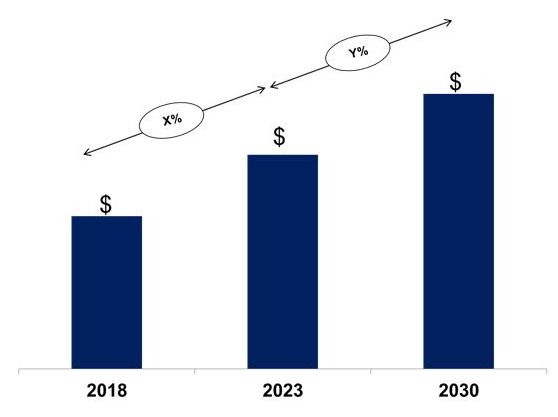
The future of the body area network market in Australia looks promising with opportunities in the display, application processor & memory module, and pulse generator, electromechanical, communication & interface component, power management unit, and sensor markets. The global body area network market is expected to reach an estimated $24.2 billion by 2031, with a CAGR of 11.0% from 2025 to 2031. The body area network market in Australia is also forecasted to witness strong growth over the forecast period. The major drivers for this market are the growing use of smart devices for tracking physical fitness and ongoing advancements in medical devices and communication technologies.

• Lucintel forecasts that, within the device type category, wearable device is expected to witness higher growth over the forecast period due to rapid adoption and widespread acceptance of smartwatches.
• Within the component category, application processor and memory module will remain the largest segment due to proliferation of multimedia features in wearable devices is on the rise.

Body Area Network Market in Australia Trends and Forecast

Emerging Trends in the Body Area Network Market in Australia

The Australian Body Area Network (BAN) market is undergoing a dynamic shift as the nation hastens its integration of next-generation healthcare technology. Increased demand for remote patient monitoring, heightened awareness of preventive care, and government investments in digital health infrastructure are major impetuses. As interest in wearable health devices among consumers continues to grow, the integration of interoperability standards, data security, and artificial intelligence has become the core of innovation. The trends below capture how Australia is transforming its healthcare sector through emerging BAN technologies aligned with its digital and demographic environment.

• AI-Powered Predictive Analytics Integration: Australian healthcare providers are increasingly adopting AI-enabled analytics into BAN systems to anticipate health risks before they become problematic. These devices scan real-time physiological information from wearable sensors to identify early warning signs of diseases like heart failure or diabetes. The predictive features not only allow for proactive interventions but also minimize hospital readmission rates. This trend is dramatically enhancing clinical outcomes and is likely to be vital in managing Australian aging population, especially in rural and underserved areas where access to continuous care is scarce.
• Expansion of 5G-Enabled BAN Networks: Deployment of 5G in Australia is speeding up the implementation of high-speed, low-latency Body Area Networks. BAN devices are now able to deliver higher volumes of data with zero delay, promoting remote diagnostics and telehealth. This technological innovation is especially suited for rural locations, providing effortless monitoring and real-time communication between patients and clinicians. The integration of 5G is augmenting the reliability and responsiveness of wearable medical devices, paving the way towards increased adoption in consumer wellness as well as critical care segments.
• Expansion of Decentralized Clinical Trials (DCTs): With regulatory approval and technological advances in digital monitoring, Australia is seeing an increase in decentralized clinical trials using BAN technology. Wearable sensors are enabling trial participants to send continuous health data from home instead of visiting the hospital repeatedly. This trend boosts participant convenience, speeds up data collection, and enhances trial retention rates. Expansion of DCTs is transforming Australia into a desirable hub for international pharmaceutical firms seeking efficient, technology-based research and development activities.
• Improved Interoperability Standards Adoption: Australian health systems are opting for the adoption of interoperability standards to allow for smooth data exchange between BAN devices and larger healthcare networks. The imperative to develop coherent patient records sharable across various care providers is fueling the trend. It promotes effective diagnosis, minimizes redundancy, and enhances continuity of care. Regulatory agencies are promoting adherence to international health IT standards like HL7 and FHIR, indicating the move toward more integrated and patient-focused care solutions within Australian healthcare system.
• Emphasis on Data Privacy and Cybersecurity Frameworks: Since Body Area Networks deal with sensitive health information, Australia is strengthening its cybersecurity mechanisms to prevent patient data breaches. Encryption methodologies, biometric authentication, and zero-trust architecture are being increasingly implemented across wearable technologies. The increase stems from rising concerns by the population about the misuse of data and breaches. Regulatory movements are enabling strict compliance with privacy, which benefits users by being safe but also increases trust, thus driving the wide adoption of BAN systems across Australia.

These new trends are reshaping healthcare delivery and management in Australia using the Body Area Network ecosystem. With the adoption of AI, 5G, and decentralized monitoring, Australia is stepping into a more individualized, data-centric, and accessible healthcare paradigm. Better interoperability and security frameworks are setting a safe path for long-term scalability. Together, these innovations are not just enhancing patient outcomes but also creating Australia as an innovative market for BAN technologies.

Recent Developments in the Body Area Network Market in Australia

Australian Body Area Network market is experiencing tremendous developments driven by technological advancements and strategic alliances. Herein, as healthcare becomes increasingly digital-first, wearable technology is changing fast to address clinical and consumer demands. Industry players and public institutions are driving these changes to be supported by rising investments, national health policies, and partnerships. The developments below depict the way Australian BAN ecosystem is progressing by targeted innovation with solutions that are scalable, secure, and targeted to local health priorities in the country.

• National Digital Health Strategy 2023–2028 Launch: The Australian government introduced a revised National Digital Health Strategy, intending to enhance digital health capacity, such as BAN integration. The strategy supports wearable health technology for preventive care and chronic disease management. It provides frameworks for secure data sharing and supports the adoption of real-time patient monitoring solutions. This move offers a structured path for BAN system development and indicates institutional backing for integrating wearable technologies into mainstream care services across the country.
• CSIRO Partnership for AI-Fueled Wearable Sensors: The Commonwealth Scientific and Industrial Research Organization (CSIRO) has joined forces with technology companies to engineer AI-powered BAN devices to detect early signs of health problems. The ventures have yielded sensors that constantly check biometrics, providing real-time feedback for both clinicians and end-users. Joint ventures focus on research-based innovation and have widened the scope for treating chronic ailments such as diabetes and hypertension. This innovation represents a breakthrough in integrating BAN technologies into medical practices in Australia.
• Remote Monitoring Solution Regulatory Approval: Recent TGA approval of remote monitoring systems has accelerated the use of BANs in clinical settings. The systems, now that they are established as valid medical devices, are being utilized within hospitals and at-home care to monitor patient vitals. Development ensures quality assurance and patient safety, which helps build confidence in wearable health tech. It also inspires more companies to invest in certified BAN solutions for the healthcare needs of Australia.
• Launch of Telehealth-BAN Integration Programs: Some Australian states have launched programs incorporating BAN systems into their increasing telehealth services. These programs enable persistent streaming of data from patients to healthcare providers throughout remote consultations. This innovation brings increased care accessibility, particularly to rural communities, and enhances response times in patient condition management. It demonstrates a systemic embrace of incorporating BAN technologies into the wider telemedicine infrastructure for more efficient, real-time care delivery.
• Private Sector Investments in Smart Health Startups: It has witnessed a surge in private investment in Australian startups dealing in smart wearables and BAN solutions. Venture capital firms are supporting innovations in non-invasive monitoring, integration of biosensors, and cloud-based health analytics. These investments are driving the commercialization of next-generation BAN devices with improved design, battery life, and data accuracy. This inflow of capital is establishing Australia as a dynamic innovation center for wearable health technologies and sophisticated patient monitoring solutions.

These advances are quickly propelling the Body Area Network market in Australia by balancing innovation with policy, research, and investment. From government-funded strategies to funding from the private sector and regulatory approvals, the ecosystem is shifting to accommodate scalable, secure, and clinically validated wearable technologies. Collectively, these initiatives are pushing the mainstream adoption of BAN solutions, revolutionizing healthcare delivery in both urban and remote areas.

Strategic Growth Opportunities for Body Area Network Market in Australia

The Australia Body Area Network market is growing at a fast pace, driven by a digitally advanced healthcare ecosystem and rising demand for real-time monitoring of health. With the healthcare industry transforming toward connected and personalized care, new growth opportunities are emerging in applications like chronic disease management, sports science, military healthcare, elder care, and post-operative care. These applications are fueling substantial investment and innovation, generating new value for providers and patients alike. The following application-based growth opportunities highlight the changing dynamics in the Australia Body Area Network market.

• Chronic Disease Management: Chronic diseases like diabetes and cardiovascular diseases continue to be a significant healthcare burden in Australia. Body Area Networks offer real-time monitoring solutions that monitor vital signs and notify providers of anomalies. This forward-thinking management limits hospital visits and enhances patient quality of life. By introducing BAN systems within national health data networks, Australia is facilitating more effective disease monitoring, more accurate medication compliance, and enhanced coordination of care. This potential is especially effective in remote communities where on-site care is limited and long-term management is crucial.
• Military and Defense Applications: The Australian defense industry is researching BAN technologies to track the physiological states of soldiers in training and combat missions. BAN-enabled equipment can measure stress, fatigue, hydration, and exposure to harsh environments. This information enables more effective decision-making and enhanced troop readiness. By investing in real-time health monitoring systems, the military can boost operational safety and medical response times. The inclusion of BAN systems in defense is an expanding niche market with great potential for technological innovation and tailored applications.
• Elderly Health Monitoring: Australia growing elderly population poses a significant opportunity for BAN applications in aging care. Wearable sensors facilitate non-invasive health monitoring, fall detection, and medication reminders. These technologies allow elderly people to age in place with more autonomy and confidence. As the nation faces increasing demand for home care, Body Area Networks are becoming an essential part of elder care plans. They also take some burden off healthcare facilities and caregivers by automating notifications and lessening the requirement for constant on-site monitoring.
• Post-Operative and Rehabilitation Support: Body Area Networks are increasingly being used in post-operative recovery and physical rehabilitation programs. Sensors assist in tracking patient progress, identifying complications early, and modifying rehabilitation plans according to real-time information. This facilitates quicker recovery and minimizes the likelihood of hospital readmissions. Australian healthcare professionals are combining BAN systems with telemedicine platforms to take care outside hospital walls. With patient-centered care models developing, post-operative monitoring using BAN technologies is becoming a vital growth area.

All these strategic opportunities for growth in various applications are transforming the Body Area Network market in Australia. Ranging from chronic disease care to eldercare and defense health, BAN technologies are making healthcare more connected, efficient, and personalized. With increasing demand for continuous and remote monitoring, these applications not only enhance health outcomes but also fuel innovation, investment, and next-generation digital health solution adoption throughout Australia.

Body Area Network Market in Australia Driver and Challenges

The Australian Body Area Network market is defined by a dynamic blend of technical, economic, and regulatory variables. Although adoption of digital health products is growing through demographic transformation and healthcare system reformation, numerous challenges still need to be tackled. Drivers like connectivity enhancements, rising health consciousness, and a competent digital workforce are driving market expansion. Data security concerns, standardization, and infrastructure preparedness are presenting challenges. The subsequent segments explore the foremost drivers and key challenges shaping the Australian BAN market scenario.

The factors responsible for driving the Body Area Network market in Australia include:
• Increased Demand for Remote Healthcare: With healthcare becoming increasingly home-centric, Body Area Networks are emerging as critical remote monitoring tools. Australians, especially in rural areas, need care access without hospital admissions. BAN devices enable clinicians to remotely monitor the health metrics of patients, enhancing care continuity. The demand has been boosted by recent global health emergencies and government incentives encouraging telehealth. The trend is forcing health providers to integrate BAN systems into their facilities to keep pace with increasing expectations for digital-first, patient-driven care.
• Increasing Wearable Device Penetration: The extensive application of smartwatches, fitness trackers, and medical wearables is a major influencer for the adoption of BAN in Australia. More consumers are adopting these devices to monitor wellness, laying a robust basis for medical-grade BAN solutions. With increased health awareness, individuals become more inclined toward the adoption of sophisticated monitoring systems. This trend is also leading to collaborations between healthcare providers and technology companies to develop devices that merge clinical precision with consumer functionality, taking the BAN application to many different areas of health.
• Government Support for Digital Health Initiatives
Australian state and federal governments are actively facilitating digitalization in healthcare, such as investments in Body Area Network infrastructure. With funding programs, research grants, and digital health structures, the public sector is encouraging interoperability and safe data exchange. Public sector initiatives provide a positive regulatory setup for the deployment of BAN technology. This support facilitates easier market entry for new firms and enhances readiness by healthcare systems to embrace real-time patient monitoring solutions within public and private networks.
• Data Analytics and AI Integration Progress: Machine learning and AI are being integrated into BAN systems to extract more in-depth insights from ongoing health data. These applications allow predictive analytics, warning providers to health decline before it becomes severe. In Australia, where personalized medicine is increasingly popular, AI-driven BAN applications meet the aim of treating patients to their unique needs. This driver is stimulating additional spending on smart healthcare infrastructure and making BAN technologies more highly valued.
• Enhanced Network Connectivity via 5G: The rollout of 5G networks in urban and regional Australia is facilitating quicker, more consistent data transfer between wearables and health systems. The innovation eliminates prior technical constraints such as data delay and dropouts, which routinely compromised BAN performance. Better connectivity facilitates real-time monitoring and enables the convergence of video consultation and diagnostic services. It also guarantees that BAN systems can function effectively in remote or limited-resource locations, expanding access and efficiency.

Challenges in the Body Area Network market in Australia are:
• Privacy and Security Issues with Data: The continuous collection and transmission of sensitive health information through BAN devices pose extreme privacy and cybersecurity issues. Australian strict health data laws mandate that all systems provide data protection, but breaches and vulnerabilities are still threats. Patient confidence is vital for mass market adoption, and a failure in data management could retard market expansion. Healthcare professionals and technology developers need to ensure that encryption, user authentication, and compliance are prioritized to avoid these problems and generate confidence.
• Lack of Standardization: The Australian Body Area Network ecosystem is presently disjointed, with diverse protocols and device incompatibility. The absence of standardization slows down integration among devices and electronic health records, making it difficult for workflows to be completed by providers. This is a challenge to system interoperability and constrains the scalability of BAN solutions. Industry players need to come together and establish and implement universal standards that facilitate seamless connectivity, data exchange, and long-term performance across various healthcare environments.
• Rural Area Infrastructure Gaps: Even with advancements in network connectivity, numerous rural and remote Australian areas continue to experience infrastructure challenges that hinder the deployment of BAN. The regions lack bandwidth and healthcare infrastructure to accommodate real-time monitoring systems. The digital divide widens healthcare inequalities and constrains access to new care solutions. It is essential to bridge this gap through strategic investment in infrastructure to obtain equitable health outcomes and increase the market scope.

Australian Body Area Network marketplace is being pushed by major growth drivers like the need for remote care, the adoption of wearables, and the governments digital push. At the same time, the marketplace also needs to get through privacy challenges, standardization barriers, and infrastructure deficiencies. All these in combination influence the market development pace and direction. Progressing through these challenges while adopting growth drivers will be critical for realizing the optimum potential of BAN technologies through the Australian health system.

List of Body Area Network Market in Australia Companies

Companies in the market compete on the basis of product quality offered. Major players in this market focus on expanding their manufacturing facilities, R&D investments, infrastructural development, and leverage integration opportunities across the value chain. Through these strategies, body area network companies cater to increasing demand, ensure competitive effectiveness, develop innovative products & technologies, reduce production costs, and expand their customer base. Some of the body area network companies profiled in this report include:
• Company 1
• Company 2
• Company 3
• Company 4
• Company 5


Body Area Network Market in Australia by Segment

The study includes a forecast for the body area network market in Australia by device type, component, and application.

Body Area Network Market in Australia by Device Type [Analysis by Value from 2019 to 2031]:


• Wearable Devices
• Implantable Devices

Body Area Network Market in Australia by Component [Analysis by Value from 2019 to 2031]:


• Displays
• Application Processors & Memory Modules, and Pulse Generators
• Electromechanicals
• Communication & Interface Components
• Power Management Units
• Sensors
• Others

Body Area Network Market in Australia by Application [Analysis by Value from 2019 to 2031]:


• Medical, Fitness, and Sports
• Military
• Security

Lucintel Analytics Dashboard

Features of the Body Area Network Market in Australia

Market Size Estimates: Body area network in Australia market size estimation in terms of value ($B).
Trend and Forecast Analysis: Market trends and forecasts by various segments.
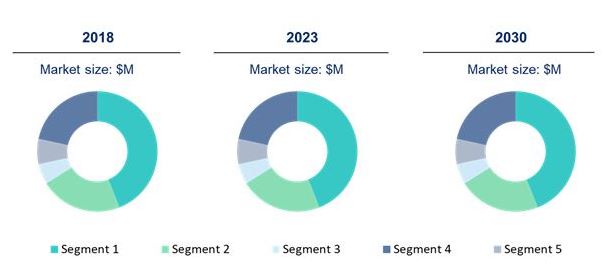
Segmentation Analysis: Body area network in Australia market size by device type, component, and application in terms of value ($B).
Growth Opportunities: Analysis of growth opportunities in different device types, components, and applications for the body area network in Australia.
Strategic Analysis: This includes M&A, new product development, and competitive landscape of the body area network in Australia.
Analysis of competitive intensity of the industry based on Porter’s Five Forces model.

If you are looking to expand your business in this or adjacent markets, then contact us. We have done hundreds of strategic consulting projects in market entry, opportunity screening, due diligence, supply chain analysis, M & A, and more.
Lucintel Consulting Services

FAQ

Q1. What are the major drivers influencing the growth of the body area network market in Australia?
Answer: The major drivers for this market are growing use of smart devices for tracking physical fitness and on-going advancements in medical devices and communication technologies.
Q2. What are the major segments for body area network market in Australia?
Answer: The future of the body area network market in Australia looks promising with opportunities in the display, application processor & memory module, and pulse generator, electromechanical, communication & interface component, power management unit, and sensor markets.
Q3. Which body area network market segment in Australia will be the largest in future?
Answer: Lucintel forecasts that wearable device is expected to witness the higher growth over the forecast period due to rapid adoption and widespread acceptance of smartwatches.
Q4. Do we receive customization in this report?
Answer: Yes, Lucintel provides 10% customization without any additional cost.

This report answers following 10 key questions:

Q.1. What are some of the most promising, high-growth opportunities for the body area network market in Australia by device type (wearable devices and implantable devices), component (displays, application processors & memory modules, and pulse generators, electromechanicals, communication & interface components, power management units, sensors, and others), and application (medical, fitness, and sports, military, and security)?
Q.2. Which segments will grow at a faster pace and why?
Q.3. What are the key factors affecting market dynamics? What are the key challenges and business risks in this market?
Q.4. What are the business risks and competitive threats in this market?
Q.5. What are the emerging trends in this market and the reasons behind them?
Q.6. What are some of the changing demands of customers in the market?
Q.7. What are the new developments in the market? Which companies are leading these developments?
Q.8. Who are the major players in this market? What strategic initiatives are key players pursuing for business growth?
Q.9. What are some of the competing products in this market and how big of a threat do they pose for loss of market share by material or product substitution?
Q.10. What M&A activity has occurred in the last 5 years and what has its impact been on the industry?
For any questions related to Body Area Network Market in Australia, Body Area Network Market in Australia Size, Body Area Network Market in Australia Growth, Body Area Network Market in Australia Analysis, Body Area Network Market in Australia Report, Body Area Network Market in Australia Share, Body Area Network Market in Australia Trends, Body Area Network Market in Australia Forecast, Body Area Network Companies, write Lucintel analyst at email: helpdesk@lucintel.com. We will be glad to get back to you soon.

                                                            Table of Contents

            1. Executive Summary

            2. Body Area Network Market in Australia: Market Dynamics
                        2.1: Introduction, Background, and Classifications
                        2.2: Supply Chain
                        2.3: Industry Drivers and Challenges

            3. Market Trends and Forecast Analysis from 2019 to 2031
                        3.1. Macroeconomic Trends (2019-2024) and Forecast (2025-2031)
                        3.2. Body Area Network Market in Australia Trends (2019-2024) and Forecast (2025-2031)
                        3.3: Body Area Network Market in Australia by Device Type
                                    3.3.1: Wearable Devices
                                    3.3.2: Implantable Devices
                        3.4: Body Area Network Market in Australia by Component
                                    3.4.1: Displays
                                    3.4.2: Application Processors & Memory Modules, and Pulse Generators
                                    3.4.3: Electromechanicals
                                    3.4.4: Communication & Interface Components
                                    3.4.5: Power Management Units
                                    3.4.6: Sensors
                                    3.4.7: Others
                        3.5: Body Area Network Market in Australia by Application
                                    3.5.1: Medical, Fitness, and Sports
                                    3.5.2: Military
                                    3.5.3: Security

            4. Competitor Analysis
                        4.1: Product Portfolio Analysis
                        4.2: Operational Integration
                        4.3: Porter’s Five Forces Analysis

            5. Growth Opportunities and Strategic Analysis
                        5.1: Growth Opportunity Analysis
                                    5.1.1: Growth Opportunities for the Body Area Network Market in Australia by Device Type
                                    5.1.2: Growth Opportunities for the Body Area Network Market in Australia by Component
                                    5.1.3: Growth Opportunities for the Body Area Network Market in Australia by Application
                        5.2: Emerging Trends in the Body Area Network Market
                        5.3: Strategic Analysis
                                    5.3.1: New Product Development
                                    5.3.2: Capacity Expansion of the Body Area Network Market in Australia
                                    5.3.3: Mergers, Acquisitions, and Joint Ventures in the Body Area Network Market in Australia
                                    5.3.4: Certification and Licensing

            6. Company Profiles of Leading Players
                        6.1: Company 1
                        6.2: Company 2
                        6.3: Company 3
                        6.4: Company 4
                        6.5: Company 5
.

Buy full report or by chapter as follows

Limited Time Offer

Price by License Type:
[-] Hide Chapter Details
[Chapter Number] [Chapter Name] [Chapter Number Of Pages] [Chapter Price]
Title/Chapter Name Pages Price
Full Report: Body Area Network Market in Australia Full Report $ 2,990
150 - page report
Lucintel has been in the business of market research and management consulting since 2000 and has published over 1000 market intelligence reports in various markets / applications and served over 1,000 clients worldwide. This study is a culmination of four months of full-time effort performed by Lucintel's analyst team. The analysts used the following sources for the creation and completion of this valuable report:
  • In-depth interviews of the major players in this market
  • Detailed secondary research from competitors’ financial statements and published data 
  • Extensive searches of published works, market, and database information pertaining to industry news, company press releases, and customer intentions
  • A compilation of the experiences, judgments, and insights of Lucintel’s professionals, who have analyzed and tracked this market over the years.
Extensive research and interviews are conducted across the supply chain of this market to estimate market share, market size, trends, drivers, challenges, and forecasts. Below is a brief summary of the primary interviews that were conducted by job function for this report.
 
Thus, Lucintel compiles vast amounts of data from numerous sources, validates the integrity of that data, and performs a comprehensive analysis. Lucintel then organizes the data, its findings, and insights into a concise report designed to support the strategic decision-making process. The figure below is a graphical representation of Lucintel’s research process. 
 

Please sign in below to get report brochure - Body Area Network Market in Australia .

At Lucintel, we respect your privacy and maintain the confidentiality of information / data provided by you
(Please enter your corporate email. * These fields are mandatory )

Follow us on