
Market Report · July 15, 2026

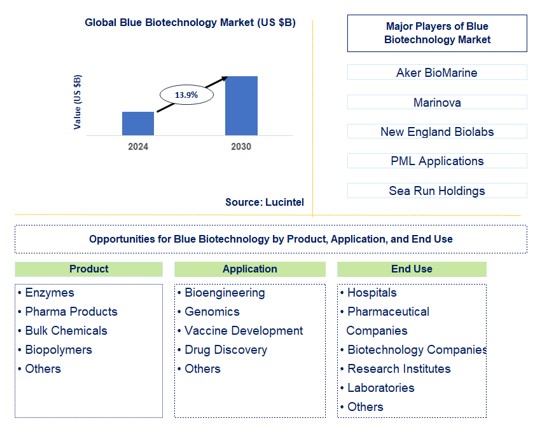
Key data points: The growth forecast = 13.9% annually for the next 6 years. Scroll below to get more insights. This market report covers trends, opportunities, and forecasts in the global blue biotechnology market to 2030 by product (enzymes, pharma products, bulk chemicals, biopolymers, and others), application (bioengineering, genomics, vaccine development, drug discovery, and others), end use (hospitals, pharmaceutical companies, biotechnology companies, research institutes, laboratories, and others), and region (North America, Europe, Asia Pacific, and the Rest of the World)
We'll send your sample report shortly.
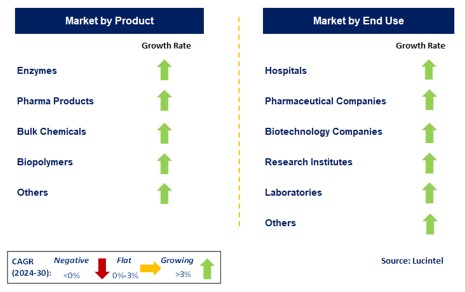
• Lucintel forecasts that, within the product category, enzymes is expected to witness the highest growth over the forecast period.
• Within the end use category, pharmaceutical will remain the largest segment.
• In terms of region, North America will remain the largest region over the forecast period due to the presence of improved and advanced healthcare and research facilities in the region. Gain valuable insights for your business decisions with our comprehensive 150+ page report.
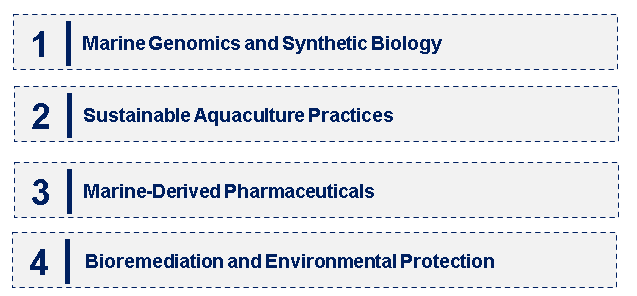
• Marine Genomics and Synthetic Biology: Marine genomics and synthetic biology are causing a significant shift in the blue biotechnology market by enabling the discovery and manipulation of marine genetic materials. Advances in sequencing technologies have revealed new marine organisms and their unique characteristics, leading to novel biotechnological applications. In fact, synthetic biology is improving the efficiency of creating customized marine-based products, thus enhancing the overall effectiveness of the field of marine biotechnology. This trend is expanding the areas in which research on marine applications can be further developed.
• Sustainable Aquaculture Practices: In a world that has seen an increase in demand for seafood and other marine resources, sustainable aquaculture practices have become central to developments within the blue biotechnology market. These include innovative aquaculture technologies aimed at reducing environmental impacts, improving resource efficiency, and promoting fish health. Sustainable feed development strategies, disease management approaches, and breeding techniques are some of these practices. Thus, the focus on sustainability is fostering growth in this sector while promoting responsible management of our marine resources.
• Marine-Derived Pharmaceuticals: Scientists are now focusing on the therapeutic potential of marine organisms, resulting in a growing need for effective treatments such as marine-derived pharmaceuticals. With advances in drug discovery from oceans, there is hope for developing alternative medicines to treat various diseases, including cancer, infections, and neurological disorders. For example, algal sponges and microorganisms found within them not only produce bioactive compounds but also possess therapeutic properties, making them valuable sources for developing new drugs. This is a progression toward innovation in drug development, expanding its scope within the pharmaceutical sector.
• Bioremediation and Environmental Protection: One emerging trend in blue biotechnology is the use of marine organisms to address ecological issues, particularly in bioremediation and environmental protection. Marine bacteria, algae, and other species are currently being assessed for their potential to break down pollutants, such as oil spills, and to restore degraded ecosystems. These applications contribute to environmental sustainability and highlight the potential of marine biotechnology to support ecological health and resilience. Marine biotechnology is helping to address a range of environmental problems faced by people. Marine genomics, sustainable aquaculture practices, marine-derived pharmaceuticals, bioremediation, and marine-based nutraceuticals are some of the emerging trends within the blue biotechnology sector that are transforming this industry. It is this ongoing change that fuels innovation, widening the boundaries of blue biotechnology while addressing global issues such as environmental conservation and healthcare. The promising future prospects for blue biotechnology suggest tremendous scientific discoveries and technological advancements, offering new opportunities for growth in various areas as blue biotech continues to evolve rapidly in the years ahead.
• Marine genomics progress: The advancement of marine genomics has provided an opportunity to discover novel marine organisms with unique genetic properties. This breakthrough enables the development of various biotechnological applications, including marine-derived pharmaceuticals or bioactive compounds, among others. The availability of sequencing and analyzing marine genomes provides avenues for research and product development, thereby driving growth within the blue biotech field.
• Bioprocessing technologies revolution: Progress in bioprocessing technologies has raised efficiency levels regarding the extraction and utilization of marine-based resources. Consequently, there are developments aimed at enhancing yield and quality improvement of products like enzymes and bioactive molecules derived from oceans. These innovations facilitate sector-wide production streamlining, ensuring cost minimization and making enterprises based on oceanic life forms more commercially viable.
• Sustainable management of ocean resources: Sustainable practices in managing ocean resources have become a vital focus area within the blue biotech field. Monitoring harvesting processes with a view to conserving ocean species is key to protecting biodiversity and ecosystem health. Such initiatives help reduce environmental impact and promote sustainability, which is necessary for long-term growth within a blue biotechnology market where issues such as over-exploitation and ecological balance need to be addressed.
• Marine-derived pharmaceuticals: The advent of marine-derived pharmaceuticals has been a major boost to the blue biotechnology industry. Presently, research into marine organisms has discovered therapeutic compounds that can be used to cure ailments, including cancer, infections, and neurological disorders. This shift has led to the diversification of treatments in the market while emphasizing the importance of marine biodiversity in drug discovery and development. The blue biotechnology market has been characterized by recent developments in marine genomics, innovative bioprocessing technologies, and sustainable practices that are bringing transformative changes. The search for marine-derived pharmaceuticals and nutraceuticals is expanding treatment options and health benefits. Therefore, these developments demonstrate the increasing importance of marine resources in the biotech industry, which can be applied to address major global challenges.
• Pharmaceutical Applications: The pharmaceutical industry is growing through advancements in medicaments obtained from marine species. Marine organisms are appealing on an experimental basis, as they have the potential to generate new drugs against various diseases. Therefore, this avenue promotes research efforts and investments in Blue Biotechnology, leading to the development of new medicines and expanding treatment options for several health conditions.
• Environmental Management and Bioremediation: Significant opportunities exist in environmental management and bioremediation through marine biotechnology. There is an increasing use of marine organisms to address pollution and restore ecosystems through processes such as biotransformation and bioremediation. These applications promote environmental sustainability, while also showcasing the potential of marine resources to tackle ecological challenges and enhance ecosystem health.
• Aquaculture and Sustainable Seafood Production: A major growth opportunity exists in the blue biotechnology market related to sustainable aquaculture practices. Innovations in aquaculture technologies and practices aim to improve efficiency, minimize environmental degradation, and boost fish health. This opportunity supports the growing market for sustainable seafood production while aligning with global efforts to encourage responsible management of marine resources.
• Nutraceuticals and Functional Foods: The development of nutraceuticals and functional foods derived from marine sources is an emerging business opportunity. Examples include dietary supplements or functional ingredients made from marine organisms. This trend is driving consumer demand for food sourced from the ocean, emphasizing its nutritional value and role in maintaining good health. Strategic growth opportunities are emerging in several areas such as pharmaceuticals, environmental management, sustainable aquaculture, nutraceuticals, and industrial processes across various applications. These are creating new solutions for global problems through the use of marine products. The sector’s focus on sustainability and advanced technologies is leading to new ways of growing the industry. Therefore, the healthcare sector is likely to see significant contributions toward health maintenance, environmental conservation, and industrial efficiency by capitalizing on these prospects, which will shape future trends in blue biotech and expand its influence into other fields.
• Technological Advancements: The blue biotechnology market is driven forward by technological advancements in marine genomics, bioprocessing, and analytical tools. Research in these areas has made significant progress in improving the efficiency and effectiveness of how we use the sea’s resources while simultaneously increasing our understanding of them. These innovations are broadening possibilities for studies, leading to novel products and materials that can be used commercially.
• Growing Demand for Sustainable Solutions: There is an increasing demand for sustainable and eco-friendly solutions, which has led to the adoption of blue biotechnology. This surge in demand has resulted in the development of environmentally friendly products and services from both consumers, enabling marine businesses to adopt better environmental management practices with less impact on the surroundings. This trend encourages the application of sustainable biotech solutions and affects market dynamics.
• Investment in Research and Development: Investment in research and development is one of the driving forces behind innovation in the blue biotechnology market. Marine biotech research, along with the development of new technologies and products, benefits from funding from governments, private sectors, and other institutions worldwide. Such investments also advance scientific knowledge, fostering innovations that improve business environments. Challenges in the blue biotechnology market include:
• Regulatory and Environmental Compliance: Blue biotechnology faces many challenges regarding regulatory and environmental compliance. There are stringent laws governing fishing ground protection, product safety, and other aspects, all of which could hinder the development of these solutions into commercially viable products. As a result, firms operating within this sector must adhere strictly to these regulations to avoid legal issues and continue progressing with their business.
• Market Competition and Commercialization: The competitive environment in the blue biotechnology market and the challenges of commercialization can affect growth and profitability. Firms face competition from both established players in the industry and new entrants. As a result, successful commercialization of marine-based products requires an innovative approach and effective marketing strategies. These challenges must be met to ensure that the market remains a profitable venture. The blue biotechnology sector has experienced tremendous growth due to advancements in marine genomics, bioprocessing technology, sustainable practices, pharmaceuticals derived from marine organisms, and marine nutraceuticals. The future of the industry will be shaped by strategic expansion opportunities in applications such as industrial products, pharmaceuticals, environmental management, and aquaculture, among others. However, technological changes, regulatory compliance, and market competition present both opportunities and threats.
• Aker BioMarine
• Marinova
• New England BioLabs
• PML Applications
• Sea Run Holdings
• PICES
• Donald Danforth Plant Science Center
• Shell Marine Products
• Geomarine Biotechnologies
• GlycoMar
• Enzymes
• Pharma Products
• Bulk Chemicals
• Biopolymers
• Others
• Bioengineering
• Genomics
• Vaccine Development
• Drug Discovery
• Others
• Hospitals
• Pharmaceutical Companies
• Biotechnology Companies
• Research Institutes
• Laboratories
• Others
• North America
• Europe
• Asia Pacific
• The Rest of the World
• United States: The United States has seen rapid growth in the blue biotechnology market, with more investments being made in marine genomics and biotechnology research. Notable advances include the development of new drugs from marine organisms and novel industrial enzymes derived from the same source. Marine conservation and sustainability efforts are increasingly being pursued by the U.S. through several initiatives aimed at turning these resources into benefits for the environment and health. These recent developments have positioned the U.S. among the leaders in marine biotechnology and its applications.
• China: China’s blue biotechnology industry has expanded substantially due to large-scale investments in studying marine resources and conducting biotechnological research. Some important milestones include breakthroughs in finding new drugs from sea life, mainly for cancer treatment and antiviral substances. China is also focusing on sustainable aquaculture practices and using marine biotechnology for managing water resources. The above highlights China’s commitment to harnessing its oceanic resources for scientific and economic benefits.
• Germany: Recent advancements in Germany’s blue biotechnology sector concern studies on varieties of microorganisms found in oceans, as well as other biologicals based on them. The latest developments include utilizing seaweed and bacteria for medicine production, cosmetics, and engineering applications. Marine biodiversity research is another area of investment in Germany, aimed at supporting sustainability and protecting the environment. These efforts are elevating Germany's status in the global blue biotechnology market and translating into innovative uses of marine materials.
• India: India’s blue biotechnology market is on an upward trajectory, with a focus on the use of marine bioresources. Important breakthroughs include research on marine algae for jet fuel and food supplements, as well as new types of drugs derived from sea organisms. India has also explored sustainable fish farming and resource management within its emerging blue biotech industry. These developments highlight India’s potential to exploit its vast marine resources for various biotechnological applications, driving sustainable development.
• Japan: Through significant investments in marine biotechnology research, Japan leads in blue biotechnology applications worldwide. Recent breakthroughs involve using life forms from water bodies, mainly applied to finding cures for neurodegenerative diseases. As far as this nation is concerned, it is also leading in the restoration of oceans through biological mechanisms and the production of environmentally friendly seafood. Japan, pushing forward its blue biodiversity, aims to respond better in health and ecological terms by advancing blue biotechnology.


• Aker BioMarine
• Marinova
• New England BioLabs
• PML Applications
• Sea Run Holdings
• PICES
• Donald Danforth Plant Science Center
• Shell Marine Products
• Geomarine Biotechnologies
• GlycoMar Q5. Which blue biotechnology market segment will be the largest in future? Answer: Lucintel forecasts that enzymes is expected to witness the highest growth over the forecast period. Q6. In blue biotechnology market, which region is expected to be the largest in next 5 years? Answer: North America will remain the largest region over the forecast period due to the presence of improved and advanced healthcare and research facilities in the region. Q7. Do we receive customization in this report? Answer: Yes, Lucintel provides 10% customization without any additional cost.


Choose a license that fits your team. Instant PDF delivery.
Prices exclude taxes. Instant delivery. Custom licensing available on request.
Market Report · July 15, 2026
Market Report · May 18, 2026
Market Report · May 18, 2026
Trusted partner for strategic intelligence and business growth


Receive a complimentary market analysis tailored to your industry. Our analysts will identify key growth opportunities and competitive dynamics specific to your business.

Market size, growth rate, and key trend analysis for your specific sector.

Top competitor positioning and market share analysis.

Strategic recommendations backed by data-driven insights.
Get curated market intelligence and competitive moves straight to your inbox.
By subscribing, you agree to receive our monthly insights. Unsubscribe anytime.
Receive a complimentary market analysis tailored to your industry. Our analysts will identify key growth opportunities and competitive dynamics specific to your business.
Market size, growth rate, and key trend analysis for your specific sector.
Top competitor positioning and market share analysis.
Strategic recommendations backed by data-driven insights.
Get curated market intelligence, emerging trends, and competitive moves straight to your inbox each month.
By subscribing, you agree to receive our monthly insights. Unsubscribe anytime.
We'll send your sample report shortly.