
Market Report · July 16, 2026

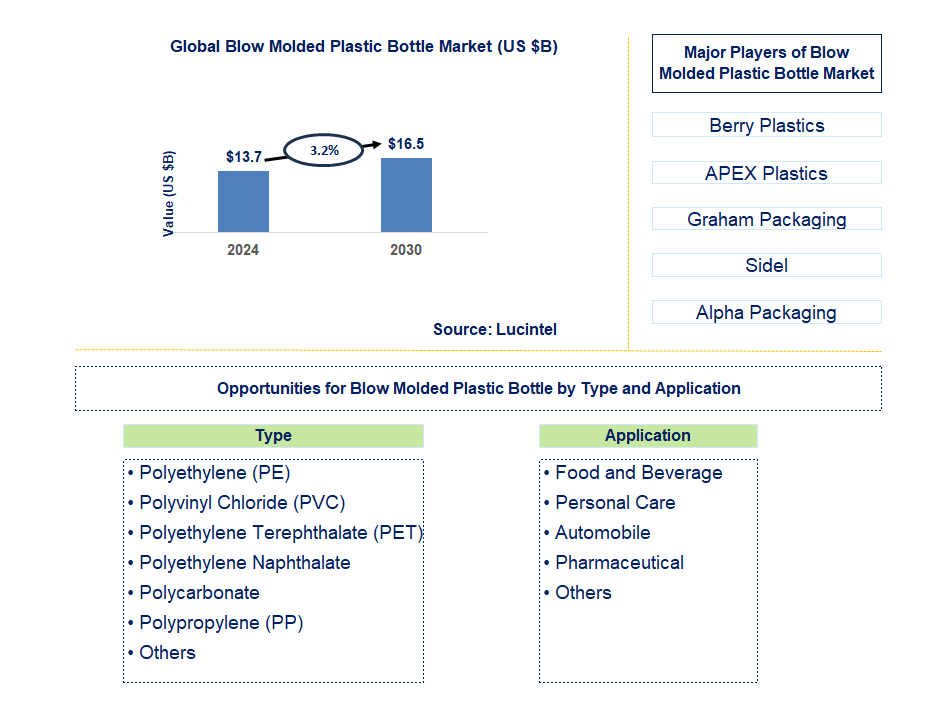
Key data points: The market size in 2030 = $16.5 billion, growth forecasts = 3.2% annually next 6 years. Scroll below to get more insights. This market report covers trends, opportunities, and forecasts in the global blow molded plastic bottle market to 2030 by type (polyethylene (PE), polyvinyl chloride (PVC), polyethylene terephthalate (PET), polyethylene naphthalate, polycarbonate, polypropylene (PP), and others), application (food and beverage, personal care, automobile, pharmaceutical, and others), and region (North America, Europe, Asia Pacific, and the Rest of the World)
We'll send your sample report shortly.
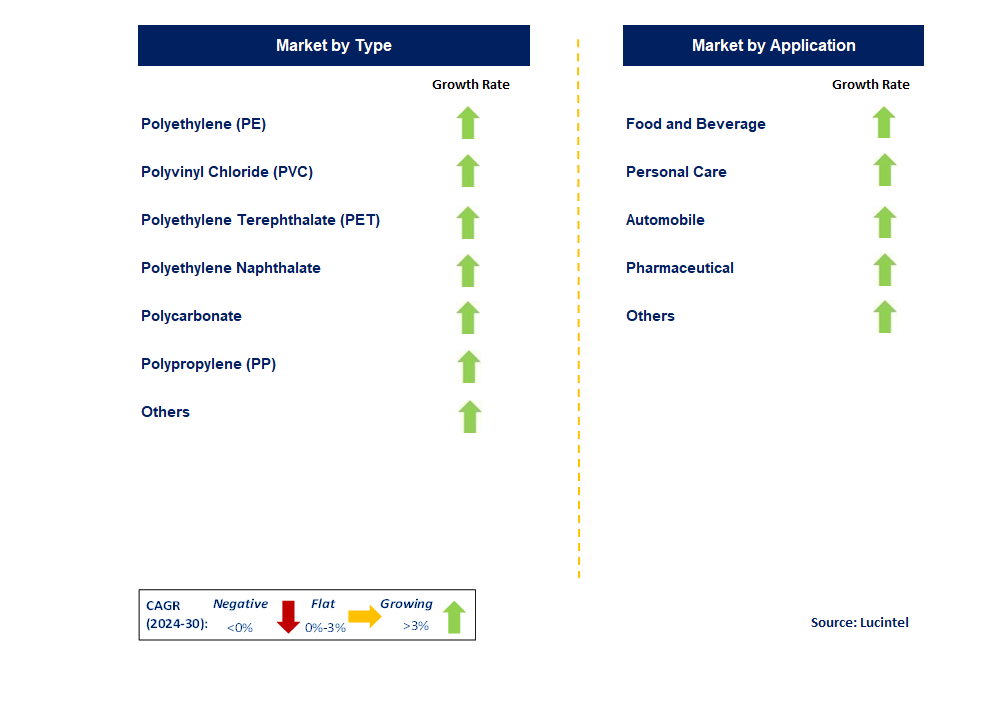
• Lucintel forecasts that, within the type category, polyethylene terephthalate is expected to witness the highest growth over the forecast period.
• Within the application category, food and beverage is expected to witness the highest growth over the forecast period.
• In terms of regions, APAC is expected to witness highest growth over the forecast period. Gain valuable insights for your business decisions with our comprehensive 150+ page report.
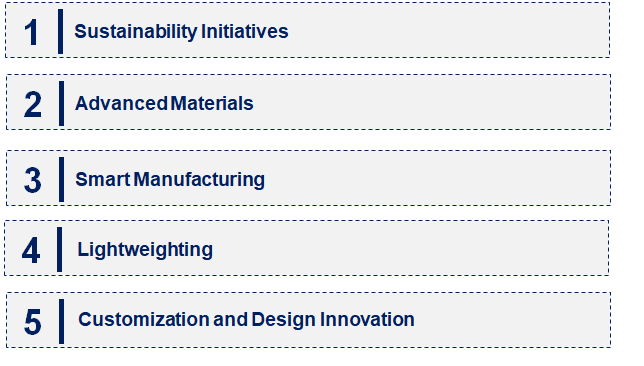
• Sustainability Initiatives: The industry is increasingly focused on sustainability, with efforts to incorporate recycled materials and develop biodegradable options. There has also been an increase in the use of recycled PET (rPET), which complements new developments aimed at enhancing the recyclability of these bottles to better meet environmental demands and regulations.
• Advanced Materials: New materials are being used to improve the performance properties and functionality of blow molded plastics. They possess enhanced strength due to their polymer blend composition and have durable coatings that act as barriers against external elements. The resultant components enable products made from these materials to last longer, thus catering to needs across various sectors.
• Smart Manufacturing: By adopting smart technologies such as IoT and automation, it is possible to revolutionize the blow molding process. Real-time data analytics, coupled with monitoring, helps drive waste reduction, while optimization makes operations efficient through reduced costs and ultimately increased quality production standards.
• Lightweighting: The trend toward lightweighting is driven by the need for reduced material utilization and lower transportation costs. Improved blow molding technology enables the production of narrower, lighter bottles without sacrificing strength or durability. This trend supports sustainability targets and enhances efficiency in the supply chain.
• Customization and Design Innovation: There is an increasing demand for custom-made and innovative bottle designs to cater to consumer preferences and branding requirements. Blow molding technology has made it possible to create unique shapes, sizes, and features that were not possible before. Customization improves product attractiveness and usability while catering to different market segments. These developments are significantly altering this business sector. Sustainability, advanced materials, and smart manufacturing lead to better product performance with minimal environmental impact. Lightweighting and design innovation expand market prospects to meet ever-changing consumer tastes.
• Sustainability Focus: In the blow molded plastic bottle industry, there is a strong focus on sustainability. The use of recycled materials, such as rPET, is increasing, and efforts are being made to develop biodegradable plastics. The objectives behind these initiatives are to lower environmental impact and align with global sustainability goals.
• Technological Advancements: Innovations in blow molding technologies are enhancing production efficiency and quality output rates. New machinery and processes facilitate increased speed during manufacturing while allowing for improved quality control. This results in decreased operating costs and enables more efficient production processes with improved product uniformity.
• Material Innovations: Advances in polymer technology are leading to the development of new materials with enhanced properties such as improved strength, durability, and barrier performance, which can help extend shelf life and improve bottle functionality.
• Design and Customization: The current trend is toward innovative bottle designs and customization. Blow molding technology has allowed for new shapes, sizes, and features to be created, catering to specific consumer tastes and branding requirements. Customizable designs enhance product appeal and differentiation.
• Cost Reduction Strategies: There is a need to reduce production costs; thus, more economical methods of manufacturing blow molded plastic bottles are being sought. These innovations lower costs while maintaining quality in production processes through changes in material usage. On the market, these strategies ensure competitive prices that customers can afford. These developments encompass sustainability, efficiency, and design capability, leading to a reshaping of the blow molded plastic bottle industry. Improved product performance is brought about by technological advancements and material innovations, which also give rise to cost-cutting measures and customization options that increase growth prospects across different markets.
• Consumer Goods: The consumer goods industry provides a wide range of growth options for blow molded plastic containers. New designs and material technologies have effectively responded to packaging needs for drinks, toiletries, and household items. In this field, customized solutions and sustainable practices are often in high demand.
• Healthcare and Pharmaceuticals: High-quality, secure packaging requirements essential to the healthcare and pharmaceutical industries offer potential for using blow molded plastic bottles (BMPBs). Material advancements and design improvements have enhanced the safety levels associated with medication and medical supplies containers.
• Food and Beverage: The food and beverage sector remains the leading growth driver for blow molded plastic bottles. Lightweighting and innovations in barrier technology enhance the preservation and transport of food and beverages. Customizable designs and sustainability campaigns are also important.
• Industrial Applications: Increasingly, blow molded plastic bottles are used in industrial applications for packaging chemicals, lubricants, and more. This calls for durable, functional packaging that can withstand harsh conditions.
• Eco-Friendly Solutions: The blow molded plastic bottle market experiences growth opportunities due to the need for eco-friendly packaging solutions. This aligns with sustainability goals by making bottles from recycled materials and biodegradable plastics that meet customers’ preferences for environmentally friendly products. Through such strategic growth opportunities, innovation is driven in the blow molded plastic bottle market. Technological advancements, design changes, and sustainability efforts will enhance product portfolios, meeting the needs of various industries and thus expanding the overall market.
• Technological Advancements: Automation systems in the blow molding technique, for instance, have led to smart manufacturing, thereby driving up market size. These improvements enhance the efficiency of production processes and the quality of products made, increasing customization ability and advancing demand for innovative packaging solutions.
• Sustainability Trends: A major push for sustainability has resulted in increased application of recycled materials and their conversion to eco-friendly packaging. Firms concerned with environmental conservation also follow regulations aimed at reducing ecological effects, especially due to plastic recycling issues.
• Consumer Demand: Market dynamics within this field are shaped by consumers who demand unique goods produced using personalized containers or eco-friendly options. The drive for distinctive designs, better functionality, and environmentally safe choices contributes to new ideas, thus enlarging the market.
• Cost Efficiency: These efficiencies stem from efforts by manufacturers to reduce production costs. Innovations in manufacturing processes and material usage help to lower expenses without compromising quality. This is necessary for competitiveness as well as addressing market needs.
• Regulatory Compliance: Every company producing these bottles must comply with safety standards set by various states. The need to fulfill these regulations affects product design, choice of materials used in manufacturing, and overall manufacturing processes, leading to a dynamic industry and corporate image establishment. Challenges in the blow molded plastic bottle market include:
• High Production Costs: The cost of advanced blow molding technology and materials can be a barrier to entry for some companies. It is difficult to reduce production costs while maintaining quality standards.
• Environmental Impact: Although there has been a move toward more sustainable materials, such as biodegradable plastics made from renewable resources, managing the environmental impact of plastic bottles remains a challenge. Issues related to recycling and waste management must be addressed to meet sustainability targets successfully.
• Regulatory Compliance: Complying with changing safety and environmental regulations can be complex, making it difficult to keep pace with their demands. Therefore, any corporation wanting to avoid legal issues and retain market access should invest in compliance procedures. The drivers and challenges in the blow molded plastic bottle market shape its growth trajectory. The blow molded plastic bottle sector thrives on technological changes, sustainable trends, and new consumer preferences. However, it also faces numerous barriers related to cost-effectiveness and regulatory alignment, leading, sooner or later, to stability planning and adaptability.
• Berry Plastics
• APEX Plastics
• Graham Packaging
• Sidel
• Alpha Packaging
• First American Plastic
• Silgan Holdings
• Sonoco
• Milacron
• Plastipak Holdings
• Polyethylene (PE)
• Polyvinyl Chloride (PVC)
• Polyethylene Terephthalate (PET)
• Polyethylene Naphthalate
• Polycarbonate
• Polypropylene (PP)
• Others
• Food and Beverage
• Personal Care
• Automobile
• Pharmaceutical
• Others
• North America
• Europe
• Asia Pacific
• The Rest of the World
• United States: The focus on sustainable manufacturing techniques and recycling makes the U.S.A. the leader in this industry today. Companies are increasing applications of recycled PET (rPET) and designing bottles that can be easily recycled. Litepalletization has reduced substance consumption while ensuring integrity. In addition, improvements in production technology will result in better efficiency during production, which may lead to cost reductions.
• China: Significant progress has been made by the Chinese bottle-blowing industry, specifically focusing on capacity enhancement with a favorable cost curve. The country has invested significantly in modern equipment for high-speed molding machines that also improve quality control standards. Moreover, many efforts have been made to develop ecologically acceptable materials and to increase the share of recycled plastics used in container production.
• Germany: In Germany, cutting-edge technologies embracing smart manufacturing practices have dominated advances related to the blow molding of sustainable plastics. These include the use of biodegradable polymers and the adoption of Industry 4.0 techniques for improved efficacy and precision. Another area where German companies excel is in enhancing functional features such as barrier performance and durability.
• India: The latest changes primarily target cost-cutting and general market expansion by making these products more affordable. Currently, there is a move toward localizing production capabilities to reduce costs associated with transport, including sourcing cheaper raw materials that still perform their intended functions effectively. Blow molding technology has advanced, allowing for the production of different designs and sizes required in the market.
• Japan: Japan has become a hub for manufacturing blow molded bottles made from high-performance materials with great designs. Among other advancements, the use of advanced polymer blends has made them stronger and lighter. Japanese manufacturers also create uniquely designed molds that incorporate improved functionality and better appearance for premium consumers or niche applications.
• Berry Plastics
• APEX Plastics
• Graham Packaging
• Sidel
• Alpha Packaging
• First American Plastic
• Silgan Holdings
• Sonoco
• Milacron
• Plastipak Holdings Q6. Which blow molded plastic bottle market segment will be the largest in future? Answer:
• Lucintel forecasts that, within the type category, polyethylene terephthalate is expected to witness the highest growth over the forecast period. Q7. In blow molded plastic bottle market, which region is expected to be the largest in next 5 years? Answer: In terms of regions, APAC is expected to witness highest growth over the forecast period. Q.8 Do we receive customization in this report? Answer: Yes, Lucintel provides 10% customization without any additional cost.


Choose a license that fits your team. Instant PDF delivery.
Prices exclude taxes. Instant delivery. Custom licensing available on request.
Market Report · July 16, 2026
Market Report · July 15, 2026
Market Report · July 15, 2026
Trusted partner for strategic intelligence and business growth


Receive a complimentary market analysis tailored to your industry. Our analysts will identify key growth opportunities and competitive dynamics specific to your business.

Market size, growth rate, and key trend analysis for your specific sector.

Top competitor positioning and market share analysis.

Strategic recommendations backed by data-driven insights.
Get curated market intelligence and competitive moves straight to your inbox.
By subscribing, you agree to receive our monthly insights. Unsubscribe anytime.
Receive a complimentary market analysis tailored to your industry. Our analysts will identify key growth opportunities and competitive dynamics specific to your business.
Market size, growth rate, and key trend analysis for your specific sector.
Top competitor positioning and market share analysis.
Strategic recommendations backed by data-driven insights.
Get curated market intelligence, emerging trends, and competitive moves straight to your inbox each month.
By subscribing, you agree to receive our monthly insights. Unsubscribe anytime.
We'll send your sample report shortly.