
Market Report · July 16, 2026

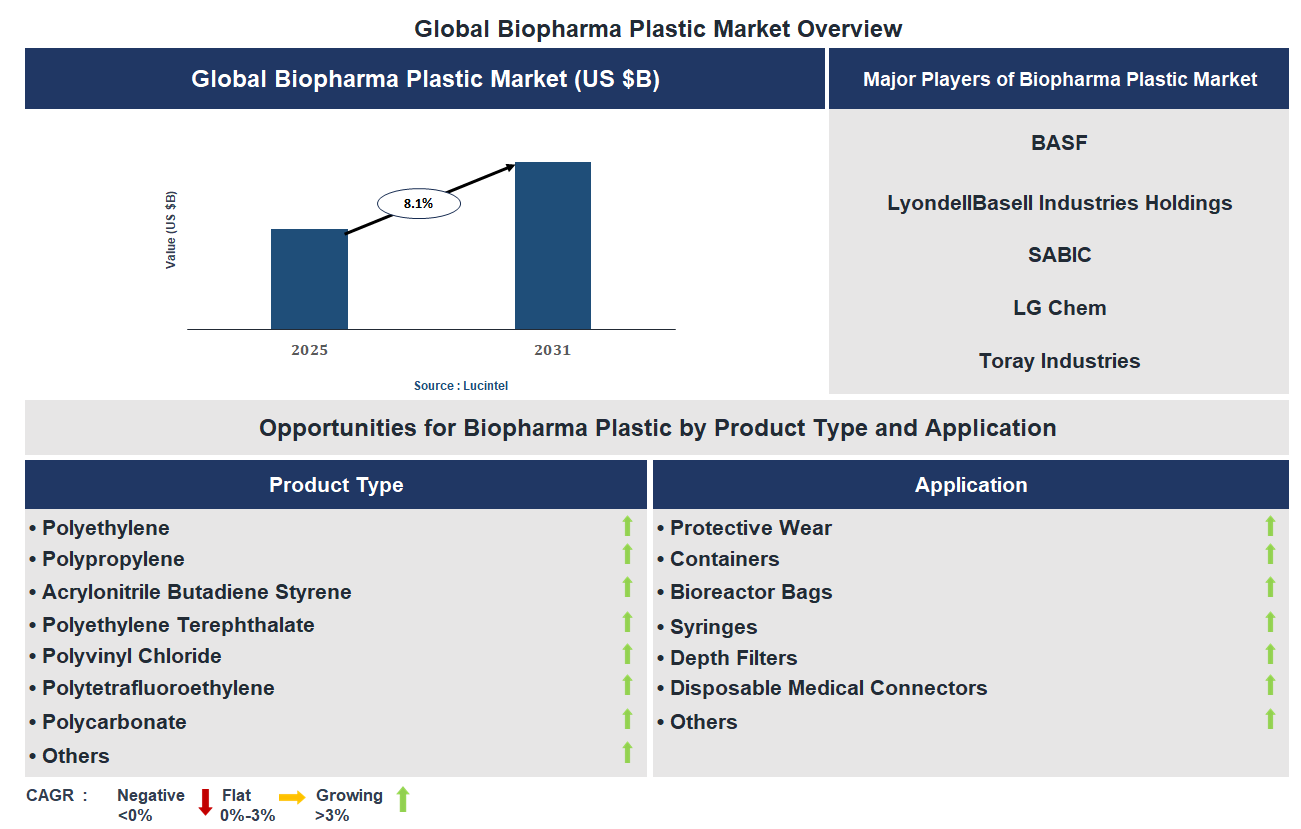
Key data points: The growth forecast = 8.1% annually for the next 7 years. Scroll below to get more insights. This market report covers trends, opportunities and forecasts in biopharma plastic market to 2031 by product type (polyethylene, polypropylene, acrylonitrile butadiene styrene, polyethylene terephthalate, polyvinyl chloride, polytetrafluoroethylene, polycarbonate, and others), application (protective wear, containers, bioreactor bags, syringes, depth filters, disposable medical connectors, and others), and region (North America, Europe, Asia Pacific, and the Rest of the World)
We'll send your sample report shortly.
• Lucintel forecasts that, within the product type category, polyvinyl chloride is expected to witness the highest growth over the forecast period.
• Within the application category, syringe is expected to witness the highest growth.
• In terms of region, North America is expected to witness the highest growth over the forecast period. Gain valuable insights for your business decisions with our comprehensive 150+ page report. Sample figures with some insights are shown below.
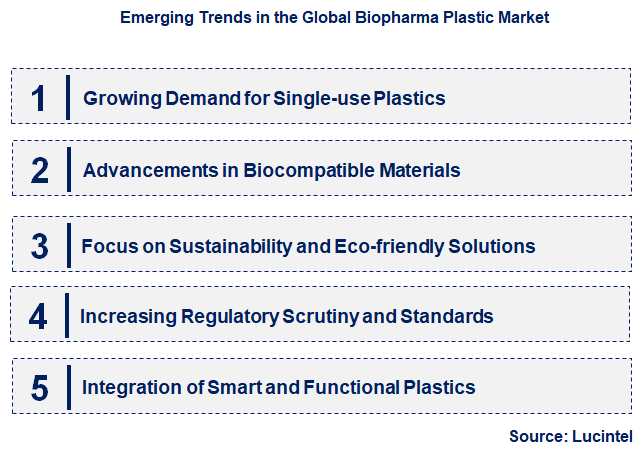
• Growing Demand for Single-use Plastics: The biopharma industry is increasingly adopting single-use plastics for manufacturing and packaging due to their cost-effectiveness, flexibility, and reduced contamination risk. These plastics enable faster production cycles and lower sterilization costs, making them ideal for personalized medicine and small-batch production. As regulatory agencies endorse single-use systems, their adoption is expected to surge, significantly impacting supply chain logistics and waste management practices within the industry.
• Advancements in Biocompatible Materials: Innovations in biocompatible plastics are enabling safer, more effective drug delivery systems. These materials are designed to withstand sterilization processes and prevent leaching or chemical interactions with pharmaceuticals. The development of such plastics enhances product stability and patient safety, leading to improved therapeutic outcomes. This trend is fostering the creation of more sophisticated drug containers, vials, and infusion systems, thereby expanding the scope of biopharma plastics in medical applications.
• Focus on Sustainability and Eco-friendly Solutions: Environmental concerns are prompting the biopharma sector to seek sustainable plastic alternatives. Companies are investing in biodegradable, recyclable, and bio-based plastics to reduce their carbon footprint and comply with stringent environmental regulations. These eco-friendly materials not only help in waste reduction but also appeal to environmentally conscious consumers and stakeholders. The shift towards sustainable plastics is reshaping manufacturing practices and supply chain strategies, emphasizing circular economy principles.
• Increasing Regulatory Scrutiny and Standards: Stringent regulations regarding material safety, sterilization, and environmental impact are shaping the development and use of biopharma plastics. Regulatory bodies are setting higher standards for biocompatibility, leachable, and extractables, compelling manufacturers to innovate and improve material formulations. Compliance with these evolving standards ensures product safety and efficacy, but also increases R&D costs and time-to-market. This trend underscores the importance of rigorous testing and quality assurance in the market.
• Integration of Smart and Functional Plastics: The emergence of smart plastics with embedded sensors and functionalities is revolutionizing biopharma applications. These materials enable real-time monitoring of drug stability, temperature, and integrity during storage and transportation. Such innovations improve supply chain transparency, reduce waste, and enhance patient safety. The integration of electronics and responsive features into plastics is opening new avenues for personalized medicine and advanced drug delivery systems, significantly impacting the market’s technological landscape. In summary, these trends are collectively transforming the biopharma plastic market by fostering innovation, sustainability, and regulatory compliance. They are enabling the industry to develop safer, more efficient, and environmentally responsible solutions, ultimately reshaping manufacturing processes, product offerings, and supply chain management. As these developments continue, the market is poised for significant growth and evolution, driven by technological progress and changing stakeholder expectations.
• Adoption of Biodegradable Plastics: Growing environmental awareness has led to increased use of biodegradable plastics in biopharma applications. These materials reduce ecological footprints and comply with stringent regulations, boosting market sustainability. Their adoption enhances brand reputation and aligns with global sustainability goals, encouraging manufacturers to invest in eco-friendly solutions.
• Innovations in Sterile Packaging Materials: Advances in sterile packaging materials, such as high-barrier plastics and antimicrobial coatings, improve product safety and shelf life. These innovations reduce contamination risks and extend the usability of biopharmaceutical products, thereby increasing consumer confidence and market demand.
• Expansion of Single-Use Technologies: The shift towards single-use plastics in bioprocessing equipment has gained momentum. These systems offer flexibility, reduce cleaning requirements, and lower contamination risks, leading to faster production cycles and cost savings for manufacturers, thus driving market growth.
• Regulatory Enhancements and Standards: Stringent regulations and quality standards for biopharmaceutical packaging materials have prompted industry players to innovate and comply. Enhanced regulatory frameworks ensure product safety, fostering trust among consumers and healthcare providers, and encouraging market entrants to develop compliant solutions.
• Integration of Smart Packaging Solutions: The incorporation of IoT-enabled and smart packaging technologies is emerging to monitor storage conditions and ensure product integrity. These innovations improve traceability, reduce wastage, and enhance supply chain efficiency, providing a competitive edge to market players. In summary, these recent developments are significantly impacting the biopharma plastic market by promoting sustainability, enhancing product safety, increasing operational efficiency, and ensuring regulatory compliance. As a result, the market is witnessing accelerated growth, increased innovation, and a shift towards more sustainable and technologically advanced packaging solutions.
• Drug Delivery Systems: Enhanced biocompatibility and sterilization resistance drive innovation in plastics used for syringes, vials, and infusion pumps, improving safety and efficacy.
• Medical Devices: The demand for durable, sterilizable plastics in devices like catheters, implants, and surgical tools is increasing, leading to improved patient outcomes and device longevity.
• Bioprocessing Equipment: The need for high-purity, chemically resistant plastics in bioreactors and filtration systems boosts efficiency and reduces contamination risks in biopharmaceutical manufacturing.
• Packaging Solutions: Development of advanced, sterile, and biodegradable plastics enhances the safety, shelf life, and environmental sustainability of biopharma products.
• Diagnostics: The integration of innovative plastics in diagnostic kits and lab equipment improves accuracy, reduces costs, and accelerates disease detection processes. These growth opportunities are significantly impacting the biopharma plastic market by fostering innovation, improving product safety, and expanding application scopes. They enable manufacturers to meet evolving regulatory standards and customer demands, ultimately driving market expansion and technological advancement. As a result, the market is poised for sustained growth, with increased adoption of specialized plastics across the healthcare sector.
• Technological Innovation: The development of advanced biocompatible plastics enhances product safety and efficacy. Innovations such as high-performance polymers and sterilization-resistant materials enable biopharmaceutical companies to produce more reliable and durable packaging solutions. These technological improvements reduce contamination risks, extend shelf life, and meet stringent regulatory standards, thereby boosting market growth. As research continues, new materials are emerging that further improve bioprocessing and storage, making this a key driver for industry expansion.
• Increasing Demand for Biopharmaceuticals: The rising prevalence of chronic diseases and the shift towards personalized medicine are significantly increasing the demand for biopharmaceutical products. This surge necessitates specialized packaging solutions that are compatible with sensitive biologics, driving the need for high-quality biopharma plastics. The growth in biologics production directly correlates with increased consumption of biocompatible plastics, fueling market expansion and innovation in material development.
• Regulatory and Quality Standards: Stringent regulatory requirements from agencies like the FDA and EMA mandate the use of safe, non-reactive, and environmentally sustainable plastics in biopharmaceutical packaging. Compliance with these standards ensures product safety and efficacy, encouraging manufacturers to adopt advanced biopharma plastics. These regulations also stimulate innovation in material formulations, fostering a competitive environment that propels market growth.
• Environmental Sustainability Initiatives: Growing environmental concerns and regulatory pressures are pushing companies to develop eco-friendly biopharma plastics. The adoption of biodegradable and recyclable materials reduces environmental impact and aligns with global sustainability goals. This shift not only enhances corporate reputation but also opens new market segments, encouraging investment in sustainable plastic solutions and driving market growth.
• Strategic Collaborations and Investments: Partnerships between biopharmaceutical companies and plastic manufacturers facilitate the development of specialized materials tailored for biopharma applications. Increased investments in R&D enable the creation of innovative, high-performance plastics that meet industry demands. These collaborations accelerate product development cycles and expand market reach, significantly contributing to the overall growth of the biopharma plastics sector. The challenges facing the biopharma plastic market include:
• High Material Costs: The production of advanced biocompatible plastics involves complex manufacturing processes and high-quality raw materials, leading to elevated costs. These expenses can hinder market penetration, especially for smaller companies or in price-sensitive regions. Managing cost efficiency while maintaining quality standards remains a significant challenge, impacting overall market profitability and growth potential.
• Regulatory Complexity and Compliance: Navigating the evolving regulatory landscape is complex and resource-intensive. Stringent approval processes and compliance requirements can delay product launches and increase costs for manufacturers. Variability in regulations across regions complicates global market expansion, posing a barrier to entry and operational efficiency for companies operating internationally.
• Environmental Concerns and Recycling Challenges: Despite the push for sustainable plastics, recycling biopharma plastics remains challenging due to their specialized nature and contamination risks. Limited recycling infrastructure and high processing costs hinder the widespread adoption of eco-friendly materials. Addressing these environmental challenges is critical for sustainable growth but requires significant technological and infrastructural investments. In summary, the biopharma plastic market is shaped by rapid technological innovations, increasing demand for biologics, strict regulatory standards, sustainability initiatives, and strategic collaborations. However, high costs, regulatory complexities, and environmental concerns pose notable challenges. These drivers and hurdles collectively influence market dynamics, requiring stakeholders to innovate and adapt to sustain growth. The market’s future will depend on balancing technological progress with regulatory compliance and environmental responsibility, ensuring long-term viability and competitiveness.
• BASF
• LyondellBasell Industries Holdings
• SABIC
• LG Chem
• Toray Industries
• Solvay
• Dow
• DuPont de Nemours
• Saint-Gobain Performance Plastics
• Tekni-Plex
• Polyethylene
• Polypropylene
• Acrylonitrile Butadiene Styrene
• Polyethylene Terephthalate
• Polyvinyl Chloride
• Polytetrafluoroethylene
• Polycarbonate
• Others
• Protective Wear
• Containers
• Bioreactor Bags
• Syringes
• Depth Filters
• Disposable Medical Connectors
• Others
• North America
• Europe
• Asia Pacific
• The Rest of the World
• United States: The US market has seen rapid innovation with increased adoption of biodegradable plastics in medical devices and drug delivery systems. Leading companies are investing heavily in R&D to develop advanced biocompatible materials. Regulatory agencies like the FDA are streamlining approval processes, encouraging market entry. The rise of personalized medicine and biopharmaceuticals has further boosted demand for specialized plastics. Additionally, sustainability initiatives are prompting manufacturers to develop eco-friendly bioplastics, aligning with environmental policies. The US remains a dominant player, driven by technological innovation and a robust healthcare infrastructure.
• China: China’s biopharma plastic market is expanding swiftly due to government support and a booming pharmaceutical sector. Investments in biotech parks and manufacturing facilities are fueling growth. The country is focusing on developing cost-effective, high-quality bioplastics to meet domestic demand and export needs. Regulatory reforms are improving approval timelines, fostering innovation. The adoption of biodegradable plastics in medical applications is increasing, aligned with environmental policies. China’s large population and rising healthcare expenditure create a substantial market opportunity, positioning it as a key emerging player in the global biopharma plastics industry.
• Germany: Germany is at the forefront of sustainable biopharma plastic development, emphasizing eco-friendly materials and circular economy principles. The country’s strong pharmaceutical and chemical industries are innovating in biodegradable and recyclable plastics for medical use. Regulatory frameworks are stringent, ensuring high safety and quality standards. Germany’s focus on research collaborations and technological advancements is driving product innovation. The integration of Industry 4.0 technologies enhances manufacturing efficiency. The country’s commitment to environmental sustainability and high-quality standards makes it a leader in developing advanced biopharma plastics for global markets.
• India: India’s biopharma plastic market is witnessing rapid growth driven by increasing healthcare needs and government initiatives promoting biotech industries. The focus is on developing affordable, high-performance bioplastics suitable for medical applications. The country is investing in R&D and infrastructure to support local manufacturing. Regulatory reforms are facilitating faster approvals and market access. The rising adoption of biodegradable plastics in hospitals and clinics aligns with environmental goals. India’s expanding pharmaceutical exports and large domestic market make it a promising hub for biopharma plastics, with a focus on cost-effective solutions and innovation.
• Japan: Japan’s market is characterized by advanced research and a strong emphasis on sustainability. The country is developing high-performance, biodegradable plastics for medical devices and pharmaceutical packaging. Japan’s stringent safety standards and regulatory environment ensure high-quality products. The integration of nanotechnology and smart materials is enhancing plastic functionalities. The government’s support for green innovation and eco-friendly manufacturing practices is fostering market growth. Japan’s focus on aging population healthcare needs is driving demand for specialized biopharma plastics. Its technological expertise and commitment to sustainability position it as a key player in the global market.


• BASF
• LyondellBasell Industries Holdings
• SABIC
• LG Chem
• Toray Industries
• Solvay
• Dow
• DuPont de Nemours
• Saint-Gobain Performance Plastics
• Tekni-Plex Q5. Which biopharma plastic market segment will be the largest in future? Answer: Lucintel forecasts that, within the product type category, polyvinyl chloride is expected to witness the highest growth over the forecast period. Q6. In biopharma plastic market, which region is expected to be the largest in next 5 years? Answer: In terms of region, North America is expected to witness the highest growth over the forecast period. Q7. Do we receive customization in this report? Answer: Yes, Lucintel provides 10% customization without any additional cost.


Choose a license that fits your team. Instant PDF delivery.
Prices exclude taxes. Instant delivery. Custom licensing available on request.
Market Report · July 16, 2026
Market Report · July 15, 2026
Market Report · July 15, 2026
Trusted partner for strategic intelligence and business growth


Receive a complimentary market analysis tailored to your industry. Our analysts will identify key growth opportunities and competitive dynamics specific to your business.

Market size, growth rate, and key trend analysis for your specific sector.

Top competitor positioning and market share analysis.

Strategic recommendations backed by data-driven insights.
Get curated market intelligence and competitive moves straight to your inbox.
By subscribing, you agree to receive our monthly insights. Unsubscribe anytime.
Receive a complimentary market analysis tailored to your industry. Our analysts will identify key growth opportunities and competitive dynamics specific to your business.
Market size, growth rate, and key trend analysis for your specific sector.
Top competitor positioning and market share analysis.
Strategic recommendations backed by data-driven insights.
Get curated market intelligence, emerging trends, and competitive moves straight to your inbox each month.
By subscribing, you agree to receive our monthly insights. Unsubscribe anytime.
We'll send your sample report shortly.