'
...

The Impact of COVID-19 is included in Barcode Plastic Card Market in Australia. Buy it today to get an advantage.

Request the impact of COVID-19 on your product or industry


Barcode Plastic Card in Australia Trends and Forecast

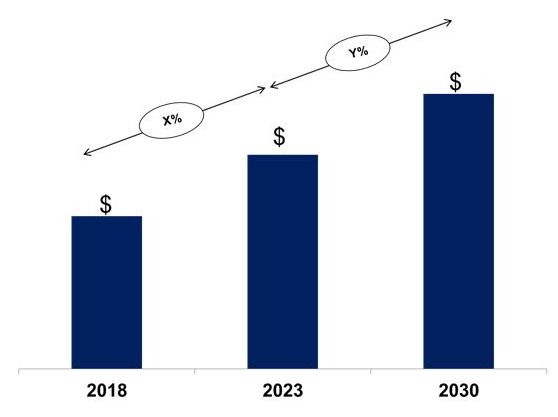
The future of the barcode plastic card market in Australia looks promising with opportunities in the PVC, PET, and ABS markets. The global barcode plastic card market is expected to reach an estimated $2.3 billion by 2031 with a CAGR of 7.0% from 2025 to 2031. The barcode plastic card market in Australia is also forecasted to witness strong growth over the forecast period. The major drivers for this market are the increasing demand for plastic cards across various industries, such as retail, banking, and healthcare, along with the growing adoption of barcode technology for tracking and tracing products and assets.

• Lucintel forecasts that, within the type category, smart cards are expected to witness the highest growth over the forecast period due to their enhanced security, versatility, and use in applications such as payment cards, access control cards, and others.
• Within the material category, PVC will remain the largest segment due to its versatility and durability, making it well-suited for a wide range of applications, including barcode plastic cards.

Barcode Plastic Card Market in Australia Trends and Forecast

Emerging Trends in the Barcode Plastic Card Market in Australia

In the barcode plastic card market in Australia, technological advancements and changing consumer needs are driving the trend. Business applications require further security, efficiency, and user-friendliness, which makes them opt for advanced technologies coupled with barcode plastic cards. Main trends include mobile integration, eco-friendly alternatives, advanced security, customization, and smart cards. The trends are changing the market, giving businesses opportunities to improve customer experience, streamline operations, and achieve environmental goals.

• Mobile Integration: Integration of mobiles and plastic cards with the barcode is increasingly becoming a hot trend in the Australian market. By connecting the cards to a smartphone using the QR code or NFC technology, businesses can make it easier and more convenient for the users. This trend accommodates quick accessibility to services; it streamlines processes such as check-ins, payment, and rewards for customers in loyalty programs. Through this trend, businesses are reaching out to enhance contactless offerings, improve client interaction, and reduce operational expenses.
• Eco-Friendly Options: Due to increased environmental awareness, there is a growing demand for eco-friendly barcode plastic cards in Australia. Companies are turning to biodegradable materials or recyclable plastics to make their cards. This helps the business to achieve the desired level of sustainability in accordance with consumer expectations and environmental concerns. The production of eco-friendly cards also gives a company a sense of corporate social responsibility that enables them to reach out to customers who have a green approach.
• Security Features: Enhanced security features in barcode plastic cards are now a pressing concern with increasing data breaches and fraud. The use of encryption, holograms, and tamper-proof designs is included in the process of securing sensitive data. Security upgrades are a priority for businesses in Australia to safeguard customer information and prevent counterfeit activities. Such security measures ensure barcode cards are safe and not only usable for financial transactions, access control, or identification.
• Customization Options: Personalization and customization are major drivers in the barcode plastic card market. Companies in Australia are offering bespoke designs, colors, and branding on cards to help businesses create unique and memorable customer experiences. This customization trend enables businesses to differentiate their offerings, foster brand loyalty, and improve customer satisfaction. It also allows companies to align their cards with their corporate identity, enhancing their visibility and appeal to target audiences.
• Smart Cards: Smart cards are emerging as a trend, which integrate barcode technology with microchips or RFID features. Such smart cards have more functionality in terms of secure payments, access control, and data storage. In Australia, interest in these cards is growing, as they provide enhanced performance, convenience, and security. Smart cards are used in various sectors, including banking, healthcare, and public transportation, to streamline services and improve user interaction.

With regards to emerging trends, the new horizons on mobile integration, eco-friendly alternatives, security upgrades, customization, and smart card development are driving the barcode plastic card market of Australia. Indeed, these aspects are part and parcel of evolving the market for more sustainable and secure customer-centered solutions. Consequently, as firms continue to pursue these innovations, barcode plastic cards will increasingly integrate into modern operating models to offer better customer experiences, enhanced security, and resolve environmental issues.

Recent Developments in the Barcode Plastic Card Market in Australia

The barcode plastic cards market in Australia has undergone crucial developments with increasing companies using innovative solutions due to changing consumersÄX%$%X demands and ever-changing technologies in the marketplace. Some of these developments include increases in mobile compatibility, eco-materials, improvements in security options, customized models, and the incorporation of smart card technology. Businesses are, thereby, streamlining their operations for better customer service and by the ideals of sustainability due to this move towards more security-conscious, easily accessible, and environmentally friendly forms of cards for customers.

• Mobile-Friendly Cards: One of the most prominent trends recently has been the widespread use of mobile-friendly barcode plastic cards. As more and more companies introduce mobile wallet apps and use QR code technologies, companies start integrating their barcode cards with the mobile platforms. This means customers can use services through smartphones seamlessly for loyalty schemes, payment methods, or event check-ins. The convenience level of the business to its customers will be enhanced along with the satisfaction levels while decreasing the requirement for physical cards.
• Eco-Friendly Card Materials: As environmental awareness is on the rise, Australian businesses are shifting towards eco-friendly materials for barcode plastic cards. Companies are looking into biodegradable plastics, recycled materials, and eco-friendly production methods to create sustainable alternatives. This reduces the carbon footprint of card production and also caters to the demand of consumers for environmentally responsible products. Eco-friendly barcode cards give businesses a competitive edge in sustainability.
• Enhanced Security Features: With an increased number of threats, the barcode plastic card market in Australia experiences enhanced demand for cards with better security features. Such features include encryption, holograms, and anti-counterfeit technologies that protect sensitive data from theft or fraud. To protect customer information, reduce identity theft, and comply with privacy regulations, businesses will invest in more secure barcode cards. Enhanced security measures are becoming a critical differentiator in the competitive card market.
• Customization and Branding: This is also getting bigger on barcoded plastic cards due to personal design and branding customization options, the business offering bespoke designs, so companies utilize this as marketing power through addition of logos, colours, unique pieces of art or other details toward a distinct brand definition. Such kinds of customizing help differentiate your business within competitors, creates and sustains consumer loyalty and positively enhances customer usage experience. Moreover, increasing requirements for personalisation make custom-barcode cards the utmost value-proposition for the firms.
• Smart Cards: Smart cards that integrate barcode technology with RFID chips or microchips are increasingly being used in Australia. Smart cards are more functional than traditional barcode plastic cards, enabling secure transactions, access control, and digital data storage. The adoption of smart cards is becoming increasingly common in the banking, healthcare, and public transportation sectors, as these sectors seek to make processes easier and customer interactions more efficient. This trend reflects the market transition toward more sophisticated, multifunctional card solutions.

Recent developments in the barcode plastic card market in Australia, including mobile compatibility, eco-friendly materials, enhanced security, customization, and the adoption of smart cards, are driving the market toward more advanced, sustainable, and customer-centric solutions. These developments are empowering businesses to provide innovative services, improve customer experience, and meet regulatory and environmental standards, marking a significant shift in the market landscape.

Strategic Growth Opportunities for Barcode Plastic Card Market in Australia

The Australian barcode plastic card market is growing at a high rate, which is mainly attributed to its diverse applications across various industries. Key growth opportunities in the barcode card market are mobile payment integration with barcode cards, eco-friendly card materials, security, customization for branding purposes, and smart card technology. These factors have helped companies to provide services that are efficient, secure, and personalized, and they have also helped companies to be environmentally friendly.

• Integration with Mobile Payment Systems: One of the key growth opportunities in the Australian barcode plastic card market will be integrating the barcode cards with mobile payment systems. As people are using mobile phones and wallets more and more, the firms can offer their customers all the convenience in managing loyalty schemes, making payments, and services through mobile. This integration would reduce the use of cards and increase user involvement while also bringing operational efficiency through better customer transactional activities.
• Sustainability with Eco-Friendly Materials: The shift toward eco-friendly card materials represents a significant growth opportunity. As consumers become more environmentally conscious, businesses that adopt biodegradable or recyclable plastics for their barcode cards can enhance their sustainability credentials. This eco-friendly approach helps reduce waste, lowers carbon footprints, and attracts environmentally conscious customers, giving businesses a competitive edge in the marketplace.
• Advanced Security Features: The other growth opportunity is in the advanced security features of barcode plastic cards. Businesses can offer more secure payment and identification solutions by incorporating encryption, biometrics, and anti-fraud technology. As security concerns grow, customers increasingly demand secure solutions for transactions and personal information, creating a strong market demand for barcode cards with advanced security features.
• Marketing and Branding: Customization of barcoded plastic cards is a critical growth opportunity for businesses seeking to enhance brand identity. Personalized designs can create unique loyalty cards, membership cards, and other promotional materials, which will further customer loyalty and increase brand awareness. Customization can also act as a significant marketing tool as it helps build stronger relationships between the business and its target market.
• Smart card technology: Companies can capitalize on the growing possibility of integrating this technology into a barcode plastic card. Smart cards with microchip or RFID ability provide greater flexibility and functionality including secure transactions and access control applications as well as data storage capacities. The technology is increasingly been used in some sectors such as banking, public transportation, healthcare, and their services.

The strategic growth opportunities in the Australian barcode plastic card market are realized through mobile payment integration, eco-friendly materials, security enhancements, customization, and adoption of smart cards. These are important factors that allow Australian businesses to enhance operational efficiency while adhering to consumer expectations for both sustainability and security in a competitive marketplace. In line with these drivers, major challenges exist in the barcode plastic card market in Australia.

Barcode Plastic Card Market in Australia Driver and Challenges

The Australian barcode plastic card market is driven by several drivers and challenges. These range from technological innovations to environmental and regulatory factors. It is driven by the increasing demand for secure, convenient, and personalized card solutions, along with the growing need for sustainability. However, high production costs, cybersecurity concerns, and regulatory compliance are limiting growth opportunities. Businesses must navigate these factors to capitalize on the market potential and sustain growth in an evolving landscape.

The factors responsible for driving the barcode plastic card market in Australia include:
• The advancements in technology: Mobile integration, RFID, smart card capabilities and more are factors driving the bar code plastic cards market. Through new technologies integrated into the service, businesses allow their customers greater efficiency, higher security, and convenience in these card solutions. As mobile wallet and contactless payments become common, businesses introduce barcode cards aligned with digital platform services to develop customer engagement with the service offers.
• Consumer Demand for Personalization: Consumer demand for personalized experiences is driving the growth of customized barcode plastic cards. Personalization in design, branding, and functionality helps businesses differentiate themselves in the market, foster customer loyalty, and increase brand visibility. As businesses recognize the value of personalization, offering tailored barcode cards has become a crucial strategy to meet consumer expectations and strengthen customer relationships.
• Environmental Awareness and Sustainability: Increasing environmental awareness is forcing companies to use eco-friendly materials in the manufacture of barcode plastic cards. Consumers are becoming more environmentally conscious and prefer companies that focus on sustainability. By switching to biodegradable, recyclable, or sustainably sourced materials, companies can reduce their carbon footprint, meet environmental regulations, and attract eco-conscious consumers, which is driving the market for eco-friendly barcode cards.

Challenges in the barcode plastic card market in Australia are:
• Production Costs are Expensive: This is one reason why producing top-quality barcode plastic cards may become expensive. Using advanced features, such as smart technology, customized cards, or eco-friendly material, adds significant costs to their production. Small and medium enterprises face huge obstacles, especially if their products become a cost challenge in the business industry. The competitive advantage will determine how the barcode cards will produce without high cost while ensuring functionality and quality of the card.
• Regulatory Compliance and Security: There is growing pressure on the barcode plastic card market to be secure and comply with data protection regulations, such as GDPR and PCI DSS. As more instances of data breaches and identity theft occur, it is becoming crucial for businesses to invest in secure barcode card technologies and follow stringent regulatory guidelines. Non-compliance may lead to fines, loss of reputation, and customer distrust, making security and compliance a must for businesses.

The drivers of the barcode plastic card market in Australia include technological advancement, consumer demand for personalization, and environmental issues. However, the challenges in this market involve high production costs, cybersecurity threats, and non-compliance with regulations. Meeting these challenges by capitalizing on growth opportunities is the way through which businesses are going to find success in the competitive and rapidly changing market.

List of Barcode Plastic Card Market in Australia Companies

Companies in the market compete on the basis of product quality offered. Major players in this market focus on expanding their manufacturing facilities, R&D investments, infrastructural development, and leverage integration opportunities across the value chain. Through these strategies, barcode plastic card companies cater to increasing demand, ensure competitive effectiveness, develop innovative products & technologies, reduce production costs, and expand their customer base. Some of the barcode plastic card companies profiled in this report include:
• Company 1
• Company 2
• Company 3
• Company 4
• Company 5


Barcode Plastic Card Market in Australia by Segment

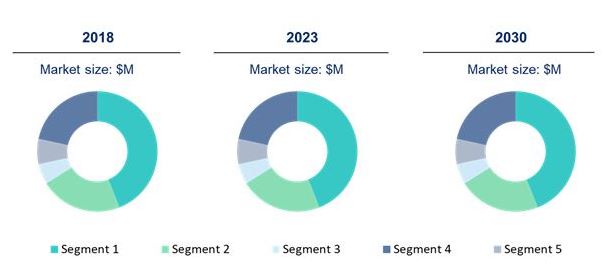
The study includes a forecast for the barcode plastic card market in Australia by type, material, and application.

Barcode Plastic Card Market in Australia by Type [Analysis by Value from 2019 to 2031]:


• Magnetic Stripe Card
• Smart Card
• Memory Card

Barcode Plastic Card Market in Australia by Material [Analysis by Value from 2019 to 2031]:


• PVC
• PET
• ABS

Barcode Plastic Card Market in Australia by Application [Analysis by Value from 2019 to 2031]:


• Retail
• Transportation
• Banking & Financial Services
• Government

Lucintel Analytics Dashboard

Features of the Barcode Plastic Card Market in Australia

Market Size Estimates: Barcode plastic card in Australia market size estimation in terms of value ($B).
Trend and Forecast Analysis: Market trends and forecasts by various segments.
Segmentation Analysis: Barcode plastic card in Australia market size by type, material, and application in terms of value ($B).
Growth Opportunities: Analysis of growth opportunities in different type, material, and application for the barcode plastic card in Australia.
Strategic Analysis: This includes M&A, new product development, and competitive landscape of the barcode plastic card in Australia.
Analysis of competitive intensity of the industry based on Porter’s Five Forces model.

If you are looking to expand your business in this or adjacent markets, then contact us. We have done hundreds of strategic consulting projects in market entry, opportunity screening, due diligence, supply chain analysis, M & A, and more.
Lucintel Consulting Services

FAQ

Q.1 What are the major drivers influencing the growth of the barcode plastic card market in Australia?
Answer: The major drivers for this market are increasing demand for plastic cards in various industries, such as retail, banking, and healthcare and growing adoption of barcode technology for tracking and tracing products and assets.
Q2. What are the major segments for barcode plastic card market in Australia?
Answer: The future of the barcode plastic card market in Australia looks promising with opportunities in the PVC, PET, ABS markets.
Q3. Which barcode plastic card market segment in Australia will be the largest in future?
Answer: Lucintel forecasts that smart card is expected to witness highest growth over the forecast period due to more secure and versatile and used as payment cards, access control cards, and others.
Q4. Do we receive customization in this report?
Answer: Yes, Lucintel provides 10% customization without any additional cost.

This report answers following 10 key questions:

Q.1. What are some of the most promising, high-growth opportunities for the barcode plastic card market in Australia by type (magnetic stripe card, smart card, and memory card), material (PVC, PET, and ABS), and application (retail, transportation, banking & financial services, and government)?
Q.2. Which segments will grow at a faster pace and why?
Q.3. What are the key factors affecting market dynamics? What are the key challenges and business risks in this market?
Q.4. What are the business risks and competitive threats in this market?
Q.5. What are the emerging trends in this market and the reasons behind them?
Q.6. What are some of the changing demands of customers in the market?
Q.7. What are the new developments in the market? Which companies are leading these developments?
Q.8. Who are the major players in this market? What strategic initiatives are key players pursuing for business growth?
Q.9. What are some of the competing products in this market and how big of a threat do they pose for loss of market share by material or product substitution?
Q.10. What M&A activity has occurred in the last 5 years and what has its impact been on the industry?
For any questions related to Barcode Plastic Card Market in Australia, Barcode Plastic Card Market in Australia Size, Barcode Plastic Card Market in Australia Growth, Barcode Plastic Card Market in Australia Analysis, Barcode Plastic Card Market in Australia Report, Barcode Plastic Card Market in Australia Share, Barcode Plastic Card Market in Australia Trends, Barcode Plastic Card Market in Australia Forecast, Barcode Plastic Card Companies, write Lucintel analyst at email: helpdesk@lucintel.com. We will be glad to get back to you soon.

                                                            Table of Contents

            1. Executive Summary

            2. Barcode Plastic Card Market in Australia: Market Dynamics
                        2.1: Introduction, Background, and Classifications
                        2.2: Supply Chain
                        2.3: Industry Drivers and Challenges

            3. Market Trends and Forecast Analysis from 2019 to 2031
                        3.1. Macroeconomic Trends (2019-2024) and Forecast (2025-2031)
                        3.2. Barcode Plastic Card Market in Australia Trends (2019-2024) and Forecast (2025-2031)
                        3.3: Barcode Plastic Card Market in Australia by Type
                                    3.3.1: Magnetic Stripe Card
                                    3.3.2: Smart Card
                                    3.3.3: Memory Card
                        3.4: Barcode Plastic Card Market in Australia by Material
                                    3.4.1: PVC
                                    3.4.2: PET
                                    3.4.3: ABS
                        3.5: Barcode Plastic Card Market in Australia by Application
                                    3.5.1: Retail
                                    3.5.2: Transportation
                                    3.5.3: Banking & Financial Services
                                    3.5.4: Government

            4. Competitor Analysis
                        4.1: Product Portfolio Analysis
                        4.2: Operational Integration
                        4.3: Porter’s Five Forces Analysis

            5. Growth Opportunities and Strategic Analysis
                        5.1: Growth Opportunity Analysis
                                    5.1.1: Growth Opportunities for the Barcode Plastic Card Market in Australia by Type
                                    5.1.2: Growth Opportunities for the Barcode Plastic Card Market in Australia by Material
                                    5.1.3: Growth Opportunities for the Barcode Plastic Card Market in Australia by Application
                        5.2: Emerging Trends in the Barcode Plastic Card Market
                        5.3: Strategic Analysis
                                    5.3.1: New Product Development
                                    5.3.2: Capacity Expansion of the Barcode Plastic Card Market in Australia
                                    5.3.3: Mergers, Acquisitions, and Joint Ventures in the Barcode Plastic Card Market in Australia
                                    5.3.4: Certification and Licensing

            6. Company Profiles of Leading Players
                        6.1: Company 1
                        6.2: Company 2
                        6.3: Company 3
                        6.4: Company 4
                        6.5: Company 5
.

Buy full report or by chapter as follows

Price by License Type:
[-] Hide Chapter Details
[Chapter Number] [Chapter Name] [Chapter Number Of Pages] [Chapter Price]
Title/Chapter Name Pages Price
Full Report: Barcode Plastic Card Market in Australia Full Report $ 4,850
150 - page report
Lucintel has been in the business of market research and management consulting since 2000 and has published over 1000 market intelligence reports in various markets / applications and served over 1,000 clients worldwide. This study is a culmination of four months of full-time effort performed by Lucintel's analyst team. The analysts used the following sources for the creation and completion of this valuable report:
  • In-depth interviews of the major players in this market
  • Detailed secondary research from competitors’ financial statements and published data 
  • Extensive searches of published works, market, and database information pertaining to industry news, company press releases, and customer intentions
  • A compilation of the experiences, judgments, and insights of Lucintel’s professionals, who have analyzed and tracked this market over the years.
Extensive research and interviews are conducted across the supply chain of this market to estimate market share, market size, trends, drivers, challenges, and forecasts. Below is a brief summary of the primary interviews that were conducted by job function for this report.
 
Thus, Lucintel compiles vast amounts of data from numerous sources, validates the integrity of that data, and performs a comprehensive analysis. Lucintel then organizes the data, its findings, and insights into a concise report designed to support the strategic decision-making process. The figure below is a graphical representation of Lucintel’s research process. 
 

Please sign in below to get report brochure - Barcode Plastic Card Market in Australia .

At Lucintel, we respect your privacy and maintain the confidentiality of information / data provided by you
(Please enter your corporate email. * These fields are mandatory )

Follow us on