
Market Report · July 31, 2026

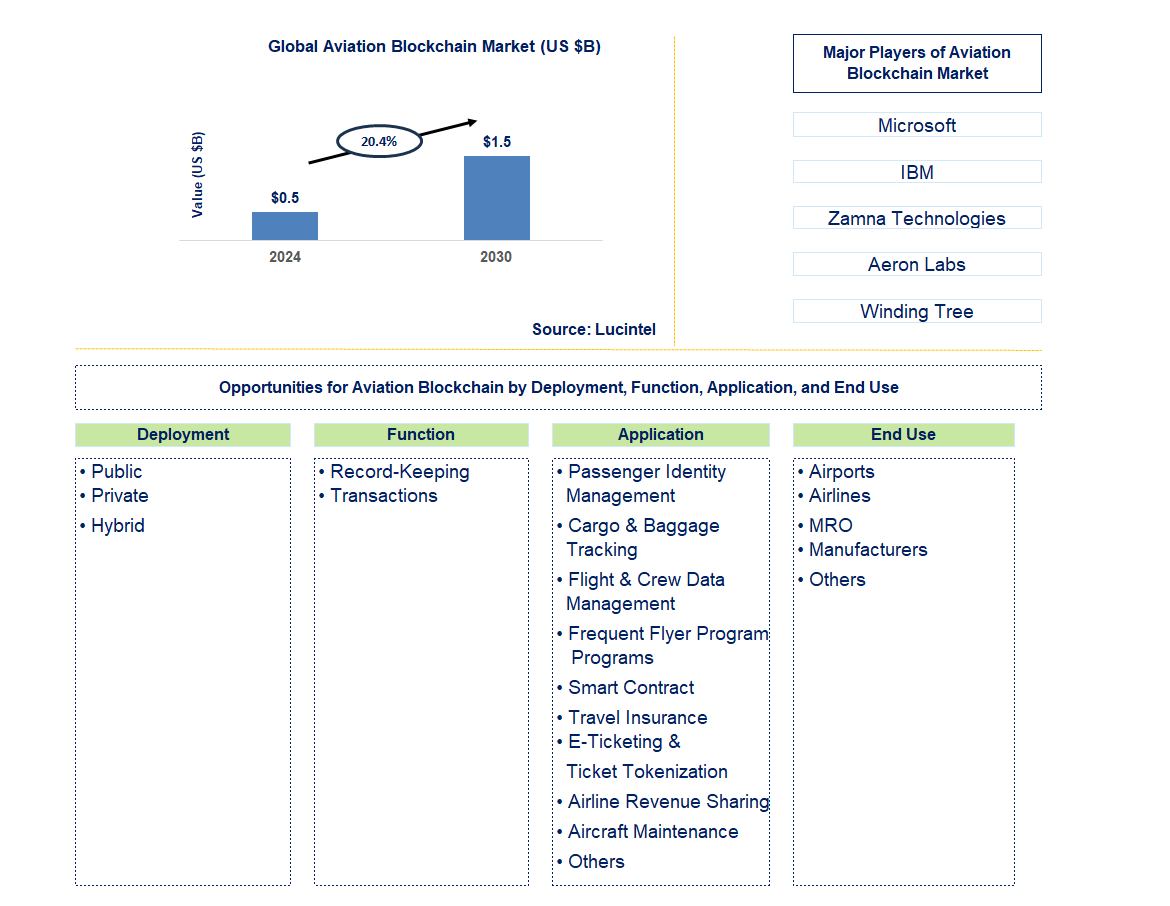
Key data points: The market size in 2030 = $1.5 billion, growth forecast = 20.4% annually for the next 6 years. Scroll below to get more insights. This market report covers trends, opportunities, and forecasts in the global aviation blockchain market to 2030 by deployment (public, private, and hybrid), function (record-keeping and transactions), application (passenger identity management, cargo & baggage tracking, flight & crew data management, frequent flyer programs, smart contract, travel insurance, e-ticketing & ticket tokenization, airline revenue sharing, aircraft maintenance, and others), end use (airports, airlines, MRO, manufacturers, lessors, and others), and region (North America, Europe, Asia Pacific, and the Rest of the World)
We'll send your sample report shortly.
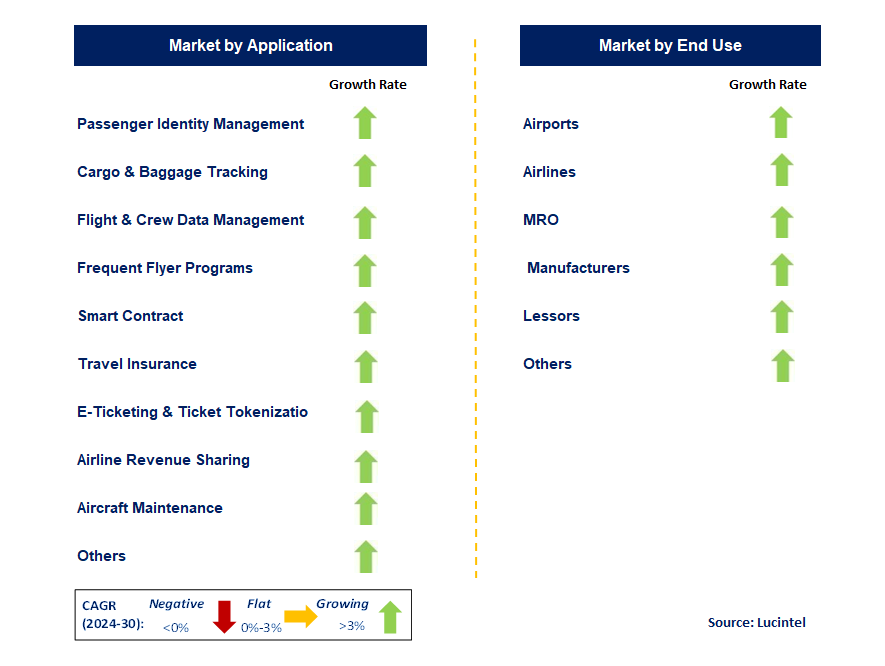
• Lucintel forecasts that, within the end use category, airlines will remain the largest segment over the forecast period.
• Within the application category, aircraft maintenance will remain the largest segment.
• In terms of regions, North America is expected to witness the highest growth over the forecast period due to rapid adoption of technology and presence of major players in the region. Gain valuable insights for your business decisions with our comprehensive 150+ page report. The aviation blockchain market is rapidly evolving as various countries explore its potential to enhance efficiency, security, and transparency within the aviation industry. Blockchain technology, known for its immutable ledger and decentralized nature, offers promising applications in areas such as supply chain management, flight data tracking, and passenger processing. Recent developments in the United States, China, Germany, India, and Japan reflect growing interest and investment in blockchain solutions to address challenges and improve operations across the aviation sector. Understanding these regional advancements provides insight into how different markets are leveraging blockchain technology.
• United States: In the United States, blockchain technology is increasingly being adopted to enhance security and efficiency in aviation operations. Recent developments include partnerships between major airlines and technology firms to pilot blockchain solutions for managing aircraft maintenance records and streamlining supply chains. The U.S. Federal Aviation Administration (FAA) is also exploring blockchain’s potential for improving air traffic management and reducing fraud. The integration of blockchain in these areas is expected to enhance data integrity, reduce operational costs, and improve overall safety and transparency within the aviation industry.
• China: China is making significant strides in the aviation blockchain sector, focusing on improving the efficiency of its rapidly expanding air transport network. Recent advancements include the development of blockchain-based systems for tracking aircraft parts and ensuring compliance with safety regulations. Chinese companies are also investing in blockchain to enhance the passenger experience, such as streamlining check-in processes and managing loyalty programs. The Chinese government is supportive of blockchain innovation and is working to integrate these technologies into the national aviation infrastructure, aiming to boost operational efficiency and safety.
• Germany: Germany is at the forefront of integrating blockchain technology into its aviation sector, with a focus on enhancing transparency and reducing bureaucracy. Recent developments include the implementation of blockchain solutions for managing flight data and securing maintenance records. German airlines and aviation authorities are also exploring blockchain to improve cross-border collaboration and compliance with European Union regulations. By leveraging blockchain, Germany aims to increase operational efficiency, reduce administrative overhead, and bolster the security and reliability of its aviation operations.
• India: In India, blockchain technology is gaining traction as a means to modernize and streamline aviation operations. Recent initiatives include pilot projects focused on using blockchain for tracking cargo and improving supply chain transparency. Indian airlines are exploring blockchain solutions to enhance passenger services, including efficient ticketing and baggage handling. These developments are expected to contribute to a more efficient, secure, and transparent aviation industry in India.
• Japan: Japan is actively exploring blockchain technology to address various challenges in its aviation sector. Recent advancements include the adoption of blockchain for managing aircraft maintenance records and enhancing safety protocols. Japanese airlines and technology providers are also working on blockchain-based solutions for improving passenger experience and operational efficiency. The Japanese government is supportive of technological innovation and is investing in research and development to integrate blockchain into aviation infrastructure. These efforts aim to enhance reliability, reduce operational costs, and support the growth of Japan's aviation industry. A more than 150-page report is developed to help in your business decisions.
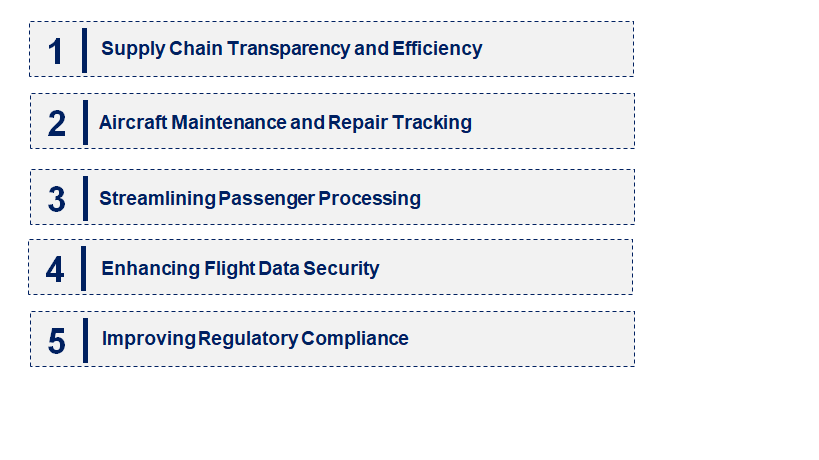
• Supply Chain Transparency and Efficiency: Blockchain is being incorporated into the aviation supply chain for increased transparency and efficiency. Records of airplane parts and maintenance, along with details of where and when they were used or performed, will be created by blockchain, with all stakeholders having real-time access to accurate data. This trend prevents counterfeit parts from entering the supply chain, reduces fraud, and facilitates the purchasing process, making it more reliable and efficient. It also supports better safety across the board and ensures compliance throughout the aviation industry.
• Aircraft Maintenance and Repair Tracking: Aircraft maintenance and repair management are increasingly relying on blockchain systems. An overarching decentralized ledger tracks maintenance activities, history, and improvements made through repairs or component replacements in relation to aircraft. Tamper-resistant records, protected by fully transparent technology, guarantee accountability among authorized users of these documents, enhancing transparency in their use. This leads to better adherence to safety regulations, lower maintenance costs, and easier audits, ultimately improving the reliability and safety of planes.
• Streamlining Passenger Processing: Blockchain applications focused on streamlining passenger processing are gaining traction. Blockchain-backed solutions have been developed for faster check-in processes, including the boarding of planes with luggage. By utilizing decentralized identity control with secure data exchange among networks, these solutions reduce paperwork and speed up passenger movement. Ultimately, traveler wait times will be reduced, allowing passengers to move more efficiently and safely. Additionally, blockchain provides a more seamless approach to information management using passenger data, enhancing overall airport management.
• Enhancing Flight Data Security: There is a growing need to use blockchain technology to enhance the security of flight data. Being decentralized and encrypted, the technology ensures that sensitive flight information, such as flight plans, navigation details, and real-time tracking, are protected from any breaches. Blockchain aims to resolve these concerns, ensuring that data integrity is maintained and preventing tampering, which is crucial for the safety of its owners. Thus, blockchain guarantees better decision-making, fortified operational safety, and trust development within the aviation sphere.
• Improving Regulatory Compliance: The use of blockchain technology to enhance regulatory compliance has become a subject of interest among players in the aviation industry. Blockchain provides transparent, immutable records on compliance activities, such as inspections and certifications, reducing the regulatory burden on airlines and regulators. This facilitates audits and improves overall compliance management. The result is improved safety standards, as better adherence to regulations by all parties involved will be ensured. Finally, it must be noted that a higher level of security leads to a more reliable air traffic system that does not violate legal provisions and can guarantee passenger safety. Several emerging trends in the aviation blockchain market have been observed, including improved supply chain transparency, aircraft maintenance tracking, streamlined passenger processing, better flight data security, and enhanced regulatory compliance. These trends exemplify the role of blockchain in addressing important problems faced by aviation, such as inefficiencies, vulnerability to security threats, and regulatory issues. These technologies are expected to create room for more innovation, streamline operations, and enhance safety within the aviation sector as they move from the nascent stage into mainstream adoption.
• Aircraft Maintenance and Repair Records: The use of blockchain technology for managing aircraft maintenance and repair records has increased. Through the implementation of a decentralized ledger system, all maintenance activities, including component replacements, are recorded, making it impossible to alter these records. This method enhances transparency and accountability, making it easier to trace the history of aircraft components while ensuring safety regulations are properly maintained. It significantly reduces fraud risks while improving record accuracy, thereby streamlining audit processes and leading to improved plane reliability and safety.
• Supply Chain Management and Counterfeit Prevention: In response to concerns about counterfeit aircraft parts, blockchain is being deployed to enhance supply chain management. By creating a transparent and secure ledger of all transactions and parts, blockchain helps verify the authenticity and traceability of components. This development is crucial for preventing counterfeit parts from entering the aviation supply chain, thereby reducing safety risks and operational disruptions. Improved supply chain transparency also leads to more efficient procurement processes and better overall supply chain management.
• Streamlined Passenger Processing: Blockchain technology is revolutionizing passenger processing by enabling more efficient check-ins, boarding, and baggage handling. Blockchain-based systems facilitate secure, decentralized storage of passenger information, reducing the need for paper documentation and minimizing delays. This development enhances the passenger experience by speeding up processes, increasing security, and reducing the chances of errors. It also streamlines airport operations, contributing to more efficient management of passenger flow and overall airport efficiency.
• Real-Time Flight Data Security: Ensuring the security of flight data is a growing concern, and blockchain is emerging as a solution for safeguarding this information. Blockchain’s decentralized and encrypted nature provides a robust platform for securing real-time flight data, such as navigation information and flight plans. This development addresses vulnerabilities related to data breaches and cyber threats, ensuring that flight data remains accurate and protected. Enhanced data security supports better decision-making and operational safety, benefiting airlines, passengers, and regulatory bodies.
• Regulatory Compliance and Audit Trails: Blockchain is being explored to improve regulatory compliance and create reliable audit trails. By providing an immutable record of compliance-related activities, such as certifications and inspections, blockchain simplifies the process of demonstrating adherence to regulatory requirements. This development reduces administrative burdens, facilitates easier audits, and enhances overall compliance management. It ensures that aviation operations meet safety and legal standards more effectively, contributing to a more secure and reliable industry. Recent developments in the aviation blockchain market, including advancements in maintenance tracking, supply chain management, passenger processing, flight data security, and regulatory compliance, highlight the transformative potential of blockchain technology. These developments are addressing key challenges within the aviation industry, such as inefficiencies, security vulnerabilities, and compliance issues. As blockchain continues to be integrated into various aviation processes, it is driving innovation, improving operational efficiency, and enhancing overall industry practices, leading to a more secure and streamlined aviation sector.
• Enhancing Aircraft Maintenance and Repair Management: Blockchain technology presents a significant opportunity for managing aircraft maintenance and repair records. An immutable decentralized ledger records all activities related to repairs and component history. This transparency improves tracking accuracy, leading to compliance with safety standards and reducing the risk of fraud and errors. It is worth noting that this has a significant impact on aircraft reliability by streamlining audits, maintaining lower maintenance costs, and driving overall operational efficiency in the aviation industry.
• Improving Supply Chain Transparency and Counterfeit Prevention: Leveraging blockchain for supply chain management is a key growth area, particularly in preventing counterfeit aircraft parts. Blockchain enables secure tracking of parts from manufacturing to installation, ensuring their authenticity and compliance with safety standards. This development reduces the risk of counterfeit components entering the supply chain, enhances safety, and improves procurement processes. As a result, it strengthens the integrity of the aviation supply chain and reduces operational disruptions.
• Streamlining Passenger Processing and Experience: Blockchain makes significant contributions toward the efficient handling of check-in procedures, including secure check-ins through smart baggage systems and boarding using mobile phones. The use of decentralized, encrypted data storage in blockchain aims to reduce paper usage in service delivery and expedite certain processing times. It provides a seamless air travel experience by reducing delays and enhancing security. In addition, it optimizes airport operations for more effective passenger management, thereby improving overall efficiency.
• Securing Real-Time Flight Data and Operations: Blockchain applications for securing real-time flight data are a key area of growth. Being decentralized and encrypted, the blockchain ledger ensures adequate security against cyber threats and hacking attempts targeting flight information systems. This technology ensures the accuracy and safety of sensitive flight data, such as navigation information and flight plans, keeping them reliable and secure at all times. Blockchain improves data protection, making decision-making processes more reliable and resulting in enhanced operational safety. It also fosters trust within the aviation community, leading to more dependable flights.
• Simplifying Regulatory Compliance and Audits: There are strategic benefits to adopting blockchain technology when seeking to simplify adherence to regulations and providing an efficient platform for audits. By creating an immutable record of every compliance-related activity, such as certifications and inspections, it becomes easier for organizations to demonstrate how they have adhered to various rules. This helps avoid legal issues arising from non-compliance or overlooked mistakes by regulators. The aviation blockchain market is significantly impacted by strategic growth opportunities that aim to resolve key challenges and innovate in various areas. These developments in aircraft maintenance management, supply chain transparency, passenger processing, flight data security, and regulatory compliance are changing how aviation operations are conducted. They improve efficiency and safety while making the aviation sector more reliable. As blockchain technology continues to develop across these applications, its integration will be instrumental in defining a brighter future for aviation as a whole.
• Technological Advancements in Blockchain: The rapid growth of technology is one of the reasons behind the increased adoption of blockchain in the aviation industry. Improved scalability, better security features, and interoperability, among others, have made blockchain solutions more viable and appealing. This advanced technology enables complex data to be processed efficiently, streamlining operations while enhancing security measures further. Market growth and innovation are driven by blockchain’s advancements, as it becomes more cost-effective, enabling its integration into aviation operations.
• Enhanced Security and Fraud Prevention: Blockchain’s decentralized, immutable ledger, which can prevent data tampering, is a crucial reason for adopting it in the aviation industry. Such technology ensures that sensitive information, such as maintenance records or flight data, remains unaltered, thereby providing protection against counterfeit parts and other forms of fraud that could compromise safety standards within the aviation sector. As concerns about personal data leaks increase, this technology offers an ideal solution.
• Operational Efficiency and Cost Reductions: Regulatory demands within the aviation industry have necessitated the adoption of blockchain. Blockchain can help organizations meet stringent regulations by providing transparent and immutable records that are required for compliance purposes. Additionally, this technology enhances transparency, ensures the accuracy of record-keeping during audits, and facilitates the auditing process.
• Growing Interest in Digital Transformation: The rapid adoption of blockchain technology is driven by digitalization across the aviation industry. Airlines and airports are transitioning to digital solutions to modernize their operations and enhance customer experience through digital means. Other benefits associated with blockchain in these systems include enhanced data integrity, streamlined processes, and improved customer service due to its ability to provide accurate information about transactions between customers who are miles apart. The airline sector realizes the importance of technological innovation, which helps incorporate blockchain into its operations. Challenges in the aviation blockchain market are:
• High Implementation Costs: The high costs associated with implementing blockchain technology pose a significant challenge for the aviation industry. Developing and integrating blockchain solutions requires substantial investment in technology, infrastructure, and training. These costs can be a barrier, particularly for smaller organizations or those with limited budgets. Overcoming this challenge requires a careful cost-benefit analysis and consideration of long-term savings and operational improvements offered by blockchain.
• Regulatory Uncertainty: Regulatory uncertainty surrounding blockchain technology presents a challenge for its widespread adoption in aviation. The lack of clear and standardized regulations can create compliance risks and hinder implementation efforts. Organizations must navigate evolving regulatory landscapes and ensure their blockchain solutions meet legal requirements. Addressing this uncertainty involves proactive engagement with regulatory bodies and adapting blockchain strategies to align with emerging regulations.
• Integration Complexity: Integrating blockchain technology with existing aviation systems and processes is a complex challenge. The need to align blockchain solutions with legacy systems, data standards, and industry practices can be daunting. Ensuring compatibility and interoperability requires significant technical expertise and coordination. Successful integration involves addressing these complexities and ensuring that blockchain solutions complement and enhance existing systems rather than disrupt them. The aviation blockchain market is driven by technological advancements, security needs, operational efficiency demands, regulatory pressures, and digital transformation trends. However, challenges such as high implementation costs, regulatory uncertainty, and integration complexities must be addressed to fully realize blockchain’s potential. Navigating these drivers and challenges is essential for stakeholders seeking to leverage blockchain for enhanced efficiency, security, and compliance in the aviation industry. As the market evolves, overcoming these obstacles will play a crucial role in shaping the future of blockchain adoption in aviation.
• Microsoft
• IBM
• Zamna Technologies
• Aeron Labs
• Winding Tree
• Volantio
• Filament
• Public
• Private
• Hybrid
• Record-Keeping
• Transactions
• Passenger Identity Management
• Cargo & Baggage Tracking
• Flight & Crew Data Management
• Frequent Flyer Programs
• Smart Contract
• Travel Insurance
• Airline Revenue Sharing
• Aircraft Maintenance
• Others
• Airports
• Airlines
• MRO
• Manufacturers
• Lessors
• Others
• North America
• Europe
• Asia Pacific
• The Rest of the World


• Microsoft
• IBM
• Zamna Technologies
• Aeron Labs
• Winding Tree
• Volantio
• Filament Q6. Which aviation blockchain market segment will be the largest in future? Answer: Lucintel forecasts that airlines will remain the largest segment over the forecast period. Q7. In aviation blockchain market, which region is expected to be the largest in next 5 years? Answer: North America is expected to witness highest growth over the forecast period due to rapid adoption of technology and presence of major players in the region. Q.8 Do we receive customization in this report? Answer: Yes, Lucintel provides 10% customization without any additional cost.


Choose a license that fits your team. Instant PDF delivery.
Prices exclude taxes. Instant delivery. Custom licensing available on request.
Market Report · July 31, 2026
Market Report · July 31, 2026
Market Report · July 31, 2026
Trusted partner for strategic intelligence and business growth


Receive a complimentary market analysis tailored to your industry. Our analysts will identify key growth opportunities and competitive dynamics specific to your business.

Market size, growth rate, and key trend analysis for your specific sector.

Top competitor positioning and market share analysis.

Strategic recommendations backed by data-driven insights.
Get curated market intelligence and competitive moves straight to your inbox.
By subscribing, you agree to receive our monthly insights. Unsubscribe anytime.
Receive a complimentary market analysis tailored to your industry. Our analysts will identify key growth opportunities and competitive dynamics specific to your business.
Market size, growth rate, and key trend analysis for your specific sector.
Top competitor positioning and market share analysis.
Strategic recommendations backed by data-driven insights.
Get curated market intelligence, emerging trends, and competitive moves straight to your inbox each month.
By subscribing, you agree to receive our monthly insights. Unsubscribe anytime.
We'll send your sample report shortly.