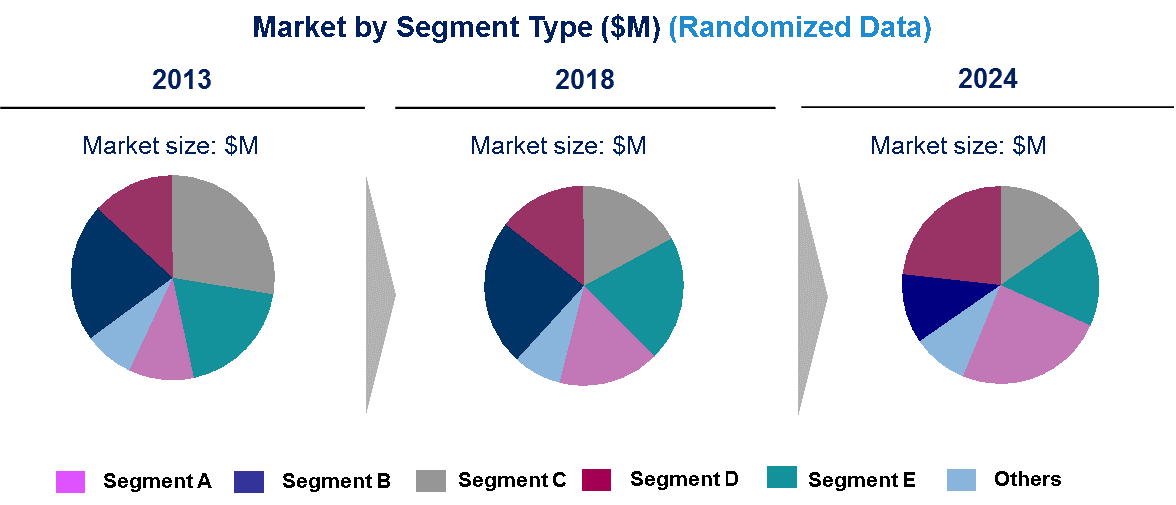
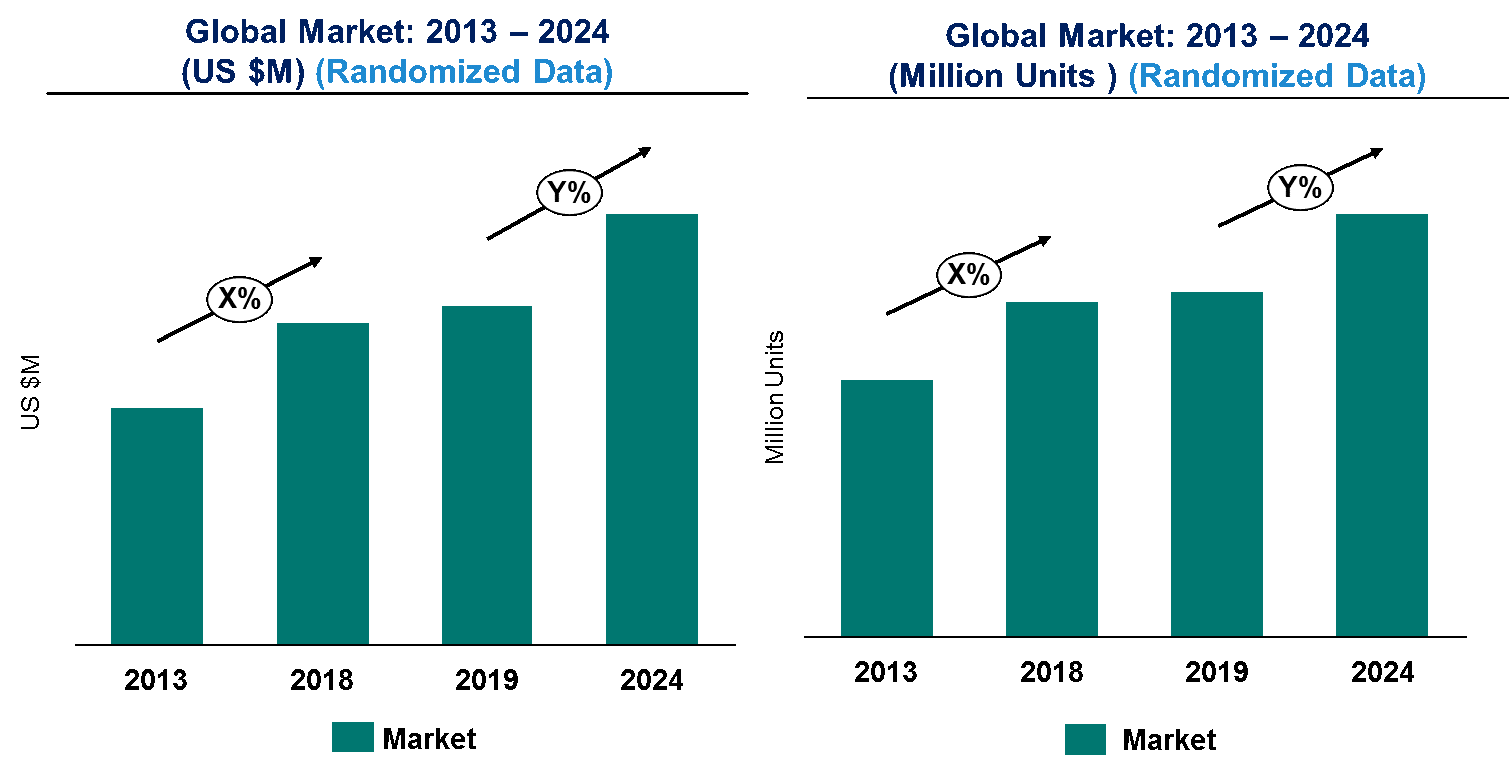
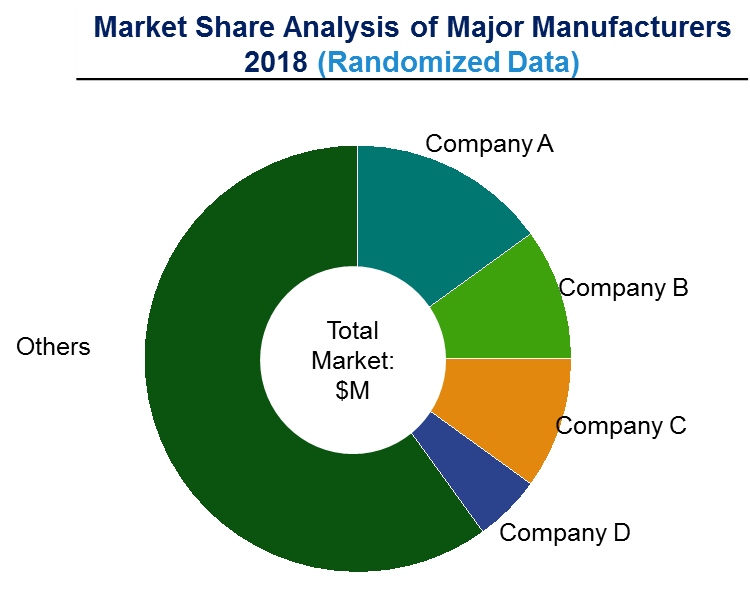
The future of the Head Up Display (HUD) market looks promising with opportunities in the large car, SUVs & crossovers, mid-size car, and light commercial vehicles market. The automotive Head Up Display market is expected to grow with a CAGR of 21% from 2019 to 2024. The major drivers for this market are increase in awareness about passenger and vehicle safety, demand for the improvement of in-vehicle experience, increasing demand for connected vehicles, high growth in luxury and high-end car segments, and mainly in the emerging markets.
A more than 150-page report is developed to help in your business decisions. Sample figures with some insights are shown below. To learn the scope of, benefits, companies researched and other details of automotive HUD market report download the report brochure.
The study includes the Head Up Display (HUD) market size and forecast for the automotive HUD market through 2024, segmented market by head up display type, by technology, by dimension, by end use, by fuel type, and by region as follows:
By Head Up Display Type [$M shipment analysis for 2013 – 2024]:
By Technology [$M shipment analysis for 2013 – 2024]:
-
Augmented reality
-
Conventional
By Dimension [$M shipment analysis for 2013 – 2024]:
By End Use [$M shipment analysis for 2013 – 2024]:
-
Passenger cars
-
Small cars
-
Compact cars
-
Mid-Sized cars
-
Luxury cars
-
SUVs & Crossovers
-
Light Commercial vehicles
By Fuel type [$M shipment analysis for 2013 – 2024]:
By Region [$M shipment analysis for 2013 – 2024]:
-
North America
-
United States
-
Canada
-
Mexico
-
Europe
-
Asia Pacific
-
Rest of the World
Some of the HUD companies profiled in this report include Robert Bosch, Panasonic, Continental, Denso Corporation, Visteon Corporation, Nippon Seiki, Pioneer Corporation, Yazaki, Harman, Garmin, Microvision, and LG Display, and others.
Some of the features of "Automotive Head Up Display (HUD) Market 2019-2024: Trends, Forecast, and Opportunity Analysis" include:
-
Market size estimate:Automotive HUD market size estimation in terms of value ($M) shipment.
-
Trend and forecast analysis:Market trend (2013-2018) and forecast (2019-2024) by application, and end use industry.
-
Segmentation analysis:Market size by various segments such as by by head up display type, by technology, by dimension, by end use, by fuel type, and by region.
-
Regional analysis:Automotive HUD market breakdown by North America, Europe, Asia Pacific, and the Rest of the World.
-
Growth opportunities:Analysis on growth opportunities in different applications and regions for HUD in the automotive HUD market.
-
Strategic analysis:This includes M&A, new product development, and competitive landscape for, HUD in the automotive HUD market.
-
Analysis of competitive intensity of the industry based on Porter’s Five Forces model.
This report answers following 11 key questions:
Q.1 What are some of the most promising potential, high-growth opportunities for the automotive head up display (HUD) market by head up display type (combiner & windshield), by technology (augmented reality and conventional), by dimension (2D, 3D), by end use (passenger car [small car, compact car, mid size car, large cars, SUVs & crossovers], and light commercial vehicles), by fuel type (ICE, BEV & hybrid), and by region (North America, Europe, Asia Pacific, Rest of the World)?
Q.2 Which segments will grow at a faster pace and why?
Q.3 Which regions will grow at a faster pace and why?
Q.4 What are the key factors affecting market dynamics? What are the drivers and challenges of the automotive HUD market?
Q.5 What are the business risks and threats to the automotive HUD market?
Q.6 What are emerging trends in this HUD market and the reasons behind them?
Q.7 What are some changing demands of customers in the automotive HUD market?
Q.8 What are the new developments in the automotive HUD market? Which companies are leading these developments?
Q.9 Who are the major players in this automotive HUD market? What strategic initiatives are being implemented by key players for business growth?
Q.10 What are some of the competitive products and processes in this automotive HUD area and how big of a threat do they pose for loss of market share via material or product substitution?
Q.11 What M & A activities have taken place in the last 5 years in this automotive HUD market?