
Market Report · May 18, 2026

This market report covers trends, opportunities, and forecasts in the global artificial intelligence in fintech market to 2031 by technology offerings (solution (software tools {data discovery, data quality and data governance, data visualization}, platforms) and services (managed services and professional services)), application (virtual assistant (chatbots), business analytics and reporting, customer behavioral analytics, fraud detection, quantitative and asset management, and others), and region (North America, Europe, Asia Pacific, and the Rest of the World)
We'll send your sample report shortly.
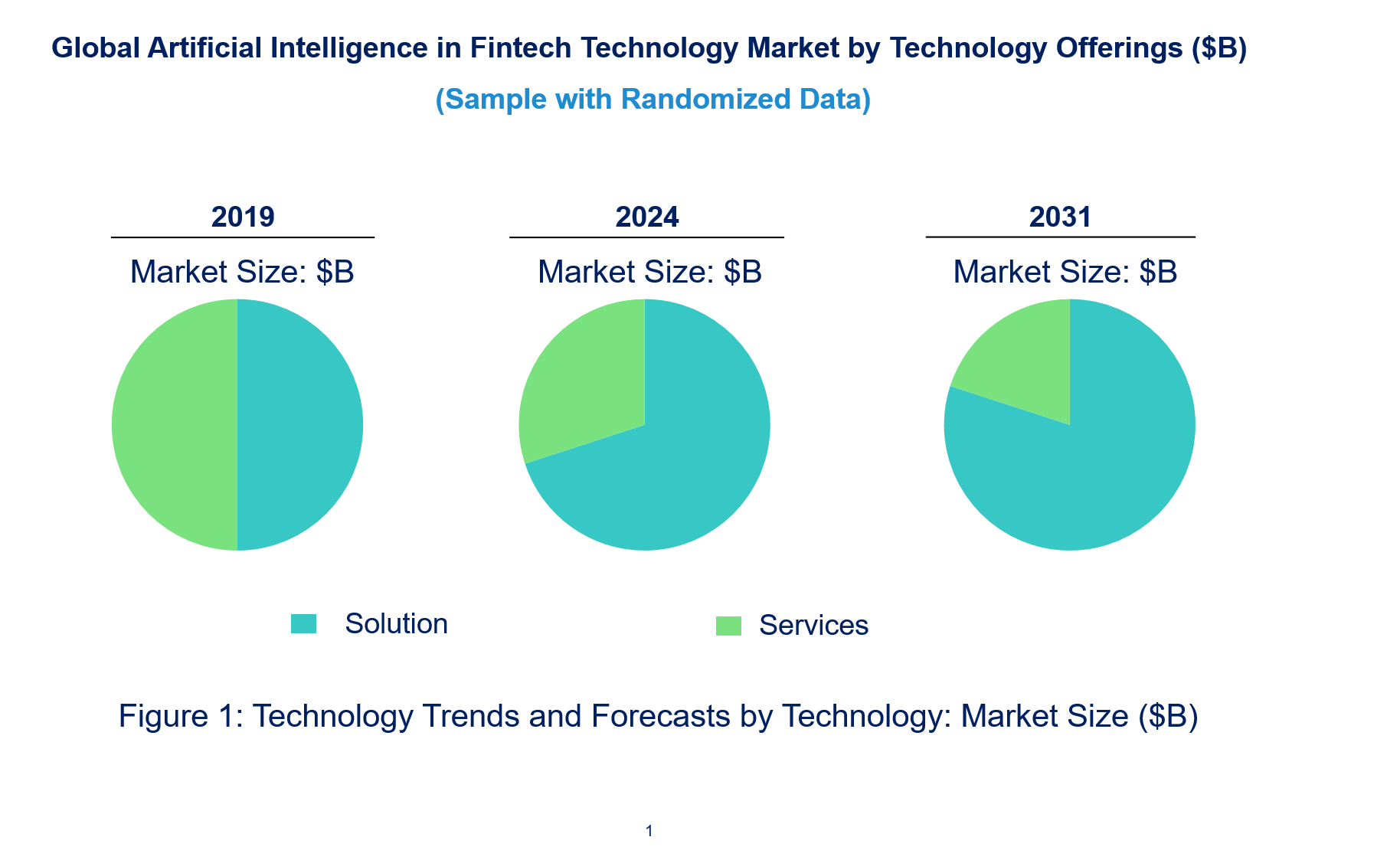
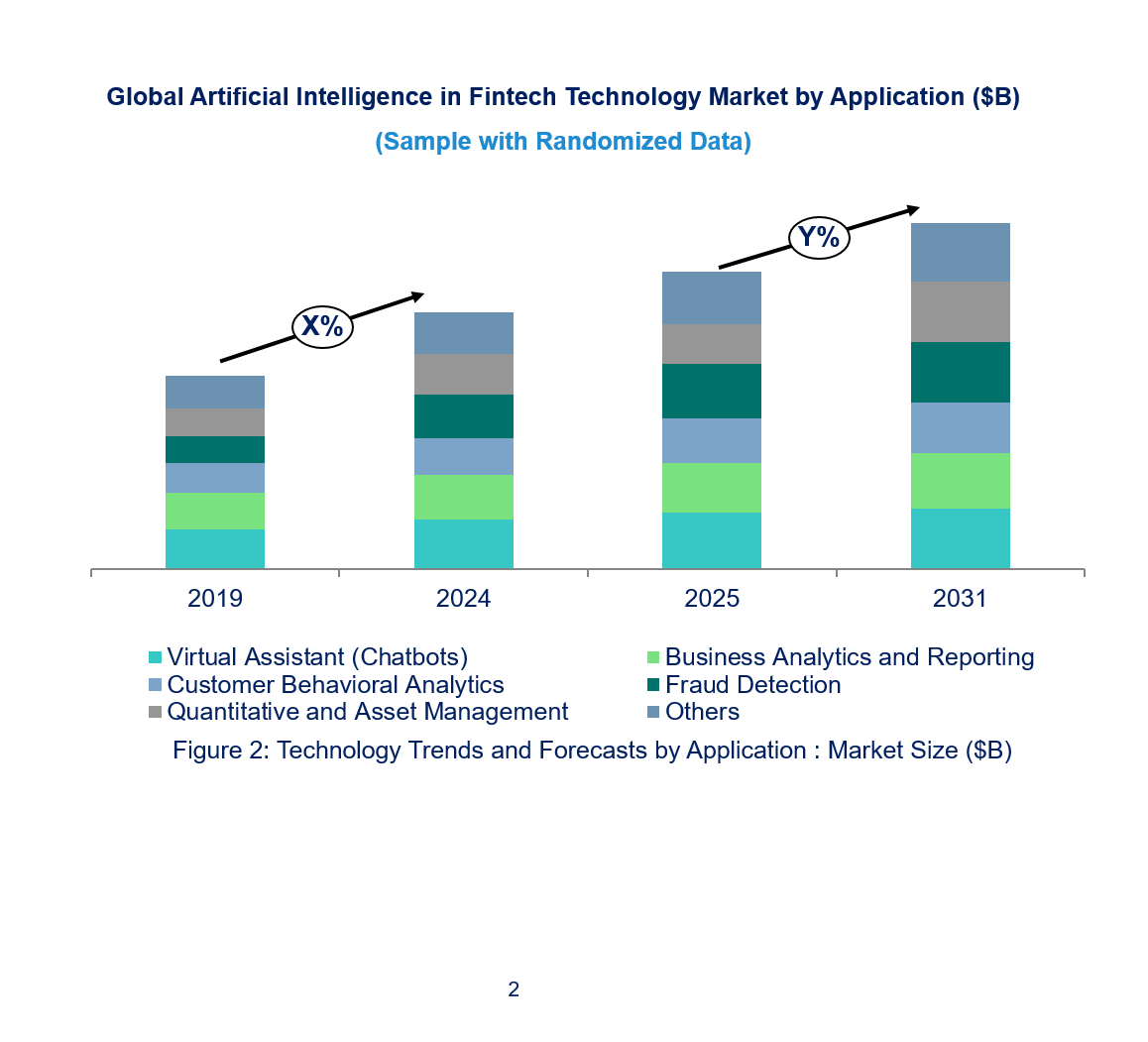
• AI-Powered Fraud Detection and Prevention: AI technologies, such as machine learning algorithms, are increasingly being used to identify and prevent fraudulent activities in real time. These systems analyze transaction patterns to detect anomalies and flag potentially suspicious behavior.
• Chatbots and Virtual Assistants for Customer Service: AI-powered chatbots and virtual assistants are revolutionizing customer service in the fintech sector. These AI solutions can handle customer queries, provide financial advice, and facilitate transactions around the clock.
• AI for Predictive Analytics and Personalization: AI algorithms are used to analyze customer data and predict behavior, enabling fintech companies to offer personalized financial services, such as customized investment advice, loan offers, and financial planning tools.
• Robo-Advisory and Algorithmic Trading: Robo-advisors, powered by AI, use machine learning algorithms to create personalized investment portfolios based on a user’s financial goals and risk tolerance. AI is also improving algorithmic trading strategies by processing vast amounts of market data.
• AI-Driven Risk Management and Credit Scoring: AI is transforming how financial institutions assess risk and manage credit by analyzing a broader set of data points, including transaction history, social behavior, and other non-traditional factors, to calculate credit scores. These emerging trends in the artificial intelligence in fintech market such as AI-powered fraud prevention, chatbots for customer service, predictive analytics for personalization, robo-advisory, and AI-driven risk management are reshaping the industry by improving operational efficiency, customer experiences, and financial services. As AI continues to advance, these trends will drive further innovation, providing fintech companies with powerful tools to enhance their offerings, attract customers, and stay competitive in a fast-changing market.
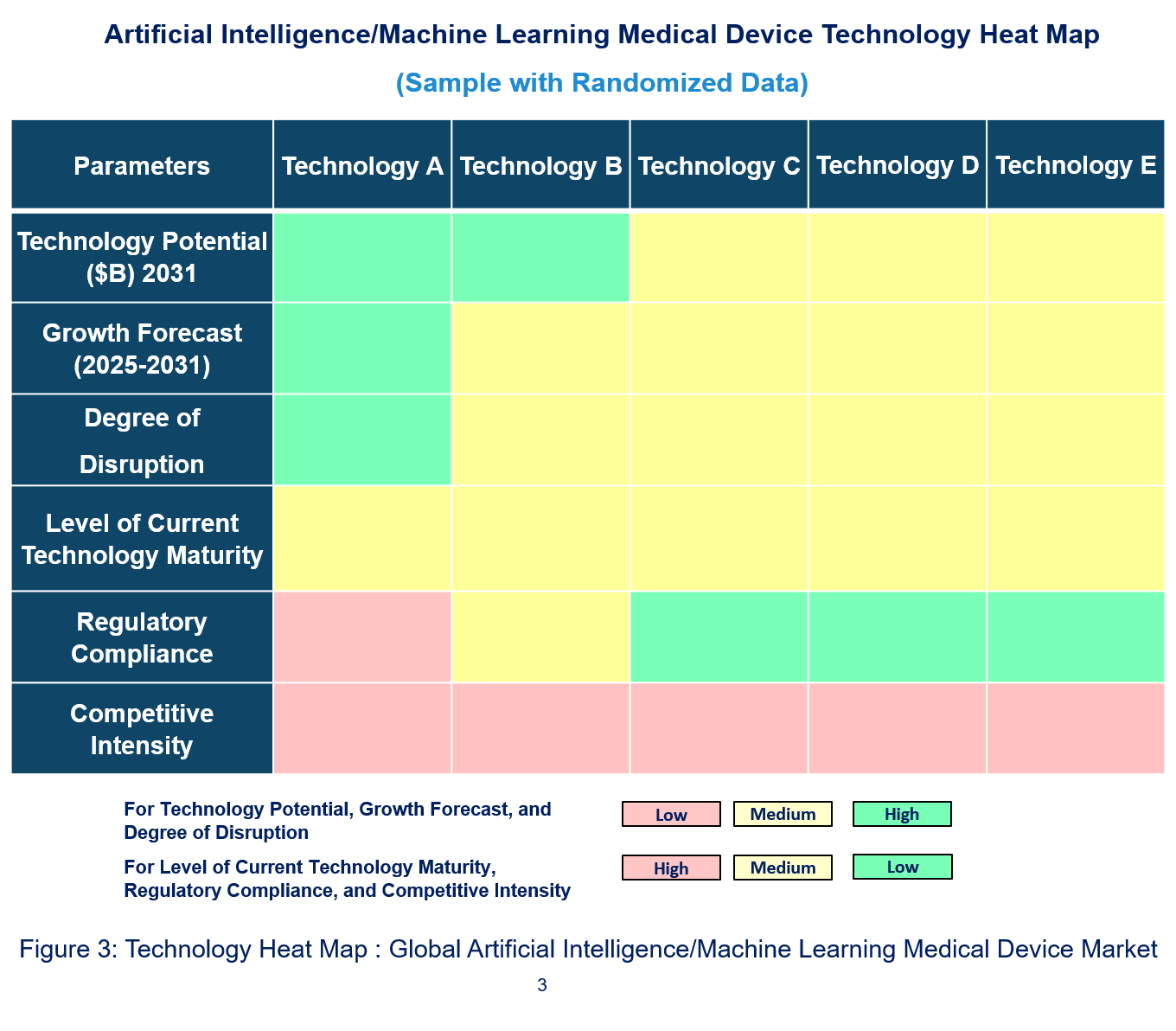
• Potential in Technology: The technology potential of Artificial Intelligence (AI) in the fintech market is immense, as it promises to revolutionize how financial services are delivered, enhancing efficiency, security, and customer experience. AI technologies, such as machine learning, natural language processing, and predictive analytics, can automate complex financial processes, detect fraud, offer personalized services, and improve decision-making in areas like risk assessment and credit scoring.
• Degree of Disruption: The degree of disruption is high, as AI is transforming traditional financial systems, enabling more agile, scalable, and data-driven solutions. AI’s ability to analyze vast amounts of data in real-time provides fintech companies with a competitive edge by optimizing operations and unlocking new business models, such as robo-advisory services and algorithmic trading.
• Current Technology Maturity Level: In terms of technology maturity, machine learning and predictive analytics are already widely deployed in fintech applications, demonstrating strong maturity. However, other AI technologies, such as natural language processing for automated customer support and deep learning for fraud detection, are still evolving and being refined for more widespread adoption.
• Regulatory Compliance: Regarding regulatory compliance, AI in fintech faces challenges due to strict regulations around data privacy, security, and transparency. Financial institutions must ensure that AI solutions comply with regulations such as GDPR and the Dodd-Frank Act, requiring rigorous data protection, algorithmic transparency, and ethical AI practices. These regulatory requirements are shaping the development and deployment of AI technologies in the fintech market.
• Microsoft: Microsoft has developed advanced AI tools like Azure Machine Learning and Azure Cognitive Services, which are being widely adopted in fintech for fraud detection, risk management, and customer personalization. Their AI-driven solutions help financial institutions automate processes and make data-driven decisions in real-time. Impact: These tools enable financial institutions to reduce operational costs, improve fraud detection, and provide more personalized services, strengthening customer loyalty and trust.
• Google: Google’s AI-powered solutions, such as Google Cloud AI, are increasingly used in fintech to enhance customer engagement through chatbots and predictive analytics. Their AutoML platform helps automate complex financial tasks, while their advanced analytics capabilities support smarter, data-driven financial decisions.
• Salesforce: Salesforce has integrated AI into its platform through Salesforce Einstein, providing fintech firms with predictive analytics, personalized customer service tools, and automation capabilities. This enables financial companies to optimize marketing campaigns, improve customer insights, and enhance decision-making.
• International Business Machines (IBM): IBM’s AI technologies, including IBM Watson, are being leveraged by fintech firms for risk assessment, fraud detection, and data analysis. Watson’s cognitive computing capabilities help in analyzing vast datasets to detect fraudulent patterns and assess investment risks.
• Amelia U.S.: Amelia U.S., known for its conversational AI and automation solutions, has made strides in the fintech sector by providing virtual assistants and automation tools to handle routine tasks, from customer inquiries to complex banking services. The advancements made by key players like Microsoft, Google, Salesforce, IBM, and Amelia U.S. are significantly shaping the Artificial Intelligence in the Fintech market. These companies are harnessing AI to automate processes, improve fraud detection, and enhance customer experiences, driving the evolution of fintech solutions. As AI technologies continue to mature, the competitive landscape in fintech will become even more data-driven, innovative, and efficient.
• Increased Demand for Automation: Financial institutions are adopting AI to automate processes such as fraud detection, risk assessment, and customer service. This reduces costs, enhances operational efficiency, and accelerates decision-making.
• Improved Customer Experience through Personalization: AI allows fintech companies to offer highly personalized services based on consumer data, such as tailored investment advice, personalized loan offers, and customized financial planning.
• Advances in Data Analytics and Predictive Models: AI-powered predictive analytics allows financial firms to analyze large datasets and anticipate customer behavior or market trends, leading to better decision-making and risk management.
• Cost Reduction and Operational Efficiency: AI technologies such as robotic process automation (RPA) help streamline back-office operations and improve overall productivity by reducing the need for manual intervention.
• Enhanced Fraud Detection and Risk Management: AI systems can analyze vast amounts of transaction data in real-time to detect and prevent fraud, reducing financial losses and enhancing security. Challenges in the artificial intelligence in fintech market are:
• Data Privacy and Security Concerns: As AI systems rely on large volumes of customer data, concerns regarding data privacy and cybersecurity have become significant barriers to widespread AI adoption.
• Regulatory Compliance and Legal Issues: The fintech industry is highly regulated, and the rapid adoption of AI technologies must adhere to strict compliance standards, such as ensuring transparency in decision-making processes.
• Integration with Legacy Systems: Many fintech firms operate on legacy systems, and integrating AI technologies into these systems can be complex, time-consuming, and costly. The AI in Fintech market is driven by opportunities such as automation, personalized services, predictive analytics, cost reduction, and enhanced fraud detection. However, challenges like data privacy concerns, regulatory compliance, and integration with legacy systems must be addressed to maximize the potential of AI. As these trends evolve, AI is reshaping the fintech industry by offering more efficient, secure, and customer-centric solutions.
• Microsoft
• Salesforce
• International Business Machines
• Amelia U.S.
• Technology Readiness by Technology Type: Technology readiness for AI in fintech varies across solution types. Data discovery, quality, governance, and visualization tools are relatively mature, with many solutions available for immediate adoption. Platforms, however, require more development to handle complex financial data processing at scale. Managed services offer expertise in AI solution deployment, while professional services provide strategic guidance and operational support. Competitive intensity is high, especially among service providers aiming to differentiate through tailored offerings. Key applications for these technologies include fraud detection, predictive analytics, and real-time reporting. Regulatory compliance concerns must be addressed across all these technologies to ensure ethical, transparent, and secure AI implementations in fintech.
• Competitive Intensity and Regulatory Compliance: The competitive intensity within artificial intelligence in fintech is high, with numerous players offering solutions across data discovery, governance, and visualization, alongside professional and managed services. The need for advanced AI tools is driving competition to deliver more efficient, scalable, and secure offerings. Regulatory compliance remains a key challenge, particularly concerning data privacy laws like GDPR and financial regulations such as the Dodd-Frank Act. Companies must ensure that their AI solutions adhere to strict standards of transparency, fairness, and security. Regulatory scrutiny is particularly intense when AI tools are used in critical areas like fraud detection, customer data handling, and financial reporting.
• Disruption Potential of Technology type: The disruption potential of AI technologies in the fintech market is substantial, especially through solutions like data discovery, data quality and governance, data visualization, and platforms. These tools enable fintech firms to unlock valuable insights from vast amounts of data, streamline decision-making processes, and ensure data accuracy and compliance. Software tools help in identifying hidden patterns, ensuring data integrity, and enhancing the clarity of financial data through visualizations. AI-powered platforms enhance scalability, enabling fintech companies to deliver services more efficiently. Managed and professional services also play a pivotal role, providing expertise to implement AI solutions and manage complex data infrastructures. Collectively, these technologies significantly disrupt traditional fintech models by improving operational efficiency, risk management, and customer experience.
• Solution (Software Tools {Data Discovery, Data Quality and Data Governance, Data Visualization}, Platforms)
• Services (Managed Services and Professional Services)
• Virtual Assistant (Chatbots)
• Business Analytics and Reporting
• Customer Behavioral Analytics
• Fraud Detection
• Quantitative and Asset Management
• Others
• North America
• Europe
• Asia Pacific
• The Rest of the World
• Latest Developments and Innovations in the Artificial Intelligence In Fintech Technologies
• Companies / Ecosystems
• Strategic Opportunities by Technology Type




Choose a license that fits your team. Instant PDF delivery.
Prices exclude taxes. Instant delivery. Custom licensing available on request.
Market Report · May 18, 2026
Market Report · May 18, 2026
Market Report · May 18, 2026
Trusted partner for strategic intelligence and business growth


Receive a complimentary market analysis tailored to your industry. Our analysts will identify key growth opportunities and competitive dynamics specific to your business.

Market size, growth rate, and key trend analysis for your specific sector.

Top competitor positioning and market share analysis.

Strategic recommendations backed by data-driven insights.
Get curated market intelligence and competitive moves straight to your inbox.
By subscribing, you agree to receive our monthly insights. Unsubscribe anytime.
Receive a complimentary market analysis tailored to your industry. Our analysts will identify key growth opportunities and competitive dynamics specific to your business.
Market size, growth rate, and key trend analysis for your specific sector.
Top competitor positioning and market share analysis.
Strategic recommendations backed by data-driven insights.
Get curated market intelligence, emerging trends, and competitive moves straight to your inbox each month.
By subscribing, you agree to receive our monthly insights. Unsubscribe anytime.
We'll send your sample report shortly.