
Report Feature
Implantable Heart Pacemaker Trends and Forecast
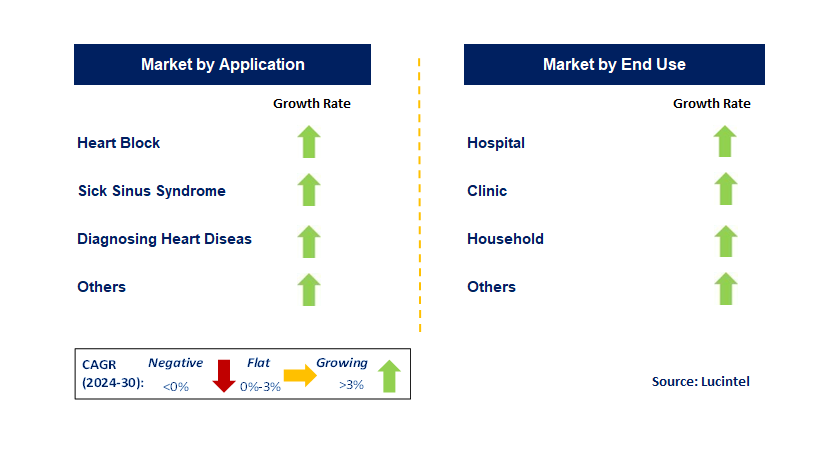
The future of the global implantable heart pacemaker market looks promising with opportunities in the hospital, clinic, and house hold markets. The global implantable heart pacemaker market is expected to reach an estimated $7.3 billion by 2030 with a CAGR of 5.2% from 2024 to 2030. The major drivers for this market are growing need for improved and less invasive methods and increasing number of patients diagnosed with heart blockages, bradycardia, and tachycardia. Lucintel forecasts that heart block will remain the largest segment over the forecast period due to increasing rates of heart failure caused by unhealthy lifestyle choices, heavy drinking, smoking, and obesity. Within this market, hospital will remain the largest segment. North America will remain the largest region over the forecast period due to increasing number of elderly people experiencing cardiac problems in the region. A more than 150-page report is developed to help in your business decisions.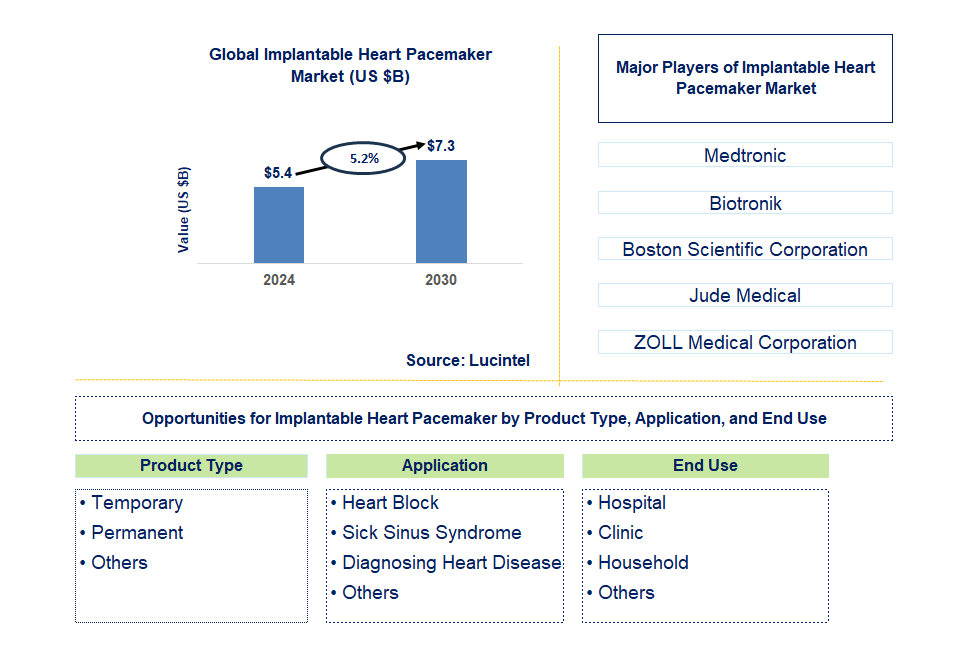
Emerging Trends in the Implantable Heart Pacemaker Market
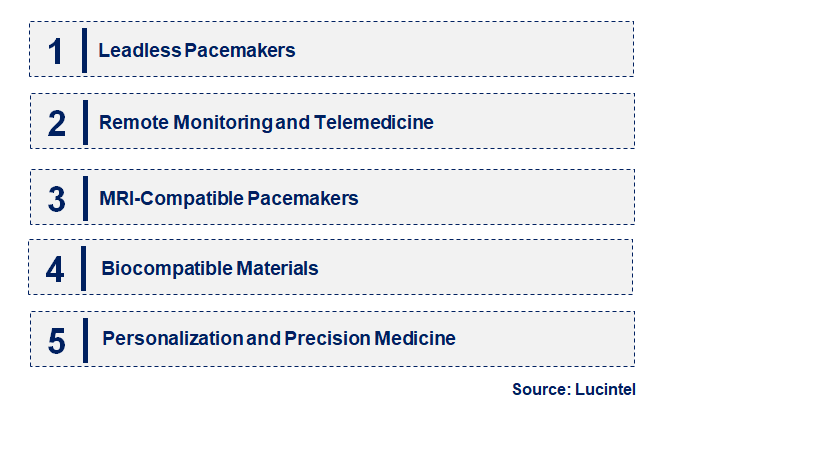
The implantable heart pacemaker market is evolving with several emerging trends that are reshaping the industry. These trends reflect advancements in technology, shifts in patient needs, and broader healthcare dynamics. These trends provides a comprehensive view of the market’s future direction.• Leadless Pacemakers: Leadless pacemakers are becoming increasingly popular due to their less invasive nature and reduced risk of complications compared to traditional leaded devices. These devices are implanted directly into the heart's chamber, eliminating the need for external leads. This trend is driven by patient preference for less invasive procedures and the technological advancements that have improved the reliability and functionality of leadless systems.
• Remote Monitoring and Telemedicine: The integration of remote monitoring capabilities into pacemakers is transforming patient management. Devices equipped with telemedicine features allow for real-time data transmission and remote adjustments, reducing the need for frequent in-person visits. This trend is enhancing patient convenience and enabling healthcare providers to manage and monitor patients more effectively, especially in remote or underserved areas.
• MRI-Compatible Pacemakers: MRI-compatible pacemakers represent a significant advancement, addressing the limitations of traditional devices that are often contraindicated for MRI scans. The development of these devices allows patients to undergo MRI procedures safely, improving diagnostic capabilities and overall patient care. This trend is important for expanding the range of diagnostic tools available to patients with pacemakers.
• Biocompatible Materials: Advances in biocompatible materials are improving the safety and longevity of pacemakers. New materials reduce the risk of adverse reactions and improve device performance over time. This trend reflects ongoing research into materials science and its application in medical devices, leading to more durable and patient-friendly pacemakers.
• Personalization and Precision Medicine: Personalization and precision medicine are driving the development of pacemakers tailored to individual patient needs. Advances in data analytics and device customization allow for more precise adjustments and personalized treatment plans. This trend is enhancing the effectiveness of pacemaker therapy and improving patient outcomes by addressing specific health conditions and preferences. These emerging trends are significantly reshaping the implantable heart pacemaker market by improving device functionality, patient comfort, and overall healthcare outcomes. Leadless pacemakers and MRI-compatible devices offer less invasive and more versatile treatment options, while remote monitoring and telemedicine enhance patient management. Advances in biocompatible materials and personalization reflect a growing focus on tailoring treatment to individual needs, driving the market towards more sophisticated and patient-centered solutions.
Recent Developments in the Implantable Heart Pacemaker Market
The implantable heart pacemaker market has witnessed significant advancements in recent years, driven by technological innovations and an increasing prevalence of cardiac conditions. As populations age and lifestyle-related heart issues rise, the demand for more sophisticated and effective pacemaker devices has grown. Recent developments focus on miniaturization, enhanced battery life, remote monitoring, and advanced features that improve patient outcomes and comfort. These innovations are not only transforming device functionality but also optimizing the patient experience, making pacemakers more accessible and efficient. Here are five key developments shaping the future of the implantable heart pacemaker market.• Leadless Pacemakers: Leadless pacemakers have emerged as a key development, offering a minimally invasive alternative to traditional lead-based devices. These devices are implanted directly into the heart's chamber without external leads, reducing the risk of infections and complications. The advancement in leadless technology is driven by its benefits in patient comfort and reduced procedure time.
• Remote Monitoring Technologies: The integration of remote monitoring technologies into pacemakers has transformed patient management. Devices with built-in connectivity allow for continuous monitoring and remote adjustments, facilitating timely interventions and reducing the need for frequent hospital visits. This development enhances patient convenience and enables better management of cardiac conditions.
• MRI-Compatible Devices: The introduction of MRI-compatible pacemakers has addressed a major limitation of traditional devices, which are often contraindicated for MRI scans. MRI-compatible models allow patients to undergo necessary imaging procedures without compromising the safety or functionality of the pacemaker, improving diagnostic capabilities and patient care.
• Enhanced Battery Life and Longevity: Recent advancements in battery technology have led to longer-lasting pacemakers. Improved battery life reduces the frequency of device replacements, which enhances patient convenience and lowers overall healthcare costs. This development is particularly significant for patients requiring long-term pacemaker therapy.
• Advanced Materials and Design: Innovations in materials and design have led to more durable and biocompatible pacemakers. New materials reduce the risk of adverse reactions and improve the device's performance over time. Enhanced design features also contribute to better patient outcomes by providing more reliable and effective pacing solutions. These recent developments in the implantable heart pacemaker market reflect significant advancements in technology, patient care, and device functionality. Leadless pacemakers, remote monitoring, MRI compatibility, improved battery life, and advanced materials are driving the market towards more innovative and patient-centered solutions. These advancements are expected to enhance the overall effectiveness of pacemaker therapy and improve quality of life for patients worldwide.
Strategic Growth Opportunities for Implantable Heart Pacemaker Market
The implantable heart pacemaker market is poised for significant growth, driven by advancements in technology and increasing patient needs. Strategic growth opportunities are emerging across various applications, providing pathways for market expansion and innovation. These opportunities span from enhanced device functionalities to new patient demographics, offering potential for both established and emerging market players. By exploring key applications and their growth potential, stakeholders can better navigate the evolving landscape and capitalize on emerging trends.• Remote Monitoring and Telehealth Integration: The integration of remote monitoring and telehealth capabilities into pacemakers represents a significant growth opportunity. Devices that offer real-time data transmission enable continuous patient monitoring and timely intervention. This application improves patient outcomes by facilitating remote adjustments and reducing the need for frequent hospital visits. As telehealth becomes more mainstream, incorporating these features into pacemakers can enhance patient management and expand market reach.
• MRI-Compatible Pacemakers: MRI-compatible pacemakers address a major limitation of traditional devices by allowing patients to undergo MRI scans without compromising device safety or performance. This growth opportunity is crucial as MRI imaging is essential for diagnosing and managing various health conditions. Developing and promoting MRI-compatible devices can open new markets and cater to a broader patient base, improving diagnostic and treatment options for those with pacemakers.
• Leadless Pacemakers: Leadless pacemakers, which eliminate the need for external leads, represent a major advancement in device technology. Their minimally invasive nature reduces the risk of complications and infections, offering a compelling growth opportunity. As patient preferences shift towards less invasive procedures, leadless pacemakers are likely to gain increased adoption. This trend not only enhances patient comfort but also drives innovation and competition in the market.
• Advanced Battery Technology: Improvements in battery technology are extending the lifespan of pacemakers, reducing the frequency of replacements and associated healthcare costs. This growth opportunity is significant as longer-lasting devices contribute to better patient outcomes and operational efficiency. Companies investing in advanced battery technology can differentiate themselves in the market by offering reliable, long-lasting solutions that meet evolving patient needs.
• Personalized and Precision Medicine: The shift towards personalized and precision medicine in pacemaker technology allows for customization based on individual patient profiles. This application enables more effective and tailored treatments, enhancing patient outcomes. By leveraging data analytics and patient-specific information, manufacturers can develop devices that meet unique needs, creating a competitive advantage and addressing diverse market demands. These strategic growth opportunities remote monitoring, MRI compatibility, leadless devices, advanced batteries, and personalized medicine—are reshaping the implantable heart pacemaker market. They offer pathways for innovation and expansion, addressing patient needs and preferences while driving market growth. By capitalizing on these opportunities, companies can enhance their competitive positioning and meet the evolving demands of the healthcare industry.
Implantable Heart Pacemaker Market Driver and Challenges
The implantable heart pacemaker market is influenced by various drivers and challenges, shaped by technological, economic, and regulatory factors. These dynamics is crucial for stakeholders to navigate the market effectively and identify opportunities for growth and innovation. The factors responsible for driving the implantable heart pacemaker market include: 1. Technological Advancements: Technological advancements, such as leadless pacemakers and remote monitoring capabilities, are major drivers of market growth. These innovations enhance patient care by offering less invasive options and improved monitoring. As technology evolves, it leads to better device performance, greater patient comfort, and expanded market opportunities. Continuous R&D investments and technological improvements are crucial for sustaining market momentum and meeting patient needs. 2. Increasing Prevalence of Cardiac Diseases: The rising prevalence of cardiovascular diseases is a significant driver for the implantable heart pacemaker market. As the global population ages and lifestyle-related health issues become more common, the demand for pacemakers and related treatments increases. This growing patient base drives market expansion and creates opportunities for new product development and market entry. 3. Expanding Healthcare Access: Improved healthcare access and rising awareness about cardiac health are contributing to market growth. Government initiatives, healthcare reforms, and increased access to medical facilities in emerging markets are making pacemakers more accessible to a broader population. This expansion in healthcare access facilitates market penetration and supports the adoption of advanced pacemaker technologies. 4. Aging Population: The aging population globally is a key driver of the pacemaker market. As individuals age, the likelihood of developing cardiac conditions increases, leading to higher demand for pacemakers. This demographic trend creates a sustained market need for advanced cardiac devices and presents opportunities for companies to develop age-specific solutions. 5. Regulatory Approvals and Support: Favorable regulatory approvals and support for new technologies enhance market growth. Streamlined regulatory processes and government incentives for innovation encourage the development and commercialization of advanced pacemaker devices. Positive regulatory environments support market entry and facilitate the adoption of new technologies. Challenges in the implantable heart pacemaker market are: 1. High Cost of Advanced Devices: The high cost associated with advanced pacemakers and related technologies can be a significant challenge. Expensive devices may limit accessibility, particularly in emerging markets with constrained healthcare budgets. This cost barrier can affect market adoption rates and necessitates strategies to balance innovation with affordability. 2. Regulatory Hurdles: Navigating regulatory requirements and obtaining approvals for new pacemaker technologies can be complex and time-consuming. Stringent regulations and lengthy approval processes may delay market entry and increase development costs. Companies must navigate these regulatory hurdles efficiently to bring new products to market in a timely manner. 3. Competition and Market Saturation: Intense competition and market saturation pose challenges for companies in the pacemaker market. Established players dominate the market, and new entrants must differentiate themselves through innovation and value proposition. Competitive pressures can impact pricing strategies and market share, requiring companies to continually innovate and adapt. The implantable heart pacemaker market is shaped by key drivers such as technological advancements, increasing prevalence of cardiac diseases, expanding healthcare access, an aging population, and supportive regulatory environments. However, challenges including high device costs, regulatory hurdles, and intense competition also impact the market. Addressing these drivers and overcoming challenges are essential for market growth and innovation, influencing the strategies and success of companies in the sector.List of Implantable Heart Pacemaker Companies
Companies in the market compete on the basis of product quality offered. Major players in this market focus on expanding their manufacturing facilities, R&D investments, infrastructural development, and leverage integration opportunities across the value chain. through these strategies implantable heart pacemaker companies cater increasing demand, ensure competitive effectiveness, develop innovative products & technologies, reduce production costs, and expand their customer base. Some of the implantable heart pacemaker companies profiled in this report include-• Medtronic
• Biotronik
• Boston Scientific Corporation
• Jude Medical
• ZOLL Medical Corporation
• Medico
• Vitatron
• Pacetronix
• Sorin Group
• Cordis
Implantable Heart Pacemaker by Segment
The study includes a forecast for the global implantable heart pacemaker by product type, application, end use, and region.Implantable Heart Pacemaker Market by Product Type [Analysis by Value from 2018 to 2030]:
• Temporary
• Permanent
• Others
Implantable Heart Pacemaker Market by Application [Analysis by Value from 2018 to 2030]:
• Heart Block
• Sick Sinus Syndrome
• Diagnosing Heart Diseases
• Others
Implantable Heart Pacemaker Market by End Use [Analysis by Value from 2018 to 2030]:
• Hospital
• Clinic
• Household
• Others
Implantable Heart Pacemaker Market by Region [Analysis by Value from 2018 to 2030]:
• North America
• Europe
• Asia Pacific
• The Rest of the World
Country Wise Outlook for the Implantable Heart Pacemaker Market
The implantable heart pacemaker market has seen significant growth and innovation in recent years, driven by technological advancements, increased prevalence of cardiac conditions, and expanding healthcare access. These developments reflect both global trends and specific regional dynamics. In the United States, China, Germany, India, and Japan, the market has been shaped by a variety of factors including regulatory approvals, technological enhancements, and changing patient demographics. Understanding these regional advancements offers insight into the broader trajectory of the market.• United States: The U.S. market for implantable heart pacemakers has been buoyed by advancements in leadless pacemaker technology, which offers a less invasive alternative to traditional devices. New FDA approvals for devices with improved longevity and remote monitoring capabilities have also been a significant development. Major players like Medtronic and Abbott are at the forefront, pushing innovation in miniaturization and battery life. The focus is increasingly on enhancing patient comfort and reducing recovery time.
• China: In China, the market is expanding rapidly due to increasing awareness of cardiovascular diseases and improvements in healthcare infrastructure. Local manufacturers are gaining traction with competitive pricing and advanced features. The Chinese government has also been supportive through subsidies and healthcare reforms aimed at improving access to high-quality cardiac care. Collaborative efforts with international firms are driving the adoption of advanced technologies like MRI-compatible pacemakers.
• Germany: Germany continues to be a leader in cardiac device technology in Europe. Recent developments include advancements in biocompatible materials and enhanced diagnostic capabilities integrated into pacemakers. The country’s stringent regulatory standards ensure high-quality devices, and there is a strong emphasis on patient-centric innovations such as wireless communication and remote monitoring. German companies are also involved in clinical trials for next-generation pacemaker technologies.
• India: India implantable pacemaker market is witnessing growth due to rising incidences of heart disease and improved healthcare access. Recent advancements include the introduction of cost-effective, high-quality devices from both local and international manufacturers. The Indian market is also seeing increased investment in research and development to adapt technologies to local needs. Government initiatives aimed at expanding healthcare coverage are likely to further boost market growth.
• Japan: Japan market is characterized by its advanced technology and high patient expectations. Recent developments include the introduction of more sophisticated pacemakers with integrated defibrillation capabilities and enhanced data collection features. Japanese firms are also focusing on precision medicine, tailoring devices to individual patient needs. The aging population in Japan is driving demand for pacemakers, making this an important segment of the healthcare market.

Features of the Global Implantable Heart Pacemaker Market
Market Size Estimates: Implantable heart pacemaker market size estimation in terms of value ($B). Trend and Forecast Analysis: Market trends (2018 to 2023) and forecast (2024 to 2030) by various segments and regions. Segmentation Analysis: Implantable heart pacemaker market size by product type, application, end use, and region in terms of value ($B). Regional Analysis: Implantable heart pacemaker market breakdown by North America, Europe, Asia Pacific, and Rest of the World. Growth Opportunities: Analysis of growth opportunities in different product types, applications, end uses, and regions for the implantable heart pacemaker market. Strategic Analysis: This includes M&A, new product development, and competitive landscape of the implantable heart pacemaker market. Analysis of competitive intensity of the industry based on Porter’s Five Forces model.If you are looking to expand your business in this market or adjacent markets, then contact us. We have done hundreds of strategic consulting projects in market entry, opportunity screening, due diligence, supply chain analysis, M & A, and more.

FAQ
Q1. What is the implantable heart pacemaker market size? Answer: The global implantable heart pacemaker market is expected to reach an estimated $7.3 billion by 2030. Q2. What is the growth forecast for implantable heart pacemaker market? Answer: The global implantable heart pacemaker market is expected to grow with a CAGR of 5.2% from 2024 to 2030. Q3. What are the major drivers influencing the growth of the implantable heart pacemaker market? Answer: The major drivers for this market are growing need for improved and less invasive methods and increasing number of patients diagnosed with heart blockages, bradycardia, and tachycardia. Q4. What are the major segments for implantable heart pacemaker market? Answer: The future of the implantable heart pacemaker market looks promising with opportunities in the hospital, clinic, and house hold markets. Q5. Who are the key implantable heart pacemaker market companies? Answer: Some of the key implantable heart pacemaker companies are as follows:• Medtronic
• Biotronik
• Boston Scientific Corporation
• Jude Medical
• ZOLL Medical Corporation
• Medico
• Vitatron
• Pacetronix
• Sorin Group
• Cordis Q6. Which implantable heart pacemaker market segment will be the largest in future? Answer: Lucintel forecasts that heart block will remain the largest segment over the forecast period due to increasing rates of heart failure caused by unhealthy lifestyle choices, heavy drinking, smoking, and obesity. Q7. In implantable heart pacemaker market, which region is expected to be the largest in next 5 years? Answer: North America will remain the largest region over the forecast period due to increasing number of elderly people experiencing cardiac problems in the region. Q.8 Do we receive customization in this report? Answer: Yes, Lucintel provides 10% customization without any additional cost.
Table of Contents
Methodology
- In-depth interviews of the major players in this market
- Detailed secondary research from competitors’ financial statements and published data
- Extensive searches of published works, market, and database information pertaining to industry news, company press releases, and customer intentions
- A compilation of the experiences, judgments, and insights of Lucintel’s professionals, who have analyzed and tracked this market over the years.


Buy Now
Choose a license that fits your team. Instant PDF delivery.
Prices exclude taxes. Instant delivery. Custom licensing available on request.
Key Questions
- • What are some of the most promising, high-growth opportunities for the implantable heart pacemaker market by product type (temporary, permanent, and others), application (heart block, sick sinus syndrome, diagnosing heart diseases, and others), end use (hospital, clinic, household, and others), and region (North America, Europe, Asia Pacific, and the Rest of the World)?
- • Which segments will grow at a faster pace and why?
- • Which region will grow at a faster pace and why?
- • What are the key factors affecting market dynamics? What are the key challenges and business risks in this market?
- • What are the business risks and competitive threats in this market?
- • What are the emerging trends in this market and the reasons behind them?
- • What are some of the changing demands of customers in the market?
- • What are the new developments in the market? Which companies are leading these developments?
- • Who are the major players in this market? What strategic initiatives are key players pursuing for business growth?
- • What are some of the competing products in this market and how big of a threat do they pose for loss of market share by material or product substitution?
- • What M&A activity has occurred in the last 5 years and what has its impact been on the industry? For any questions related to Implantable Heart Pacemaker Market, Implantable Heart Pacemaker Market Size, Implantable Heart Pacemaker Market Growth, Implantable Heart Pacemaker Market Analysis, Implantable Heart Pacemaker Market Report, Implantable Heart Pacemaker Market Share, Implantable Heart Pacemaker Market Trends, Implantable Heart Pacemaker Market Forecast, Implantable Heart Pacemaker Companies, write Lucintel analyst at email: helpdesk@lucintel.com. We will be glad to get back to you soon.


