
Market Report · July 31, 2026

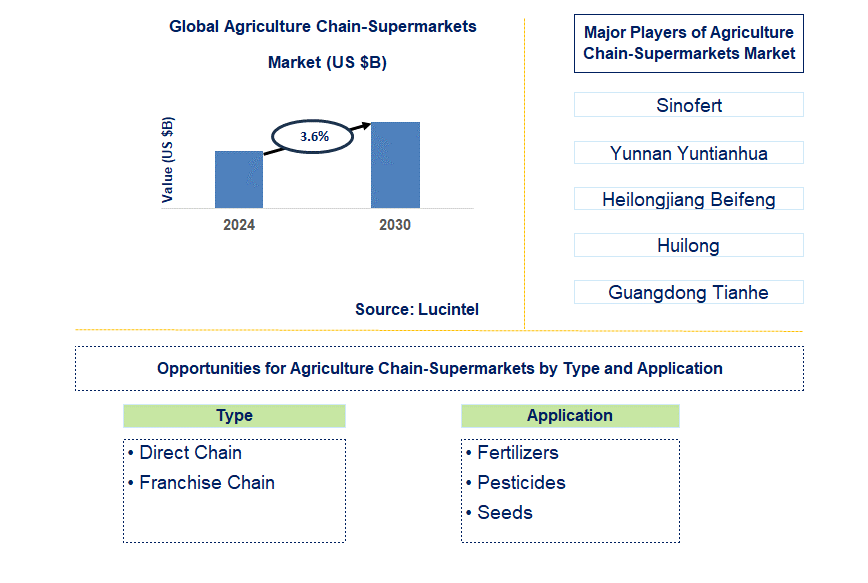
Key data points: The growth forecast = 3.6% annually for the next 6 years. Scroll below to get more insights. This market report covers trends, opportunities, and forecast in the global agriculture chain-supermarkets market to 2030 by type (direct chain and franchise chain), application (fertilizers, pesticides, and seeds), and region (North America, Europe, Asia Pacific, and the Rest of the World)
We'll send your sample report shortly.
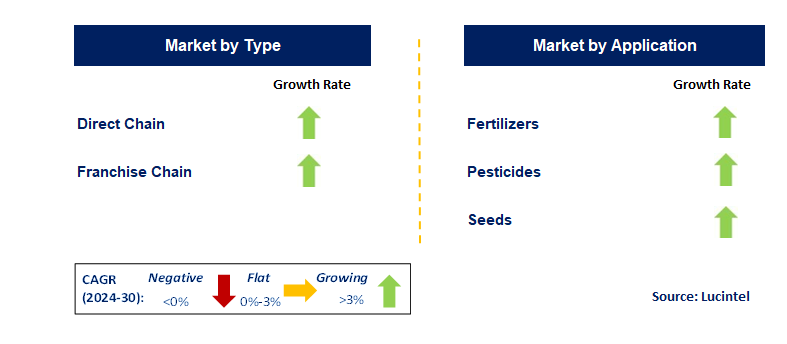
• Lucintel forecasts that, within the type category, the direct chain is expected to witness higher growth over the forecast period.
• Within the application category, fertilizer is expected to witness the highest growth.
• In terms of regions, APAC will remain the largest region over the forecast period. A more than 150-page report is developed to help in your business decisions.
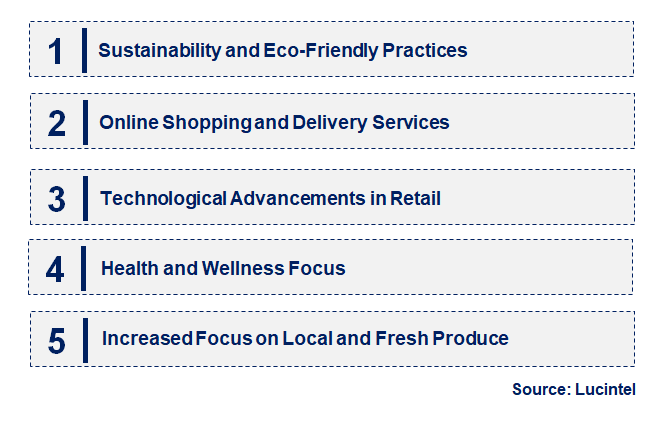
• Sustainability and Eco-Friendly Practices: Sustainability is at the forefront of the agriculture supermarket industry. Companies are focusing on reducing carbon footprints, promoting local sourcing, and offering organic or ethically produced items. Waste reduction, such as using biodegradable packaging and reducing food waste, is gaining significant attention as consumers prioritize eco-conscious choices.
• Online Shopping and Delivery Services: The growth of e-commerce has revolutionized the agriculture supermarket industry, with online grocery shopping and home delivery services becoming standard. Supermarkets are investing heavily in improving their digital platforms, streamlining logistics, and offering convenience to customers who prefer shopping from home.
• Technological Advancements in Retail: Technological innovations such as AI for inventory management, robotics for picking and packing, and facial recognition for payment processing are transforming supermarket operations. These advancements improve efficiency, reduce labor costs, and enhance the customer shopping experience by offering personalized recommendations and seamless checkout processes.
• Health and Wellness Focus: Consumers are increasingly aware of the health benefits of food, leading to a growing demand for organic, plant-based, and fortified foods. Supermarkets are expanding their offerings in these categories and highlighting nutritional content, making health-conscious shopping easier for consumers.
• Increased Focus on Local and Fresh Produce: There is a rising preference for fresh, locally sourced food, as consumers are more conscious of the environmental impact of long supply chains. Supermarkets are increasingly emphasizing the freshness of their produce, improving the supply chain to ensure quick delivery from farm to store, and promoting local farms and food producers. The agriculture supermarket industry is adapting to changing consumer expectations and technological advancements, with sustainability, health-conscious offerings, and digital innovation at the forefront. As supermarkets increasingly focus on eco-friendly practices, online shopping convenience, and local sourcing, they are reshaping the way consumers shop for food. By investing in technological innovations like AI and robotics, supermarkets are improving operational efficiency and enhancing the overall customer experience. With a growing demand for healthier, fresh, and ethically produced foods, supermarkets that prioritize these trends are well-positioned to thrive in an increasingly competitive and conscious marketplace.
• E-commerce Expansion: Supermarkets are increasingly investing in online platforms for grocery shopping and delivery services. The shift toward e-commerce was accelerated by the COVID-19 pandemic and continues to grow. This trend is reshaping the supermarket business model, with more focus on digital infrastructure and logistics to meet consumer demand for convenience.
• Automation and AI Integration: Automation in logistics and inventory management, along with AI-driven demand forecasting, is transforming supermarket operations. These technologies help reduce costs, optimize stock levels, and ensure quicker restocking, improving supply chain efficiency and overall customer satisfaction.
• Sustainability and Waste Reduction: Supermarkets are adopting sustainable practices, such as reducing plastic packaging, supporting local and organic farming, and minimizing food waste. Many major chains have committed to carbon neutrality, and the trend toward eco-friendly products is a significant driver of change in supermarket offerings.
• Rise of Health-Conscious Products: There is a growing focus on health and wellness, with supermarkets increasingly offering organic, plant-based, and functional foods. Nutritional transparency is a key factor, with consumers seeking healthier options for themselves and their families. Supermarkets are expanding their health-conscious product lines to cater to this demand.
• Personalization and Customer Experience: Supermarkets are investing in technology to personalize the shopping experience. AI-powered apps, personalized offers, and loyalty programs are increasingly common, allowing supermarkets to offer tailored promotions and experiences that attract and retain customers. The evolution of the supermarket industry is being driven by digital innovation, sustainability initiatives, and a stronger focus on consumer health and personalization. Supermarkets that embrace e-commerce, automation, and environmentally responsible practices, while also catering to the growing demand for health-conscious products, are poised to thrive in an increasingly competitive market. By adapting to these trends, retailers can improve operational efficiency, strengthen customer loyalty, and position themselves for continued success in the rapidly changing retail landscape.
• Expansion in Emerging Markets: Emerging markets, especially in Asia and Africa, represent significant growth opportunities for agriculture chain supermarkets. Rising urbanization and disposable incomes are driving demand for convenience foods and modern retail options. Expanding into these regions offers opportunities to tap into a growing consumer base.
• Investing in Health-Conscious Offerings: The increasing consumer interest in healthy living provides opportunities for supermarkets to expand their organic, plant-based, and functional food categories. Focusing on health-conscious products and transparent labeling can help supermarkets gain a competitive edge.
• Technology-Driven Customer Experience: Investing in AI, robotics, and e-commerce platforms provides growth opportunities for supermarkets to enhance operational efficiency and improve customer experience. Personalized shopping experiences and fast, reliable delivery systems are crucial for retaining customers in a competitive market.
• Sustainable and Local Sourcing: Focusing on sustainability through local sourcing and eco-friendly practices presents opportunities for supermarkets to differentiate themselves in a crowded market. Consumers increasingly prefer brands that support local farmers and promote environmental responsibility, creating long-term growth potential.
• Private Label Expansion: Expanding private label offerings allows supermarkets to provide high-quality products at competitive prices while maintaining higher margins. Offering private-label goods in health, wellness, and sustainable categories can attract a more loyal customer base. Supermarkets that strategically embrace expansion into emerging markets, invest in health-conscious and sustainable offerings, leverage technology to enhance customer experience, and grow their private label portfolios will be well-positioned for long-term success. By aligning with evolving consumer preferences and adopting innovative practices, these retailers can drive growth, strengthen brand loyalty, and differentiate themselves in an increasingly competitive landscape.
• Technological Advancements: AI and automation are enhancing efficiency, streamlining operations, and improving inventory management. This allows supermarkets to offer better customer service and optimize supply chains.
• Increased Consumer Demand for Health-Conscious Products: Consumers are increasingly focused on health and wellness, creating a growing demand for organic, plant-based, and fortified foods.
• E-commerce Growth: The rise of online shopping, especially accelerated by the pandemic, is a key driver. Consumers now expect convenient and fast home delivery services from supermarkets.
• Focus on Sustainability: Sustainability concerns, including plastic waste and ethical sourcing, are influencing supermarket operations and product offerings. Many chains are committing to carbon-neutral operations and reducing food waste.
• Rising Disposable Incomes in Emerging Markets: As incomes rise in emerging economies, the demand for convenience foods and modern retail experiences is growing. Supermarkets are expanding their reach to cater to these developing markets. Challenges in the agriculture chain supermarket market are:
• Intense Competition: The supermarket industry is highly competitive, with both traditional chains and emerging digital players vying for market share. Price sensitivity and differentiation are major challenges.
• Supply Chain Disruptions: Logistical challenges, including disruptions in global supply chains, have made it harder to maintain consistent inventory levels. This affects product availability and pricing.
• Regulatory Pressures: Supermarkets must navigate a complex regulatory environment, particularly concerning food safety, environmental impact, and labor practices. Compliance with these regulations can increase operational costs. The agriculture chain supermarket market is shaped by technological advancements, changing consumer demands, and sustainability trends. While these factors drive growth, challenges like competition, supply chain disruptions, and regulatory compliance require careful navigation. Understanding these drivers and challenges is key to strategic planning in this evolving market.
• Sinofert
• Yunnan Yuntianhua Agricultural Materials Chain
• Heilongjiang Beifeng Agricultural Production
• Huilong
• Guangdong Tianhe Agricultural Means of Production
• Sichuan Agricultural Materials Enterprise
• Huiduoli
• Direct Chain
• Franchise Chain
• Fertilizers
• Pesticides
• Seeds
• North America
• Europe
• Asia Pacific
• The Rest of the World
• United States: In the U.S., agriculture chain supermarkets have increasingly embraced technology to streamline operations and enhance customer experiences. Many chains have adopted automation, from AI-powered inventory management to self-checkout systems. Additionally, sustainability has become a key focus, with supermarkets promoting local sourcing, reducing food waste, and increasing organic product offerings. E-commerce growth and home delivery services have been significant drivers, especially during the COVID-19 pandemic, and are now continuing to evolve as a standard part of supermarket operations.
• China: In China, agriculture chain supermarkets are rapidly expanding their online platforms and integrating advanced logistics to cater to the growing demand for fresh produce. Urbanization is pushing supermarkets to enhance their supply chain infrastructure, ensuring quick deliveries of fresh food. Additionally, the adoption of smart retail solutions such as AI for inventory management, personalized shopping experiences, and facial recognition for payments is becoming more prevalent. The government’s push for food safety regulations and sustainability is also impacting supermarket operations and their product offerings.
• Germany: Germany’s agriculture chain supermarkets focus heavily on sustainability, with many major chains committing to carbon-neutral operations and supporting local farms. Organic products and fair-trade certifications are in high demand, leading to an increase in offerings of such products. The German market also reflects a growing interest in plant-based and vegan food options, which supermarkets have rapidly integrated into their supply chains. Innovations in packaging to reduce plastic waste are also emerging as a significant trend.
• India: In India, agriculture chain supermarkets are tapping into the growing middle-class consumer base, which is increasingly seeking convenience and quality in food purchases. Many supermarkets are enhancing their fresh produce sections and focusing on sourcing local produce to reduce costs and improve freshness. E-commerce platforms for grocery shopping have also expanded, allowing supermarkets to serve urban populations more efficiently. The integration of mobile apps for online orders and digital payments is also becoming a significant part of the retail strategy.
• Japan: Japan’s agriculture chain supermarkets are increasingly focusing on food safety and freshness, with many chains offering specialized products that cater to local tastes, such as ready-to-eat meals and organic produce. There is also a significant push for sustainability, with supermarkets reducing plastic packaging and investing in sustainable sourcing practices. Consumer demand for premium, high-quality products has led to the growth of niche categories like organic or heritage produce. Additionally, technological advancements like automation in logistics and AI for demand forecasting are becoming common.


• Sinofert
• Yunnan Yuntianhua Agricultural Materials Chain
• Heilongjiang Beifeng Agricultural Production
• Huilong
• Guangdong Tianhe Agricultural Means of Production
• Sichuan Agricultural Materials Enterprise
• Huiduoli Q5. Which agriculture chain-supermarkets market segment will be the largest in the future? Answer: Lucintel forecasts that the direct chain is expected to witness higher growth over the forecast period. Q6. In the agriculture chain-supermarkets market, which region is expected to be the largest in the next 5 years? Answer: APAC will remain the largest region over the forecast period. Q.7 Do we receive customization in this report? Answer: Yes, Lucintel provides 10% customization without any additional cost.


Choose a license that fits your team. Instant PDF delivery.
Prices exclude taxes. Instant delivery. Custom licensing available on request.
Market Report · July 31, 2026
Market Report · July 31, 2026
Market Report · July 31, 2026
Trusted partner for strategic intelligence and business growth


Receive a complimentary market analysis tailored to your industry. Our analysts will identify key growth opportunities and competitive dynamics specific to your business.

Market size, growth rate, and key trend analysis for your specific sector.

Top competitor positioning and market share analysis.

Strategic recommendations backed by data-driven insights.
Get curated market intelligence and competitive moves straight to your inbox.
By subscribing, you agree to receive our monthly insights. Unsubscribe anytime.
Receive a complimentary market analysis tailored to your industry. Our analysts will identify key growth opportunities and competitive dynamics specific to your business.
Market size, growth rate, and key trend analysis for your specific sector.
Top competitor positioning and market share analysis.
Strategic recommendations backed by data-driven insights.
Get curated market intelligence, emerging trends, and competitive moves straight to your inbox each month.
By subscribing, you agree to receive our monthly insights. Unsubscribe anytime.
We'll send your sample report shortly.