
Market Report · July 22, 2026

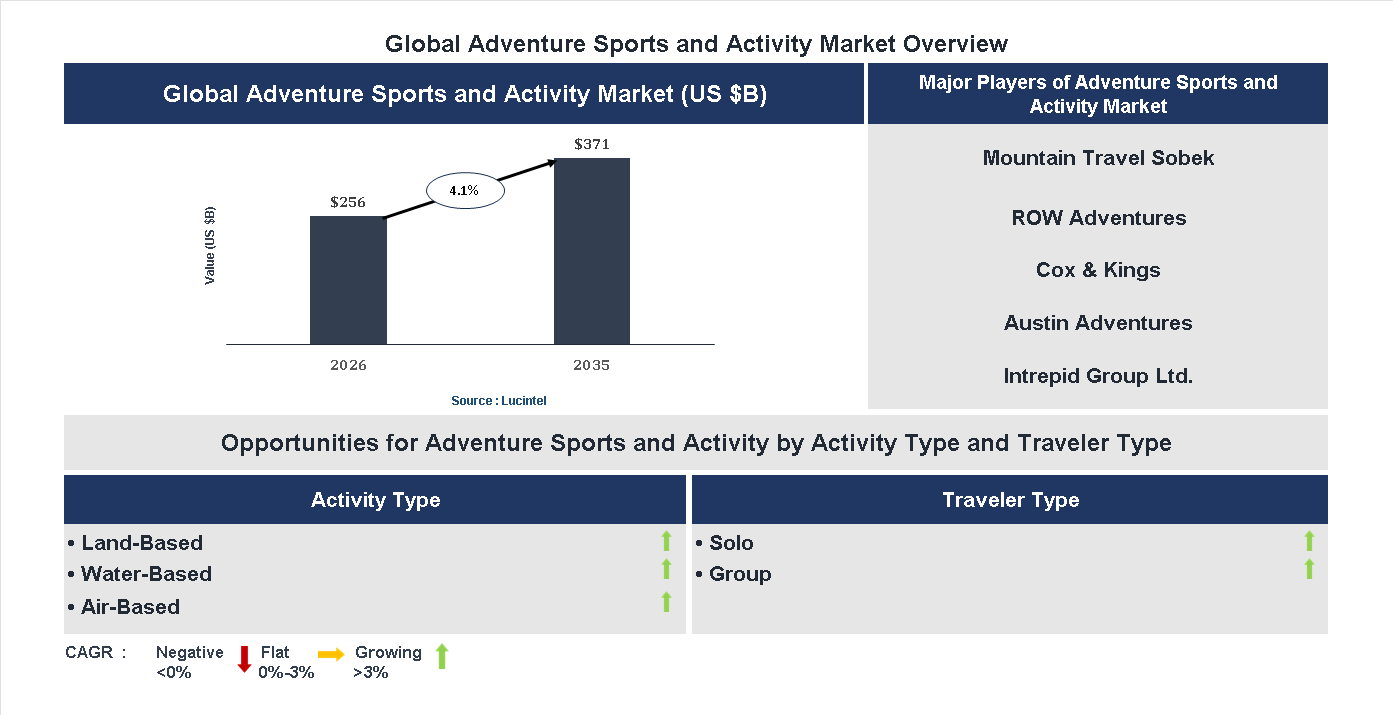
Key data points: The market size in 2035 = $371 billion, growth forecast = 4.1% annually for the next 8 years. Scroll below to get more insights. This market report covers trends, opportunities and forecasts in adventure sports and activity market to 2035 by activity type (land-based, water-based, and air-based), traveler type (solo and group), and region (North America, Europe, Asia Pacific, and the Rest of the World)
We'll send your sample report shortly.
• Lucintel forecasts that, within the traveler type category, group is expected to witness higher growth over the forecast period.
• Within the activity type category, land-based is expected to witness higher growth.
• In terms of region, APAC is expected to witness the highest growth over the forecast period. Gain valuable insights for your business decisions with our comprehensive 150+ page report. Sample figures with some insights are shown below.
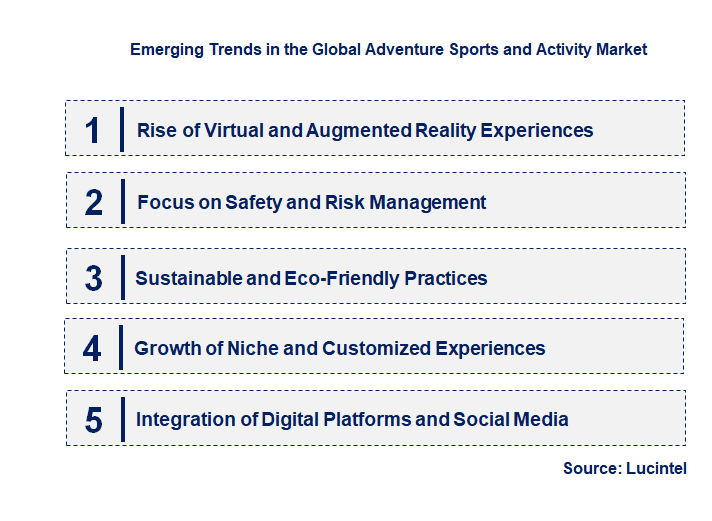
• Rise of Virtual and Augmented Reality Experiences: The integration of VR and AR technologies is revolutionizing adventure sports by offering immersive simulations that allow users to experience activities like skydiving or mountain climbing virtually. This trend broadens access to adventure experiences, especially for those unable to participate physically due to health or geographic constraints. It also serves as a marketing tool, attracting new customers and enhancing engagement. As technology advances, these virtual experiences are becoming more realistic and accessible, creating new revenue streams and expanding the market’s reach.
• Focus on Safety and Risk Management: With increasing participation, safety has become a top priority in adventure sports. Innovations in safety gear, real-time monitoring devices, and comprehensive training programs are reducing risks associated with these activities. Enhanced safety measures boost consumer confidence and encourage more participation, especially among beginners. Industry players are investing heavily in safety protocols and certifications to differentiate themselves and build trust. This trend is vital for sustainable growth, ensuring that adventure sports remain appealing and accessible while minimizing accidents and liabilities.
• Sustainable and Eco-Friendly Practices: Environmental concerns are prompting the industry to adopt sustainable practices, such as eco-friendly equipment, waste reduction, and conservation initiatives. Adventure operators are emphasizing responsible tourism to protect natural landscapes and promote eco-awareness among participants. This shift appeals to environmentally conscious consumers and aligns with global sustainability goals. Implementing green practices not only enhances brand reputation but also ensures the longevity of natural sites vital for adventure activities. As sustainability becomes a market differentiator, it is reshaping operational strategies across the industry.
• Growth of Niche and Customized Experiences: Consumers are seeking personalized adventure experiences tailored to their preferences and skill levels. Operators are offering niche activities like ice climbing, caving, or multi-day expeditions, often customized to individual or group needs. This trend caters to a diverse customer base, including high-net-worth individuals and adventure enthusiasts looking for unique challenges. The rise of boutique adventure companies and bespoke packages is driving market segmentation and premium pricing. Customization enhances customer satisfaction and loyalty, fostering a more diverse and resilient market landscape.
• Integration of Digital Platforms and Social Media: Digital platforms are playing a crucial role in marketing, booking, and community building within the adventure sports market. Social media influencers and user-generated content are significantly influencing consumer choices and inspiring new participants. Online booking systems and mobile apps streamline the customer experience, making it easier to discover and participate in activities. Additionally, digital reviews and testimonials build trust and credibility. This trend accelerates market penetration, enhances customer engagement, and fosters a vibrant community of adventure enthusiasts, ultimately fueling industry growth and innovation. These trends are collectively transforming the adventure sports and activity market by making experiences more immersive, safe, sustainable, personalized, and digitally connected. They are expanding market accessibility, boosting consumer confidence, and fostering innovation, which will likely lead to sustained growth and diversification in the industry.
• Expansion of Eco-Friendly Adventure Activities: The market is witnessing a surge in eco-conscious adventure options like sustainable trekking, wildlife safaris, and eco-resorts, appealing to environmentally aware consumers. This shift promotes responsible tourism, reduces environmental impact, and attracts a broader customer base. Companies investing in eco-friendly initiatives are gaining competitive advantage, fostering brand loyalty, and opening new revenue streams in niche markets.
• Integration of Virtual and Augmented Reality: Virtual and augmented reality technologies are transforming the adventure experience by offering immersive simulations for activities like mountain climbing, scuba diving, and skydiving. This innovation enhances customer engagement, allows risk-free trial experiences, and broadens access to adventure sports. Businesses adopting these technologies can differentiate themselves, increase customer satisfaction, and expand their reach to remote or hesitant participants.
• Development of Customized Adventure Packages: Personalized adventure packages tailored to individual preferences, skill levels, and budgets are gaining popularity. This approach improves customer satisfaction, encourages repeat business, and enables operators to target niche markets such as family adventures, corporate team-building, or luxury expeditions. Customization also allows for flexible pricing strategies, boosting profitability and market penetration.
• Expansion into Emerging Markets: Emerging economies in Asia, Africa, and Latin America present untapped opportunities for adventure tourism growth. Increasing disposable incomes, urbanization, and a growing middle class are driving demand for adventure activities. Market players expanding into these regions can capitalize on local tourism infrastructure, develop new adventure destinations, and establish early market dominance, resulting in significant revenue growth and brand recognition.
• Emphasis on Safety and Certification Standards: Enhanced safety protocols, certifications, and training programs are becoming critical in building consumer trust and reducing risks. Implementing strict safety standards attracts safety-conscious travelers and mitigates liability. Certification bodies and industry associations are setting benchmarks, which improve overall service quality, foster industry credibility, and facilitate regulatory compliance, ultimately boosting consumer confidence and market stability. These developments are significantly transforming the adventure sports and activity market by fostering innovation, expanding geographic reach, and emphasizing safety and sustainability. The sector is becoming more inclusive, technologically advanced, and environmentally responsible, which attracts a broader customer base. As a result, market growth is accelerating, creating diverse opportunities for stakeholders and ensuring long-term sustainability and profitability in the evolving adventure tourism landscape.
• Expansion Into Emerging Markets: Adventure sports companies are increasingly targeting emerging economies with rising disposable incomes and growing interest in outdoor activities. Countries in Asia, Africa, and Latin America present significant opportunities for market penetration through localized offerings, infrastructure development, and strategic partnerships. This expansion allows brands to diversify revenue streams, build brand loyalty early, and establish a competitive presence in regions with untapped potential, fostering long-term growth.
• Development of Virtual and Augmented Reality Experiences: Integrating VR and AR technologies into adventure activities offers immersive experiences that attract tech-savvy consumers. Virtual simulations of extreme sports like skydiving, mountain biking, or rafting enable safe, cost-effective, and accessible thrill experiences. This innovation broadens the market by appealing to a wider audience, including those hesitant to participate physically. It also opens avenues for remote training, marketing, and enhanced customer engagement, driving overall industry growth.
• Focus on Safety and Certification Standards: As safety concerns remain paramount, companies investing in advanced safety equipment, training, and certification programs can differentiate themselves. Establishing strict safety protocols and obtaining recognized certifications build consumer trust and reduce liability risks. Enhanced safety standards also enable market expansion into corporate and institutional sectors, such as team-building exercises and adventure tourism, by assuring clients of secure and reliable experiences.
• Integration of Eco-Friendly and Sustainable Practices: Consumers increasingly prefer eco-conscious adventure options, prompting companies to adopt sustainable practices. Using eco-friendly equipment, promoting responsible tourism, and conserving natural environments appeal to environmentally aware customers. This focus not only enhances brand reputation but also ensures compliance with regulations. Sustainable initiatives can include eco-tourism packages, conservation partnerships, and green certifications, fostering long-term industry viability and attracting a broader customer base.
• Customization and Personalization of Adventure Packages: Tailoring experiences to individual preferences enhances customer satisfaction and loyalty. Companies offering personalized adventure packages—based on skill level, risk appetite, and interests—can differentiate themselves in a competitive market. Utilizing data analytics and customer feedback allows for bespoke experiences, from beginner-friendly excursions to extreme challenges. This approach increases repeat business, attracts niche markets, and supports premium pricing strategies, fueling overall market growth. These strategic growth opportunities are poised to significantly influence the adventure sports and activity market by expanding geographic reach, enhancing technological integration, prioritizing safety, embracing sustainability, and personalizing experiences. Collectively, they foster innovation, build consumer trust, and open new revenue streams. As companies capitalize on these trends, the industry is expected to experience sustained growth, increased competitiveness, and broader consumer engagement, ensuring a vibrant future for adventure sports worldwide.
• Technological Advancements: The integration of innovative equipment, safety gear, and digital platforms has revolutionized the adventure sports industry. Enhanced safety measures, such as improved harnesses, helmets, and monitoring devices, increase participant confidence and reduce risks. Virtual reality and augmented reality technologies are also providing immersive training and promotional experiences, attracting a broader audience. These advancements lower barriers to entry, improve safety standards, and enable companies to offer more diverse and engaging activities, thereby fueling market growth.
• Rising Disposable Incomes and Tourism: Increasing disposable incomes, especially in emerging economies, enable more consumers to participate in adventure activities. The growth of experiential and adventure tourism is driven by travelers seeking unique, adrenaline-pumping experiences. Countries investing in tourism infrastructure and marketing attract adventure enthusiasts worldwide. This economic upliftment results in higher spending on adventure sports, expanding the customer base and encouraging new service offerings, which collectively boost market expansion.
• Growing Health and Wellness Trends: The global shift towards health-conscious lifestyles has significantly impacted the adventure sports market. Activities like rock climbing, mountain biking, and water sports are perceived as effective ways to improve physical fitness and mental well-being. The popularity of outdoor activities as part of wellness routines encourages more participation, especially among urban populations seeking escape from routine stress. This trend supports the development of specialized adventure programs and facilities, further driving market growth.
• Environmental Awareness and Sustainability Initiatives: Increasing awareness about environmental conservation influences the adventure sports industry. Companies are adopting eco-friendly practices, such as sustainable equipment and responsible tourism policies, to appeal to environmentally conscious consumers. Governments and organizations promote eco-tourism, which encourages adventure activities that minimize ecological footprints. These initiatives not only enhance brand reputation but also open new markets focused on sustainable adventure tourism, contributing to long-term industry growth.
• Digital Marketing and Social Media Influence: The proliferation of social media platforms and digital marketing strategies has transformed how adventure sports companies reach potential customers. Sharing engaging content, adventure videos, and customer testimonials attracts a global audience. Influencer marketing and online booking platforms simplify access and increase participation rates. This digital shift enables companies to target niche markets, customize offerings, and build vibrant communities around adventure activities, significantly expanding market reach and consumer engagement. The challenges facing the adventure sports and activity market include:
• Safety Concerns and Risk Management: Despite technological improvements, safety remains a primary concern for participants and providers. Accidents and injuries can lead to reputational damage, legal liabilities, and increased insurance costs. Ensuring consistent safety standards across diverse activities and locations is complex, especially in remote or less regulated regions. The fear of accidents can deter potential customers, and companies must invest heavily in training, safety equipment, and emergency response systems to mitigate these risks, impacting profitability and growth.
• Environmental Impact and Sustainability Issues: Adventure sports often involve activities in sensitive ecosystems, risking environmental degradation. Overcrowding, waste generation, and habitat disruption threaten biodiversity and natural resources. Regulatory bodies are increasingly imposing restrictions and environmental compliance requirements, which can limit operational flexibility. Companies must balance growth with sustainability, often incurring additional costs for eco-friendly infrastructure and practices, which can challenge profitability and scalability.
• Regulatory and Legal Challenges: The adventure sports industry faces a complex web of regulations related to safety standards, licensing, insurance, and environmental protection. Variations across regions create compliance challenges for operators expanding internationally. Legal liabilities from accidents or environmental violations can lead to costly litigation and operational restrictions. Navigating these regulatory landscapes requires significant expertise and resources, potentially slowing down market expansion and increasing operational costs. The adventure sports and activity market is driven by technological innovations, economic growth, health trends, sustainability efforts, and digital marketing. However, safety concerns, environmental impacts, and regulatory complexities pose substantial challenges. These factors collectively influence the market’s trajectory, requiring stakeholders to innovate responsibly, prioritize safety, and adapt to evolving regulations. While opportunities for growth are significant, addressing these challenges is crucial for sustainable development and long-term success in the industry.
• Mountain Travel Sobek
• ROW Adventures
• Cox & Kings
• Austin Adventures
• Intrepid Group Ltd.
• G Adventures
• Lindblad Expeditions
• TUI Group
• Butterfield and Robinson Inc.
• Recreational Equipment
• Land-Based
• Water-Based
• Air-Based
• Solo
• Group
• North America
• Europe
• Asia Pacific
• The Rest of the World
• United States: The US market has seen a surge in adventure tourism, with increased popularity of activities like rock climbing, mountain biking, and zip-lining. Major outdoor brands are expanding their product lines, and safety standards are continuously improving. Digital platforms now facilitate booking and virtual training, enhancing accessibility for enthusiasts nationwide. The government is also promoting eco-tourism initiatives to preserve natural sites and attract adventure travelers.
• China: China’s adventure sports market is rapidly growing, supported by government policies encouraging outdoor activities and infrastructure development. Popular activities include hiking, skiing, and water sports, especially in scenic regions like Yunnan and Tibet. The rise of domestic travel has boosted local adventure tourism, with investments in adventure parks and training centers. Digital integration through apps and social media has further expanded consumer engagement and participation.
• Germany: Germany is focusing on sustainable adventure tourism, emphasizing eco-friendly practices and safety. The country has developed extensive trail networks for hiking and cycling, attracting both locals and tourists. Innovation in equipment and safety gear is prominent, along with increased participation in winter sports. The government promotes outdoor activities through campaigns and subsidies, fostering a culture of adventure sports that balances thrill with environmental responsibility.
• India: The Indian adventure sports market is witnessing rapid expansion, driven by a young population and increasing disposable incomes. Popular activities include trekking, river rafting, and paragliding, especially in Himachal Pradesh, Uttarakhand, and the Northeast. Government initiatives like the National Adventure Foundation are promoting infrastructure development and safety standards. The rise of adventure festivals and digital marketing has further boosted domestic and international interest.
• Japan: Japan’s adventure sports sector is evolving with a focus on mountain climbing, skiing, and water sports, leveraging its diverse natural landscapes. The country emphasizes safety and innovation, with advanced gear and training programs. Urban adventure activities like parkour and indoor climbing gyms are gaining popularity among youth. Additionally, eco-tourism and sustainable practices are being integrated into adventure tourism, aligning with Japan’s environmental commitments.


• Mountain Travel Sobek
• ROW Adventures
• Cox & Kings
• Austin Adventures
• Intrepid Group Ltd.
• G Adventures
• Lindblad Expeditions
• TUI Group
• Butterfield and Robinson Inc.
• Recreational Equipment Q6. Which adventure sports and activity market segment will be the largest in future? Answer: Lucintel forecasts that, within the traveler type category, group is expected to witness higher growth over the forecast period. Q7. In adventure sports and activity market, which region is expected to be the largest in next 5 years? Answer: In terms of region, APAC is expected to witness the highest growth over the forecast period. Q8. Do we receive customization in this report? Answer: Yes, Lucintel provides 10% customization without any additional cost.


Choose a license that fits your team. Instant PDF delivery.
Prices exclude taxes. Instant delivery. Custom licensing available on request.
Market Report · July 22, 2026
Market Report · July 16, 2026
Market Report · May 18, 2026
Trusted partner for strategic intelligence and business growth


Receive a complimentary market analysis tailored to your industry. Our analysts will identify key growth opportunities and competitive dynamics specific to your business.

Market size, growth rate, and key trend analysis for your specific sector.

Top competitor positioning and market share analysis.

Strategic recommendations backed by data-driven insights.
Get curated market intelligence and competitive moves straight to your inbox.
By subscribing, you agree to receive our monthly insights. Unsubscribe anytime.
Receive a complimentary market analysis tailored to your industry. Our analysts will identify key growth opportunities and competitive dynamics specific to your business.
Market size, growth rate, and key trend analysis for your specific sector.
Top competitor positioning and market share analysis.
Strategic recommendations backed by data-driven insights.
Get curated market intelligence, emerging trends, and competitive moves straight to your inbox each month.
By subscribing, you agree to receive our monthly insights. Unsubscribe anytime.
We'll send your sample report shortly.