Acoustic Camera in Spain Trends and Forecast
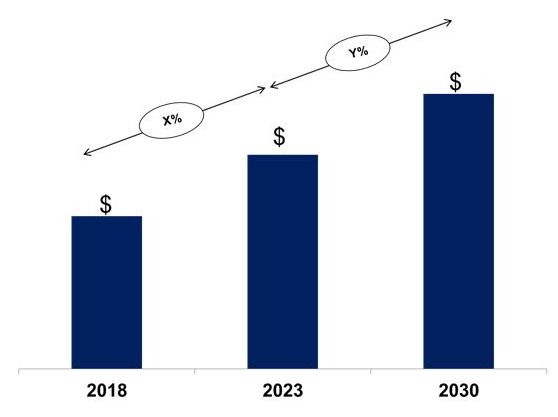
The future of the acoustic camera market in Spain looks promising with opportunities in the infrastructure, automotive, industrial, electronics & appliance, and aerospace markets. The global acoustic camera market is expected to reach an estimated $346.5 million by 2031 with a CAGR of 7.8% from 2025 to 2031. The acoustic camera market in Spain is also forecasted to witness strong growth over the forecast period. The major drivers for this market are the growing trend of automating diverse industrial operations, extensive integration of acoustic cameras into cutting-edge non-destructive testing (NDT) equipment, and increasing public awareness about noise pollution, coupled with the enforcement of supportive government regulations.
• Lucintel forecasts that, within the measurement type category, far-field acoustic cameras will remain the higher growing segment over the forecast period because of their growing requirement at manufacturing plant sites and in aerospace and defense industries as it is opted for imaging the physical quantities distant from their source.
• Within the end use industry category, automotive will remain the largest segment over the forecast period due to the increasing adoption of electric vehicles and autonomous cars, as well as, the growing demand for acoustic cameras in automotive for buzz, squeak, and rattle (BSR) concerns in vehicles and production procedures.
Emerging Trends in the Acoustic Camera Market in Spain
The market for acoustic cameras in Spain is rapidly growing due to increased focus on controlling noise pollution, ensuring the safety of industries, and promoting environmental sustainability. With its industrial base and the growing rate of urbanization, Spain has seen a rise in the demand for noise level monitoring and management technologies. Since their invention, acoustic cameras have become an integral part of the transportation, urban planning, and manufacturing sectors. As Spain works to address noise pollution, new trends are reshaping the market and opening opportunities for growth in the coming years.
• Integration with Smart Cities: Spain is investing heavily in smart cities, and the integration of acoustic cameras into urban infrastructure has become a key trend. Acoustic cameras are used to monitor and control noise pollution, especially in densely populated areas. These systems enable local governments to identify and address noise sources, improving the quality of life in urban spaces. As smart city initiatives gain momentum, the use of acoustic cameras will increase, helping authorities make informed decisions on noise reduction strategies and making cities more sustainable.
• Advancements in AI and IoT Integration: Acoustic cameras in Spain are increasingly integrating AI and IoT technologies, allowing for more accurate data capture, real-time monitoring, and automated responses to noise pollution. AI helps analyze the acoustic data captured, identifying patterns and potential noise issues in advance, while IoT enables communication between cameras and other systems for better control. This integration enhances decision-making quality and makes noise management solutions more effective for various industries.
• Compliance with Stricter Industrial Noise Regulations: Compliance with stricter industrial noise regulations is a significant factor driving the adoption of acoustic camera technology in Spain. The manufacturing, construction, and energy sectors must adhere to noise emission standards to avoid fines and safeguard employees. Acoustic cameras are deployed to monitor and manage noise in real time, ensuring compliance. As regulations continue to tighten, the demand for noise monitoring technologies, such as acoustic cameras, will increase, especially in industrial environments.
• Transportation Sector Noise Control: The transportation sector in Spain is another key area where acoustic cameras are increasingly being used. As noise pollution from roads, railways, and airports continues to grow, acoustic cameras are helping authorities monitor noise levels and take corrective actions. These cameras enable the identification of high-noise areas at transport hubs or along transport routes. Authorities can then take measures, such as erecting sound barriers or optimizing routes, to reduce noise pollution near residential areas, improving the quality of life for citizens living near transport infrastructure.
• Mitigating the Environmental Impact: In Spain, there is an ever-growing focus on sustainability and reducing environmental impact, compelling industries to find solutions to diminish noise pollution. Acoustic cameras are becoming essential tools for environmental monitoring, helping industries reduce their noise footprint. By providing real-time data on noise levels, these cameras allow companies to identify and address noise-related environmental issues quickly. As Spain moves toward greener technologies and regulations, the demand for acoustic cameras will rise, particularly in high-noise sectors such as manufacturing, energy, and construction.
Major drivers of the Spanish acoustic camera market include the integration of smart cities, advancements in AI and IoT, compliance with industrial noise regulations, transportation sector noise control, and environmental impact mitigation. These trends are leading to the adoption of acoustic cameras by industries and local governments for monitoring, controlling, and mitigating noise pollution. As Spain moves forward with its sustainability and urban development agenda, these trends will further drive the growth of the acoustic camera market, positioning it as a necessary tool for managing environmental challenges.
Recent Developments in the Acoustic Camera Market in Spain
The acoustic camera market in Spain is evolving, with several recent developments signaling significant changes in how noise pollution is monitored and managed. From advancements in technology to increased regulatory pressures, these developments highlight the growing demand for precise and efficient noise management solutions. The integration of new technologies, such as AI and IoT, and the expanding use of acoustic cameras across various industries and urban areas demonstrate the increasing importance of this technology in Spain’s efforts to mitigate noise pollution and promote environmental sustainability.
• Introduction of High-Resolution Acoustic Cameras: With increasing demand, Spain has seen the emergence of high-resolution acoustic cameras capable of precisely locating sound sources. These advancements enhance the accuracy of noise mapping and pinpoint noise hotspots, enabling mitigation efforts to target the correct areas. Such cameras are especially useful in noisy urban areas, industrial sites, and transportation stations, where noise pollution is a serious issue. This innovation is helping both municipalities and industries better understand and control noise emissions.
• Acoustic Cameras in Smart Cities: The use of acoustic cameras in Spain’s smart city initiatives is growing rapidly. These systems are integrated into urban infrastructure, providing real-time monitoring of noise pollution across residential and commercial areas. Smart sensors connected to acoustic cameras enable local authorities to make data-driven decisions, such as optimizing traffic flow or improving urban planning to reduce noise levels. As Spain continues to expand its smart city projects, acoustic cameras will play an increasingly important role in managing urban noise and improving the overall living environment.
• Adoption by the Industrial Sector for Noise Monitoring: As regulatory standards become more stringent, the use of acoustic cameras for noise monitoring is becoming prevalent in Spain’s industrial sector. With increased focus on noise pollution regulations, industries are now compelled to monitor emissions in real-time with the help of acoustic cameras, enabling them to react immediately when noise levels exceed acceptable limits. In addition to ensuring compliance, this adoption enhances worker safety and improves operational efficiency. This trend will continue as regulations tighten across various industrial sectors.
• Application in Transport Sector Noise Mitigation: Acoustic cameras are increasingly being used in Spain’s transport sector to handle noise pollution arising from roads, railways, and airports. These cameras monitor noise levels along transportation corridors and within transport stations. The technology helps identify areas where noise reduction measures, such as sound barriers or route adjustments, are needed. By providing accurate noise data, acoustic cameras contribute to more effective noise control strategies and improve the quality of life for residents near transportation infrastructure.
• Government-Driven Initiatives for Environmental Noise Control: Government initiatives aimed at reducing environmental noise pollution in Spain have led to the implementation of acoustic cameras as a key component in these efforts. The government’s drive to control noise levels in urban and industrial regions has created a high demand for acoustic camera technology. These systems allow authorities to monitor noise compliance and implement effective strategies to combat noise pollution. Government support and regulatory enforcement are accelerating the market growth for acoustic cameras, positioning them as essential tools in environmental management.
Recent developments in the acoustic camera market in Spain reflect an increasing reliance on this technology for monitoring and managing noise pollution. From high-resolution cameras and smart city integration to industrial adoption and government initiatives, the market is seeing significant growth. These developments will help address urban noise problems, ensure compliance with regulations, and promote sustainability in Spain. Acoustic cameras will play a prominent role in shaping Spain’s future noise control plans as the demand for noise management solutions continues to grow.
Strategic Growth Opportunities for Acoustic Camera Market in Spain
Increased urbanization, environmental concerns, and high-tech development opportunities in Spain have created impressive growth prospects for Spain’s acoustic camera market. Noise is now an even greater issue, and acoustic cameras address the challenge of noise management in industrial and urban landscapes. Several prominent applications are already emerging. These benefits will be translated into noise monitoring systems, smart urban planning, and compliance with regulatory requirements, further contributing to the deployment of acoustic cameras.
• Noise Management in a Smart City: Spain presents an excellent opportunity for smart city initiatives. Urban noise pollution becomes more acute as cities modernize. Acoustic cameras have been integrated into smart city infrastructure to monitor continuous noise levels, allowing authorities to take real-time action. With real-time data from such cameras, optimum traffic flows can be optimized, and alterations in urban design and noise control measures can be made. Industrial noise regulation compliance will be critical in Spain as it expands its smart city projects. Stricter noise regulations in Spain’s industrial sectors, including manufacturing, construction, and energy, present an opportunity for the widespread adoption of acoustic cameras. Companies must adhere to noise emission standards to avoid penalties and safeguard employee health. Acoustic cameras enable real-time noise monitoring, allowing industries to identify noise sources and implement corrective actions immediately. This technique helps industries meet regulatory compliance while fostering a safer and more efficient working environment, making it important for Spain’s industrial noise control planning.
• Transportation Sector Control of Noise: Transportation is a major source of noise in Spain, particularly across roads, tracks, and nearby airports. Acoustic cameras provide opportunities to monitor traffic noise along transportation routes, which can be assessed and managed concerning noise levels near transportation hubs. By identifying high-noise areas, local authorities and transportation companies can implement noise-reduction strategies, such as sound barriers and improved traffic management. The use of acoustic cameras in the transportation sector can significantly improve public health by reducing the adverse effects of noise pollution, benefiting both residents and workers.
• Environmental Monitoring and Sustainability: With an increasing focus on environmental sustainability in Spain, acoustic cameras are becoming essential tools for noise pollution monitoring. By capturing real-time data on sound levels, these cameras help industries, municipalities, and environmental agencies mitigate noise pollution and minimize its impact on ecosystems and human health. The push for greener technologies and regulations surrounding environmental noise reduction presents an opportunity for acoustic cameras to play a vital role in improving Spain’s overall environmental footprint.
• Real-Time Construction Noise Monitoring: The construction industry in Spain is another sector where acoustic cameras can offer significant growth opportunities. Construction sites are notorious for high noise levels, which can disrupt surrounding communities. Acoustic cameras provide real-time monitoring of noise emissions, ensuring compliance with local noise regulations. They can also help construction companies manage their noise footprint, avoid complaints, and maintain better relations with local residents. This is particularly relevant in urban areas, where construction is often concentrated, and noise pollution can have significant impacts on quality of life.
The acoustic camera market in Spain is experiencing growth driven by key opportunities across various applications, such as smart city noise management, industrial noise regulation compliance, transportation sector noise control, environmental monitoring, and construction noise management. These applications not only address noise pollution but also contribute to more sustainable urban and industrial practices. As these growth opportunities unfold, acoustic cameras will become increasingly important in helping Spain manage its noise pollution challenges and comply with stringent regulations, positioning the technology as an essential part of the country’s future noise management strategy.
Acoustic Camera Market in Spain Driver and Challenges
Technological, economic, and regulatory factors will influence Spain’s acoustic camera market. Due to the development of urban settlements, industrialization, and concerns for environmental protection, these driving forces and challenges shape the acoustic camera market. The factors that drive it include technological improvement and government policies, while others, such as high initial investment and standardized regulatory requirements, must be overcome to support further growth and expansion in the market.
The factors responsible for driving the acoustic cameras market in Spain include:
• Technological Advancements in Acoustic Imaging: Advancements in acoustic imaging technology are significant drivers for the acoustic camera market in Spain. Enhanced image resolution, improved real-time data processing, and better integration with other smart technologies, such as IoT and AI, make acoustic cameras more efficient and accurate. These innovations allow for more detailed sound mapping and precise identification of noise sources. As technology continues to improve, the capabilities of acoustic cameras will increase, making them even more valuable for applications in smart cities, industrial monitoring, and environmental protection.
• Government Regulations on Noise Pollution: Stricter government regulations on noise pollution in Spain are driving the adoption of acoustic cameras. As Spain works to meet European Union noise regulation standards, industries and municipalities are required to monitor and control noise emissions. Acoustic cameras offer an efficient and accurate means of measuring noise levels in real time, ensuring compliance with these regulations. As the government continues to enforce noise control measures, the demand for acoustic cameras will grow, offering a market opportunity for businesses involved in noise monitoring and management.
• Increased Awareness of Environmental and Health Impacts: The growing awareness of the environmental and health impacts of noise pollution is another key driver for the acoustic camera market. Excessive noise is linked to a range of health issues, including stress, hearing loss, and sleep disturbances. As Spain increasingly prioritizes sustainability and public health, the need for effective noise management solutions becomes more urgent. Acoustic cameras provide the necessary tools to monitor and mitigate noise pollution, helping Spain address both environmental concerns and public health issues, ultimately supporting a healthier and more sustainable living environment.
• Integration with Smart City Initiatives: The rise of smart cities in Spain is driving the demand for integrated noise monitoring solutions, such as acoustic cameras. As part of broader smart city initiatives, Spain is incorporating advanced technologies to enhance urban living. Acoustic cameras, integrated with IoT sensors and AI systems, enable real-time monitoring of urban noise levels, helping local authorities make data-driven decisions to improve the quality of life for residents. This integration aligns with Spain’s goals for sustainable urbanization and energy-efficient city management, making acoustic cameras an essential part of the smart city ecosystem.
• Adoption of Sustainable Practices by Industry: In line with global sustainability trends, Spanish industries are adopting greener practices, including noise pollution reduction. Acoustic cameras are critical in helping industries comply with noise emission standards and monitor their environmental impact. With industries focusing on sustainability targets and reducing their carbon footprints, acoustic cameras are becoming key instruments to manage noise levels and ensure environmental regulation compliance. This increases the demand for acoustic cameras as more industries engage in sectors like manufacturing, construction, and transportation.
Challenges in the acoustic cameras market in Spain are:
• Acoustic Cameras Have a High Initial Price: One of the key challenges in the acoustic camera market in Spain is the high initial cost of acquiring and deploying these systems. While the technology offers significant long-term benefits, the upfront investment can be a barrier for smaller businesses and municipalities. The cost of high-quality acoustic cameras and their integration with other monitoring systems may deter potential buyers, particularly in industries with tight budgets. Addressing this challenge will require companies to offer cost-effective solutions, financing options, or subsidies to promote wider adoption.
• Lack of Standardized Regulations for Noise Pollution: Another challenge faced by the acoustic camera market in Spain is the lack of standardized regulations for noise pollution. While government regulations are becoming stricter, there is still a need for uniformity in the enforcement and measurement of noise standards across various regions and sectors. Without standardized guidelines, the effectiveness of noise management efforts can be hindered. Acoustic camera manufacturers and regulatory bodies will need to collaborate to establish clear and consistent noise measurement standards to drive more widespread adoption of the technology.
• Resistance to New Technology in Traditional Industries: Resistance to adopting new technologies in traditional industries, such as manufacturing and construction, is a challenge for the acoustic camera market in Spain. These industries may be reluctant to invest in acoustic cameras due to unfamiliarity with the technology or concerns about disrupting established processes. To overcome this resistance, there is a need for education, training, and demonstration projects that showcase the benefits of acoustic cameras in noise management. As industries see the value of these systems, adoption will likely increase.
The major drivers in the acoustic camera market in Spain, including technological advancements, government regulations, increased awareness of environmental impacts, integration with smart cities, and adoption of sustainable practices, are fueling market growth. However, challenges such as high initial costs, lack of standardized regulations, and resistance from traditional industries must be addressed. Overcoming these challenges will ensure that acoustic cameras become an integral part of Spain’s noise management strategies, contributing to a more sustainable and healthier environment.
List of Acoustic Camera Market in Spain Companies
Companies in the market compete on the basis of product quality offered. Major players in this market focus on expanding their manufacturing facilities, R&D investments, infrastructural development, and leverage integration opportunities across the value chain. Through these strategies, acoustic camera companies cater to increasing demand, ensure competitive effectiveness, develop innovative products & technologies, reduce production costs, and expand their customer base. Some of the acoustic camera companies profiled in this report include:
• Company 1
• Company 2
• Company 3
• Company 4
• Company 5
• Company 6
• Company 7
Acoustic Camera Market in Spain by Segment
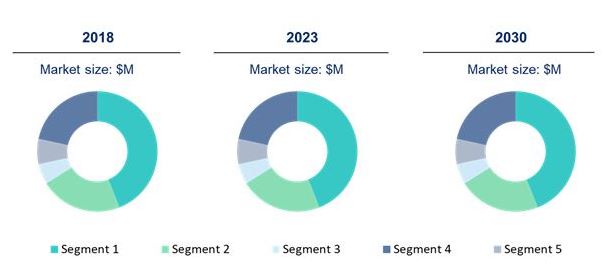
The study includes a forecast for the acoustic camera market in Spain by array type, measurement type, application, and end use industry.
Acoustic Camera Market in Spain by Array Type [Analysis by Value from 2019 to 2031]:
• 2D
• 3D
Acoustic Camera Market in Spain by Measurement Type [Analysis by Value from 2019 to 2031]:
• Far Field
• Near Field
Acoustic Camera Market in Spain by Application [Analysis by Value from 2019 to 2031]:
• Noise Source Detection
• Leak Detection
• Others
Acoustic Camera Market in Spain by End Use Industry [Analysis by Value from 2019 to 2031]:
• Infrastructure
• Automotive
• Industrial
• Electronics & Appliances
• Aerospace
• Others
Features of the Acoustic Camera Market in Spain
Market Size Estimates: Acoustic camera in Spain market size estimation in terms of value ($B).
Trend and Forecast Analysis: Market trends and forecasts by various segments.
Segmentation Analysis: Acoustic camera in Spain market size by array type, measurement type, application, and end use industry in terms of value ($B).
Growth Opportunities: Analysis of growth opportunities in different array type, measurement type, application, and end use industry for the acoustic camera in Spain.
Strategic Analysis: This includes M&A, new product development, and competitive landscape of the acoustic camera in Spain.
Analysis of competitive intensity of the industry based on Porter’s Five Forces model.
If you are looking to expand your business in this or adjacent markets, then contact us. We have done hundreds of strategic consulting projects in market entry, opportunity screening, due diligence, supply chain analysis, M & A, and more.
FAQ
Q.1 What are the major drivers influencing the growth of the acoustic camera market in Spain?
Answer: The major drivers for this market are growing trend of automating diverse industrial operations, extensive integration of acoustic cameras into cutting-edge non-destructive testing (NDT) equipment, and increasing public awareness about noise pollution, coupled with the enforcement of supportive government regulations .
Q2. What are the major segments for acoustic camera market in Spain?
Answer: The future of the acoustic camera market in Spain looks promising with opportunities in the infrastructure, automotive, industrial, electronics & appliance, and aerospace markets.
Q3. Which acoustic camera market segment in Spain will be the largest in future?
Answer: Lucintel forecasts that far-field acoustic cameras will remain the higher growing segment over the forecast period because of their growing requirement at manufacturing plant sites and in aerospace and defense industries as it is opted for imaging the physical quantities distant from their source.
Q4. Do we receive customization in this report?
Answer: Yes, Lucintel provides 10% customization without any additional cost.
This report answers following 10 key questions:
Q.1. What are some of the most promising, high-growth opportunities for the acoustic camera market in Spain by array type (2D and 3D), measurement type (far field and near field), application (noise source detection, leak detection, and others), and end use industry (infrastructure, automotive, industrial, electronics & appliances, aerospace, and others)?
Q.2. Which segments will grow at a faster pace and why?
Q.3. What are the key factors affecting market dynamics? What are the key challenges and business risks in this market?
Q.4. What are the business risks and competitive threats in this market?
Q.5. What are the emerging trends in this market and the reasons behind them?
Q.6. What are some of the changing demands of customers in the market?
Q.7. What are the new developments in the market? Which companies are leading these developments?
Q.8. Who are the major players in this market? What strategic initiatives are key players pursuing for business growth?
Q.9. What are some of the competing products in this market and how big of a threat do they pose for loss of market share by material or product substitution?
Q.10. What M&A activity has occurred in the last 5 years and what has its impact been on the industry?
For any questions related to Acoustic Camera Market in Spain, Acoustic Camera Market in Spain Size, Acoustic Camera Market in Spain Growth, Acoustic Camera Market in Spain Analysis, Acoustic Camera Market in Spain Report, Acoustic Camera Market in Spain Share, Acoustic Camera Market in Spain Trends, Acoustic Camera Market in Spain Forecast, Acoustic Camera Companies, write Lucintel analyst at email: helpdesk@lucintel.com. We will be glad to get back to you soon.