Close Lucintel Chat
Didn't Find What You're Looking for?
Call us at +1972 636 5056 or write at helpdesk@Lucintel.com
Ask an Expert Provide Custom Requirements Download Sample Report Search Available Reports
  • helpdesk@Lucintel.com
  • |
  • Call Lucintel +1 972 636 5056
  • |
  • Login
  • |
  • Register
  • |
  • Search
  • |
'
...

The Impact of COVID-19 is included in Acoustic Camera Market in South Korea. Buy it today to get an advantage.

Request the impact of COVID-19 on your product or industry


Acoustic Camera in South Korea Trends and Forecast

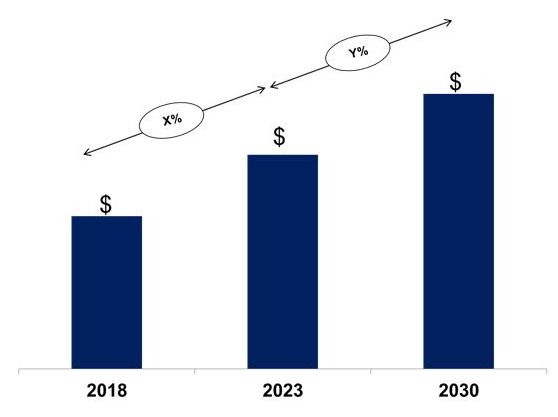
The future of the acoustic camera market in South Korea looks promising with opportunities in the infrastructure, automotive, industrial, electronics & appliance, and aerospace markets. The global acoustic camera market is expected to reach an estimated $346.5 million by 2031 with a CAGR of 7.8% from 2025 to 2031. The acoustic camera market in South Korea is also forecasted to witness strong growth over the forecast period. The major drivers for this market are the growing trend of automating diverse industrial operations, extensive integration of acoustic cameras into cutting-edge non-destructive testing (NDT) equipment, and increasing public awareness about noise pollution, coupled with the enforcement of supportive government regulations.

• Lucintel forecasts that, within the measurement type category, far-field acoustic cameras will remain the higher growing segment over the forecast period because of their growing requirement at manufacturing plant sites and in aerospace and defense industries as it is opted for imaging the physical quantities distant from their source.
• Within the end use industry category, automotive will remain the largest segment over the forecast period due to the increasing adoption of electric vehicles and autonomous cars, as well as, the growing demand for acoustic cameras in automotive for buzz, squeak, and rattle (BSR) concerns in vehicles and production procedures.

Acoustic Camera Market in South Korea Trends and Forecast

Emerging Trends in the Acoustic Camera Market in South Korea

South Korea’s acoustic camera market is undergoing rapid developments due to technological innovations and increased awareness about environmental noise management. With growing concerns over noise pollution and sustainability, industries in South Korea are increasingly turning to acoustic camera technology to monitor and control noise. Acoustic cameras are being utilized in various sectors, including manufacturing, transportation, and urban planning. These trends highlight the growing importance of noise monitoring solutions in the country’s efforts to create more sustainable and livable environments.

• Integration of Acoustic Cameras in Smart City Initiatives: South Korea’s smart city projects are driving the adoption of acoustic cameras for real-time noise monitoring. These cities aim to become more efficient and sustainable, with noise management being a critical aspect. Acoustic cameras provide real-time data on noise levels, enabling municipalities to identify problem areas and take corrective actions. By integrating acoustic cameras into smart city infrastructure, South Korea is setting an example of how advanced technology can enhance the quality of urban living while complying with environmental standards.
• Use of Acoustic Cameras in Automotive Manufacturing: South Korea’s automotive industry, one of the largest in the world, is increasingly utilizing acoustic cameras to improve production quality. Acoustic cameras are used to detect defects and anomalies in-vehicle components during manufacturing, particularly in engines and exhaust systems. By identifying noise irregularities, manufacturers can pinpoint potential issues early, reducing the risk of defects and improving product quality. This application is pivotal in enhancing the competitiveness of South Korean automotive manufacturers, ensuring high production standards and efficiency.
• Noise Control in Transportation Infrastructure: With South Korea’s growing transportation networks, including highways, railways, and airports, noise pollution is becoming a key concern. Acoustic cameras are used to monitor noise emissions from transportation infrastructure. They allow authorities to identify sources of excessive noise and implement noise reduction measures such as sound barriers or route optimization. This technology is crucial for maintaining public health standards while ensuring the efficient operation of transportation systems, especially in urban areas where the noise impact is most significant.
• Environmental Compliance in Heavy Industries: South Korea has a robust industrial sector, including shipbuilding, petrochemicals, and steel manufacturing, where noise pollution is a major concern. Acoustic cameras are now employed to ensure compliance with noise regulations in these industries. By providing detailed noise maps, acoustic cameras help businesses identify and address areas where noise emissions exceed permissible limits. This trend is driven not only by regulatory pressures but also by a growing recognition of the importance of reducing environmental impact and improving the health and safety of workers and nearby communities.
• Advancements in Acoustic Camera Technology for Precision Monitoring: As technology advances, the precision and capabilities of acoustic cameras in South Korea are improving. The latest models offer higher resolution, enhanced data analytics, and integration with other monitoring systems such as IoT devices. This allows for more accurate noise mapping and better decision-making. With increased precision, businesses and municipalities can pinpoint noise sources more effectively and implement targeted solutions. These technological advancements are enabling more efficient and effective use of acoustic cameras across various applications in South Korea, driving market growth.

The South Korean market for Acoustic Cameras is transforming, driven by emerging trends such as noise monitoring in smart cities, advancements in automotive manufacturing quality control, noise management in transportation, environmental compliance in heavy industries, and technological innovations in acoustic imaging. These developments not only enhance operational efficiencies but also address growing concerns about noise pollution and sustainability. As these trends continue to evolve, acoustic cameras will play an increasingly important role in promoting environmentally conscious and technologically advanced industries in South Korea.

Recent Developments in the Acoustic Camera Market in South Korea

Recent developments in South Korea’s acoustic camera market reflect significant advancements in noise monitoring technology and its growing adoption across multiple sectors. Key developments focus on precision improvements, expansion into smart city applications, and progress in managing industrial and environmental noise. Acoustic cameras in South Korea are increasingly being incorporated into IoT equipment and AI platforms to increase their functionality for meeting environmental requirements and improving operational productivity. These are key drivers of the market, establishing South Korea at the forefront of noise monitoring technologies.

• Integration with Smart City Infrastructure: South Korea’s investment in smart city projects is a critical development driving the adoption of acoustic cameras. By integrating these cameras into smart city systems, municipalities can monitor noise pollution in real time and respond quickly to environmental issues. This integration is crucial for improving urban quality of life, reducing noise-related health issues, and meeting government regulations. As smart cities grow, the demand for effective noise monitoring solutions like acoustic cameras will continue to expand, positioning the technology as a key component in urban sustainability efforts.
• Acoustic Camera Use in Industrial Compliance and Efficiency: In response to stricter environmental regulations, South Korea’s heavy industries, including petrochemical and steel sectors, are adopting acoustic cameras for compliance and efficiency. These cameras help monitor noise pollution levels and ensure that businesses meet the required environmental standards. By identifying noise sources in real-time, companies can take prompt action to mitigate impacts, improving regulatory compliance and reducing the risk of penalties. Additionally, this approach helps enhance operational efficiency by minimizing the need for costly remedial measures in the future.
• Deployment in Automotive Manufacturing for Quality Control: The adoption of acoustic cameras in South Korea’s automotive manufacturing industry is transforming production quality control. Acoustic cameras are used to detect unusual sounds and vibrations in vehicle parts, such as engines and exhaust systems, to identify defects early in the production process. This has led to improved product quality, fewer recalls, and a more efficient production line. With this technology, manufacturers can quickly identify problem areas, preventing defective products from reaching the market and maintaining South Korea’s reputation for high-quality vehicles.
• Noise Management in Transportation Infrastructure: As South Korea’s transportation infrastructure grows, acoustic cameras are being deployed to monitor noise levels from roadways, railways, and airports. These cameras help authorities pinpoint noise hotspots and take corrective actions to reduce noise pollution. This technology plays a crucial role in maintaining public health and ensuring that transportation systems meet noise pollution standards. By enhancing noise monitoring in transportation sectors, South Korea can improve urban living conditions while maintaining the efficiency of its transportation infrastructure.
• Advancements in Acoustic Camera Precision and Integration: The latest acoustic camera models in South Korea offer improved precision, higher resolution, and enhanced data analytics capabilities. These advancements allow for more detailed and accurate noise mapping, helping businesses and municipalities better understand noise pollution dynamics. The integration of acoustic cameras with IoT systems and artificial intelligence enhances their functionality, enabling real-time analysis and smarter decision-making. These innovations are expanding the utility of acoustic cameras across industries, from urban planning to manufacturing, further driving their adoption.

The recent developments in the acoustic camera market in South Korea underscore the growing integration of noise monitoring technologies across industries. With advancements in precision, expanded applications in smart cities and transportation, and a strong push for environmental compliance, the market is positioning itself for further growth. These developments contribute to a more sustainable and efficient South Korea, while highlighting the increasing role of acoustic cameras in improving the quality of life and industrial performance in the country.

Strategic Growth Opportunities for Acoustic Camera Market in South Korea

The South Korean acoustic camera market is set to experience high growth, driven by technological advancements and increasing demand for noise pollution control. With growing industrialization and urbanization, the need for noise management is increasing across various industries. Acoustic cameras are emerging as a prominent tool for sound source detection and localization in real time. Strategic growth opportunities exist in numerous applications, including urban planning, industrial monitoring, and transportation systems. These opportunities will drive the future of the market as this advanced technology becomes more widely used.

• Smart City Integration: South Korea has placed significant emphasis on smart cities, and several urban areas have integrated new technologies to increase sustainability and livability. Acoustic cameras are being incorporated into smart city infrastructure to monitor and control noise pollution, making cities more habitable. These systems allow for real-time monitoring of noise levels in key areas, enabling authorities to make data-driven decisions on noise abatement strategies. This trend will continue to push the demand for acoustic cameras as cities expand and governments prioritize urban sustainability.
• Industrial Noise Monitoring: South Korea’s industrial sector, particularly manufacturing and heavy industries, generates significant noise pollution. Acoustic cameras offer a precise solution for monitoring noise emissions in real time, ensuring compliance with regulations. By using acoustic cameras, industries can detect and pinpoint noise sources, addressing them before they lead to regulatory violations or safety concerns. This application ensures compliance, improves worker safety, and enhances operational efficiency. As industries grow, the demand for noise control solutions will increase, creating open opportunities for the adoption of acoustic cameras.
• Transportation Sector Applications: The transportation sector in South Korea, including roads, railways, and airports, is growing rapidly, which will consequently lead to an increase in noise pollution. Acoustic cameras are being integrated into transportation infrastructure to monitor sources of excessive noise. These cameras guide authorities to respond appropriately by changing routes, mounting sound barriers, or altering vehicle operations to reduce noise impact. As transportation increases and noise regulations become stricter, the use of acoustic cameras will rise, particularly in urban and residential areas near transportation hubs.
• Environmental Compliance of Heavy Industries: Heavy industries such as shipbuilding, petrochemicals, and steel in South Korea face increasing pressure to reduce their environmental footprint. Acoustic cameras are used by these industries to measure noise emissions and ensure compliance with environmental regulations. By detecting noise hotspots, companies can mitigate issues and avoid penalties. As environmental standards become stricter, acoustic cameras will become essential tools for maintaining operational efficiency while adhering to legal noise control requirements.
• Advanced Research and Development in Acoustic Camera Technology: As demand for high-quality noise monitoring grows, the acoustic camera market in South Korea is witnessing technological advancements. Newer models offer higher resolution, better noise source localization, and integration with technologies such as AI and IoT. These improvements enhance the accuracy and effectiveness of acoustic cameras across various applications. With the increasing sophistication of these devices, businesses and municipalities will have access to more precise and actionable data, further driving the adoption of acoustic cameras in sectors ranging from construction to urban planning.

The acoustic camera market in South Korea is experiencing significant growth opportunities across key applications such as smart city integration, industrial noise monitoring, transportation sector noise management, environmental compliance in heavy industries, and advancements in camera technology. These opportunities are driving market expansion, addressing the growing need for noise pollution control and environmental sustainability. As South Korea continues to innovate and prioritize noise management, the market for acoustic cameras is set to evolve, with advanced technology offering new possibilities for various industries and urban centers.

Acoustic Camera Market in South Korea Driver and Challenges

The acoustic camera market in South Korea is being shaped by various drivers and challenges. Technological advancements, stricter environmental regulations, and growing urbanization are key drivers of market growth. However, challenges such as high initial investment costs, the complexity of integrating new systems, and a lack of awareness about the benefits of acoustic cameras may hinder adoption. Addressing these challenges is critical for the market to realize its full potential and expand across multiple industries.

The factors responsible for driving the acoustic cameras market in South Korea include:
• Technological Advancements in Acoustic Camera Technology: Recent advancements in acoustic camera technology, including higher resolution, enhanced data analytics, and better noise source localization, are significantly driving the market. These innovations enable users to obtain more accurate and detailed noise maps, making it easier to pinpoint and address noise sources effectively. With improved technology, acoustic cameras are becoming more valuable across various sectors, particularly in manufacturing, transportation, and urban development. This technological evolution is expected to continue, supporting further adoption and expanding the market’s potential.
• Growing Focus on Environmental Regulations: Stricter environmental regulations in South Korea are pushing industries to adopt noise monitoring solutions, which is a key driver for the acoustic camera market. As environmental standards tighten, industries are increasingly required to monitor and reduce noise pollution to avoid fines and penalties. Acoustic cameras offer a precise way to measure and manage noise levels in real-time, making them an essential tool for industries seeking compliance. This regulatory pressure is accelerating the demand for noise control technologies, boosting market growth.
• Increased Urbanization and Smart City Initiatives: The rapid urbanization and development of smart cities in South Korea are significant drivers of the acoustic camera market. Growing populations create more noise pollution problems in cities, and real-time monitoring of noise is increasingly controlled using acoustic cameras. Many smart city projects focus on sustainability and livability and are incorporating this technology into their infrastructure to elevate the quality of life for citizens. As more cities continue to grow and urbanize, effective noise monitoring will be key to further developing acoustic camera technologies.
• Need for Noise Control in Industrial Sectors: South Korea’s strong industrial base, including manufacturing and heavy industries, generates substantial noise, making noise control a critical need. Acoustic cameras help industries monitor noise levels and ensure compliance with environmental regulations. As industries grow and become more aware of the need to reduce their environmental impact, the demand for noise monitoring technologies like acoustic cameras will increase. By using these cameras to detect noise sources, industries can prevent costly fines and improve operational efficiency, providing significant market opportunities.
• Growing Adoption of IoT and AI Integration: The increasing integration of IoT devices and AI systems in South Korea is driving the demand for advanced acoustic cameras. These technologies enable real-time data analysis and noise control, making acoustic cameras more efficient and accurate. IoT and AI technologies can enhance the performance of acoustic cameras by enabling predictive maintenance, automated noise control, and smarter decision-making. This growing integration is expanding the potential applications of acoustic cameras across various sectors, from urban planning to industrial operations.

Challenges in the acoustic cameras market in South Korea are:
• High Initial Investment Costs: One of the major challenges to the acoustic camera market in South Korea is the high initial investment required to purchase and implement the technology. While long-term benefits, such as improved efficiency and compliance with regulations, are clear, the cost of acquiring acoustic cameras can be too high for some businesses and municipalities. This may limit the adoption of acoustic cameras, especially for smaller organizations or those with fewer resources.
• The Complexity of System Integration: Integrating acoustic camera technology into existing systems is a daunting challenge for industries with complex operations. Seamless integration with other monitoring systems, such as IoT devices and AI platforms, could require significant technical expertise and resources, which can be costly. This complexity may slow down the adoption process and increase the cost of implementation, especially for organizations without in-house technical capabilities.
• Lack of Awareness and Understanding: Despite the obvious benefits of acoustic cameras, many industries and government bodies are still unaware or uninformed about their potential. A lack of understanding about how these cameras work and the value they add may cause organizations to hesitate in adopting the technology. Educating potential users on the benefits and capabilities of acoustic cameras is critical for the market’s continued growth.

The acoustic camera market in South Korea is driven by technological advancements, stricter regulations, increased urbanization, and the growing need for industrial noise control. However, challenges such as high investment costs, integration complexities, and a lack of awareness must be addressed for further growth. By overcoming these barriers, the market will expand, driven by the increasing demand for effective noise management solutions. As South Korea continues to prioritize environmental sustainability and urban development, the acoustic camera market is expected to flourish.

List of Acoustic Camera Market in South Korea Companies

Companies in the market compete on the basis of product quality offered. Major players in this market focus on expanding their manufacturing facilities, R&D investments, infrastructural development, and leverage integration opportunities across the value chain. Through these strategies, acoustic camera companies cater to increasing demand, ensure competitive effectiveness, develop innovative products & technologies, reduce production costs, and expand their customer base. Some of the acoustic camera companies profiled in this report include:
• Company 1
• Company 2
• Company 3
• Company 4
• Company 5
• Company 6
• Company 7


Acoustic Camera Market in South Korea by Segment

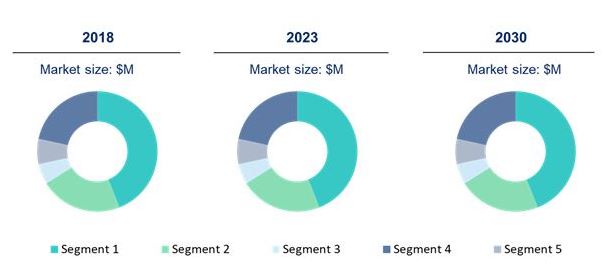
The study includes a forecast for the acoustic camera market in South Korea by array type, measurement type, application, and end use industry.

Acoustic Camera Market in South Korea by Array Type [Analysis by Value from 2019 to 2031]:


• 2D
• 3D

Acoustic Camera Market in South Korea by Measurement Type [Analysis by Value from 2019 to 2031]:


• Far Field
• Near Field

Acoustic Camera Market in South Korea by Application [Analysis by Value from 2019 to 2031]:


• Noise Source Detection
• Leak Detection
• Others

Acoustic Camera Market in South Korea by End Use Industry [Analysis by Value from 2019 to 2031]:


• Infrastructure
• Automotive
• Industrial
• Electronics & Appliances
• Aerospace
• Others

Lucintel Analytics Dashboard

Features of the Acoustic Camera Market in South Korea

Market Size Estimates: Acoustic camera in South Korea market size estimation in terms of value ($B).
Trend and Forecast Analysis: Market trends and forecasts by various segments.
Segmentation Analysis: Acoustic camera in South Korea market size by array type, measurement type, application, and end use industry in terms of value ($B).
Growth Opportunities: Analysis of growth opportunities in different array type, measurement type, application, and end use industry for the acoustic camera in South Korea.
Strategic Analysis: This includes M&A, new product development, and competitive landscape of the acoustic camera in South Korea.
Analysis of competitive intensity of the industry based on Porter’s Five Forces model.

If you are looking to expand your business in this or adjacent markets, then contact us. We have done hundreds of strategic consulting projects in market entry, opportunity screening, due diligence, supply chain analysis, M & A, and more.
Lucintel Consulting Services

FAQ

Q.1 What are the major drivers influencing the growth of the acoustic camera market in South Korea?
Answer: The major drivers for this market are growing trend of automating diverse industrial operations, extensive integration of acoustic cameras into cutting-edge non-destructive testing (NDT) equipment, and increasing public awareness about noise pollution, coupled with the enforcement of supportive government regulations .
Q2. What are the major segments for acoustic camera market in South Korea?
Answer: The future of the acoustic camera market in South Korea looks promising with opportunities in the infrastructure, automotive, industrial, electronics & appliance, and aerospace markets.
Q3. Which acoustic camera market segment in South Korea will be the largest in future?
Answer: Lucintel forecasts that far-field acoustic cameras will remain the higher growing segment over the forecast period because of their growing requirement at manufacturing plant sites and in aerospace and defense industries as it is opted for imaging the physical quantities distant from their source.
Q4. Do we receive customization in this report?
Answer: Yes, Lucintel provides 10% customization without any additional cost.

This report answers following 10 key questions:

Q.1. What are some of the most promising, high-growth opportunities for the acoustic camera market in South Korea by array type (2D and 3D), measurement type (far field and near field), application (noise source detection, leak detection, and others), and end use industry (infrastructure, automotive, industrial, electronics & appliances, aerospace, and others)?
Q.2. Which segments will grow at a faster pace and why?
Q.3. What are the key factors affecting market dynamics? What are the key challenges and business risks in this market?
Q.4. What are the business risks and competitive threats in this market?
Q.5. What are the emerging trends in this market and the reasons behind them?
Q.6. What are some of the changing demands of customers in the market?
Q.7. What are the new developments in the market? Which companies are leading these developments?
Q.8. Who are the major players in this market? What strategic initiatives are key players pursuing for business growth?
Q.9. What are some of the competing products in this market and how big of a threat do they pose for loss of market share by material or product substitution?
Q.10. What M&A activity has occurred in the last 5 years and what has its impact been on the industry?
For any questions related to Acoustic Camera Market in South Korea, Acoustic Camera Market in South Korea Size, Acoustic Camera Market in South Korea Growth, Acoustic Camera Market in South Korea Analysis, Acoustic Camera Market in South Korea Report, Acoustic Camera Market in South Korea Share, Acoustic Camera Market in South Korea Trends, Acoustic Camera Market in South Korea Forecast, Acoustic Camera Companies, write Lucintel analyst at email: helpdesk@lucintel.com. We will be glad to get back to you soon.

                                                            Table of Contents

            1. Executive Summary

            2. Acoustic Camera Market in South Korea: Market Dynamics
                        2.1: Introduction, Background, and Classifications
                        2.2: Supply Chain
                        2.3: Industry Drivers and Challenges

            3. Market Trends and Forecast Analysis from 2019 to 2031
                        3.1. Macroeconomic Trends (2019-2024) and Forecast (2025-2031)
                        3.2. Acoustic Camera Market in South Korea Trends (2019-2024) and Forecast (2025-2031)
                        3.3: Acoustic Camera Market in South Korea by Array Type
                                    3.3.1: 2D
                                    3.3.2: 3D
                        3.4: Acoustic Camera Market in South Korea by Measurement Type
                                    3.4.1: Far Field
                                    3.4.2: Near Field
                        3.5: Acoustic Camera Market in South Korea by Application
                                    3.5.1: Noise Source Detection
                                    3.5.2: Leak Detection
                                    3.5.3: Others
                        3.6: Acoustic Camera Market in South Korea by End Use Industry
                                    3.6.1: Infrastructure
                                    3.6.2: Automotive
                                    3.6.3: Industrial
                                    3.6.4: Electronics & Appliances
                                    3.6.5: Aerospace
                                    3.6.6: Others

            4. Competitor Analysis
                        4.1: Product Portfolio Analysis
                        4.2: Operational Integration
                        4.3: Porter’s Five Forces Analysis

            5. Growth Opportunities and Strategic Analysis
                        5.1: Growth Opportunity Analysis
                                    5.1.1: Growth Opportunities for the Acoustic Camera Market in South Korea by Array Type
                                    5.1.2: Growth Opportunities for the Acoustic Camera Market in South Korea by Measurement Type
                                    5.1.3: Growth Opportunities for the Acoustic Camera Market in South Korea by Application
                                    5.1.4: Growth Opportunities for the Acoustic Camera Market in South Korea by End Use Industry
                        5.2: Emerging Trends in the Acoustic Camera Market
                        5.3: Strategic Analysis
                                    5.3.1: New Product Development
                                    5.3.2: Capacity Expansion of the Acoustic Camera Market in South Korea
                                    5.3.3: Mergers, Acquisitions, and Joint Ventures in the Acoustic Camera Market in South Korea
                                    5.3.4: Certification and Licensing

            6. Company Profiles of Leading Players
                        6.1: Company 1
                        6.2: Company 2
                        6.3: Company 3
                        6.4: Company 4
                        6.5: Company 5
                        6.6: Company 6
                        6.7: Company 7
.

Buy full report or by chapter as follows

Limited Time Offer

Price by License Type:
[-] Hide Chapter Details
[Chapter Number] [Chapter Name] [Chapter Number Of Pages] [Chapter Price]
Title/Chapter Name Pages Price
Full Report: Acoustic Camera Market in South Korea Full Report $ 2,990
150 - page report
Lucintel has been in the business of market research and management consulting since 2000 and has published over 1000 market intelligence reports in various markets / applications and served over 1,000 clients worldwide. This study is a culmination of four months of full-time effort performed by Lucintel's analyst team. The analysts used the following sources for the creation and completion of this valuable report:
  • In-depth interviews of the major players in this market
  • Detailed secondary research from competitors’ financial statements and published data 
  • Extensive searches of published works, market, and database information pertaining to industry news, company press releases, and customer intentions
  • A compilation of the experiences, judgments, and insights of Lucintel’s professionals, who have analyzed and tracked this market over the years.
Extensive research and interviews are conducted across the supply chain of this market to estimate market share, market size, trends, drivers, challenges, and forecasts. Below is a brief summary of the primary interviews that were conducted by job function for this report.
 
Thus, Lucintel compiles vast amounts of data from numerous sources, validates the integrity of that data, and performs a comprehensive analysis. Lucintel then organizes the data, its findings, and insights into a concise report designed to support the strategic decision-making process. The figure below is a graphical representation of Lucintel’s research process. 
 

Please sign in below to get report brochure - Acoustic Camera Market in South Korea .

At Lucintel, we respect your privacy and maintain the confidentiality of information / data provided by you
(Please enter your corporate email. * These fields are mandatory )

Follow us on