Acoustic Camera in Brazil Trends and Forecast
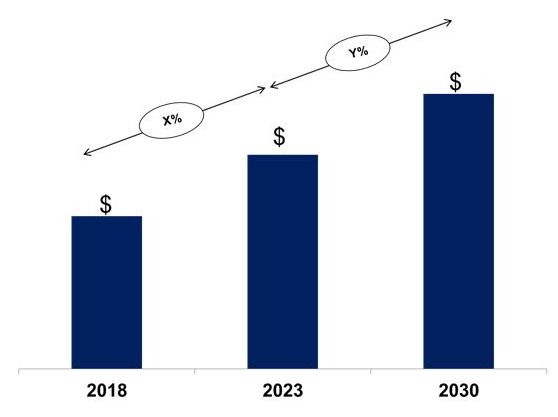
The future of the acoustic camera market in Brazil looks promising with opportunities in the infrastructure, automotive, industrial, electronics & appliance, and aerospace markets. The global acoustic camera market is expected to reach an estimated $346.5 million by 2031 with a CAGR of 7.8% from 2025 to 2031. The acoustic camera market in Brazil is also forecasted to witness strong growth over the forecast period. The major drivers for this market are the growing trend of automating diverse industrial operations, extensive integration of acoustic cameras into cutting-edge non-destructive testing (NDT) equipment, and increasing public awareness about noise pollution, coupled with the enforcement of supportive government regulations.
• Lucintel forecasts that, within the measurement type category, far-field acoustic cameras will remain the higher growing segment over the forecast period because of their growing requirement at manufacturing plant sites and in aerospace and defense industries as it is opted for imaging the physical quantities distant from their source.
• Within the end use industry category, automotive will remain the largest segment over the forecast period due to the increasing adoption of electric vehicles and autonomous cars, as well as, the growing demand for acoustic cameras in automotive for buzz, squeak, and rattle (BSR) concerns in vehicles and production procedures.
Emerging Trends in the Acoustic Camera Market in Brazil
In Brazil, the acoustic camera market is expanding due to increasing demand from industries such as manufacturing, energy, transportation, and environmental monitoring. This demand is rising because urbanization and industrial activities require more advanced noise analysis solutions. Companies and government agencies are investing in acoustic cameras to enhance workplace safety, improve predictive maintenance, and comply with strict noise pollution regulations. Technological advancements, regulatory initiatives, and the adoption of artificial intelligence are shaping new market trends. Below are five key emerging trends driving the development of the acoustic camera industry in Brazil.
• Expansion in Automotive and Aerospace Sectors: The automotive and aerospace industries in Brazil are increasingly using acoustic cameras for sound diagnostics and quality control. Manufacturers are integrating these devices into research and development processes to detect structural issues, assess aerodynamics, and reduce noise emissions. Acoustic cameras help identify sound anomalies in vehicles and aircraft, leading to improvements in performance, safety, and efficiency. As Brazil’s transportation sector evolves, the demand for advanced noise analysis tools is expected to rise, making acoustic cameras essential for engineering and production in these industries.
• Adoption in Railway and Public Transport Systems: Brazil’s expanding railway and public transportation networks are creating new opportunities for acoustic camera applications. Operators are using these devices to monitor mechanical conditions, detect faults in train engines, and assess noise pollution in urban transit systems. Acoustic imaging helps reduce maintenance costs by identifying issues before they escalate, ensuring smoother and safer operations. With the government investing in public transport infrastructure, acoustic cameras play a crucial role in improving reliability and reducing noise-related environmental concerns, enhancing the quality of life for commuters in major cities.
• Growth in Agricultural Noise Monitoring: Brazil’s agricultural sector is incorporating acoustic cameras to monitor noise emissions from heavy machinery, irrigation systems, and processing plants. These devices help farmers and agribusinesses assess equipment performance, detect mechanical failures, and reduce noise pollution in rural areas. Acoustic imaging technology optimizes agricultural operations, minimizing disruptions to local communities and wildlife. As Brazil continues modernizing its farming industry, the use of acoustic cameras is expected to grow, providing a sustainable solution for enhancing efficiency and reducing environmental impact in the agricultural sector.
• Integration with Environmental and Wildlife Conservation Efforts: Acoustic cameras are increasingly being used in environmental and wildlife conservation initiatives in Brazil. Researchers and environmental agencies use these devices to monitor noise pollution in forests, rivers, and urban areas, assessing its impact on biodiversity. Acoustic imaging aids in studying animal communication, detecting illegal activities such as poaching, and evaluating noise disturbances from industrial operations. As Brazil strengthens its environmental protection policies, the application of acoustic cameras in conservation efforts is expanding, positioning them as valuable tools for safeguarding ecosystems and promoting sustainable development.
• Increased Demand for Smart Factory Applications: Brazilian industries are adopting acoustic cameras as part of smart factory initiatives, using them for real-time monitoring and automated diagnostics. These devices enhance manufacturing efficiency by detecting mechanical faults, optimizing production lines, and improving quality control. Integrating acoustic cameras with industrial automation systems enables predictive maintenance, reducing equipment failures and operational downtime. As Industry 4.0 initiatives gain momentum in Brazil, the role of acoustic cameras in smart manufacturing is becoming more prominent, driving efficiency, productivity, and cost savings across various industrial sectors.
The acoustic camera market in Brazil is evolving as industries recognize the benefits of real-time noise monitoring and advanced sound diagnostics. From automotive and railway applications to agriculture, conservation, and smart factories, these devices are being integrated into critical sectors to improve efficiency and environmental management. With the expansion of industrial automation, public infrastructure projects, and sustainability efforts, acoustic cameras are becoming indispensable. As demand continues to grow, the market is expected to see further innovations, reinforcing Brazil’s commitment to technological advancement, regulatory compliance, and sustainable industrial development.
Recent Developments in the Acoustic Camera Market in Brazil
The Brazilian acoustic camera market has been experiencing rapid developments driven by industrial growth, technological innovation, and increasing regulatory enforcement. Companies are investing in advanced acoustic imaging systems to enhance safety, optimize manufacturing processes, and monitor environmental noise pollution. The expansion of infrastructure projects, smart city initiatives, and renewable energy solutions has also contributed to market growth. These developments reflect a shift toward more efficient and sustainable noise analysis solutions across multiple industries. Below are five key recent developments shaping the acoustic camera market in Brazil and their impact on the country’s industrial and environmental landscape.
• Development of AI-Enabled Acoustic Cameras: Recent advancements in artificial intelligence have led to the introduction of AI-enabled acoustic cameras in Brazil. These devices use machine learning algorithms to analyze noise patterns, filter out background interference, and provide automated diagnostics. AI integration enhances the accuracy and efficiency of noise analysis, enabling industries to detect mechanical faults, optimize performance, and ensure compliance with regulations. This development is particularly beneficial for the manufacturing, transportation, and environmental monitoring sectors, where real-time data processing and predictive maintenance are critical for operational success.
• Implementation of Acoustic Cameras in Renewable Energy Projects: Brazil’s growing renewable energy sector is adopting acoustic cameras for wind and solar farm maintenance. These devices help detect noise emissions, assess turbine efficiency, and identify mechanical failures before they cause major disruptions. Acoustic imaging supports predictive maintenance, reducing downtime and increasing the lifespan of renewable energy infrastructure. With Brazil investing heavily in sustainable energy production, integrating acoustic cameras into wind farms and solar power plants is becoming a standard practice, contributing to improved efficiency and reduced operational costs in the energy sector.
• Expansion of Acoustic Surveillance and Security Applications: The use of acoustic cameras for security and surveillance is expanding in Brazil, particularly in urban areas and high-risk locations. Law enforcement agencies and security firms deploy these devices to detect unusual sound patterns, such as gunshots, explosions, or mechanical malfunctions. Acoustic cameras enhance situational awareness and improve emergency response times. As Brazil continues addressing security concerns in cities and industrial zones, the adoption of acoustic imaging technology for surveillance is expected to grow, reinforcing safety measures and crime prevention strategies.
• Growth in Industrial and Automotive Quality Control: Brazilian manufacturers are leveraging acoustic cameras for quality control in automotive and industrial production lines. These devices help detect anomalies in engines, machinery, and mechanical components, ensuring that products meet industry standards before reaching the market. Acoustic imaging enables real-time analysis, reducing defects and improving overall production efficiency. This development is particularly significant in Brazil’s automotive industry, where companies are integrating acoustic cameras into research and development processes to enhance vehicle performance and reduce noise pollution.
• Increased Use in Noise Regulation and Environmental Compliance: Brazilian authorities are strengthening noise regulation policies, leading to increased adoption of acoustic cameras for environmental compliance. Industries and municipalities are using these devices to monitor noise pollution levels and enforce legal noise limits in urban and industrial areas. Acoustic imaging supports government initiatives aimed at reducing sound-related disturbances, improving public health, and promoting sustainable urban development. With stricter noise control measures being implemented, the demand for acoustic cameras in regulatory compliance efforts is expected to continue growing, positioning them as essential tools for environmental monitoring.
The recent developments in Brazil’s acoustic camera market highlight the increasing importance of noise analysis in industrial, environmental, and security applications. AI-driven innovations, renewable energy integration, and enhanced surveillance capabilities are driving market expansion. Meanwhile, stricter regulations and advancements in manufacturing processes are reinforcing the need for precision noise monitoring solutions. As industries continue modernizing and adopting smarter technologies, the role of acoustic cameras will become even more significant, contributing to improved efficiency, regulatory compliance, and sustainable development across Brazil.
Strategic Growth Opportunities for Acoustic Camera Market in Brazil
The acoustic camera market in Brazil is growing rapidly as industries recognize the advantages of advanced noise analysis for improving efficiency, safety, and regulatory compliance. With continued industrial development, the adoption of acoustic imaging technology is increasing across multiple sectors. Companies are utilizing these devices to optimize maintenance, enhance quality control, and monitor environmental noise. As Brazil invests in technological advancements and sustainability initiatives, acoustic cameras are playing a crucial role in industrial transformation. Below are five key strategic growth opportunities shaping the future of the acoustic camera market in Brazil.
• Expansion in the Oil and Gas Industry: Brazil, one of the largest oil and gas producers in Latin America, is increasingly using acoustic cameras for equipment maintenance and safety monitoring. These devices help detect leaks, mechanical failures, and structural weaknesses in offshore and onshore operations. By providing real-time diagnostics, acoustic cameras support predictive maintenance, reducing downtime and preventing costly accidents. With Brazil investing in energy infrastructure, the demand for acoustic cameras in this sector is growing. Their ability to enhance operational efficiency and ensure regulatory compliance makes them essential tools for the oil and gas industry.
• Integration into Smart City Initiatives: Brazil is expanding its smart city projects, creating significant opportunities for acoustic cameras in urban noise monitoring and infrastructure planning. These devices help authorities track traffic noise, monitor construction sites, and enforce noise pollution regulations. By integrating acoustic imaging with smart city management systems, municipalities can develop effective noise reduction strategies, improving residents’ quality of life. As urbanization increases, cities seek innovative solutions for noise control. The adoption of acoustic cameras in smart city initiatives is expected to rise, positioning them as valuable tools for sustainable urban development.
• Growth in Manufacturing and Industrial Automation: Brazilian industries are embracing automation and digital transformation, driving the demand for acoustic cameras in manufacturing. These devices enable real-time machine monitoring, detect sound anomalies in production lines, and ensure product quality. By integrating acoustic imaging with industrial automation systems, manufacturers can implement predictive maintenance, reduce operational failures, and improve efficiency. The shift toward Industry 4.0 is fueling investments in smart factory solutions. As businesses strive to minimize downtime and enhance productivity, acoustic cameras are becoming critical components of industrial automation strategies across Brazil.
• Adoption in Healthcare and Biomedical Research: The healthcare industry in Brazil is exploring the use of acoustic cameras for medical diagnostics and hospital noise management. These devices assist in identifying respiratory conditions by detecting abnormal lung sounds and monitoring patient environments for excessive noise. Hospitals are using acoustic imaging to improve patient care by reducing noise disturbances that affect recovery and staff performance. The expansion of biomedical research and advanced diagnostic technologies is increasing interest in acoustic cameras for medical applications. As healthcare institutions prioritize patient well-being, the adoption of acoustic imaging is expected to grow in Brazil.
• Increasing Use in Environmental Conservation and Wildlife Monitoring: Brazil is home to diverse ecosystems, and environmental organizations are using acoustic cameras to monitor wildlife, study animal communication, and assess noise pollution. These devices help detect illegal logging, poaching, and industrial noise disturbances that impact biodiversity. Acoustic imaging provides valuable data for conservation efforts, supporting sustainable development and regulatory enforcement. As Brazil strengthens environmental policies, the demand for acoustic cameras in ecological research is rising. Their ability to capture and analyze sound in remote environments makes them essential tools for protecting natural habitats and preserving wildlife.
The strategic growth opportunities in Brazil’s acoustic camera market are driven by industrial expansion, urbanization, healthcare advancements, and environmental conservation. From oil and gas operations to smart city initiatives and manufacturing automation, these devices are becoming essential across multiple sectors. The healthcare industry is also exploring their potential for medical diagnostics, while environmental organizations use them for wildlife monitoring. As industries continue to adopt acoustic imaging for efficiency, safety, and compliance, the market is expected to expand further. The increasing demand for noise analysis solutions is positioning Brazil as a key player in the global acoustic camera industry.
Acoustic Camera Market in Brazil Driver and Challenges
The acoustic camera market in Brazil is influenced by various technological, economic, and regulatory factors. As industries adopt noise analysis solutions for safety, efficiency, and compliance, the market is expanding across multiple sectors. Key drivers include advancements in artificial intelligence, increased regulatory enforcement, and industrial automation. However, challenges such as high costs, technical limitations, and limited market awareness continue to impact adoption. Understanding these drivers and challenges is essential for businesses looking to invest in acoustic cameras. Below are five main drivers and three key challenges shaping the acoustic camera market in Brazil.
The factors responsible for driving the acoustic cameras market in Brazil include:
• Strengthening Noise Pollution Regulations: Brazilian authorities are enforcing stricter noise pollution regulations, driving demand for acoustic cameras in urban planning, industrial compliance, and environmental monitoring. These devices help businesses and municipalities track noise levels, identify sources of excessive sound, and implement corrective measures. As public awareness of noise pollution increases, regulatory bodies are imposing stricter penalties on non-compliant industries. Acoustic cameras provide a reliable solution for ensuring adherence to noise control laws. With governments prioritizing sustainable urban development, the adoption of acoustic imaging technology is expected to increase in Brazil’s regulatory landscape.
• Advancements in Artificial Intelligence and Data Analytics: The integration of artificial intelligence and data analytics has significantly improved the capabilities of acoustic cameras. AI-powered systems can analyze sound patterns, filter background noise, and provide automated diagnostics. These advancements make acoustic cameras more efficient and user-friendly, reducing the need for manual analysis. Industries such as manufacturing, energy, and transportation are leveraging AI-driven acoustic imaging for real-time monitoring and predictive maintenance. As AI technology advances, acoustic cameras are becoming smarter and more effective, and their adoption across various Brazilian industries is increasing.
• Increasing Adoption in Renewable Energy Sector: Brazil’s growing renewable energy sector is creating demand for acoustic cameras in wind and solar power maintenance. These devices help detect noise emissions, assess turbine efficiency, and identify mechanical faults before they cause major disruptions. Acoustic imaging supports predictive maintenance strategies, reducing downtime and optimizing energy production. With Brazil investing in wind farms and solar power plants, noise monitoring solutions are becoming critical for ensuring compliance and operational efficiency. The renewable energy sector presents significant growth opportunities for acoustic cameras in Brazil.
• Expansion of Industrial Automation and Smart Manufacturing: Brazilian industries are increasingly adopting smart manufacturing technologies, where acoustic cameras play a vital role in quality control and predictive maintenance. These devices help detect machine faults in production lines, reducing equipment failures and improving efficiency. The integration of acoustic imaging with industrial automation systems allows businesses to optimize operations and reduce maintenance costs. As the manufacturing sector transitions toward Industry 4.0, acoustic cameras are becoming essential tools for enhancing productivity and ensuring high-quality production standards in Brazil.
• Growth in Security and Surveillance Applications: Acoustic cameras are being adopted for security and surveillance purposes in Brazil, particularly in high-risk urban areas. Law enforcement agencies and private security firms use these devices to detect abnormal sound patterns, including gunshots, explosions, and unauthorized drone activity. Acoustic imaging enhances situational awareness and improves response times in emergency situations. As Brazil continues to address public safety concerns, the demand for acoustic cameras in security applications is expected to grow, reinforcing their role in crime prevention and urban monitoring.
Challenges in the acoustic cameras market in Brazil are:
• High Cost of Acquisition and Implementation: One of the major challenges in the Brazilian acoustic camera market is the high cost of acquisition and implementation. Advanced acoustic cameras with AI capabilities and high-resolution sensors require significant investment, making them less accessible for small and medium-sized enterprises. Additionally, ongoing maintenance and software updates add to the overall expenses. This financial barrier is slowing adoption, particularly for companies with limited budgets. Manufacturers need to focus on cost-effective solutions to expand market reach.
• Technical Complexity and Need for Skilled Operators: Despite their benefits, acoustic cameras require specialized training for proper operation and data interpretation. Many businesses lack the technical expertise needed to fully utilize these devices, leading to slower adoption rates. Additionally, environmental factors such as wind and background noise can affect accuracy, creating challenges in certain applications. To overcome these issues, manufacturers must improve user-friendly interfaces and offer training programs to enhance usability and accessibility in Brazil.
• Limited Market Awareness and Adoption: Although acoustic cameras offer valuable noise monitoring solutions, many industries in Brazil are still unaware of their potential applications. Limited awareness has slowed market penetration, preventing widespread adoption. Businesses need to be educated on the benefits of acoustic imaging through industry events, training workshops, and marketing efforts. Increasing awareness will help drive greater investment and integration of acoustic cameras across multiple sectors.
Brazil’s acoustic camera market is growing due to regulatory enforcement, technological advancements, and industrial automation. However, challenges such as high costs, technical complexity, and limited awareness remain barriers to adoption. By addressing these challenges through cost-effective solutions, improved training, and increased market education, businesses can unlock the full potential of acoustic cameras.
List of Acoustic Camera Market in Brazil Companies
Companies in the market compete on the basis of product quality offered. Major players in this market focus on expanding their manufacturing facilities, R&D investments, infrastructural development, and leverage integration opportunities across the value chain. Through these strategies, acoustic camera companies cater to increasing demand, ensure competitive effectiveness, develop innovative products & technologies, reduce production costs, and expand their customer base. Some of the acoustic camera companies profiled in this report include:
• Company 1
• Company 2
• Company 3
• Company 4
• Company 5
• Company 6
• Company 7
Acoustic Camera Market in Brazil by Segment
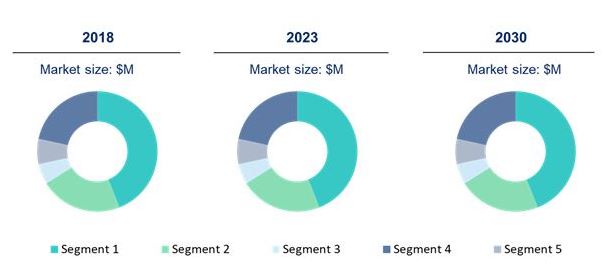
The study includes a forecast for the acoustic camera market in Brazil by array type, measurement type, application, and end use industry.
Acoustic Camera Market in Brazil by Array Type [Analysis by Value from 2019 to 2031]:
• 2D
• 3D
Acoustic Camera Market in Brazil by Measurement Type [Analysis by Value from 2019 to 2031]:
• Far Field
• Near Field
Acoustic Camera Market in Brazil by Application [Analysis by Value from 2019 to 2031]:
• Noise Source Detection
• Leak Detection
• Others
Acoustic Camera Market in Brazil by End Use Industry [Analysis by Value from 2019 to 2031]:
• Infrastructure
• Automotive
• Industrial
• Electronics & Appliances
• Aerospace
• Others
Features of the Acoustic Camera Market in Brazil
Market Size Estimates: Acoustic camera in Brazil market size estimation in terms of value ($B).
Trend and Forecast Analysis: Market trends and forecasts by various segments.
Segmentation Analysis: Acoustic camera in Brazil market size by array type, measurement type, application, and end use industry in terms of value ($B).
Growth Opportunities: Analysis of growth opportunities in different array type, measurement type, application, and end use industry for the acoustic camera in Brazil.
Strategic Analysis: This includes M&A, new product development, and competitive landscape of the acoustic camera in Brazil.
Analysis of competitive intensity of the industry based on Porter’s Five Forces model.
If you are looking to expand your business in this or adjacent markets, then contact us. We have done hundreds of strategic consulting projects in market entry, opportunity screening, due diligence, supply chain analysis, M & A, and more.
FAQ
Q.1 What are the major drivers influencing the growth of the acoustic camera market in Brazil?
Answer: The major drivers for this market are growing trend of automating diverse industrial operations, extensive integration of acoustic cameras into cutting-edge non-destructive testing (NDT) equipment, and increasing public awareness about noise pollution, coupled with the enforcement of supportive government regulations .
Q2. What are the major segments for acoustic camera market in Brazil?
Answer: The future of the acoustic camera market in Brazil looks promising with opportunities in the infrastructure, automotive, industrial, electronics & appliance, and aerospace markets.
Q3. Which acoustic camera market segment in Brazil will be the largest in future?
Answer: Lucintel forecasts that far-field acoustic cameras will remain the higher growing segment over the forecast period because of their growing requirement at manufacturing plant sites and in aerospace and defense industries as it is opted for imaging the physical quantities distant from their source.
Q4. Do we receive customization in this report?
Answer: Yes, Lucintel provides 10% customization without any additional cost.
This report answers following 10 key questions:
Q.1. What are some of the most promising, high-growth opportunities for the acoustic camera market in Brazil by array type (2D and 3D), measurement type (far field and near field), application (noise source detection, leak detection, and others), and end use industry (infrastructure, automotive, industrial, electronics & appliances, aerospace, and others)?
Q.2. Which segments will grow at a faster pace and why?
Q.3. What are the key factors affecting market dynamics? What are the key challenges and business risks in this market?
Q.4. What are the business risks and competitive threats in this market?
Q.5. What are the emerging trends in this market and the reasons behind them?
Q.6. What are some of the changing demands of customers in the market?
Q.7. What are the new developments in the market? Which companies are leading these developments?
Q.8. Who are the major players in this market? What strategic initiatives are key players pursuing for business growth?
Q.9. What are some of the competing products in this market and how big of a threat do they pose for loss of market share by material or product substitution?
Q.10. What M&A activity has occurred in the last 5 years and what has its impact been on the industry?
For any questions related to Acoustic Camera Market in Brazil, Acoustic Camera Market in Brazil Size, Acoustic Camera Market in Brazil Growth, Acoustic Camera Market in Brazil Analysis, Acoustic Camera Market in Brazil Report, Acoustic Camera Market in Brazil Share, Acoustic Camera Market in Brazil Trends, Acoustic Camera Market in Brazil Forecast, Acoustic Camera Companies, write Lucintel analyst at email: helpdesk@lucintel.com. We will be glad to get back to you soon.