Close Lucintel Chat
Didn't Find What You're Looking for?
Call us at +1972 636 5056 or write at helpdesk@Lucintel.com
Ask an Expert Provide Custom Requirements Download Sample Report Search Available Reports
  • helpdesk@Lucintel.com
  • |
  • Call Lucintel +1 972 636 5056
  • |
  • Login
  • |
  • Register
  • |
  • Search
  • |
'
...

The Impact of COVID-19 is included in Acoustic Camera Market in Australia. Buy it today to get an advantage.

Request the impact of COVID-19 on your product or industry


Acoustic Camera in Australia Trends and Forecast

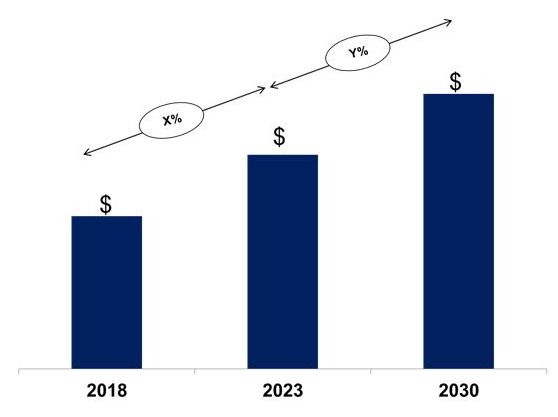
The future of the acoustic camera market in Australia looks promising with opportunities in the infrastructure, automotive, industrial, electronics & appliance, and aerospace markets. The global acoustic camera market is expected to reach an estimated $346.5 million by 2031 with a CAGR of 7.8% from 2025 to 2031. The acoustic camera market in Australia is also forecasted to witness strong growth over the forecast period. The major drivers for this market are the growing trend of automating diverse industrial operations, extensive integration of acoustic cameras into cutting-edge non-destructive testing (NDT) equipment, and increasing public awareness about noise pollution, coupled with the enforcement of supportive government regulations.

• Lucintel forecasts that, within the measurement type category, far-field acoustic cameras will remain the higher growing segment over the forecast period because of their growing requirement at manufacturing plant sites and in aerospace and defense industries as it is opted for imaging the physical quantities distant from their source.
• Within the end use industry category, automotive will remain the largest segment over the forecast period due to the increasing adoption of electric vehicles and autonomous cars, as well as, the growing demand for acoustic cameras in automotive for buzz, squeak, and rattle (BSR) concerns in vehicles and production procedures.


Acoustic Camera Market in Australia Trends and Forecast

Emerging Trends in the Acoustic Camera Market in Australia

The acoustic camera market in Australia is evolving rapidly as industries seek innovative noise detection and analysis solutions. With a growing emphasis on workplace safety, environmental monitoring, and advanced manufacturing, acoustic cameras are widely adopted for their ability to visualize sound in real time. Technological advancements, regulatory compliance, and increasing demand for non-invasive diagnostic tools are driving these developments. The market is also witnessing greater integration of AI and IoT, making acoustic cameras more intelligent and automated. Below are five key emerging trends shaping the Australian acoustic camera market and their potential impact.

• AI-Powered Sound Analysis: Artificial intelligence (AI) is revolutionizing acoustic cameras by enabling faster and more accurate sound source identification. AI algorithms filter background noise, recognize patterns, and provide predictive maintenance insights. This development greatly enhances the effectiveness of acoustic monitoring in manufacturing, construction, and urban planning. AI-based analysis minimizes reliance on human interpretation, making fault detection and noise reduction strategies more precise. As AI continues to advance, acoustic cameras are becoming essential tools for real-time sound diagnostics and proactive problem-solving in Australia’s industrial landscape.
• Miniaturization and Portability: Advancements in sensor technology have led to the development of compact and portable acoustic cameras. This innovation is highly beneficial for field applications, including on-site noise assessment and environmental studies. Lightweight, handheld acoustic cameras provide flexibility for professionals to conduct noise mapping in challenging locations. Portable models are increasingly popular and are widely used for routine inspections in the aviation, automotive, and energy industries. The growing demand for portable acoustic cameras reflects the shift toward user-friendly, efficient, and accessible noise analysis tools, increasing their adoption across various sectors in Australia.
• IoT and Smart Infrastructure: The Internet of Things (IoT) is transforming the acoustic camera market by enabling seamless data connectivity and remote monitoring. Acoustic cameras are increasingly integrated into smart infrastructure projects as tools for noise management and predictive maintenance. This trend is particularly relevant in urban development, where real-time acoustic data helps monitor traffic noise, construction activities, and industrial operations. By utilizing acoustic cameras with IoT capabilities, Australian businesses and city planners can optimize noise control measures, enhance regulatory compliance, and improve overall environmental quality in cities.
• Increased Adoption in the Renewable Energy Sector: Australia’s renewable energy sector is increasingly using acoustic cameras for wind turbine and solar farm maintenance. Noise emissions from wind turbines can affect both efficiency and surrounding communities, making acoustic imaging an essential diagnostic tool. Acoustic cameras help detect mechanical faults, aerodynamic noise, and structural vibrations, ensuring optimal performance and reducing downtime. The shift toward sustainable energy solutions has heightened the demand for advanced monitoring technologies, and acoustic cameras are playing a crucial role in maintaining efficiency and minimizing environmental impact in Australia’s growing renewable energy sector.
• Regulatory Compliance and Workplace Safety Focus: Australia’s stringent workplace safety regulations are driving the adoption of acoustic cameras for noise monitoring and hazard detection. Industries such as mining, construction, and manufacturing must adhere to occupational noise exposure limits, making precise sound analysis critical. Acoustic cameras enable companies to pinpoint hazardous noise sources, implement effective noise control strategies, and ensure compliance with national safety standards. As workplace safety remains a top priority, businesses are increasingly investing in advanced acoustic imaging technology to create healthier, safer work environments and mitigate risks associated with prolonged noise exposure.

The Australian acoustic camera market is undergoing significant transformation, driven by advancements in AI, IoT, and miniaturization, as well as an increased focus on sustainability and workplace safety. These trends are enhancing the functionality, accessibility, and efficiency of acoustic cameras, making them indispensable across various industries. With growing regulatory pressures and demand for smarter noise monitoring solutions, acoustic cameras are evolving into sophisticated tools that contribute to operational excellence and environmental management. As technology continues to advance, the acoustic camera market in Australia is poised for sustained growth, further integrating into critical sectors to improve safety, efficiency, and sustainability.

Recent Developments in the Acoustic Camera Market in Australia

The Australian acoustic camera market is experiencing rapid growth due to increasing demand for precision noise detection and analysis across various industries. Recent developments have focused on technological advancements, improved data analytics, and expanding applications in sectors such as infrastructure, energy, and environmental monitoring. Businesses are adopting acoustic cameras to enhance workplace safety, streamline maintenance, and comply with strict noise regulations. Additionally, innovations in AI, IoT, and cloud-based solutions are making these devices more efficient and accessible. Below are five key recent developments shaping the acoustic camera market in Australia and their impact.

• Advanced AI-Driven Sound Identification: Recent advancements in artificial intelligence (AI) have significantly improved the ability of acoustic cameras to identify and analyze sound sources with greater accuracy. AI-powered systems can now differentiate between various noise types, enabling industries to pinpoint faults in machinery, detect gas leaks, and monitor noise pollution effectively. This development is particularly beneficial for the manufacturing and industrial sectors, where predictive maintenance can prevent costly breakdowns. By integrating AI into acoustic cameras, Australian businesses are improving operational efficiency, reducing downtime, and ensuring compliance with strict noise control regulations.
• Cloud-Based Acoustic Data Storage and Analysis: The adoption of cloud technology has transformed how acoustic data is stored, processed, and analyzed. Companies can now access real-time noise data from remote locations, allowing for continuous monitoring and quicker decision-making. Cloud-based platforms provide enhanced data visualization and reporting tools, enabling businesses to track noise patterns over time and develop long-term noise mitigation strategies. This development has been particularly impactful in urban planning, where real-time acoustic mapping helps reduce environmental noise pollution and improve city infrastructure management in Australia.
• Increased Use in Smart City Projects: Australia’s push toward smart city development has led to the increased deployment of acoustic cameras in urban environments. These devices are now being used for traffic noise monitoring, construction site assessments, and public safety enhancements. Real-time acoustic data is integrated with smart city networks to identify noise pollution sources, enforce regulations, and optimize urban planning strategies. This development enables local governments to better manage noise-related challenges, improving the quality of life for residents while promoting sustainable urban growth throughout Australian cities.
• Healthcare Expansion: Acoustic cameras are gaining more applications in the healthcare industry, especially for medical diagnostics and hospital noise management. Recent developments include the use of acoustic imaging for identifying respiratory issues, such as detecting abnormal lung sounds in patients. Additionally, hospitals are adopting acoustic monitoring systems to reduce excessive noise levels, creating a more comfortable environment for patients and staff. This expansion into healthcare demonstrates the versatility of acoustic camera technology and its potential to improve both medical diagnostics and patient care across Australia.
• Enhanced Acoustic Camera Hardware and Software Integration: The latest advancements in acoustic camera hardware and software have resulted in improved performance, durability, and user-friendly interfaces. Newer models feature higher-resolution microphones, enhanced imaging sensors, and robust noise filtration systems, making them more effective in diverse environments. Additionally, software updates have introduced machine learning capabilities, enabling automatic detection of anomalies in industrial equipment. This development is particularly valuable in sectors such as mining and aviation, where early fault detection can prevent major safety hazards and operational disruptions in Australia’s high-risk industries.

The Australian acoustic camera market is undergoing significant transformation, driven by advancements in AI, cloud technology, and smart city initiatives. These developments are broadening the scope of acoustic cameras beyond traditional applications, allowing industries to leverage real-time noise analysis for improved efficiency and safety. Advanced software, enhanced hardware, and new sector applications are making acoustic cameras an indispensable tool in Australia. As demand for precise noise monitoring continues to grow, these innovations are set to further revolutionize industries, ensuring better regulatory compliance, improved urban management, and enhanced public health and safety.

Strategic Growth Opportunities for Acoustic Camera Market in Australia

The Australian acoustic camera market is growing as industries recognize the value of advanced sound analysis for safety, efficiency, and regulatory compliance. With technological innovation and increasing usage across various sectors, businesses have new opportunities to apply acoustic cameras to critical applications. The demand for precise noise monitoring, predictive maintenance, and environmental protection is driving market expansion. As industries seek to optimize operations and reduce risks, acoustic cameras are becoming essential tools. Below are five key strategic growth opportunities shaping the Australian acoustic camera market.

• Industrial Predictive Maintenance: The use of acoustic cameras in predictive maintenance is creating significant growth opportunities in Australia. These devices help industries such as manufacturing, mining, and aviation detect faults in machinery before they cause costly failures. By visualizing sound waves, acoustic cameras pinpoint issues like gas leaks, bearing failures, and structural weaknesses. This proactive approach reduces downtime, improves operational efficiency, and enhances workplace safety. As companies focus on cost-effective maintenance solutions, the adoption of acoustic cameras in industrial applications is expected to rise across critical Australian industries.
• Smart City and Infrastructure Development: Australia is investing in smart city projects, creating new opportunities for acoustic cameras in urban noise monitoring and infrastructure planning. These devices help local governments track traffic noise, monitor construction site emissions, and enforce noise regulations. By integrating acoustic imaging with city management systems, authorities can develop targeted noise reduction strategies, improving residents’ quality of life. With increasing urbanization and public demand for noise control solutions, the adoption of acoustic cameras in smart city initiatives is expected to grow, positioning them as vital tools in Australia’s urban development strategies.
• Renewable Energy Sector: Acoustic cameras are essential for noise assessment and maintenance in Australia’s renewable energy sector. Wind farms and solar power plants use these devices to monitor turbine efficiency, detect mechanical faults, and minimize noise pollution. With the government focusing on expanding renewable energy production, acoustic cameras offer solutions for optimizing performance and ensuring regulatory compliance. Their ability to provide real-time diagnostics helps energy companies reduce downtime and improve sustainability. As renewable energy infrastructure expands, the demand for advanced noise monitoring technology is increasing, making this sector a major growth area for acoustic cameras.
• Healthcare and Medical Applications: The healthcare sector is exploring the use of acoustic cameras for medical diagnostics and hospital noise management. These devices are being tested for detecting respiratory conditions by identifying abnormal lung sounds and monitoring patient environments. Additionally, hospitals use acoustic cameras to reduce excessive noise, improving patient comfort and staff efficiency. As the healthcare industry adopts more advanced diagnostic tools, the role of acoustic cameras in medical applications is expected to grow. Their ability to provide non-invasive sound analysis presents a unique opportunity to enhance both patient care and hospital operations in Australia.
• Defense and Security Applications: Acoustic cameras are gaining traction in Australia’s defense and security sectors, where they are used for surveillance, threat detection, and situational awareness. These devices help identify suspicious activities by detecting gunshots, unauthorized drone activity, and hidden mechanical threats. Military and law enforcement agencies integrate acoustic imaging with other security systems to enhance monitoring capabilities. With growing concerns about national security and the need for advanced surveillance technology, the defense sector represents a strong growth area for acoustic camera applications. Their ability to detect and analyze sound in real time makes them valuable assets in security operations.

The strategic growth opportunities in the Australian acoustic camera market span multiple industries, from manufacturing and renewable energy to smart cities and healthcare. As businesses and government agencies invest in advanced noise monitoring solutions, the demand for acoustic cameras is rising. These devices are transforming predictive maintenance, urban planning, medical diagnostics, and security operations. With continued technological advancements and regulatory support, acoustic cameras are becoming essential tools across key sectors. As their applications expand, the market is expected to grow, driving innovation and enhancing efficiency in noise analysis and monitoring across Australia.

Acoustic Camera Market in Australia Driver and Challenges

The acoustic camera market in Australia is shaped by various technological, economic, and regulatory factors. Businesses are adopting these devices to enhance efficiency, ensure workplace safety, and comply with environmental noise regulations. However, while there are strong growth drivers, the market also faces challenges such as high costs, technical limitations, and the need for skilled professionals. Understanding these drivers and challenges is crucial for businesses looking to invest in acoustic cameras. Below are five key drivers and three major challenges influencing the adoption and development of acoustic cameras in Australia.

Drivers:
• Growing Demand for Workplace Safety and Compliance: Stricter workplace safety regulations in Australia are driving the adoption of acoustic cameras in industries such as mining, construction, and manufacturing. These devices help businesses monitor noise exposure levels, identify hazardous sound sources, and implement effective noise control measures. Compliance with occupational health and safety laws is a top priority for companies seeking to avoid legal penalties and improve employee well-being. As regulatory bodies enforce stricter noise limits, the demand for acoustic cameras is expected to grow, making them essential tools for maintaining a safe and compliant work environment.
• Advancements in Artificial Intelligence and Machine Learning: The integration of artificial intelligence and machine learning into acoustic cameras has significantly improved their accuracy and efficiency. AI-powered acoustic cameras can analyze sound patterns, filter background noise, and provide automated diagnostics. These advancements allow businesses to detect faults in real time, reducing manual intervention and operational downtime. As AI technology continues to evolve, acoustic cameras are becoming smarter and more capable of handling complex noise analysis tasks. This driver is pushing the market forward, making acoustic cameras more accessible and valuable across multiple Australian industries.
• Expansion of Smart City and Infrastructure Projects: Australia’s investment in smart city development is creating new opportunities for acoustic camera deployment. These devices are used to monitor noise pollution, improve urban planning, and optimize infrastructure maintenance. By integrating acoustic imaging with IoT-based city management systems, authorities can make data-driven decisions to reduce noise levels and enhance urban living conditions. As cities adopt more advanced technologies for sustainability and efficiency, the demand for acoustic cameras in smart city projects is increasing, driving market growth and innovation.
• Rising Adoption in Renewable Energy and Sustainability Initiatives: The renewable energy sector in Australia is using acoustic cameras for wind turbine maintenance and noise monitoring. As the country expands its reliance on wind and solar power, the need for advanced monitoring solutions is growing. Acoustic cameras help energy companies detect mechanical issues, optimize performance, and ensure compliance with noise regulations. Their role in sustainability initiatives aligns with the government’s push for cleaner energy solutions. This trend is expected to drive further adoption of acoustic cameras, making them an integral part of renewable energy infrastructure management.
• Increased Focus on Non-Invasive Diagnostic Tools: Acoustic cameras provide non-invasive sound analysis, making them valuable for industries that require real-time diagnostics without disrupting operations. Applications in healthcare, aerospace, and manufacturing are expanding as businesses seek efficient monitoring solutions. Their ability to visualize sound without physical contact is particularly useful for identifying faults in complex machinery and medical diagnostics. This driver is increasing demand across various sectors, positioning acoustic cameras as a critical tool for precision diagnostics and preventive maintenance in Australia.

Challenges:
• High Initial Costs and Investment Challenges: One of the biggest challenges in the Australian acoustic camera market is the high cost of acquisition and implementation. Advanced acoustic cameras with AI capabilities and high-resolution sensors require significant investment, limiting adoption among small and medium-sized businesses. Additionally, ongoing maintenance and software updates add to long-term costs. This financial barrier is slowing market expansion, particularly for companies that lack the resources to invest in cutting-edge noise analysis technology.
• Technical Limitations and Complexity of Use: While acoustic cameras offer advanced sound visualization, their accuracy can be affected by environmental conditions such as wind, background noise, and temperature fluctuations. Users also require specialized training to interpret the data effectively. The complexity of these devices can be a challenge for industries without skilled personnel. To overcome this barrier, manufacturers need to focus on improving user-friendly interfaces and providing better training programs to expand the accessibility of acoustic cameras in Australia.
• Limited Awareness and Market Penetration: Despite their benefits, acoustic cameras are still not widely recognized across all Australian industries. Many businesses are unaware of their capabilities and potential applications. Limited awareness has slowed market penetration, preventing some sectors from fully adopting the technology. Increased marketing efforts, education, and demonstration of real-world benefits are needed to drive greater adoption.

List of Acoustic Camera Market in Australia Companies

Companies in the market compete on the basis of product quality offered. Major players in this market focus on expanding their manufacturing facilities, R&D investments, infrastructural development, and leverage integration opportunities across the value chain. Through these strategies, acoustic camera companies cater to increasing demand, ensure competitive effectiveness, develop innovative products & technologies, reduce production costs, and expand their customer base. Some of the acoustic camera companies profiled in this report include:
• Company 1
• Company 2
• Company 3
• Company 4
• Company 5
• Company 6
• Company 7


Acoustic Camera Market in Australia by Segment

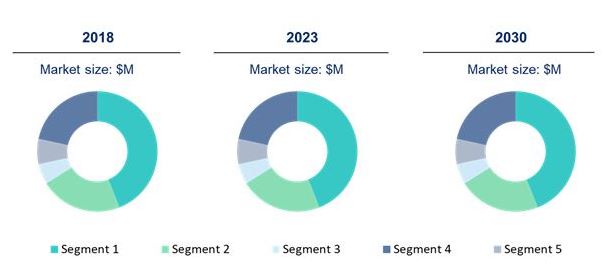
The study includes a forecast for the acoustic camera market in Australia by array type, measurement type, application, and end use industry.

Acoustic Camera Market in Australia by Array Type [Analysis by Value from 2019 to 2031]:


• 2D
• 3D

Acoustic Camera Market in Australia by Measurement Type [Analysis by Value from 2019 to 2031]:


• Far Field
• Near Field

Acoustic Camera Market in Australia by Application [Analysis by Value from 2019 to 2031]:


• Noise Source Detection
• Leak Detection
• Others

Acoustic Camera Market in Australia by End Use Industry [Analysis by Value from 2019 to 2031]:


• Infrastructure
• Automotive
• Industrial
• Electronics & Appliances
• Aerospace
• Others

Lucintel Analytics Dashboard

Features of the Acoustic Camera Market in Australia

Market Size Estimates: Acoustic camera in Australia market size estimation in terms of value ($B).
Trend and Forecast Analysis: Market trends and forecasts by various segments.
Segmentation Analysis: Acoustic camera in Australia market size by array type, measurement type, application, and end use industry in terms of value ($B).
Growth Opportunities: Analysis of growth opportunities in different array type, measurement type, application, and end use industry for the acoustic camera in Australia.
Strategic Analysis: This includes M&A, new product development, and competitive landscape of the acoustic camera in Australia.
Analysis of competitive intensity of the industry based on Porter’s Five Forces model.

If you are looking to expand your business in this or adjacent markets, then contact us. We have done hundreds of strategic consulting projects in market entry, opportunity screening, due diligence, supply chain analysis, M & A, and more.
Lucintel Consulting Services

FAQ

Q.1 What are the major drivers influencing the growth of the acoustic camera market in Australia?
Answer: The major drivers for this market are growing trend of automating diverse industrial operations, extensive integration of acoustic cameras into cutting-edge non-destructive testing (NDT) equipment, and increasing public awareness about noise pollution, coupled with the enforcement of supportive government regulations .
Q2. What are the major segments for acoustic camera market in Australia?
Answer: The future of the acoustic camera market in Australia looks promising with opportunities in the infrastructure, automotive, industrial, electronics & appliance, and aerospace markets.
Q3. Which acoustic camera market segment in Australia will be the largest in future?
Answer: Lucintel forecasts that far-field acoustic cameras will remain the higher growing segment over the forecast period because of their growing requirement at manufacturing plant sites and in aerospace and defense industries as it is opted for imaging the physical quantities distant from their source.
Q4. Do we receive customization in this report?
Answer: Yes, Lucintel provides 10% customization without any additional cost.

This report answers following 10 key questions:

Q.1. What are some of the most promising, high-growth opportunities for the acoustic camera market in Australia by array type (2D and 3D), measurement type (far field and near field), application (noise source detection, leak detection, and others), and end use industry (infrastructure, automotive, industrial, electronics & appliances, aerospace, and others)?
Q.2. Which segments will grow at a faster pace and why?
Q.3. What are the key factors affecting market dynamics? What are the key challenges and business risks in this market?
Q.4. What are the business risks and competitive threats in this market?
Q.5. What are the emerging trends in this market and the reasons behind them?
Q.6. What are some of the changing demands of customers in the market?
Q.7. What are the new developments in the market? Which companies are leading these developments?
Q.8. Who are the major players in this market? What strategic initiatives are key players pursuing for business growth?
Q.9. What are some of the competing products in this market and how big of a threat do they pose for loss of market share by material or product substitution?
Q.10. What M&A activity has occurred in the last 5 years and what has its impact been on the industry?
For any questions related to Acoustic Camera Market in Australia, Acoustic Camera Market in Australia Size, Acoustic Camera Market in Australia Growth, Acoustic Camera Market in Australia Analysis, Acoustic Camera Market in Australia Report, Acoustic Camera Market in Australia Share, Acoustic Camera Market in Australia Trends, Acoustic Camera Market in Australia Forecast, Acoustic Camera Companies, write Lucintel analyst at email: helpdesk@lucintel.com. We will be glad to get back to you soon.

                                                            Table of Contents

            1. Executive Summary

            2. Acoustic Camera Market in Australia: Market Dynamics
                        2.1: Introduction, Background, and Classifications
                        2.2: Supply Chain
                        2.3: Industry Drivers and Challenges

            3. Market Trends and Forecast Analysis from 2019 to 2031
                        3.1. Macroeconomic Trends (2019-2024) and Forecast (2025-2031)
                        3.2. Acoustic Camera Market in Australia Trends (2019-2024) and Forecast (2025-2031)
                        3.3: Acoustic Camera Market in Australia by Array Type
                                    3.3.1: 2D
                                    3.3.2: 3D
                        3.4: Acoustic Camera Market in Australia by Measurement Type
                                    3.4.1: Far Field
                                    3.4.2: Near Field
                        3.5: Acoustic Camera Market in Australia by Application
                                    3.5.1: Noise Source Detection
                                    3.5.2: Leak Detection
                                    3.5.3: Others
                        3.6: Acoustic Camera Market in Australia by End Use Industry
                                    3.6.1: Infrastructure
                                    3.6.2: Automotive
                                    3.6.3: Industrial
                                    3.6.4: Electronics & Appliances
                                    3.6.5: Aerospace
                                    3.6.6: Others

            4. Competitor Analysis
                        4.1: Product Portfolio Analysis
                        4.2: Operational Integration
                        4.3: Porter’s Five Forces Analysis

            5. Growth Opportunities and Strategic Analysis
                        5.1: Growth Opportunity Analysis
                                    5.1.1: Growth Opportunities for the Acoustic Camera Market in Australia by Array Type
                                    5.1.2: Growth Opportunities for the Acoustic Camera Market in Australia by Measurement Type
                                    5.1.3: Growth Opportunities for the Acoustic Camera Market in Australia by Application
                                    5.1.4: Growth Opportunities for the Acoustic Camera Market in Australia by End Use Industry
                        5.2: Emerging Trends in the Acoustic Camera Market
                        5.3: Strategic Analysis
                                    5.3.1: New Product Development
                                    5.3.2: Capacity Expansion of the Acoustic Camera Market in Australia
                                    5.3.3: Mergers, Acquisitions, and Joint Ventures in the Acoustic Camera Market in Australia
                                    5.3.4: Certification and Licensing

            6. Company Profiles of Leading Players
                        6.1: Company 1
                        6.2: Company 2
                        6.3: Company 3
                        6.4: Company 4
                        6.5: Company 5
                        6.6: Company 6
                        6.7: Company 7
.

Buy full report or by chapter as follows

Limited Time Offer

Price by License Type:
[-] Hide Chapter Details
[Chapter Number] [Chapter Name] [Chapter Number Of Pages] [Chapter Price]
Title/Chapter Name Pages Price
Full Report: Acoustic Camera Market in Australia Full Report $ 2,990
150 - page report
Lucintel has been in the business of market research and management consulting since 2000 and has published over 1000 market intelligence reports in various markets / applications and served over 1,000 clients worldwide. This study is a culmination of four months of full-time effort performed by Lucintel's analyst team. The analysts used the following sources for the creation and completion of this valuable report:
  • In-depth interviews of the major players in this market
  • Detailed secondary research from competitors’ financial statements and published data 
  • Extensive searches of published works, market, and database information pertaining to industry news, company press releases, and customer intentions
  • A compilation of the experiences, judgments, and insights of Lucintel’s professionals, who have analyzed and tracked this market over the years.
Extensive research and interviews are conducted across the supply chain of this market to estimate market share, market size, trends, drivers, challenges, and forecasts. Below is a brief summary of the primary interviews that were conducted by job function for this report.
 
Thus, Lucintel compiles vast amounts of data from numerous sources, validates the integrity of that data, and performs a comprehensive analysis. Lucintel then organizes the data, its findings, and insights into a concise report designed to support the strategic decision-making process. The figure below is a graphical representation of Lucintel’s research process. 
 

Please sign in below to get report brochure - Acoustic Camera Market in Australia .

At Lucintel, we respect your privacy and maintain the confidentiality of information / data provided by you
(Please enter your corporate email. * These fields are mandatory )

Follow us on